Geothermal energy sounds like a perfect, clean power source. But like every energy source, it has downsides.
Many people only hear about the benefits. They don’t always hear about the high costs, drilling risks, or possible environmental concerns.
In this article, let’s take a balanced look at the disadvantages of geothermal energy.
You’ll learn the real challenges, not just the marketing highlights, so you can better understand whether geothermal is truly a good fit for the future.
What is Geothermal Energy?
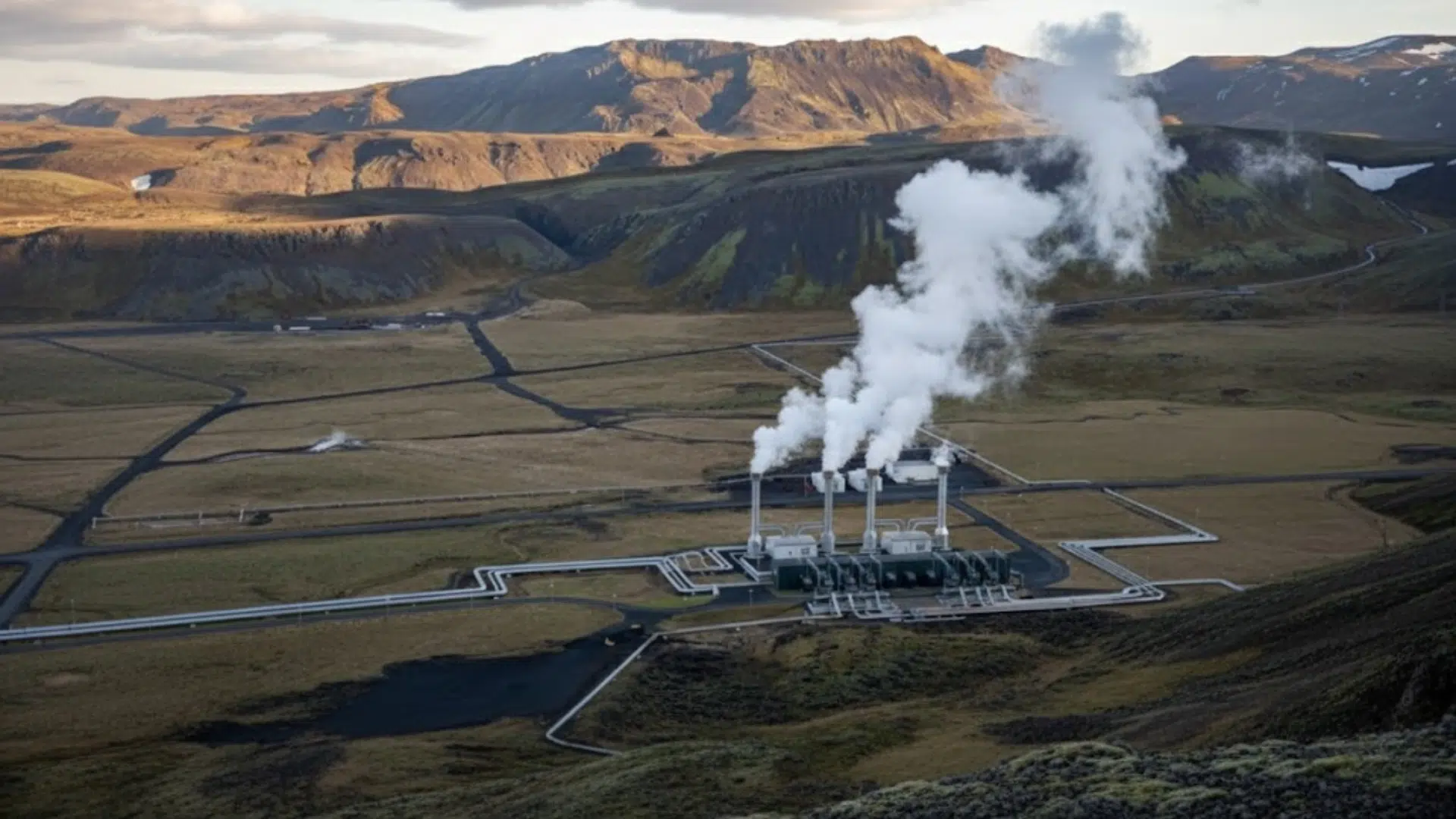
Geothermal energy is heat that comes from deep inside the Earth. This heat is created naturally and stays trapped beneath the ground.
In some places, it rises close to the surface as hot water or steam. We can use this heat to produce electricity or warm homes and buildings. It’s considered renewable because the Earth keeps producing heat over time.
How It Works
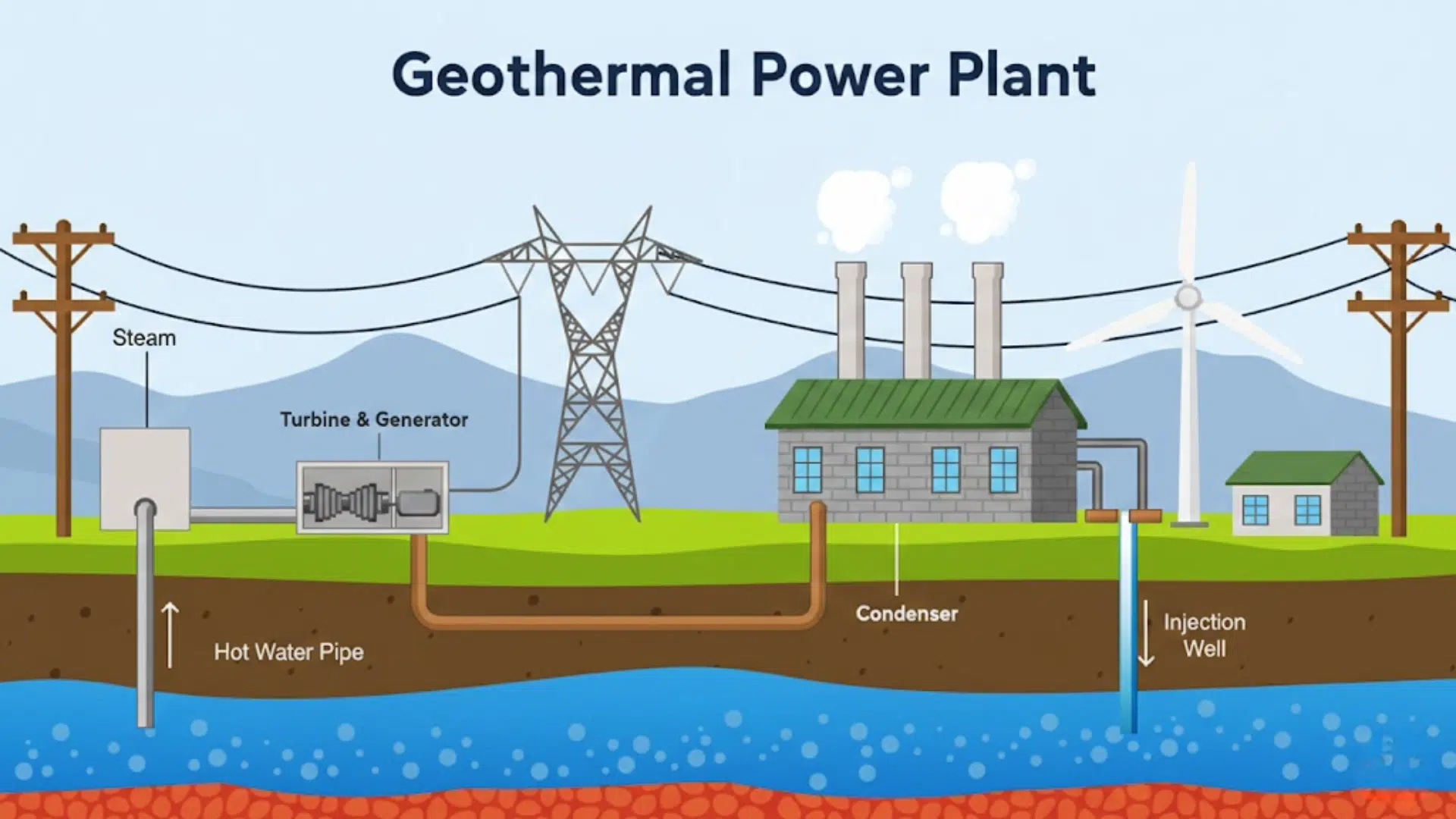
- Wells are drilled deep into the ground to reach hot water or steam.
- The steam spins a turbine, which powers a generator to make electricity.
- In heating systems, hot water moves through pipes to warm buildings.
- After use, the cooled water is often pumped back underground.
It’s a smart way to use the Earth’s natural heat for energy.
Advantages of Geothermal Energy
Geothermal energy has some strong benefits that make it stand out. It’s not perfect, but in the right place, it can be very reliable and efficient.
- Runs 24/7 – Unlike solar and wind, geothermal energy does not depend on sunlight or wind speed. It can produce power day and night all year long.
- Low Greenhouse Gas Emissions – Geothermal plants release far fewer emissions compared to coal or natural gas plants, making them a cleaner energy option.
- Reliable And Stable Power – It provides steady electricity, which helps balance the power grid and prevent outages.
- Small Land Footprint – Geothermal plants usually take up less space than large solar or wind farms.
- Long Lifespan – With proper care, geothermal plants can operate for decades.
Overall, geothermal energy offers steady, low-emission power. When built in the right location, it can be a dependable long-term energy source.
Major Disadvantages of Geothermal Energy
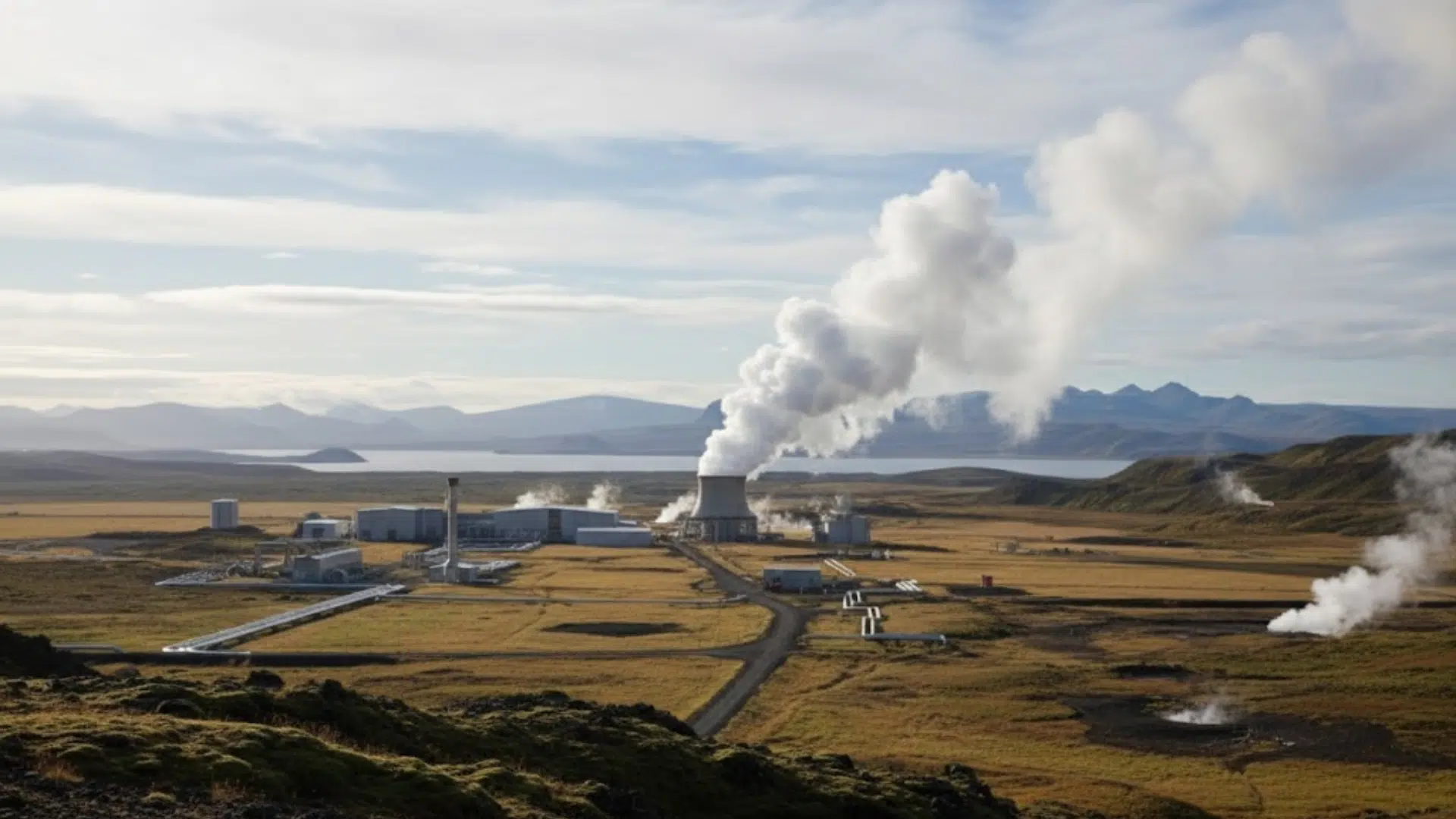
Geothermal energy has clear benefits, but it also comes with serious challenges. Before calling it a perfect clean solution, it’s important to understand these drawbacks.
1. High Upfront Costs
One of the biggest disadvantages of geothermal energy is the high starting cost. Drilling deep wells is expensive and risky. Companies must spend millions before they even know if the site will work.
If the underground heat is not strong enough, that money can be lost. Building the plant and installing equipment also adds to the cost. Because of this, geothermal projects often need strong financial backing.
2. Limited Suitable Locations
Geothermal energy does not work everywhere. It depends on specific underground heat conditions. The best locations are near tectonic plate boundaries or volcanic areas.
Many regions simply do not have enough heat close to the surface. This makes geothermal less flexible compared to solar or wind. As a result, only certain countries or states can use it effectively.
3. Risk of Induced Earthquakes
In some cases, geothermal projects can trigger small earthquakes. This usually happens when fluids are injected deep underground. The change in pressure can shift rocks along fault lines.
Most of these earthquakes are minor, but they can still worry local communities. In rare cases, stronger shaking has occurred. This risk makes regulation and monitoring very important.
4. Water Usage and Contamination Risks
Geothermal systems often use large amounts of water. In dry regions, this can create pressure on local water supplies. The underground water can also contain minerals and gases.
If not handled properly, these substances could contaminate nearby soil or water sources. Careful management is needed to prevent leaks. This adds to the complexity of running geothermal plants.
5. Release of Underground Gases
Geothermal energy is cleaner than fossil fuels, but it is not completely emission-free. Some sites release small amounts of gases like carbon dioxide and hydrogen sulfide.
Hydrogen sulfide has a strong smell similar to rotten eggs. Modern plants try to capture and control these gases. Still, emissions can vary depending on the location.
6. Equipment Scaling and Corrosion
The hot fluids used in geothermal plants contain minerals. Over time, these minerals can build up inside pipes and equipment. This process is called scaling, and it reduces efficiency.
The fluids can also cause corrosion, which damages metal parts. Repairs and maintenance can be costly and time-consuming. Without proper care, the system’s performance can decline.
7. Resource Depletion Over Time
Geothermal energy is renewable, but a specific site can weaken if not managed well. If too much heat or water is removed too quickly, the underground reservoir can cool down.
This lowers power output over time. Reinjection of water helps, but it must be done carefully. Poor management can shorten the life of a geothermal plant.
8. Long Development and Permitting Process
Geothermal projects often take years to develop. They require detailed environmental studies and government approvals. Drilling, testing, and construction can also take a long time.
Delays increase costs and financial risk. Community opposition can slow projects even further. This long timeline makes geothermal harder to scale quickly.
Comparison with Other Renewable Energy Sources
Geothermal energy is often compared with solar, wind, hydro, and biomass. Each one has strengths and weak points, so the “best” option depends on your location and needs.
| Energy Source | Biggest Advantage | Biggest Drawback | Reliability | Best For |
|---|---|---|---|---|
| Geothermal | Runs 24/7 in the right areas | High upfront cost and limited locations | High | Steady power and heating where resources exist |
| Solar | Easy to install and scalable | Works only when the sun is out | Medium | Homes, businesses, sunny regions |
| Wind | Low operating cost after setup | Output changes with wind speed | Medium | Open, windy areas and large wind farms |
| Hydropower | Can supply steady electricity | Needs rivers/dams and can affect ecosystems | High | Areas with strong water flow and storage options |
| Biomass | Uses organic waste as fuel | Can create air pollution if poorly managed | Medium | Places with steady farm/forest waste supply |
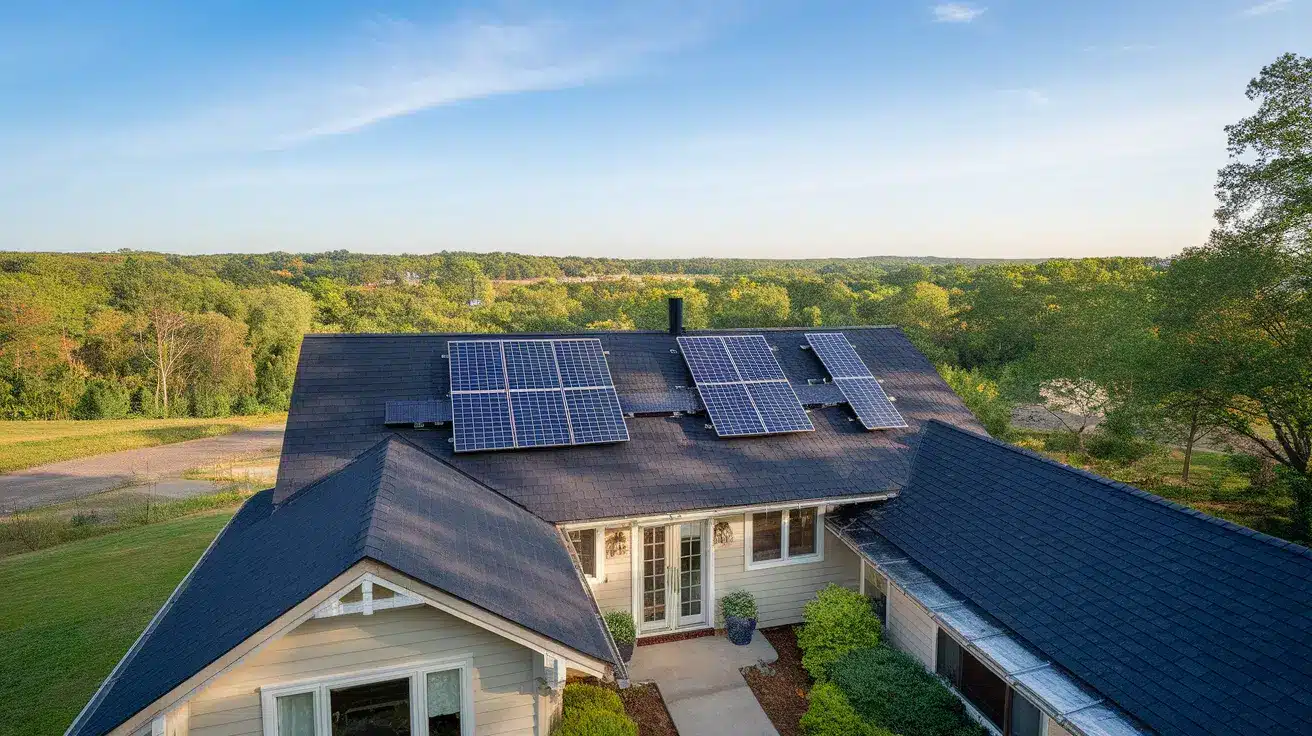
Geothermal stands out because it can provide steady power without waiting for weather. But solar and wind are often easier to build in more places, even if they are less consistent.
Government Policies and Regulatory Barriers
Geothermal energy projects do not just face technical challenges. They also have to deal with rules, permits, and government policies that can slow things down.
- Lengthy Permitting Process – Geothermal projects often need multiple permits before drilling can begin. The process can take years, which increases costs and uncertainty for investors.
- Strict Environmental Regulations – Because drilling goes deep underground, governments require careful studies. Companies must prove the project will not harm water supplies, land, or nearby communities. While these rules are important, they can delay progress.
- Land Ownership and Access Issues – Some geothermal resources are located on protected land or public property. Getting approval to use these areas can be complicated and time-consuming.
- Seismic Monitoring Requirements – In areas where earthquake risks exist, projects must install monitoring systems. They may also need emergency shutdown plans. This adds extra cost and ongoing compliance work.
- Changing Energy Policies – Government support, tax credits, and incentives can change over time. If policies shift, it can affect funding and long-term planning for geothermal projects.
Strong policies can help geothermal grow safely and responsibly. But complex rules and slow approvals can make development harder than many people expect.
Conclusion
Geothermal energy is often seen as a clean and reliable power source. It can run day and night and produce fewer emissions than fossil fuels. But it is not without problems.
That does not mean geothermal is a bad option. It simply means it works best in the right place with proper planning and strong management.
If you’re looking for renewable energy options, take time to weigh both the pros and cons carefully. And if you found this helpful, share it or check out our other energy guides.