Emergency preparedness is a vital component of effective facilities management. Whether a business is operating within a corporate office, a healthcare facility or a manufacturing plant, being prepared for an emergency can significantly reduce risk, protect assets and ensure the safety of staff, visitors and tenants.
This article explores the importance of emergency preparedness in facilities management and provides guidance on how facilities managers can develop and implement comprehensive emergency response strategies.
Emergency Preparedness Planning and Strategy
Creating a robust emergency preparedness plan requires careful thought and detailed planning. Facilities managers should assess potential risks and design a strategy that addresses each emergency scenario.
Facilities management courses and on-site training should be provided regularly to ensure staff know how to meet their responsibilities. Below are key elements that should be included in any emergency preparedness strategy.
Risk Assessment and Vulnerability Analysis
The first step in preparing for an emergency is conducting a thorough risk assessment. This involves identifying potential threats to the facility and evaluating the severity of each risk.
A vulnerability analysis should also be conducted to identify weak points in the building’s infrastructure or operations that may increase the risk of damage or injury during an emergency. By understanding these vulnerabilities, facilities managers can implement targeted measures to mitigate potential dangers.
Defining Emergency Roles and Responsibilities
Clear roles and responsibilities must be defined for every staff member in the event of an emergency. From the building manager to security personnel and maintenance staff, everyone needs to know their specific duties.
In larger facilities, it may be necessary to appoint emergency response teams for specific functions, such as fire safety or first aid. Facilities managers should ensure that all team members are familiar with their roles and have received appropriate training.
Establishing Communication Protocols
In an emergency, effective communication is crucial. Facilities managers must establish clear communication protocols to ensure that everyone on site can quickly receive information about the situation.
This may involve using public address systems, text message alerts or email notifications to reach staff, tenants and emergency responders. It is also essential to have a reliable method of communication with external emergency services, such as fire, police and medical teams.
Developing Evacuation Plans and Routes
Evacuation plans should be clearly laid out and easily accessible to all staff and tenants. The plan should include multiple evacuation routes, safe assembly points and provisions for those with mobility impairments.
Regular fire drills and evacuation exercises should be conducted to ensure that everyone knows what to do in the event of an emergency. Facilities managers should also review and update evacuation plans regularly to account for any changes in the building or workforce.
Preparing for Business Continuity
Business continuity refers to the ability of a facility to continue essential operations during and after an emergency. Facilities managers must have strategies in place to minimise downtime and ensure that critical services remain operational.
This could involve setting up backup systems, maintaining important records off-site and having contingency plans for key personnel. A business continuity plan should also include a process for assessing the impact of the emergency on operations and determining the steps necessary for recovery.
Training and Drills
Training and regular practice are essential to ensure that emergency plans are effective in real situations. Even the most detailed emergency strategy can fail if staff are unfamiliar with procedures or unsure how to respond under pressure.
Facilities managers should prioritise ongoing training and structured drills to build confidence and competence across the organisation.
Employee Training Programs
Employees should receive training that is relevant to the specific risks within the facility. This may include fire safety awareness, evacuation procedures, use of emergency equipment and basic emergency response.
Training should be refreshed periodically to ensure knowledge remains current and to accommodate new staff or changes within the building.
Conducting Regular Drills
Emergency drills allow facilities managers to test plans in a controlled environment. Fire drills, lockdown exercises and evacuation simulations help staff understand how to react during an emergency and identify any weaknesses in existing procedures. Drills should be carried out at regular intervals and scheduled to reflect realistic scenarios.
First Aid Training Courses
Facilities managers can strengthen medical emergency response by ensuring staff attend first aid training courses so that they know how to act appropriately in case of an accident. Trained first aiders should also refresh their knowledge regularly to ensure they’re prepared for emergency response.
Emergency Equipment and Resources
Having the right equipment and resources readily available is a cornerstone of effective emergency preparedness. Facilities managers are responsible for ensuring that all emergency equipment is properly maintained, accessible and suitable for the risks identified within the facility.
Fire Safety Equipment
Fire safety equipment such as extinguishers, alarms and sprinkler systems must be installed and maintained in line with regulatory requirements. Regular inspections are essential to ensure equipment functions correctly when needed. Clear signage should also be in place to guide occupants to fire safety equipment and exits.
First Aid Kits and Medical Supplies
First aid kits should be strategically located throughout the facility and stocked with appropriate supplies. Facilities managers should regularly check kits to ensure items are within expiry dates and replaced after use. In larger or higher-risk facilities, automated external defibrillators may also be required.
Backup Power Systems
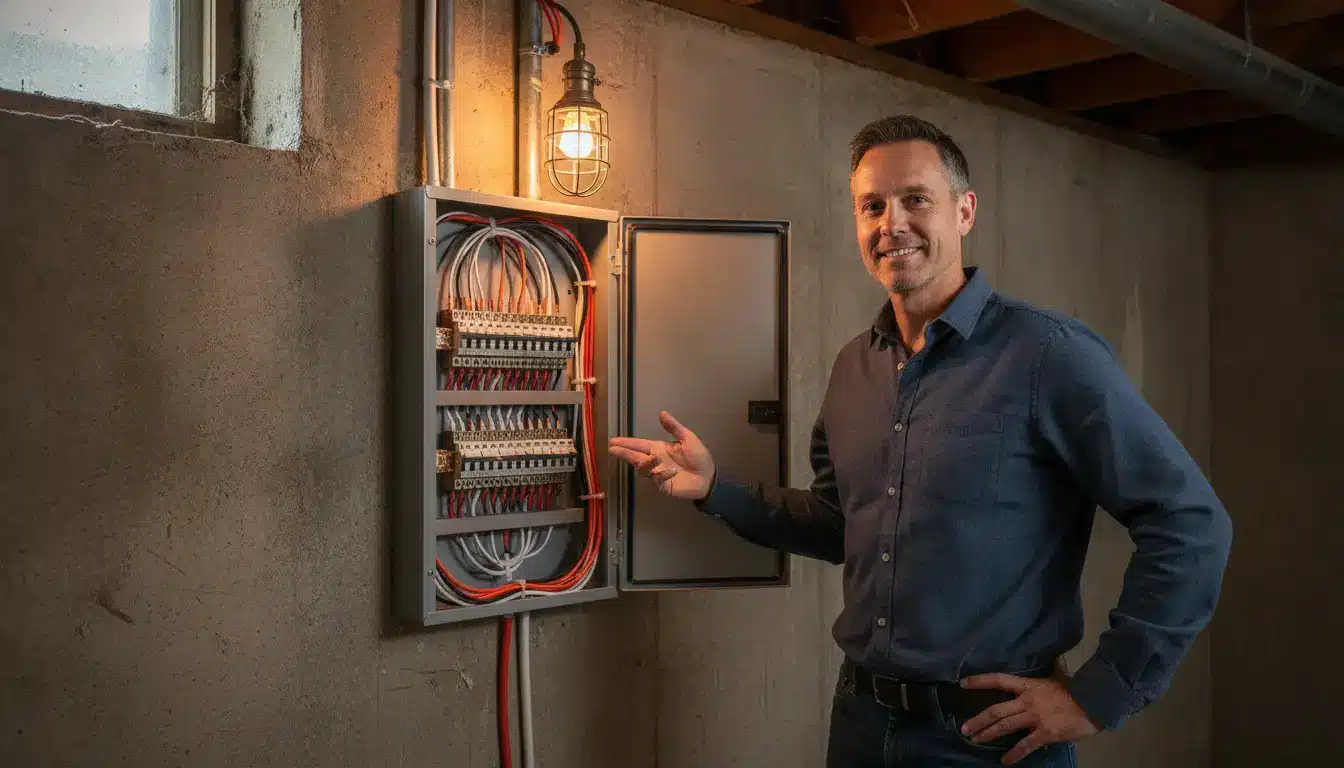
Backup power systems, such as generators or battery storage, can help maintain essential operations during power outages. These systems are particularly important in facilities that rely on continuous power for safety systems, medical equipment or data infrastructure. Routine testing ensures backup systems are reliable during an emergency.
Emergency Communication Tools
Effective communication tools are critical during emergencies. Radios, alarm systems and digital alert platforms can help disseminate information quickly and clearly. Facilities managers should ensure that communication tools are accessible and that staff are trained in their use.
Conclusion
Emergency preparedness in facilities management is not a one-off task but an ongoing responsibility. By identifying risks, training staff, maintaining equipment and learning from experience, facilities managers can create safer environments and ensure continuity in the face of unexpected events. A proactive approach to preparedness helps protect people, property and operations, both today and in the future.