
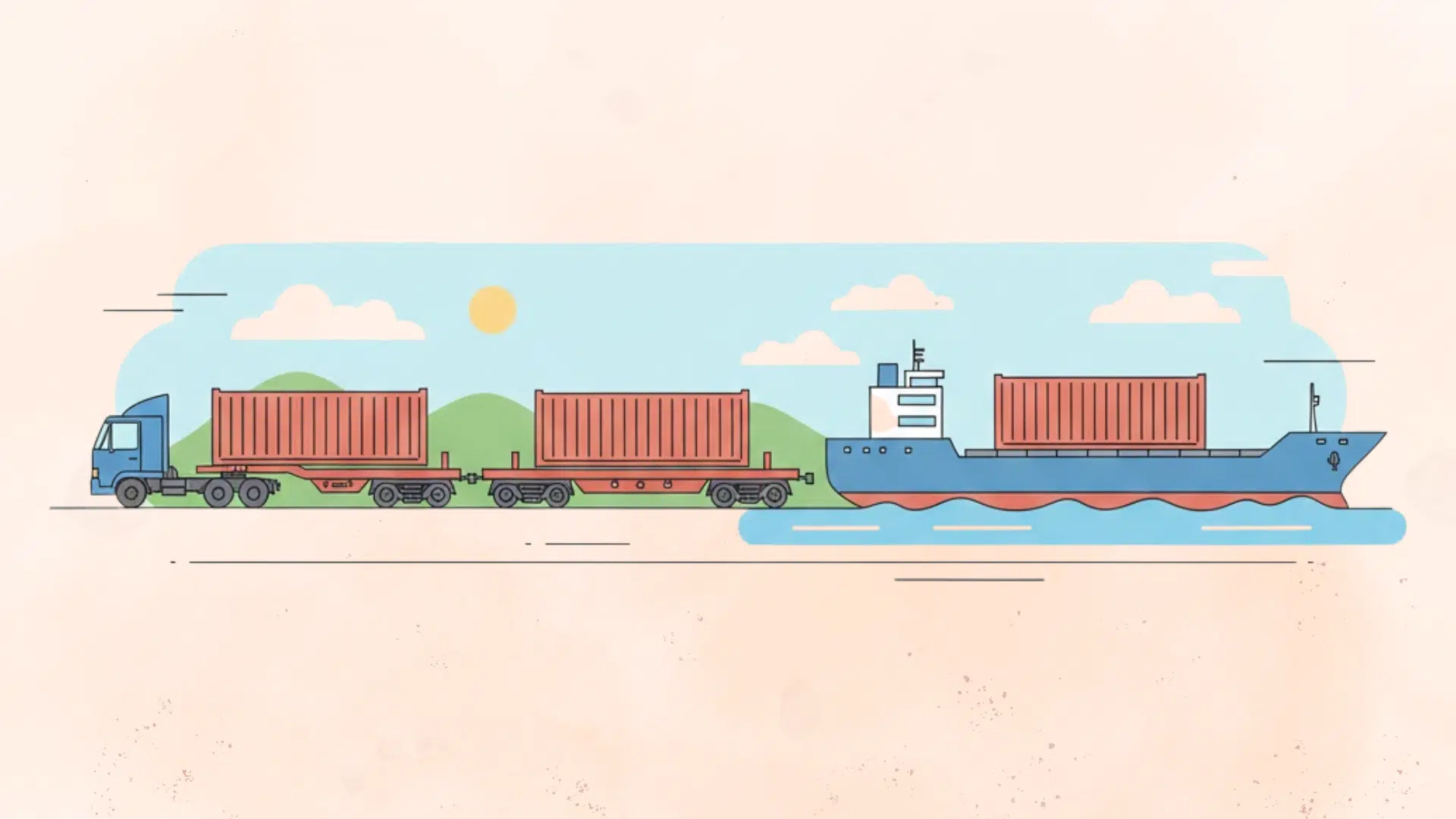
Intermodal transportation is a big part of how goods move around the world today, even if most people don’t notice it.
In this guide, I’ll break down what intermodal transportation really means, where it came from, and how it works step by step.
If you’re new to the topic, this is a simple place to start.
What Intermodal Transportation Means
Intermodal transportation means moving goods using two or more types of transport, like trucks, trains, or ships, during one journey.
The key detail is that the freight stays inside the same container the whole time. The container is simply transferred from one mode to another without unloading the cargo.
For example, a shipment may travel by truck from a factory to a rail terminal, then move by train across the country, and finally go by truck again to its final stop.
Because the container stays sealed, the process is usually safer and more efficient. This method is widely used for long-distance freight and global shipping.
Intermodal vs. Multimodal Transportation
Both intermodal and multimodal transportation use more than one type of transport. The difference comes down to how the shipment is handled and managed.
| Feature | Intermodal Transportation | Multimodal Transportation |
|---|---|---|
| Number of transport modes | Two or more | Two or more |
| Container handling | Cargo stays in one container | Cargo may be handled or transferred |
| Contracts | Often separate contracts per mode | Usually one contract |
| Flexibility | High | Moderate |
In simple terms, intermodal focuses on keeping the container sealed, while multimodal focuses on using one coordinated shipping plan.
How Intermodal Transportation Works
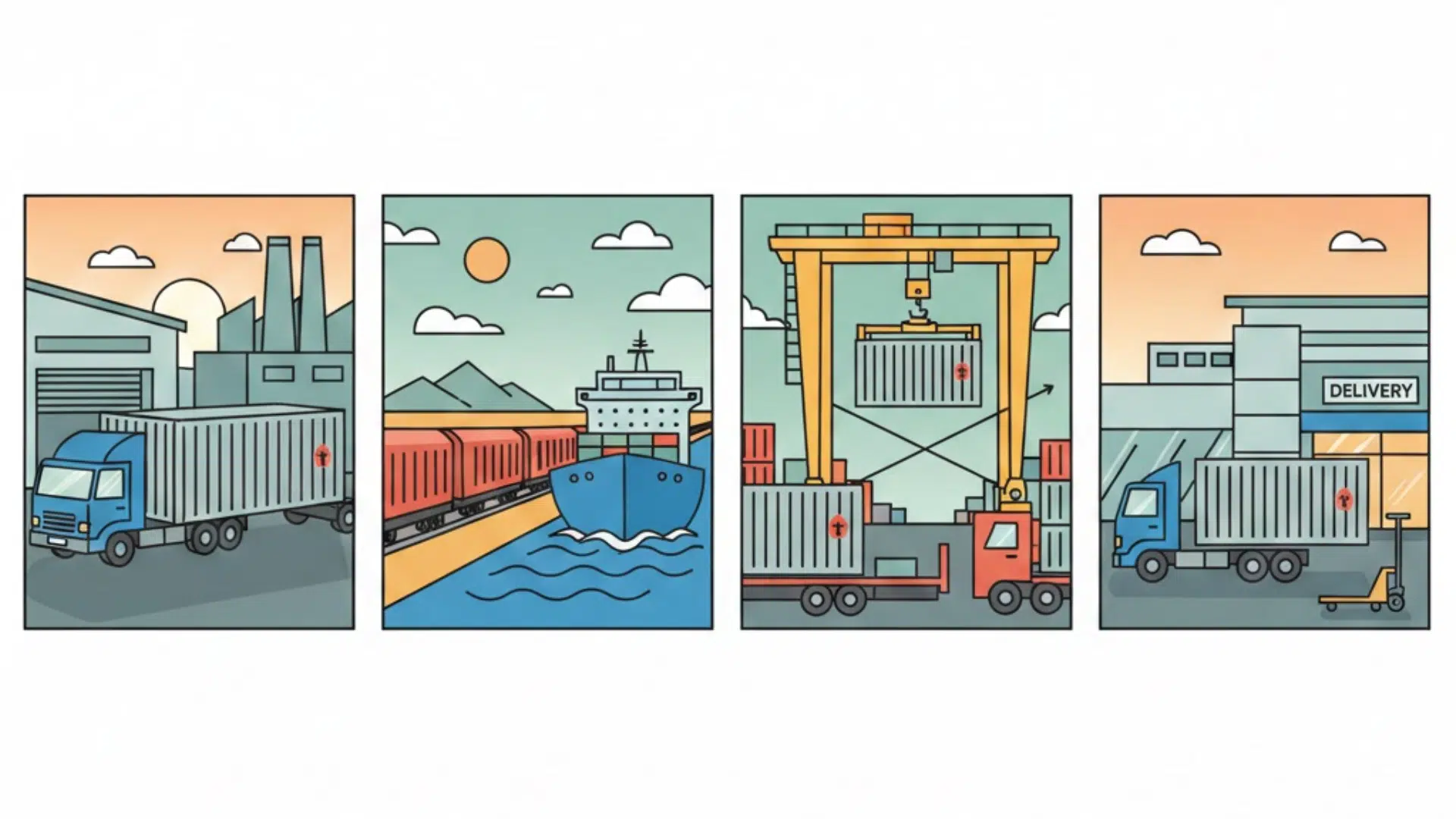
Intermodal transportation follows a clear path from start to finish. Each step plays a role in moving the container smoothly across different transport modes.
1. Origin Pickup by Truck
The process starts with a truck picking up the container from a factory, warehouse, or distribution center. This short trip is called the origin drayage. The truck moves the container to a nearby rail terminal or port.
Timing matters here because missing a scheduled departure can cause delays. Once the container arrives, it is checked in and prepared for transfer. This step connects local shipping to long-distance transport.
2. Long-Haul Transport by Rail or Ship
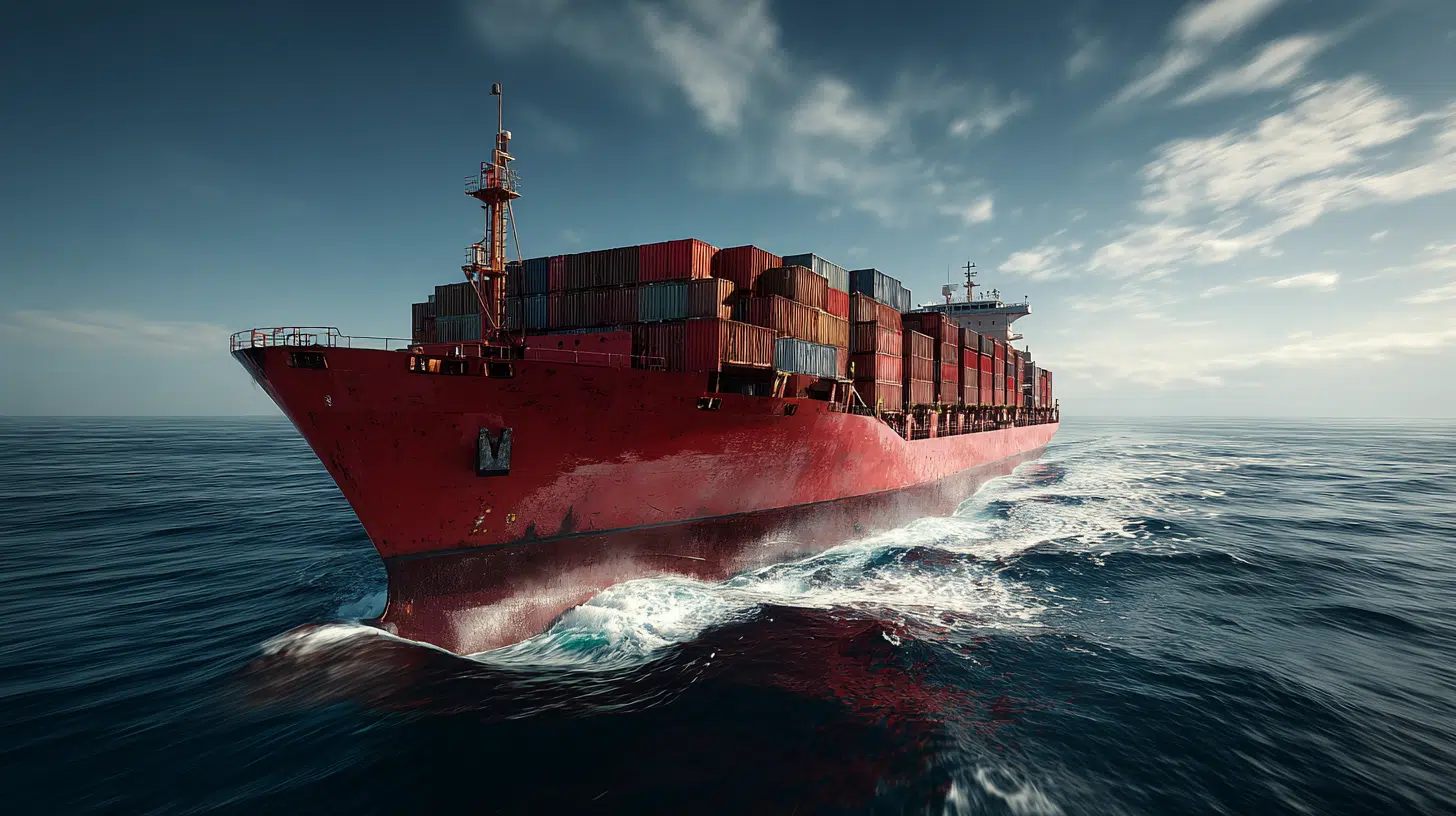
Next, the container travels the longest part of the journey by train or ship. Rail is often used for cross-country moves, while ships are common for international freight.
These modes are cost-effective for long distances and can carry large volumes. During this stage, the container remains sealed and secure. This is where intermodal shipping saves the most money and fuel.
3. Terminal Transfer and Handling
At the destination terminal, cranes or lifts move the container off the train or ship. The container is placed in a yard or staging area to wait for pickup.
This transfer is planned in advance to keep things moving smoothly. Good coordination at terminals helps reduce waiting time. Even though the container changes modes, the cargo inside is never touched.
4. Final Delivery by Truck
The last step is the destination drayage. A truck picks up the container and delivers it to its final location. This could be a warehouse, store, or customer site.
Once delivered, the container is unloaded. At this point, the intermodal journey is complete. The shipment has reached its destination with fewer handling steps along the way.
Key Principles of Intermodal Transportation
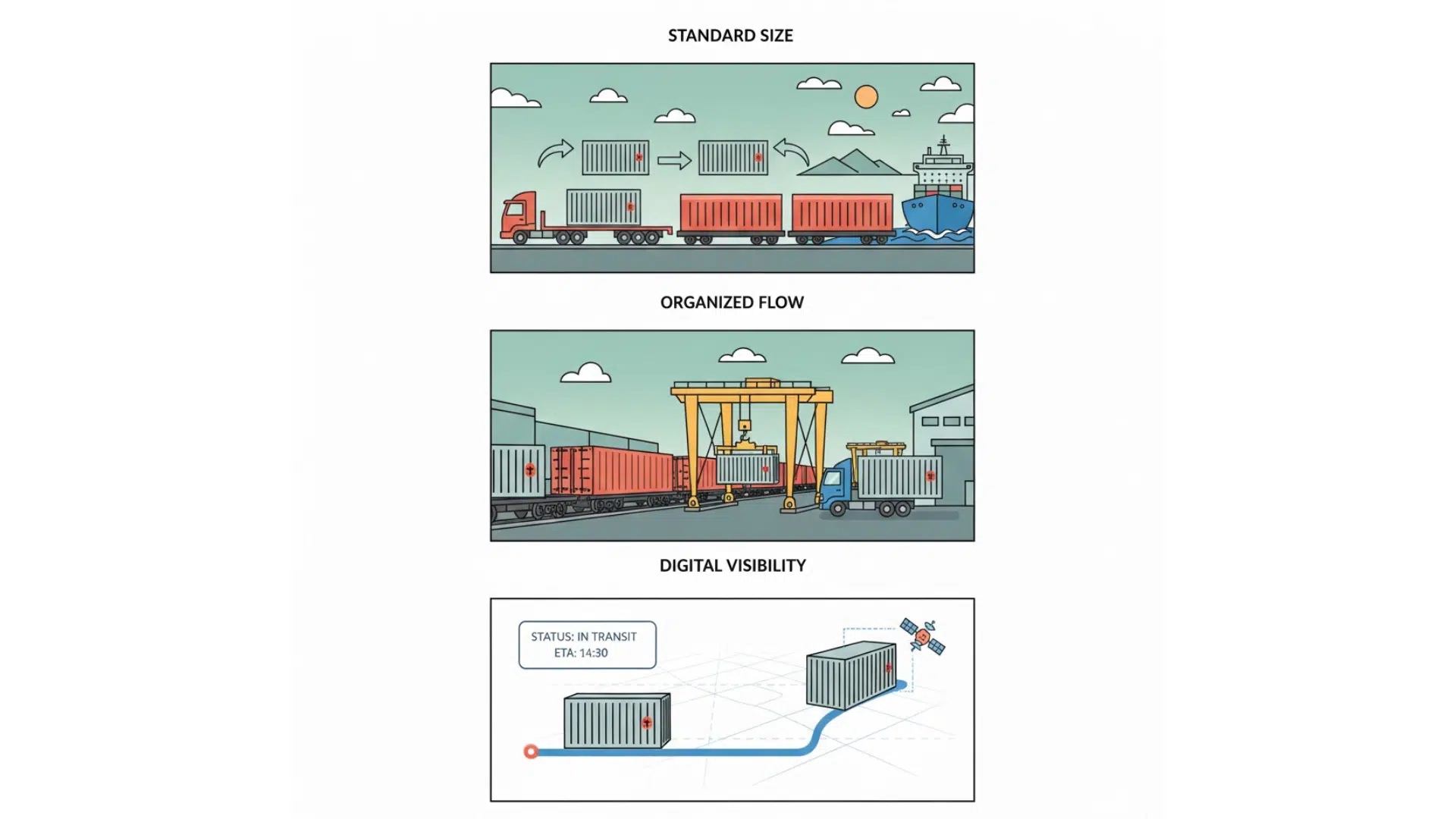
Intermodal transportation works well because a few core principles keep the system organized and efficient. These basics help shipments move across different transport modes with fewer issues.
1. Standardized Shipping Containers
Standard container sizes allow freight to move easily between trucks, trains, and ships. Because the containers are built to fixed dimensions, terminals can handle them quickly using the same equipment.
This reduces loading time and limits mistakes. It also helps prevent damage since the cargo stays packed inside. Standardization is one of the biggest reasons intermodal works at scale.
2. Seamless Transfers at Terminals
Terminals act as connection points between transport modes. Cranes, ramps, and yards are used to move containers without opening them.
Smooth handoffs depend on good scheduling and clear processes. When terminals run efficiently, delays are reduced. This keeps the overall journey on track.
3. Planning, Coordination, and Visibility
Intermodal shipping requires strong planning from start to finish. Each leg of the trip must be scheduled carefully.
Tracking tools help shippers see where containers are at all times. Better visibility allows teams to fix issues early. Good coordination keeps small delays from becoming bigger problems.
When Intermodal Transportation Makes Sense
Intermodal transportation is not the right fit for every shipment. It works best when certain conditions are met.
- Long-distance shipments: Intermodal is most cost-effective for freight traveling long routes, especially across regions or countries.
- Flexible delivery timelines: It works well when shipments do not require same-day or urgent delivery.
- High-volume or heavier freight: Larger loads benefit more from rail or ship transport than truck-only options.
- Regular shipping lanes: Consistent routes with strong rail or port access see better reliability.
Intermodal works best when savings and efficiency matter more than speed.
Common Challenges in Intermodal Transportation
While intermodal offers many benefits, it also comes with a few challenges to consider.
- Longer transit times: Rail schedules and terminal stops can add extra days compared to trucking.
- Terminal congestion: Busy ports and rail ramps can cause delays during peak seasons.
- Drayage coordination issues: Short truck moves must be timed carefully or the entire shipment can be delayed.
- Equipment availability: Chassis and containers may be limited in some areas.
Good planning and realistic timelines help reduce these challenges.
Future Trends in Intermodal Transportation
The future of intermodal transportation is shaped by sustainability, technology, and network strength. More companies are choosing intermodal to lower fuel use and emissions.
Improved real-time tracking and visibility tools are making shipments easier to manage. Rail and terminal investments are helping build more reliable and resilient supply chains.
As shipping demands grow, intermodal will continue to play a bigger role in moving freight efficiently.
Conclusion
Intermodal transportation plays an important role in how freight moves today.
By combining trucks, trains, and ships, it helps businesses move goods over long distances in a more efficient way. It can lower costs, reduce fuel use, and limit how often cargo is handled.
While it may not be the fastest option, it works well for planned shipments that value reliability and scale.
If you’re looking for better ways to ship freight, intermodal transportation is worth a closer look. Take time to review your routes, timelines, and shipping needs to see if it fits your operation.












One Response
I USED INTERMODAL TRANSPORTATION TO MOVE FROM Hawaii TO TN. Now i want to move from Tn. to Az. Do you have any suggestions as who i might use using intermodal transportation. I live south of Nashville and moving to Suncity west west of Phoenix.