Shipping freight can feel confusing, especially if you’re new to logistics. One term you’ll hear a lot is freight broker. So, what does that actually mean, and why does it matter for your business?
In this blog, I’ll break down what a freight broker does, how freight brokerage works, and when you might need one.
I’ll also explain the key difference between a freight broker and a freight forwarder, so you can choose the right option for your shipping needs.
What is a Freight Broker?
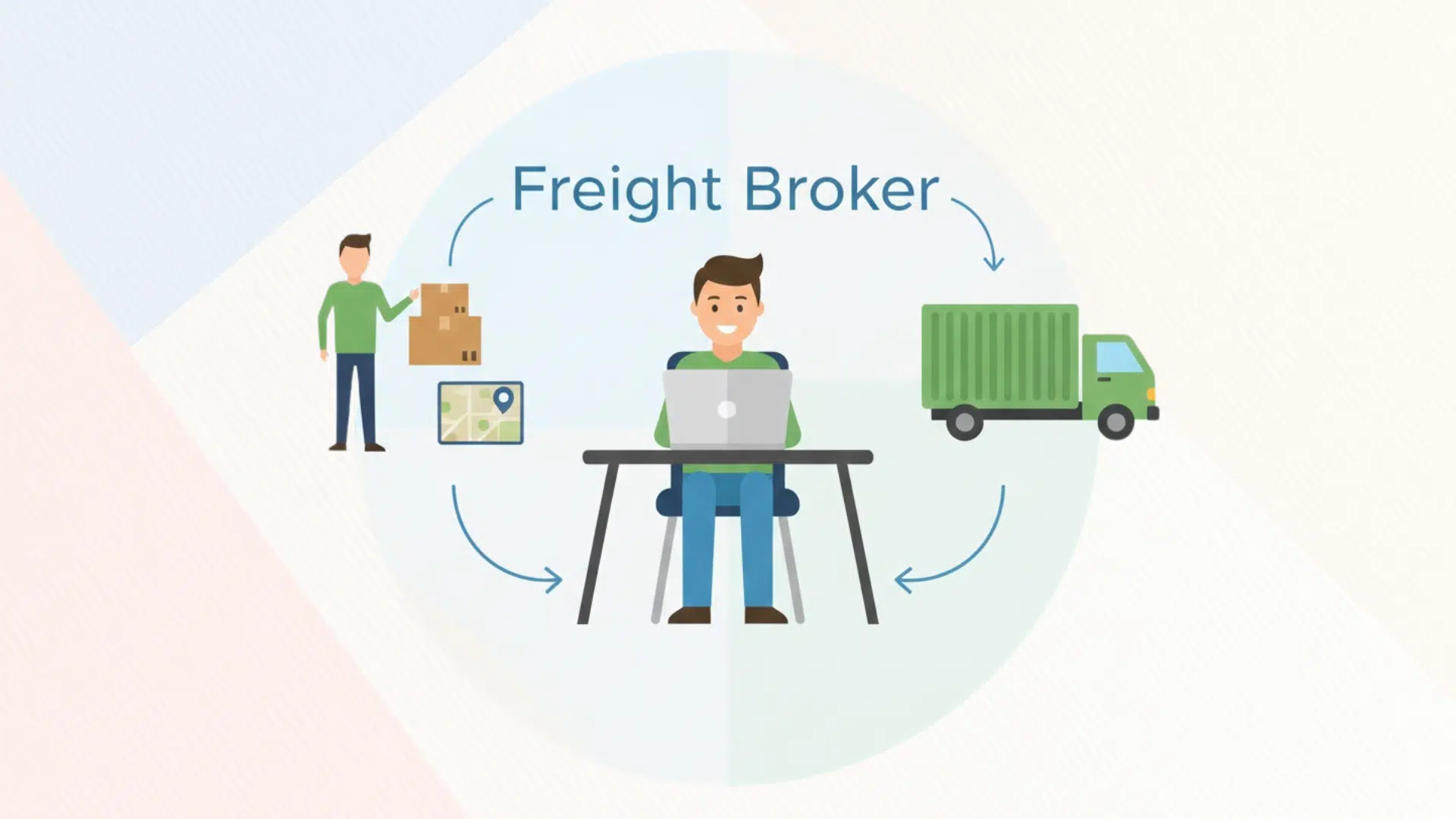
A freight broker is a person or company that helps move goods by connecting shippers with trucking companies. They don’t own trucks or move freight themselves. Instead, they focus on finding the right carrier for each shipment.
Freight brokers handle the planning, pricing, and coordination needed to move freight from one place to another. They act as the middle link between the shipper and the carrier.
For many businesses, a freight broker makes shipping easier, faster, and less stressful by managing the details and solving problems along the way.
What Does a Freight Broker Do Day to Day?
A freight broker’s day is all about keeping shipments moving and communication clear. They work behind the scenes to match loads with trucks and handle issues as they come up.
- Find carriers for loads: Brokers search their carrier network to find trucks that fit the shipment’s size, route, and timing.
- Negotiate rates: They agree on pricing with both the shipper and the carrier, aiming for a fair rate on both sides.
- Schedule pickups and deliveries: Brokers confirm dates, times, and locations so everyone knows when and where the freight moves.
- Track shipments: They monitor the load in transit and share updates to avoid surprises.
- Handle problems: If delays or changes happen, brokers step in to fix issues and keep things moving.
By the end of the day, their goal is simple: make sure freight arrives safely and on time.
How Freight Brokerage Works Step-by-Step

Freight brokerage follows a clear process that helps shipments move smoothly from start to finish. Each step plays an important role in avoiding delays and confusion.
Step 1: The Shipper Shares Load Details
The process starts when a shipper reaches out with shipment details. This includes where the freight is picked up, where it’s going, and when it needs to move.
The shipper also shares weight, size, and any special needs. Clear details help the broker plan the shipment correctly. This step sets the foundation for everything that follows.
Step 2: The Broker Finds the Right Carrier
Next, the broker looks for a carrier that fits the load. They check their network for available trucks on the right route. The broker makes sure the carrier has proper authority and insurance.
They also confirm the carrier can meet the pickup and delivery times. This step helps reduce risks during transit.
Step 3: Rates are Agreed, and the Load Is Booked
Once a carrier is selected, the broker confirms pricing with both sides. The shipper agrees to a total rate, and the carrier agrees to haul the load.
The broker then sends a rate confirmation to lock in the details. This document outlines pay, dates, and load info. Everyone is now on the same page.
Step 4: Pickup and Transit Begin
The carrier picks up the freight as scheduled. During transit, the broker stays in contact with the carrier. They track progress and provide updates to the shipper.
If weather, traffic, or delays occur, the broker helps adjust plans. This keeps communication clear and stress low.
Step 5: Delivery and Completion
Once the freight is delivered, the broker confirms delivery details. They help close out paperwork and make sure the carrier is paid.
If issues come up, such as late delivery or damage, the broker helps resolve them. The shipment is then marked complete. This final step wraps up the entire process smoothly.
Freight Broker vs. Freight Forwarder
Freight brokers and freight forwarders both help move goods, but their roles are not the same. Knowing the difference helps you choose the right option for your shipping needs.
| Freight Broker | Freight Forwarder |
|---|---|
| Connects shippers with carriers | Manages the full shipping process |
| Does not own or store freight | May store and handle freight |
| Focuses mainly on trucking | Handles trucking, ocean, and air |
| Common for domestic shipments | Common for international shipping |
| Does not handle customs | Often manages customs paperwork |
In short, brokers arrange the truck, while forwarders handle more complex shipping tasks.
Do Freight Brokers Need a License?
Yes, freight brokers in the U.S. must have a license to operate legally.
This license is issued by the Federal Motor Carrier Safety Administration (FMCSA). It helps protect shippers and carriers by making sure brokers meet basic rules and financial standards.
- FMCSA broker authority is required: Brokers must register with the FMCSA to get official broker authority before arranging freight.
- A surety bond or trust is mandatory: Brokers must have a $75,000 surety bond or trust fund to cover carrier payments.
- A process agent filing is needed: Brokers must file a BOC-3, which lists legal agents in each state.
- Registration must stay active: Brokers must keep their authority, bond, and filings up to date to remain compliant.
For shippers, working with a licensed broker adds a layer of trust and accountability.
How Freight Brokers Get Paid

Freight brokers earn money through a margin, also called a spread. The shipper pays a total shipping rate, and the broker pays the carrier a lower rate
The difference between these two amounts is the broker’s pay. This margin covers coordination, carrier sourcing, tracking, and problem-solving.
Pricing can change based on distance, fuel costs, equipment type, and market demand.
How to Choose a Good Freight Broker
Choosing the right freight broker can make shipping easier and more reliable. A good broker focuses on clear communication and strong carrier relationships.
- Check experience and lane knowledge: Look for brokers who understand your routes and freight type.
- Ask about carrier screening: A reliable broker works with carriers that meet basic safety and insurance standards.
- Review communication and support: Good brokers provide updates and respond quickly when issues come up.
- Confirm proper registration: Make sure the broker is licensed and active with the FMCSA.
The right broker acts like a partner, not just a middle step in the process.
Conclusion
A freight broker can play a big role in making shipping easier and less stressful.
By connecting shippers with the right carriers, brokers help save time, reduce delays, and keep freight moving smoothly. They handle the details, solve problems, and stay in touch from pickup to delivery.
If you ship freight often or plan to grow your business, working with the right freight broker can make a real difference.
Take time to choose a broker you trust, ask the right questions, and build a long-term shipping partner that supports your goals.