When planning a modern bathroom renovation, the best shower trays are those that blend a low–profile “slimline” look with high-durability materials like stone resin. The current shift toward slate-effect textures in dark tones like anthracite and black is redefining the “standard” white tray, offering a safer, anti-slip surface that feels like a luxury spa foundation. Whether you’re working with a tight corner or a grand walk-in, the right tray is the secret to a leak-free, high-end finish.
While most homeowners spend their time picking out taps or tiles, interior designers know that the shower tray is the most critical part of the project. It’s the structural foundation of your shower, handling the weight, managing the drainage, and providing the safety you need every morning
Here is a simple guide to help you pick a shower tray that fits your style and budget requirements.
1. Finding the Right Shape for Your Layout
The shape of your tray is usually decided by how much floor space you have. In the UK, where every centimetre counts, picking the right “footprint” makes a huge difference.
- Rectangular Trays: These are the most popular in the UK. They provide a generous, luxurious space and are the standard choice for walk-in showers. If you are removing an old bathtub, a large rectangular tray (up to 1700mm) usually fits the space perfectly.
- Square Trays: A great, practical choice for small en-suites or guest rooms. They are neat, tidy, and fit into any corner without fuss.
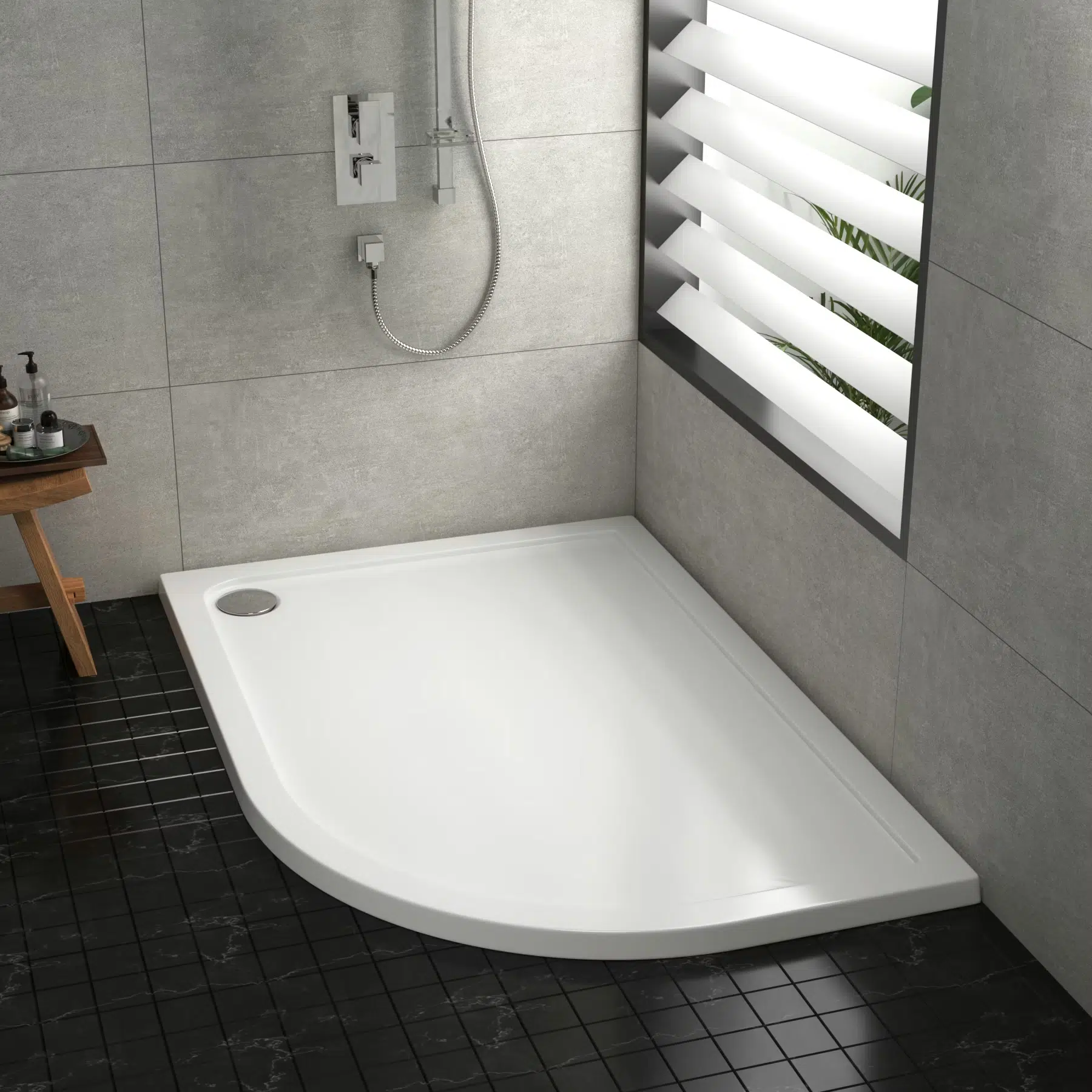
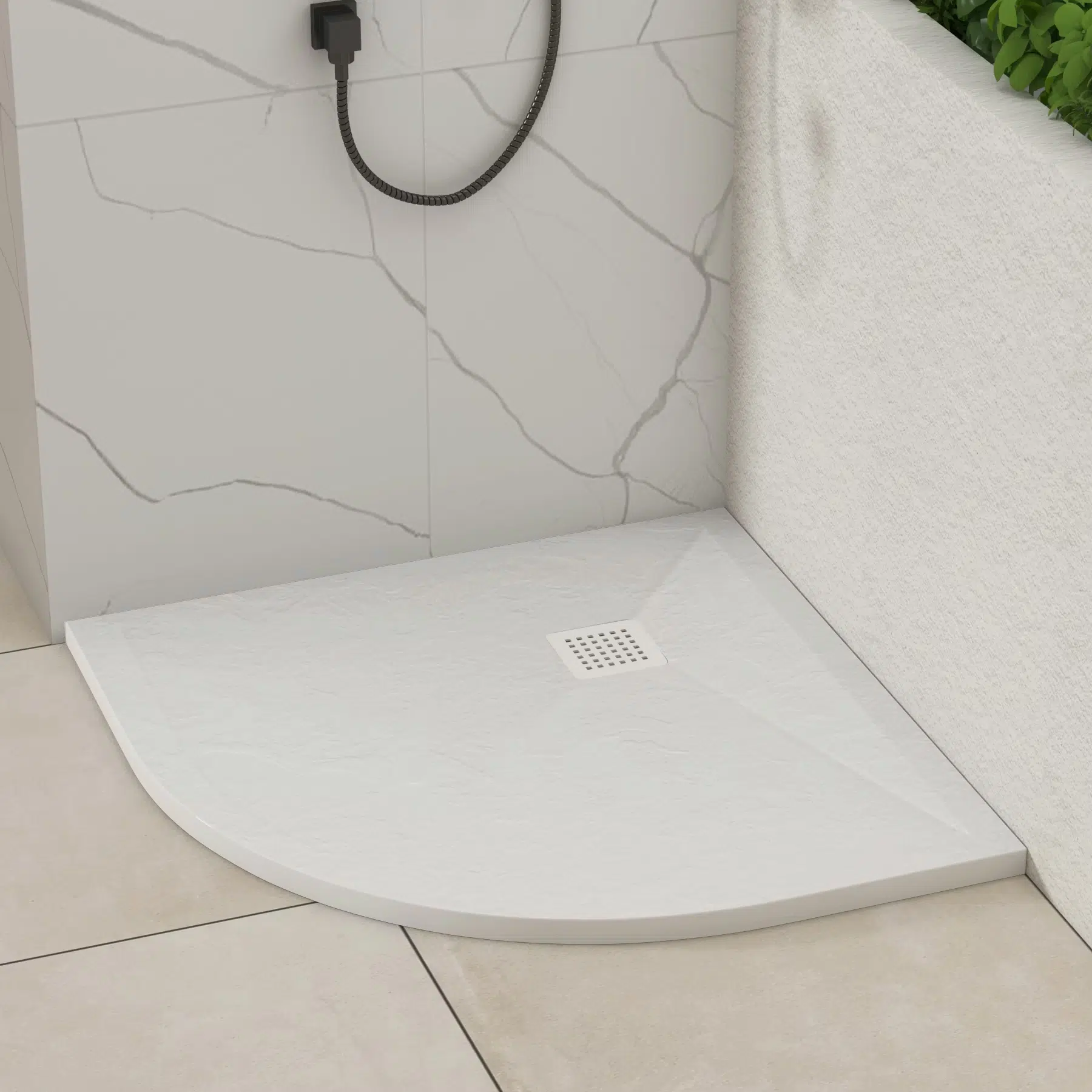
- Quadrant & Offset Quadrant: These feature a curved front. They are “space-savers” because they remove the sharp corners that would otherwise stick out into the room. This “softened” look makes a small bathroom feel much more open.
| Shower Tray Shape | Best For | Space Use | Key Advantage |
|---|---|---|---|
| Rectangular | Walk-in showers, large bathrooms | Medium–High | Most spacious showering area |
| Square | Compact shower enclosures | Medium | Easy fit for small spaces |
| Quadrant (Curved Front) | Corner installations | High | Saves space with smooth curved entry |
| Offset Quadrant | Corner showers needing more room | High | Extra shower space without going full rectangle |
2. Choosing Your Shower Tray Material: Stone Resin vs. Acrylic
This is the most important choice for the feel of your shower.
- Stone Resin: This is a heavy mixture of minerals and resin. It is the backbone of most high-end ranges at Royal Bathrooms. It feels rock-solid underfoot. It won’t creak or flex, and it keeps its shape for a lifetime.
- Acrylic Capped Trays: These are lightweight and easy for a plumber to carry upstairs. While they are more budget-friendly and easy to clean, they don’t have the same “weighty” luxury feel as stone.
3. The Trend of Slate-Effect and Colours
White is no longer your only option. We are seeing a massive trend toward slate effect trays in Black, Grey, and Anthracite. These trays have a textured, matte finish that looks like natural stone. It’s a “power move” in design; pairing a black slate tray with a black-framed shower screen creates an instant boutique hotel vibe. The slate texture isn’t just for looks; it provides a natural anti-slip grip, which is a huge plus for families. Another great thing about these trays is that they are available in all shapes and sizes, whether you need a square, rectangular, or quadrant shower tray.
4. Understanding Height: Slimline vs. Riser Kits
The height of your tray changes the entire look of the shower space. Slimline shower trays, also known as low-profile, are usually only 25mm to 40mm high. They sit nearly flush with the floor, creating a seamless, modern look that makes the room feel larger. Another option is riser kits, which are an easy plumbing option. Sometimes your plumbing is above the floor (common in many UK homes). A riser kit adds adjustable legs and a side panel to your tray, lifting it so the pipes can fit underneath. It’s a smart, practical solution that still looks clean and intentional.
5. Sizes and High-Flow Drainage
Shower trays come in a huge range of sizes, from a compact 700mm to a massive 1700mm. You should order the shower tray size as per the size of your shower enclosure or walk-in shower. When choosing your size, always remember to check your waist (drainage) position. Modern “High-Flow” wastes are designed to drain water faster than a standard plug. This is essential if you are using a large, rainfall shower head, as it prevents the tray from filling up like a mini-pool while you’re washing.
Summing It Up
The latest trends prove that we are moving away from the clinical look and toward warmth and texture. A shower tray is no longer just a plastic base; it is a design statement. Whether you opt for a white stone resin tray for a classic look or a textured black slate base for a modern edge, your choice will define the comfort of your bathroom for years to come. To make the right choice, you will have to consider various aspects that we have discussed in this blog.