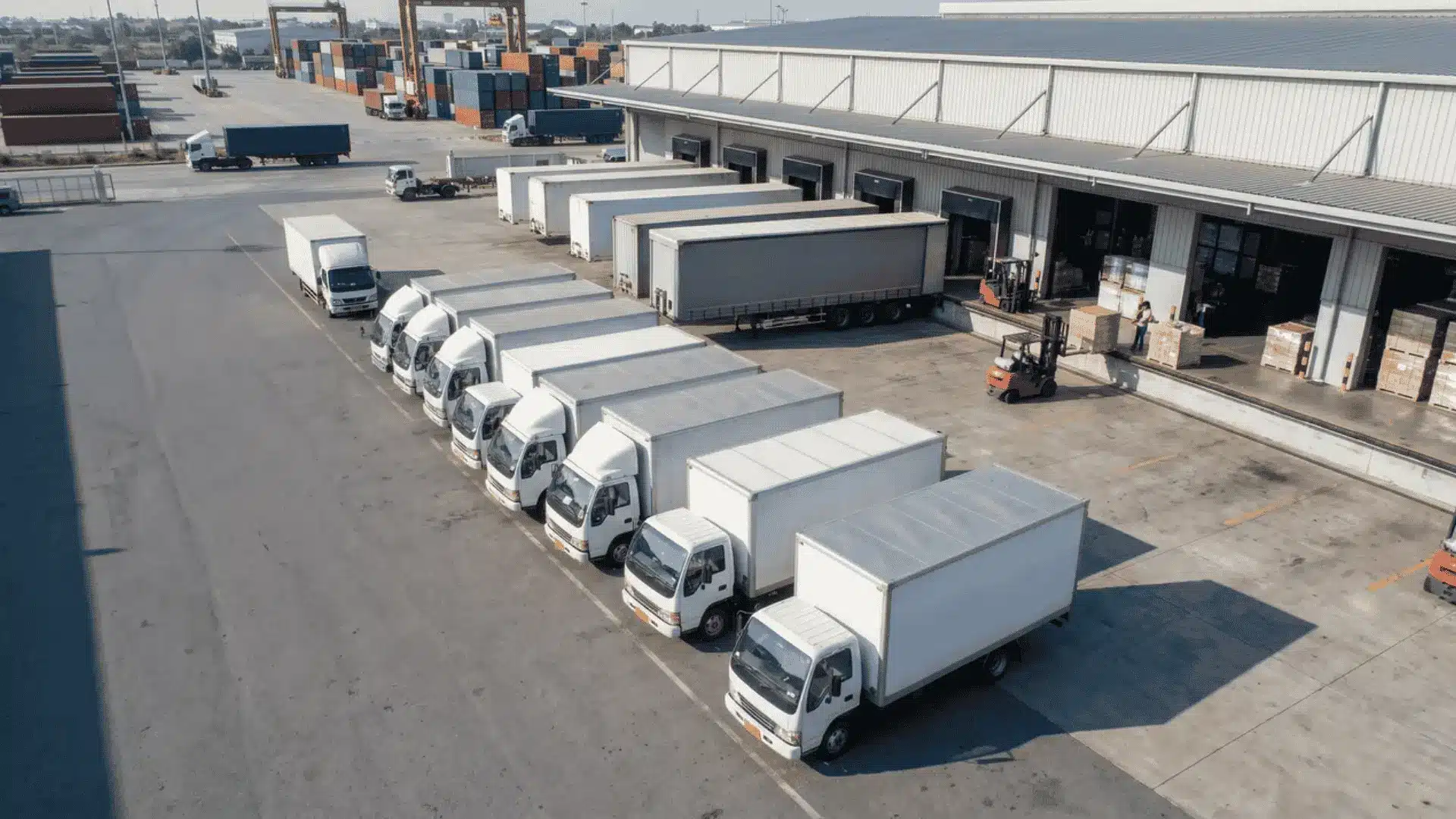
Most job titles sound clearer than they really are. This one is no different. When people hear about a logistics coordinator, they often picture someone tracking trucks all day or pushing paperwork around.
That picture is incomplete. The role sits in the middle of moving parts, shifting priorities, and constant decisions. Some days are calm. Others are not.
The goal of this post is to slow things down and explain how the job actually works.
By the end, you should have a clean mental model of what a logistics coordinator does, why the role exists, and whether it fits how you like to work.
What is a Logistics Coordinator?
At its core, this role exists to keep things moving. Products do not magically go from a supplier to a customer. Someone has to line up timing, people, paperwork, and data so that each step happens in the right order.
A logistics coordinator works inside the supply chain . Not at the very top where strategy is set, and not only at the ground level loading trucks. The role connects planning to execution. You are often the person who notices when something is about to break and fixes it before it does.
On a normal day, you work with carriers, warehouse staff, suppliers, and internal teams like sales or customer service. None of these groups see the full picture on their own. Your job is to hold that picture together and act when pieces drift out of place.
What Does a Logistics Coordinator Do Day to Day?

The daily work changes based on the company and industry. A retail operation looks different from a factory. A 3PL feels different from an in-house team. Still, the core tasks stay the same.
You are planning movement, watching progress, and responding when reality does not match the plan.
1. Shipment Planning and Tracking
Every shipment has two sides. Inbound shipments bring materials or products in. Outbound shipments send finished goods out. Both matter, and both follow timelines that affect other teams.
Planning means booking transportation, confirming pickup times, and making sure the warehouse is ready. Tracking means watching those shipments move and checking that milestones are met.
When a delivery slips, the delay often affects production schedules, customer promises, or storage space. Small timing issues can ripple fast.
2. Communication and Problem Solving
Most problems show up first as a message or a call. A carrier is late. A supplier missed a cutoff. A warehouse flags a mismatch. You act as the point person who gathers facts and decides what happens next.
This part of the job is less about talking and more about listening clearly. You ask the right questions, sort signal from noise, and keep people aligned.
When delays happen, you focus on impact. What can still move. What must wait. Who needs to know now, not later.
3. Documentation and Compliance
Every shipment carries paperwork. Bills of lading, invoices, packing lists, customs forms in some cases. These documents are not busywork. They protect the company from fines, payment disputes, and lost inventory.
Accuracy matters here. A wrong weight, code, or address can stop a shipment cold. Over time, coordinators learn to spot small errors early. That skill saves hours later.
4. Inventory and Data Management
Inventory is the quiet backbone of logistics work. You track what is on hand, what is coming, and what is leaving. This data feeds planning and reporting.
Most coordinators update systems daily. They reconcile counts, flag gaps, and help explain why numbers look off. Reports are often simple, but consistency matters. Clean data leads to fewer surprises.
Skills Needed to Be a Logistics Coordinator
People often assume you need a specific degree. In reality, skills carry more weight than formal education. The job rewards people who can think clearly under pressure and stay organized when details pile up.
Technical Skills
You do not need to be a systems expert, but you need comfort with tools. Transportation management systems help plan and track shipments. ERP systems store orders, inventory, and financial data. You move between screens and keep records aligned.
Excel shows up everywhere. You might use it to:
- Track shipment status across lanes
- Compare carrier rates
- Spot trends in delays or errors
The skill is not fancy formulas. It is knowing how to keep data clean and readable.
Soft Skills
Organization is not optional. You juggle timelines, messages, and tasks at once. Losing track of one detail can create bigger problems later.
Multitasking here means prioritizing, not doing everything at once. You decide what needs attention now and what can wait an hour.
Communication under pressure matters because stress spreads fast. Calm updates help others stay focused and make better choices.
Education and Experience Requirements

- A degree is often listed but not always required
- Degrees in supply chain, logistics, or business can help but are not mandatory
- Practical experience is usually valued more than formal education
Entry-level roles that commonly lead into this position include:
- Customer service roles handling orders or delivery issues
- Warehouse support or shipping and receiving positions
- Dispatch or transportation coordination roles
- Shipping or logistics office support jobs
Useful transferable experience includes:
- Working in fast-paced environments with shifting priorities
- Managing schedules, deadlines, or time-sensitive tasks
- Coordinating between multiple teams or departments
- Solving problems with limited or changing information
Employers typically look for:
- Ability to learn logistics software and internal systems
- Strong organization and attention to detail
- Calm decision-making when plans change
- Proof of reliability and follow-through rather than credentials
Logistics Coordinator Salary and Pay Expectations
Pay varies widely by region and industry. In general, this role sits in the lower to middle range of supply chain salaries.
Hourly roles are common early on, especially in operations-heavy settings. Salaried roles show up more in corporate environments.
Location plays a big role. Areas with heavy transportation activity or high cost of living tend to pay more. Experience also matters. Someone who can run lanes independently and manage exceptions earns more than someone still learning the basics.
Raises often follow responsibility, not time. When you handle larger volumes or more complex accounts, pay usually follows.
Work Environment and Schedule
Some coordinators work in offices. Others sit near or inside warehouses. Many split time between desks and the floor.
Remote work exists but is limited. Real-time issues often require quick access to systems and people. Fully remote roles are more common in planning-heavy positions.
Hours are usually standard, but logistics does not stop at five. Peak seasons, weather issues, or system outages can extend days. Flexibility helps, but this is not constant overtime for most roles.
Is Logistics Coordinator a Hard Job?
It can be. The difficulty comes from pressure, not complexity.
Stress shows up when volume spikes, systems fail, or communication breaks down. The work itself is learnable. Managing expectations is the real challenge.
Common challenges include:
- Last-minute changes
- Conflicting priorities from different teams
- Incomplete or incorrect information
People who thrive tend to like structure but accept that plans shift. They stay calm, ask good questions, and do not take problems personally.
Career Path and Growth Opportunities

This role often sits at the front door of the supply chain world. Many people start here because it exposes you to how planning, transportation, inventory, and communication actually connect. Over time, that visibility becomes leverage.
A common next step is a senior or lead coordinator role. At that level, you handle higher volumes, more complex shipments, or key accounts.
From there, some move into logistics analyst positions, where the focus shifts from daily execution to patterns, costs, and process improvement. Others move into supervisory or management roles, where the job becomes setting priorities, coaching people, and owning results.
Timelines are not fixed. In fast-growing companies or high-turnover environments, movement can happen within two years. In stable organizations, it may take longer. Progress usually follows responsibility, not tenure.
Related roles often branch into planning, procurement, or operations management. What matters most is learning why decisions are made, not just how tasks are done. That understanding is what turns experience into a career.
Industries that Hire Logistics Coordinators
Different industries change how the logistics coordinator role feels day to day. The core work stays the same, but the pace, pressure, and priorities shift depending on where you work.
| Industry | Main Focus | Daily Pressure Points | Best Fit For |
|---|---|---|---|
| Manufacturing | Keeping production running | Supplier timing, line stoppages | People who like structure and predictability |
| Retail | High shipment volume | Seasonal spikes, accuracy at scale | People comfortable with fast pace and repetition |
| 3PL | Managing multiple clients | Context switching, client communication | People who enjoy variety and rapid learning |
| Freight Forwarding | International movement | Documentation, regulations, customs delays | People who are detail-focused and process-driven |
Choosing the right industry is less about prestige and more about how you prefer to work. Pace, pressure, and problem types differ far more than job titles suggest.
How to Become a Logistics Coordinator
1. Start in a role close to the flow of goods.
Look for entry-level jobs in customer service, warehouse support, shipping and receiving, or dispatch. These roles teach how orders move, where delays happen, and how small issues turn into bigger problems.
2. Learn how logistics systems actually work.
Get comfortable with tracking tools, order systems, and spreadsheets. Focus on accuracy first. Being consistent and reliable matters more than working fast early on.
3. Build problem-solving habits.
Pay attention to why things go wrong. Learn who to contact, what information matters, and how decisions affect other teams. This judgment is what separates strong coordinators from average ones.
4. Use certifications selectively.
Certifications can show interest in the field, but they do not replace experience. Use them to support your learning, not to skip foundational roles.
5. Write a results-focused resume.
Instead of listing duties, describe problems you handled and what improved because of your actions. Employers want proof that you can think, adapt, and follow through
Logistics Coordinator vs. Similar Roles
| Role | Primary Focus | Typical Responsibilities | Level of Decision-Making |
|---|---|---|---|
| Logistics Coordinator | Daily execution and flow | Planning shipments, tracking progress, resolving issues across teams | Moderate |
| Logistics Specialist | Deep focus in one area | Handling compliance, routing, or carrier performance | Limited to specialty |
| Logistics Manager | Strategy and people | Setting priorities, managing teams, controlling budgets | High |
| Dispatcher | Real-time movement | Assigning loads, communicating with drivers, reacting to delays | Immediate and narrow |
A coordinator sits in the middle, balancing planning with follow-through. Specialists go deeper but narrower. Managers think bigger and lead people. Dispatchers stay focused on the moment.
Knowing where each role sits helps you choose the right path and set realistic expectations.
Wrapping Up
Logistics work often looks simple from the outside, but it rarely is once you’re inside it.
The logistics coordinator role sits right in the middle of that reality. It rewards people who can stay steady, think clearly, and keep moving even when plans change.
If you like understanding how systems connect and fixing problems before they spread, this job can be a solid foundation. It also leaves room to grow, pivot, or specialize over time.
Take a moment to picture yourself in that environment. If it feels manageable rather than overwhelming, a logistics coordinator may be worth exploring further, one step at a time.