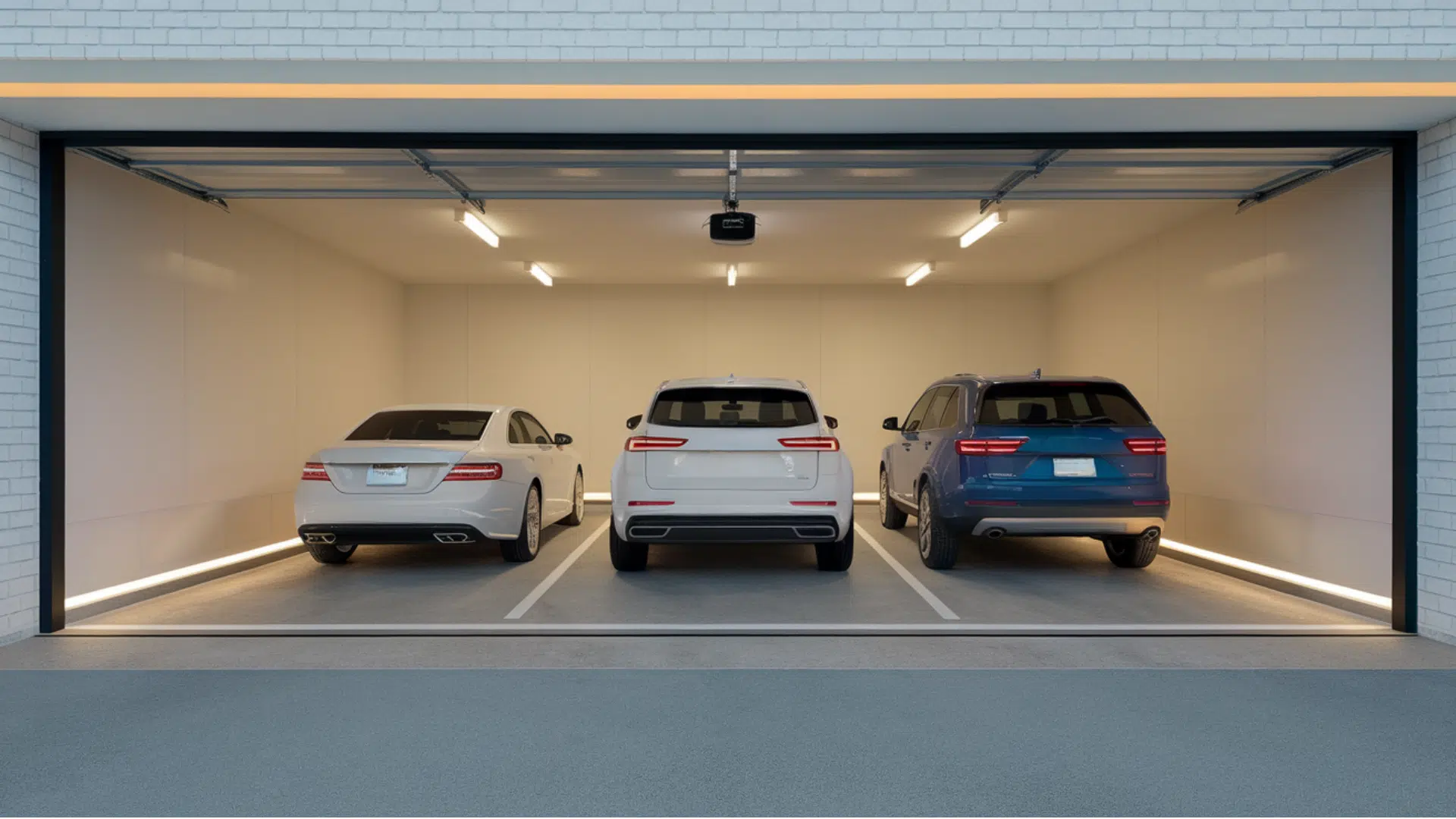
Planning a 3 car garage sounds easy, but the details matter more than most people expect. Width, depth, and door spacing decide whether parking feels smooth or stressful.
Many homeowners look only at minimum sizes and regret it later when doors hit walls or storage eats space.
This guide breaks down 3 car garage dimensions in a clear, practical way. You will learn standard sizes, layout options, and how different vehicles affect space needs.
Whether you park sedans, SUVs, or trucks, the goal is comfort, not just fit. By the end, you will know what dimensions make sense for real life, not just drawings, and daily routines.
What “3-Car” Garage Really Means
A “3-car” garage does not always mean the same thing in every home plan.
In most cases, it means space to park three vehicles side by side. Some designs use three separate bays, while others use a double bay plus a single bay.
There are also tandem layouts, where one car parks behind another. That option saves width but can be less convenient.
The term also does not promise extra room for storage, bikes, or workbenches. Many so-called 3-car garages only fit three cars tightly. That is why understanding the actual dimensions matters more than the label itself.
Standard 3 Car Garage Width
The width of a 3 car garage decides how easy it is to park, open doors, and move around. A few extra feet can make daily use much more comfortable.
| Garage Width | What It Works Best For |
|---|---|
| 30 ft | Tight fit for three small cars |
| 32 ft | Better door clearance for sedans |
| 34 ft | Comfortable for SUVs and mixed vehicles |
| 36 ft | Extra space for storage and movement |
Most homeowners find that 32 to 34 feet feels right for real life, not just parking. If you plan to store bikes, tools, or have larger vehicles, going wider is usually worth it.
Standard 3 Car Garage Depth
Garage depth affects more than parking. It decides if you have room for storage, workbenches, or simply walking space in front of your vehicles.
| Garage Depth | What It Works Best For |
|---|---|
| 20 ft | Basic parking for small to mid-size cars |
| 22 ft | Better fit for SUVs and door clearance |
| 24 ft | Space for light storage or a workbench |
| 26–30 ft | Ideal for trucks, storage, or a workshop |
Many builders start at 20 feet, but that can feel tight fast. Choosing a deeper garage gives you flexibility and makes everyday parking much easier.
3 Car Garage Door Dimensions
Garage door sizes affect how easy it is to park and move in and out. The right door setup can make a tight garage feel much more open.
- Single garage door (8–10 ft wide): Works well for one car and gives better control when parking each vehicle.
- Double garage door (14–16 ft wide): Common for two cars, but needs careful spacing so doors do not feel cramped.
- Three single doors: Offers the best access and balance, especially for mixed vehicle sizes.
- Door height (7–8 ft or more): Taller doors help if you drive SUVs, trucks, or have roof racks.
Choosing the right door layout improves daily use and reduces parking stress. Always match door size to vehicle size, not just the garage label.
Best Three Car Garage Layouts
The layout of a 3 car garage affects how easy it is to park, move around, and use the space every day. Choosing the right layout can save time and reduce frustration.
1. Side-by-Side Triple Bay Layout
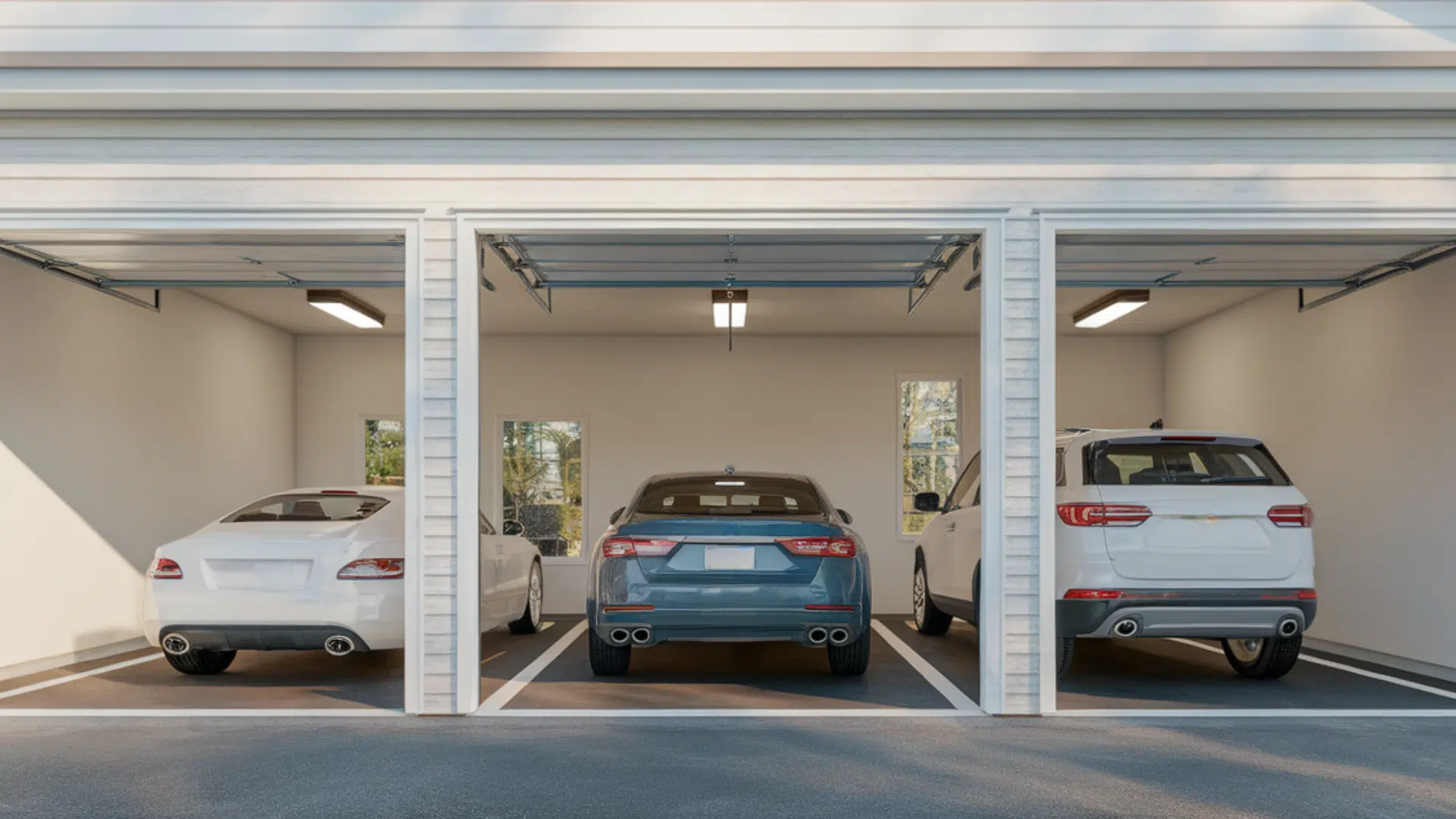
This is the most common and easiest layout to use. All three cars park next to each other, so no one blocks another vehicle.
It works well for families with daily drivers. This layout needs more width, but it offers the best door clearance and walking space. It also makes adding wall storage much easier.
2. Double Plus Single Bay Layout
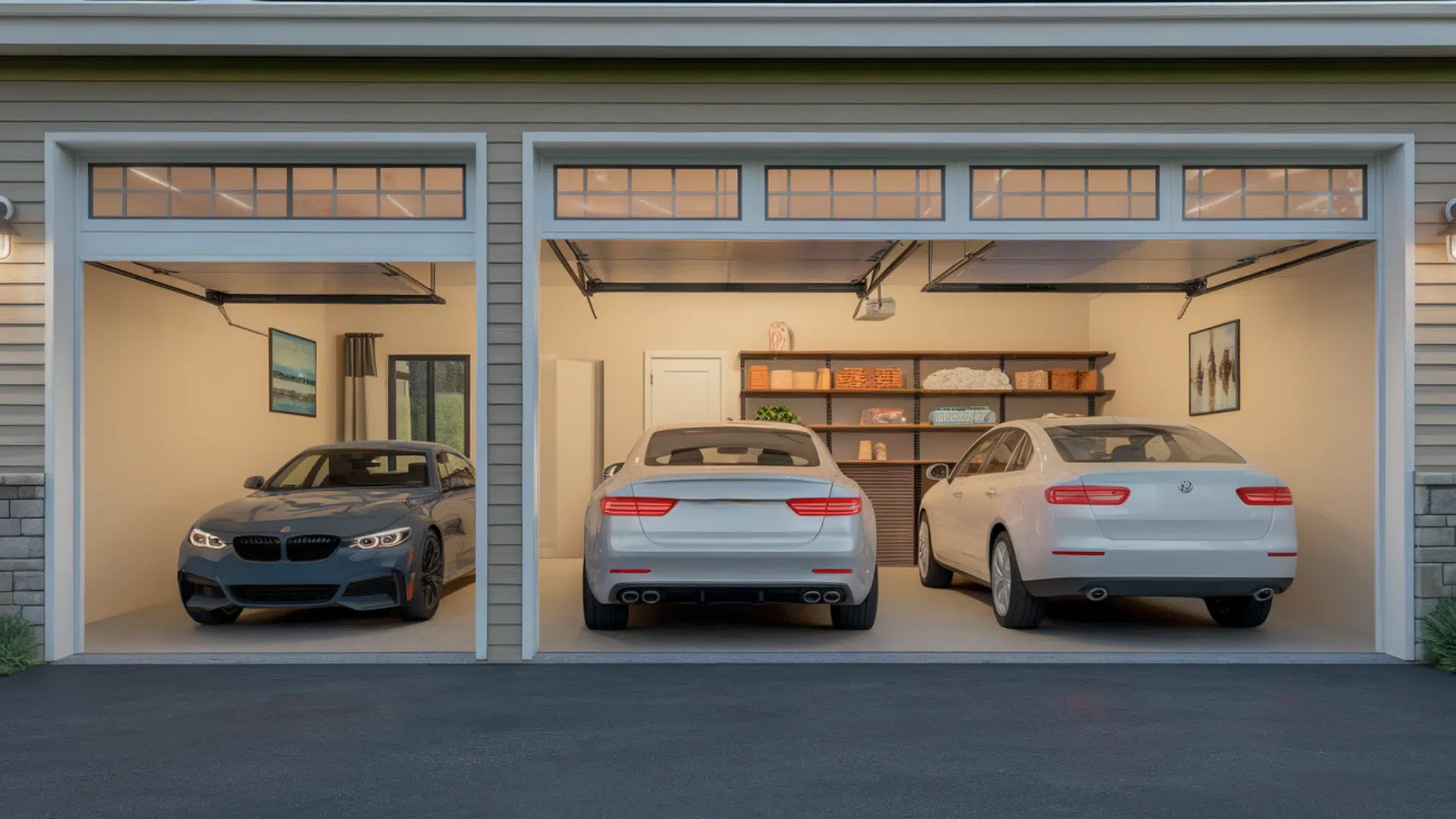
This layout uses one double door for two cars and a single door for the third. It gives the garage a clean look from the front.
Parking can feel slightly tighter on the double side, especially with SUVs. The single bay is often used for a larger vehicle or extra storage.
3. Tandem 3 Car Garage Layout
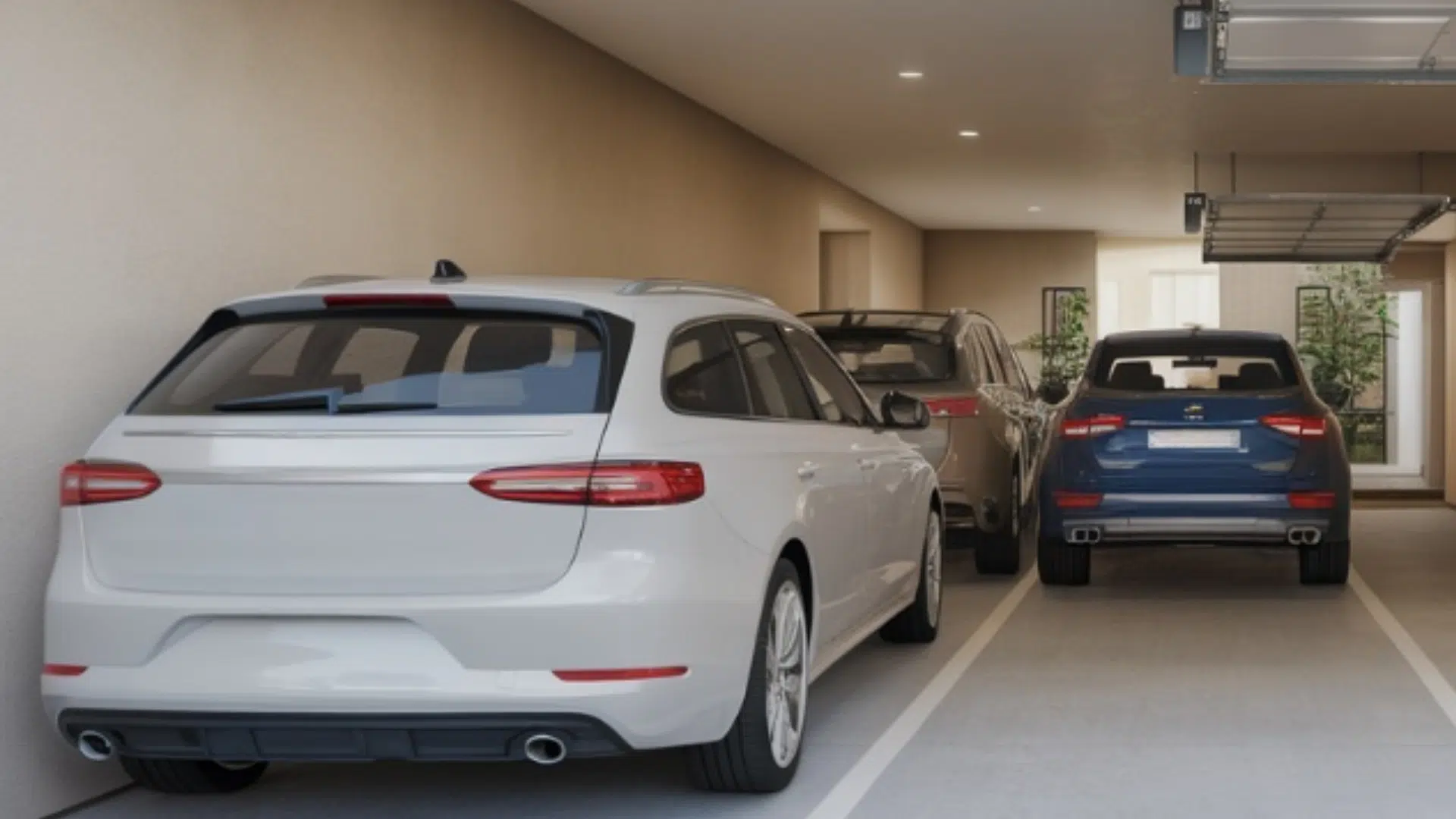
A tandem layout parks one car behind another. It saves width and works well on narrow lots. The downside is daily convenience, since the front car must move to access the back one.
This layout is best for homes where one vehicle is not used often.
4. Split Bay With Storage or Workshop
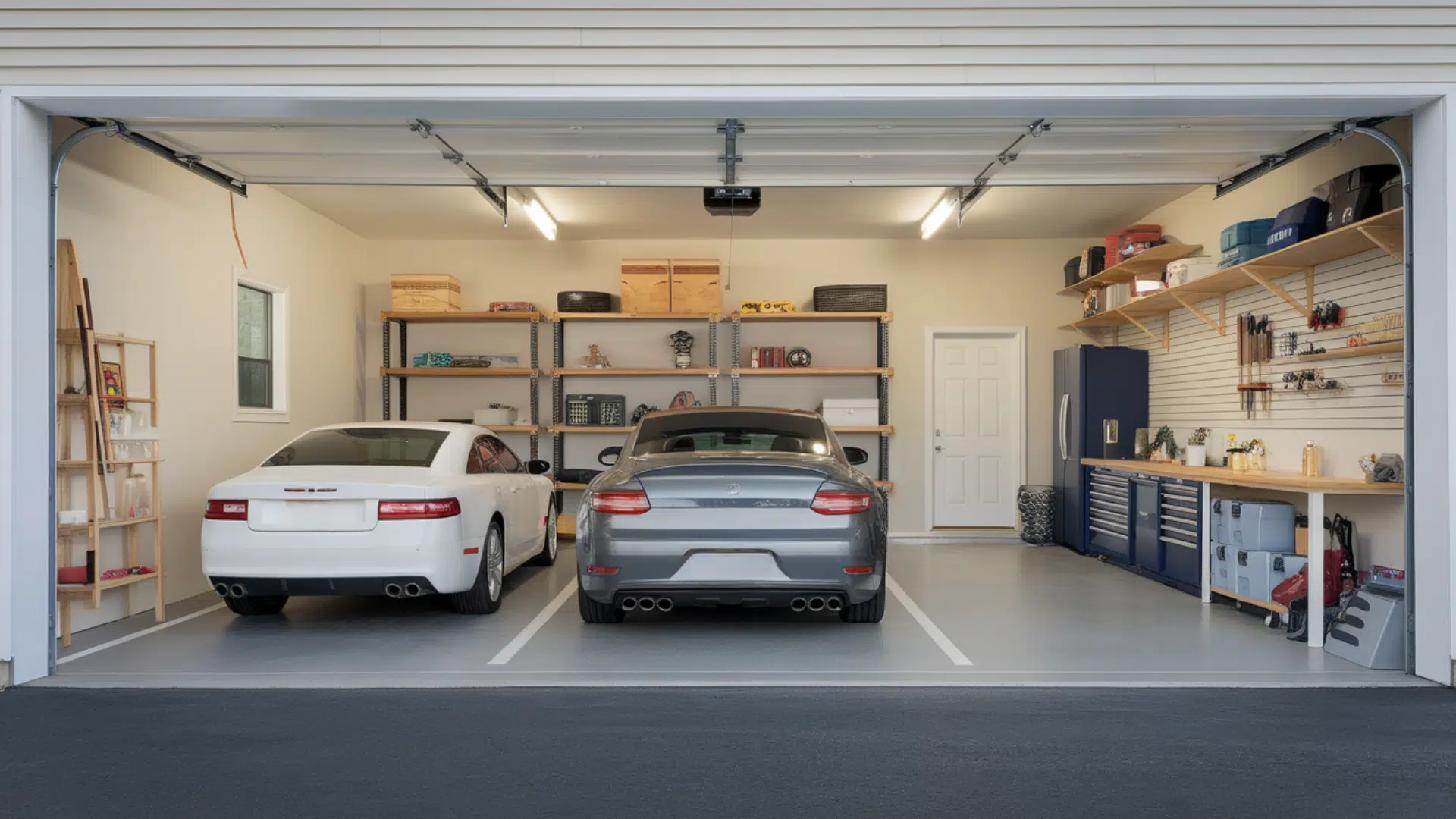
This layout keeps two bays for cars and uses the third for storage or a workspace. It is ideal for bikes, tools, or hobbies.
You still get parking for two vehicles while gaining flexible space. Many homeowners find this layout more practical than squeezing in a third daily car.
Car Garage Clearance Guide
Clearance is what turns a garage from usable to comfortable. Even if your cars fit, poor spacing can make daily parking frustrating.
You need enough space on each side of a vehicle to open doors fully. Tight clearance leads to door dings and awkward exits, especially with kids or car seats. Extra inches make a big difference here.
Walkways are just as important. Leave clear paths so you can move between cars, reach doors, and access storage without squeezing. Narrow walkways quickly feel cramped.
Plan around real obstacles like walls, steps into the house, water heaters, and support posts. These features can steal space where you need it most.
Good clearance helps everything work better. It makes parking easier, protects your vehicles, and keeps the garage useful for more than just storage.
How to Calculate the Right 3 Car Garage Size
Choosing the right size starts with real measurements, not rough guesses. A little planning now can prevent daily parking problems later.
- Measure Your Vehicles: Start by measuring the width and length of each vehicle, including mirrors. SUVs and trucks take up more space than most people expect. Also think about how wide the doors open.
- Plan Storage and Usage Needs: Decide how you will use the garage beyond parking. Bikes, shelves, freezers, and tools all take space. Ceiling storage can help, but wall and floor storage affect parking width.
- Choose a Garage Door Configuration: Door layout changes how usable the garage feels. Three single doors offer better control and spacing. A double plus single door looks clean but can feel tighter. Match door sizes to vehicle size.
- Add Buffer Space for Comfort: Once you have your basic size, add extra space where possible. A few extra feet make parking easier and protect your doors and walls. Comfort matters more than hitting the minimum size.
Common 3 Car Garage Size Examples
Seeing common size examples makes it easier to compare options and choose what fits your needs. These examples show how different dimensions work in real life.
| Garage Size (Width × Depth) | Best Use Case |
|---|---|
| 30 ft × 20 ft | Tight fit for three small cars |
| 32 ft × 22 ft | Comfortable for sedans |
| 34 ft × 24 ft | Good balance for SUVs and storage |
| 36 ft × 26 ft | Ideal for mixed vehicles and gear |
| 40 ft × 30 ft | Best for workshops and heavy storage |
These sizes are starting points, not strict rules. Choosing a slightly larger garage often improves comfort, parking ease, and long-term use.
Codes, Permits, and Lot Considerations
Garage size is not just a design choice. Local rules and lot limits can affect what you are allowed to build.
- Local building codes: Cities and counties set minimum sizes, height limits, and safety rules. These can change by location, so always check before finalizing plans.
- Setbacks and property lines: Setbacks control how close a garage can be to the edge of your lot. This often limits width or depth more than expected.
- Lot width and driveway space: A wide garage still needs enough driveway room to turn and park easily. Tight driveways can make daily use harder.
- Permit approval process: Permits may take time and require plan changes. Planning early helps avoid delays and extra costs.
Checking these details early can save money and prevent redesigns later.
Conclusion
A well-sized 3 car garage makes daily life easier, not harder.
The right width, depth, and layout help you park smoothly, open doors without stress, and still have room for storage. Going beyond the minimum size often saves frustration later.
Think about your vehicles, how you use the space, and what you may need in the future. If you are planning a new garage or updating an existing one, take time to measure and plan before deciding.
Want help choosing the right size for your vehicles and storage needs? Share your setup, and I can help you narrow it down.