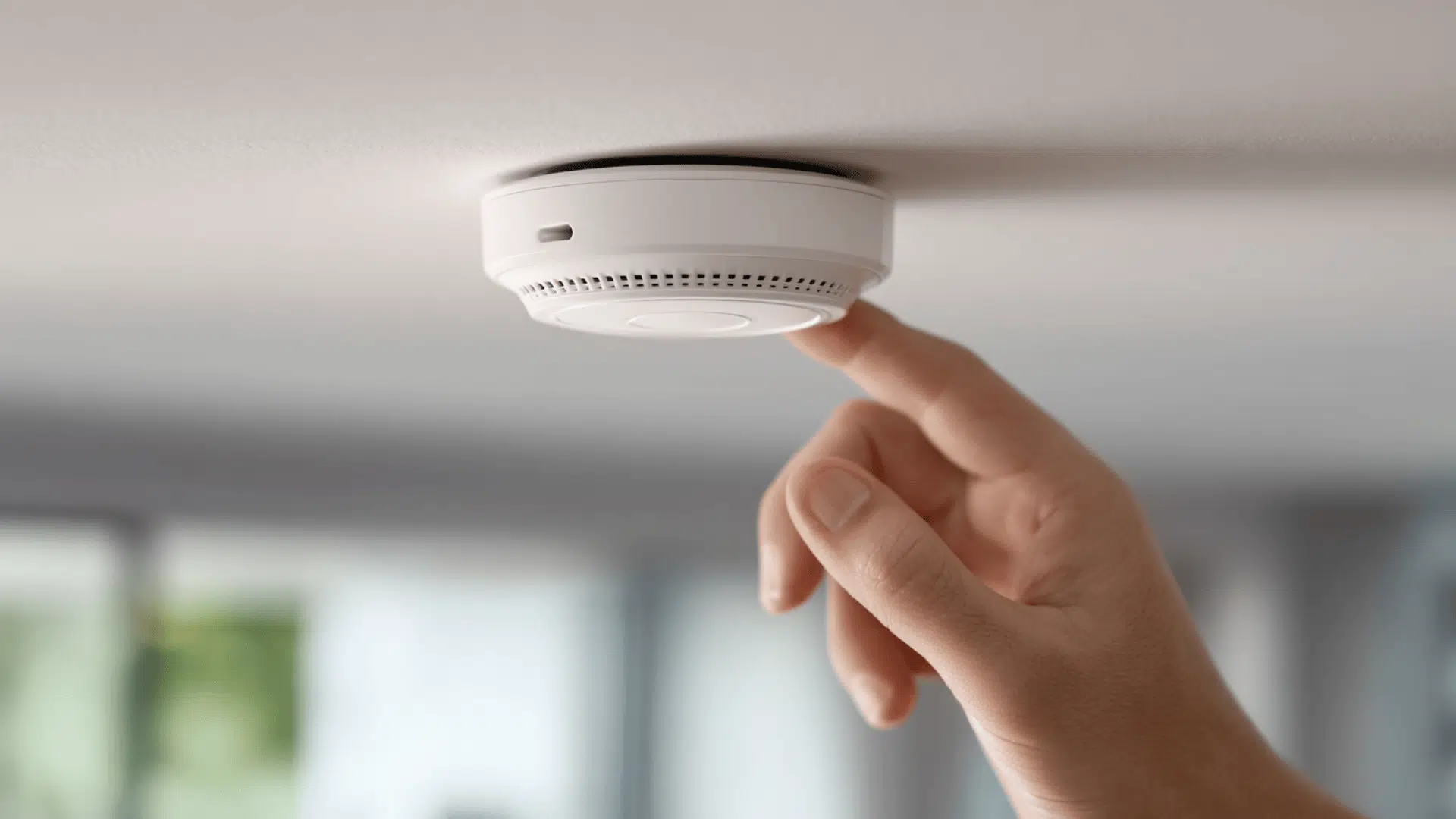
Hearing your smoke alarm go off in the middle of the night when there’s no smoke can be alarming and confusing. You might wonder if it’s broken, too sensitive, or warning you about something unseen.
The truth is, modern smoke detectors react to more than just fire. From hidden dust to electrical glitches, several small factors can make them sound off unexpectedly.
Today, I’ll walk you through the real reasons behind these false alarms, how to spot the difference between a quick chirp and a full warning, and what simple fixes can keep your system running smoothly.
Main Reasons Your Smoke Alarm Goes Off Without Smoke
Smoke alarm going off; no smoke? Even when there’s no fire? Most of the time, the cause is harmless.
1. Dust or Insects Inside the Sensor
Dust and tiny bugs can slip into the sensor chamber. They block the light beam that detects smoke, tricking the alarm into thinking there’s danger.
To fix it:
- Remove the alarm cover.
- Gently vacuum around the vents with a soft brush attachment.
- If possible, use compressed air to blow away stubborn dust.
Make sure the alarm is completely dry before turning it back on. Regular cleaning every few months helps prevent false alarms.
2. Steam or High Humidity
Steam from showers or cooking can look like smoke to your alarm’s sensors. Moisture in the air scatters light the same way smoke does, which sets off the device.
Avoid placing smoke alarms too close to kitchens, bathrooms, laundry rooms, or dishwashers.
If you must install one nearby, choose a heat alarm or move the smoke detector at least 10 feet from these areas.
3. Low or Dying Battery
When the battery starts to weaken, the alarm can chirp or beep even without smoke. Low voltage affects how the sensors work, causing false alarms.
Watch for these signs:
- Short chirps every 30–60 seconds
- Alarm sounding at night when temperatures drop
- Dim or flashing indicator light
Replace the battery once a year, or whenever you hear chirping. If it continues after a new battery, replace the unit.
4. Old or Expired Alarm
Smoke alarms have a lifespan of about 8–10 years. Over time, their sensors lose sensitivity or fail altogether.
To check the age:
- Remove the unit and look for the manufacturer’s date on the back.
- If it’s older than 10 years, replace it with a new one.
Modern alarms are more reliable and often include self-testing features that help prevent false alerts.
5. Chemical Fumes or Aerosols
Sprays, cleaning products, and paint fumes can mimic smoke particles. These chemicals can trip the alarm while you clean or paint.
Before using strong products:
- Cover or remove nearby smoke alarms temporarily.
- Ventilate the room by opening windows or using fans.
After the area clears, uncover and test your alarm to make sure it still works properly.
6. Electrical or Wiring Issues (Hardwired Alarms)
Hardwired alarms can trigger if there’s a loose connection or power fluctuation. They share a circuit with other appliances, which can cause short interruptions or surges.
Call a licensed electrician if you notice:
- Random alarms across multiple units
- Flickering indicator lights
- Alarms connected to a shared power line
Electrical issues can’t be fixed by simple cleaning or resetting.
Special Cases for Fire Alarm Going Off
Sometimes smoke alarms behave differently depending on how they’re powered or what kind of sensors they use. These situations can be confusing, but they’re usually easy to understand once you know the cause.
7. Hardwired Alarms Triggering Randomly
Hardwired alarms can go off for reasons unrelated to smoke or fire. They share a power circuit with other devices in your home, like fans or lights.
When there’s a voltage drop or a brief surge, it can trigger the alarm. Loose wiring or a weak backup battery can also cause false alerts. If multiple alarms go off together without any smoke, the issue is likely in the circuit.
Reset the alarms first, but if it keeps happening, call a licensed electrician to inspect the wiring and power supply.
8. Alarms Beeping at Night
If your smoke alarm chirps or beeps late at night, it’s usually a battery problem. Batteries weaken as temperatures drop, especially during cooler nighttime hours.
This voltage drop causes the alarm to beep to warn you that it’s time for a replacement. Swap the battery in the morning, then test the unit to make sure it’s working correctly. If the beeping continues after that, it may be time to replace the entire unit.
9. Combo Smoke and CO2 Detectors
Some alarms detect both smoke and carbon monoxide, and each trigger has its own sound pattern.
A smoke warning usually comes with a steady, loud tone, while carbon monoxide alerts are often shorter bursts or spoken warnings. Check your alarm’s label or manual to know what each pattern means.
If it keeps going off without cause, clean both sensors carefully and test them. If either sensor is more than ten years old, replace the unit for better accuracy and safety.
When to Replace or Upgrade Your Smoke Alarm
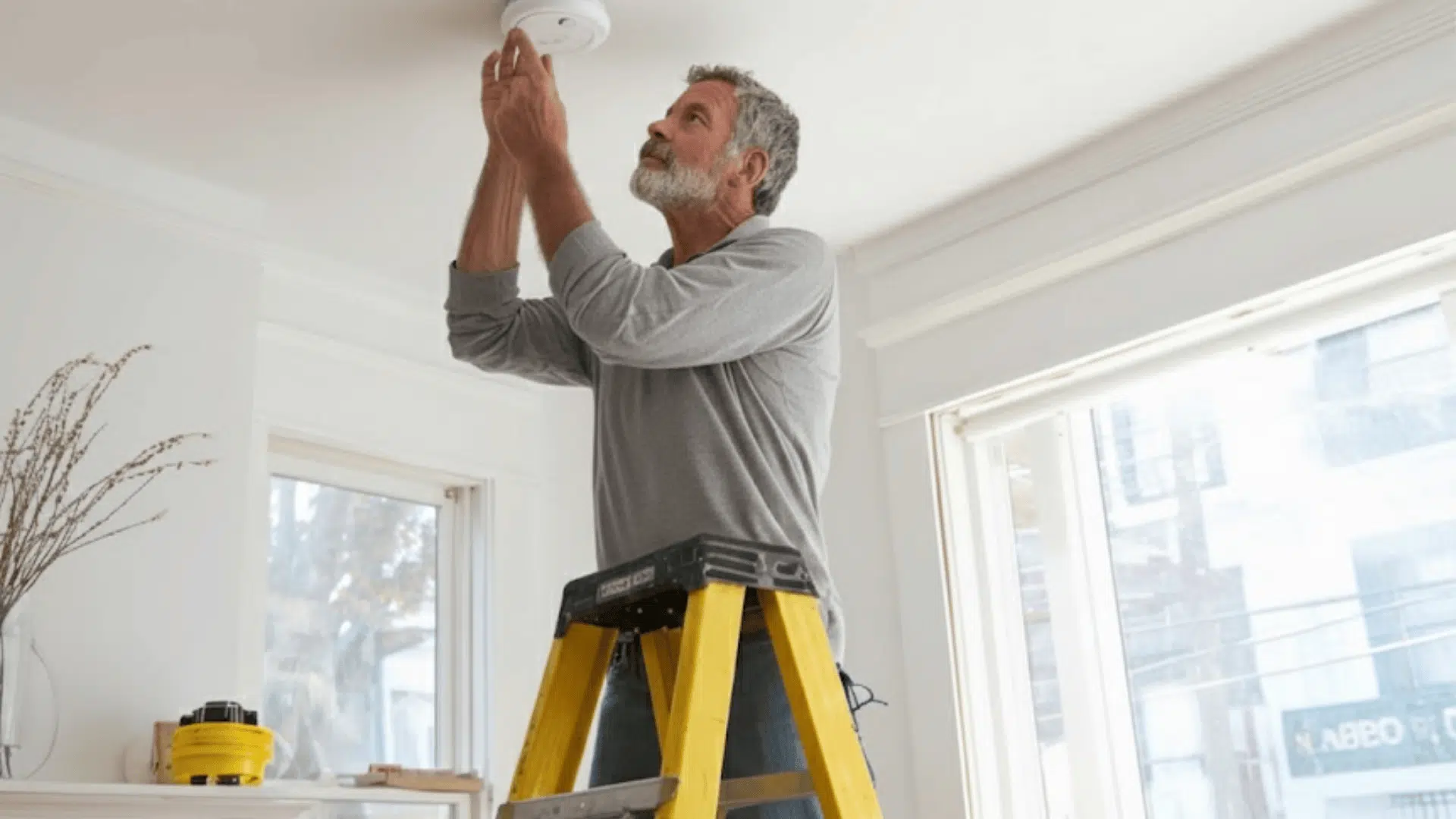
Smoke alarms don’t last forever. Their sensors weaken with age, and an old unit can either miss real smoke or go off for no reason. Replacing them on time keeps your home protected and your system dependable.
Check How Old It Is
Most smoke alarms last about ten years from the manufacturer’s date, not the purchase date.
To find out how old yours is, remove it from its base and check the back or inside the battery compartment for a date stamp. If it’s close to or past ten years, replace it.
Even if it still beeps during testing, its sensor might no longer detect smoke accurately,
Know the Signs It’s Time for a Replacement
Sometimes alarms show clear warning signs that it’s time to upgrade.
- It goes off randomly without smoke.
- The test button doesn’t work even with new batteries.
- The alarm is yellowed, cracked, or dusty inside.
- It’s older than a decade.
If you notice any of these, it’s safer to replace the unit instead of trying to fix it.
Consider Modern Alarm Features
Today’s smoke alarms do more than sound a beep. Many come with built-in technology that makes them easier to manage and more responsive in emergencies.
- Smart detection: Sends alerts to your phone through Wi-Fi or smart-home apps.
- Dual sensors: Detect both smoke and carbon monoxide in one device.
- Self-testing: Automatically checks the battery and sensors every few days.
- Interconnectivity: If one alarm goes off, every alarm in the house sounds too.
These updates give you faster alerts, fewer false alarms, and less maintenance.
Buy Trusted Brands and Look for Safety Labels
Always choose alarms that are UL-listed or ETL-certified, which means they meet national safety standards.
Reliable brands include First Alert and Kidde. Match the model to your setup, battery-powered or hardwired, and read the installation guide carefully.
After mounting, test each alarm monthly and note the next replacement date right on the unit.
Preventing False Fire Alarms
| Prevention Area | What to Do | Why It Helps |
|---|---|---|
| Regular Cleaning & Testing | Wipe the alarm with a dry cloth and vacuum around vents every few months. Test monthly using the test button. Replace batteries yearly or when chirping. | Removes dust and insects that trigger false alarms and ensures sensors and power work properly. |
| Proper Placement | Install alarms at least 10 ft from cooking areas, 3–5 ft from bathrooms or laundry rooms, and away from vents, windows, and fans. Mount one inside every bedroom and on each level of your home. | Keeps alarms away from steam, heat, and airflow that can cause false triggers, ensuring they detect real smoke faster. |
| Upgrading to Smart Alarms | Choose models like Kidde Smart Smoke Alarm, or First Alert Onelink with self-testing and mobile alerts. | Advanced sensors tell smoke from steam or dust, reducing false alarms and improving convenience. |
Regular care, smart placement, and modern technology make your smoke alarms more dependable and far less likely to go off without reason.
Wrapping Up
When a smoke alarm goes off without smoke, it’s often your home’s way of asking for attention.
Most false alarms come down to small issues, like dust buildup, poor placement, or an aging sensor, but staying proactive makes all the difference.
Schedule regular cleaning, test each unit monthly, and replace outdated alarms to keep your system reliable.
Smart detectors are also worth considering for easier monitoring and fewer false alerts. Taking a few minutes to maintain your alarms today can save precious seconds in a real emergency.
Check your smoke alarms this week and replace any that are over ten years old to keep your home safe and sound.