You’ve planned your renovation, received a quote and worked out how much you can afford to spend. Everything looks manageable until the work begins. Suddenly, there’s an unexpected plumbing issue, the materials cost more than anticipated, and a few small changes are pushing your budget beyond its original limit.
It’s a familiar situation for homeowners. Renovations involve plenty of moving parts, and even a seemingly straightforward project can uncover problems that weren’t obvious during the planning stage.
Understanding where additional expenses come from can help you prepare. Whether you’re updating a bathroom or researching Minneapolis Home Remodeling services for a larger project, knowing what commonly causes budget overruns can make the entire process less stressful.
Hidden Problems Behind Walls and Floors
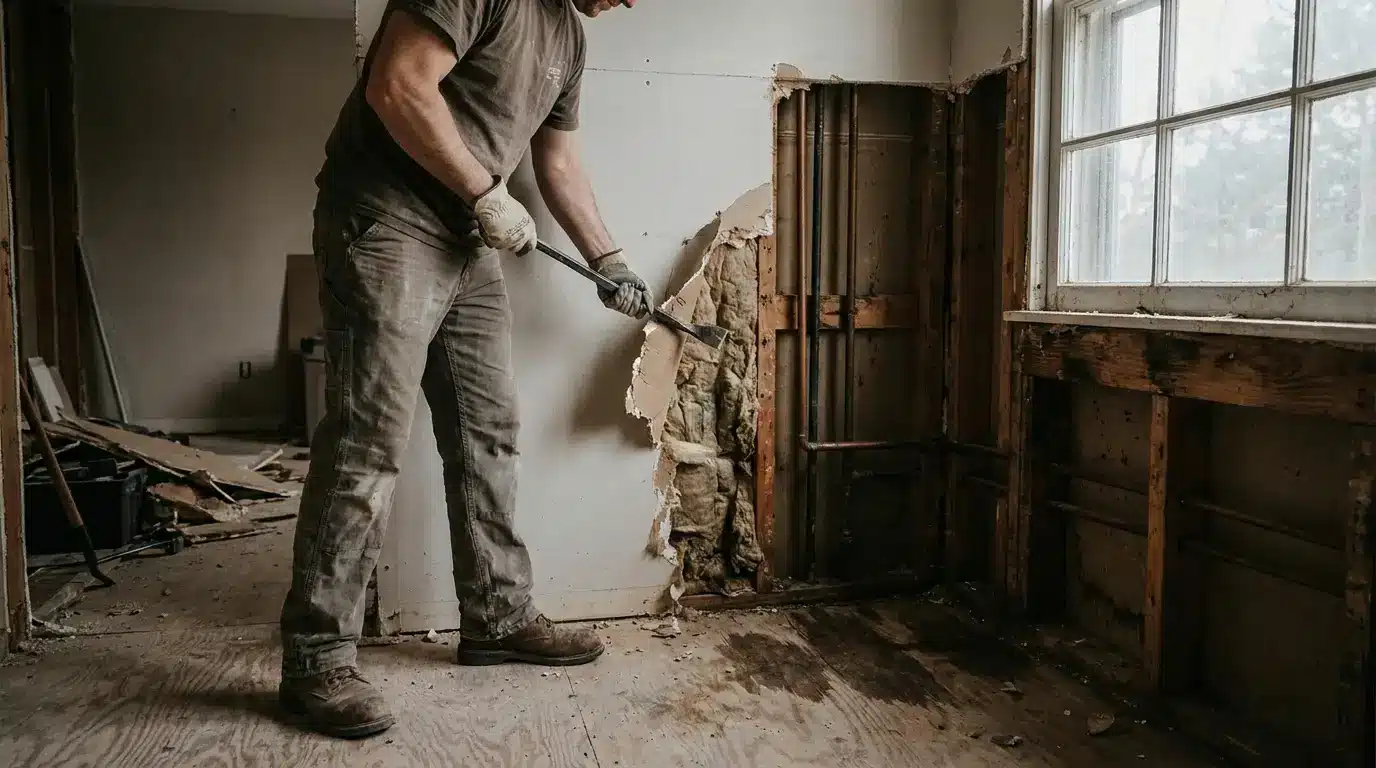
One of the biggest challenges with renovating an existing home is not knowing exactly what’s underneath its surfaces.
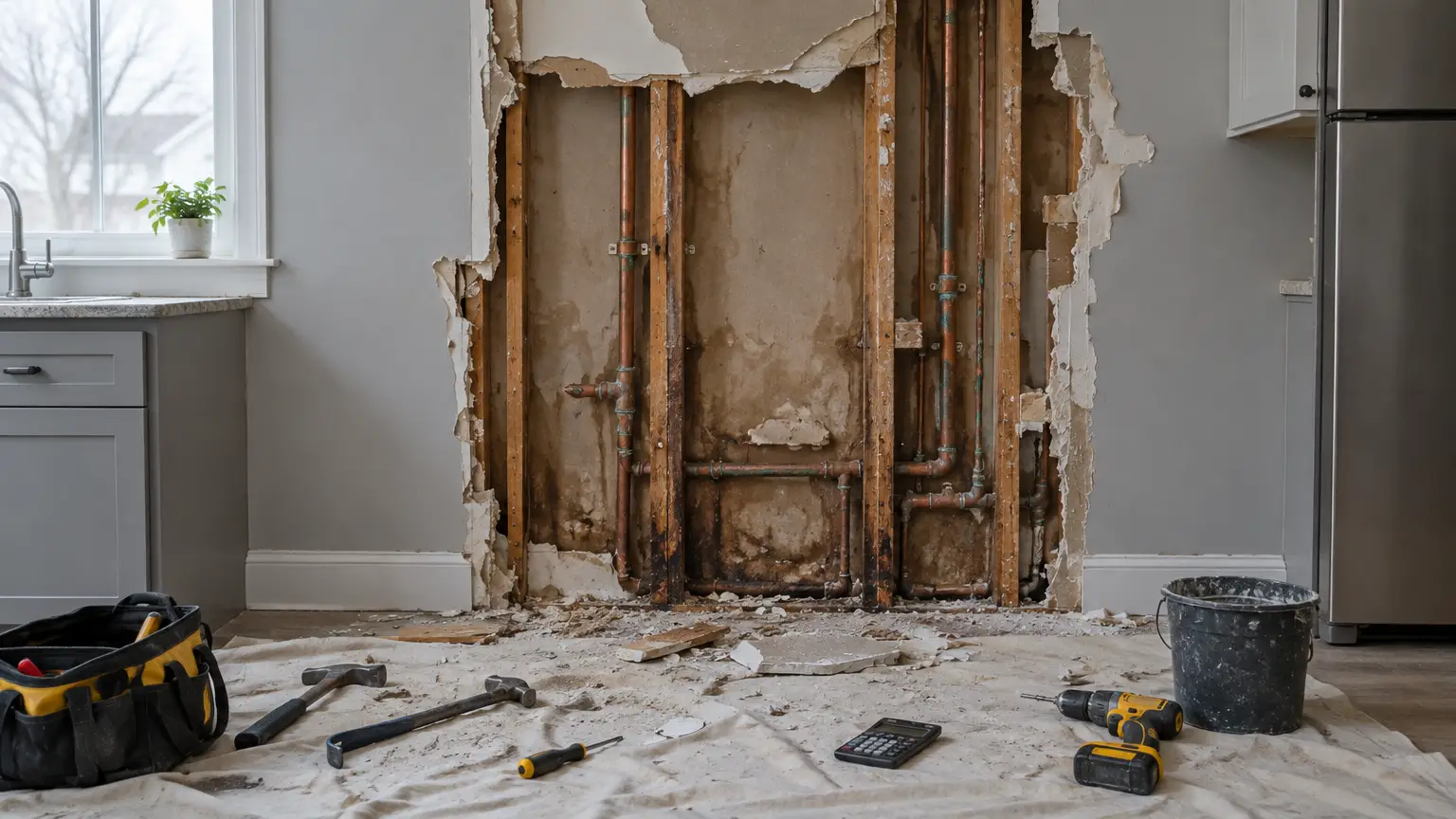
Removing old cabinets, flooring or plasterboard might reveal water damage, deteriorating pipes or outdated electrical wiring. These problems often need attention before the planned improvements can continue.
You can’t predict every hidden issue, but you can reduce surprises by arranging appropriate inspections before work begins.
It’s also sensible to keep part of your budget untouched for unexpected repairs rather than allocating every dollar to visible improvements.
Changing Your Mind Once Work Begins
A small design change might seem harmless, but making decisions halfway through a renovation can become expensive.
Imagine deciding to move your kitchen sink after the plumbing has already been installed. That adjustment could involve additional labour, materials and changes to the project schedule.
The same applies to changing tiles, relocating electrical outlets or choosing different cabinetry after orders have been placed.
Before construction starts, finalise your layout, materials and major design decisions. It’s much easier to make adjustments on paper than after installation.
Choosing Materials Without Considering the Full Cost
It’s easy to fall in love with a particular countertop, flooring style or bathroom fixture without considering everything involved in installing it.
Some materials require specialist labour, additional preparation or more expensive supporting products.
For example, choosing large-format tiles might affect installation costs if the surfaces need extensive levelling.
When comparing options, ask for the total installed price rather than focusing solely on the purchase cost.
Underestimating the Smaller Expenses
Major purchases usually receive the most attention, but smaller renovation costs can accumulate quickly.
Waste removal, permit fees, delivery charges and temporary accommodation arrangements are sometimes overlooked during early budgeting.
Even everyday expenses can increase if your kitchen becomes unusable and you’re regularly buying takeaway meals.
Create a detailed budget that includes these less obvious costs. Ask contractors what’s included in their quotes and which expenses you’ll need to cover separately.
Not Allowing Enough Room for Unexpected Costs
A renovation budget shouldn’t be based entirely on the best-case scenario.
As a general planning guideline, homeowners often set aside an additional 10–20% for contingencies, although older properties or complex projects may require more.
For a $30,000 renovation, a 15% contingency would mean keeping another $4,500 available.
That doesn’t mean you’ll necessarily spend it. The purpose is to avoid financial pressure if something unexpected happens.
Plan Carefully, but Stay Flexible
Renovation costs aren’t always predictable, but many budget problems can be reduced through careful preparation.
Get detailed written quotes, make important decisions early and understand what your project includes before construction begins.
Most importantly, leave yourself some financial breathing room. A realistic budget won’t eliminate every surprise, but it can help you handle unexpected expenses without sacrificing the improvements that matter most.