If you spend a lot of time in your garage — whether working on cars, doing home projects, running a home gym, or just hanging out — you already know how uncomfortable it can get. Summers turn the space into an oven. Winters make it feel like a freezer. A basic box fan or space heater just doesn’t cut it.
That is where a mini split system comes in. It is one of the best investments you can make for your garage, and more homeowners are making the switch every year. In this article, we will walk you through everything you need to know — how mini splits work, why they are perfect for garages, what installation looks like, and how to find the right garage mini split installation company for your needs.
What Is a Mini Split System?
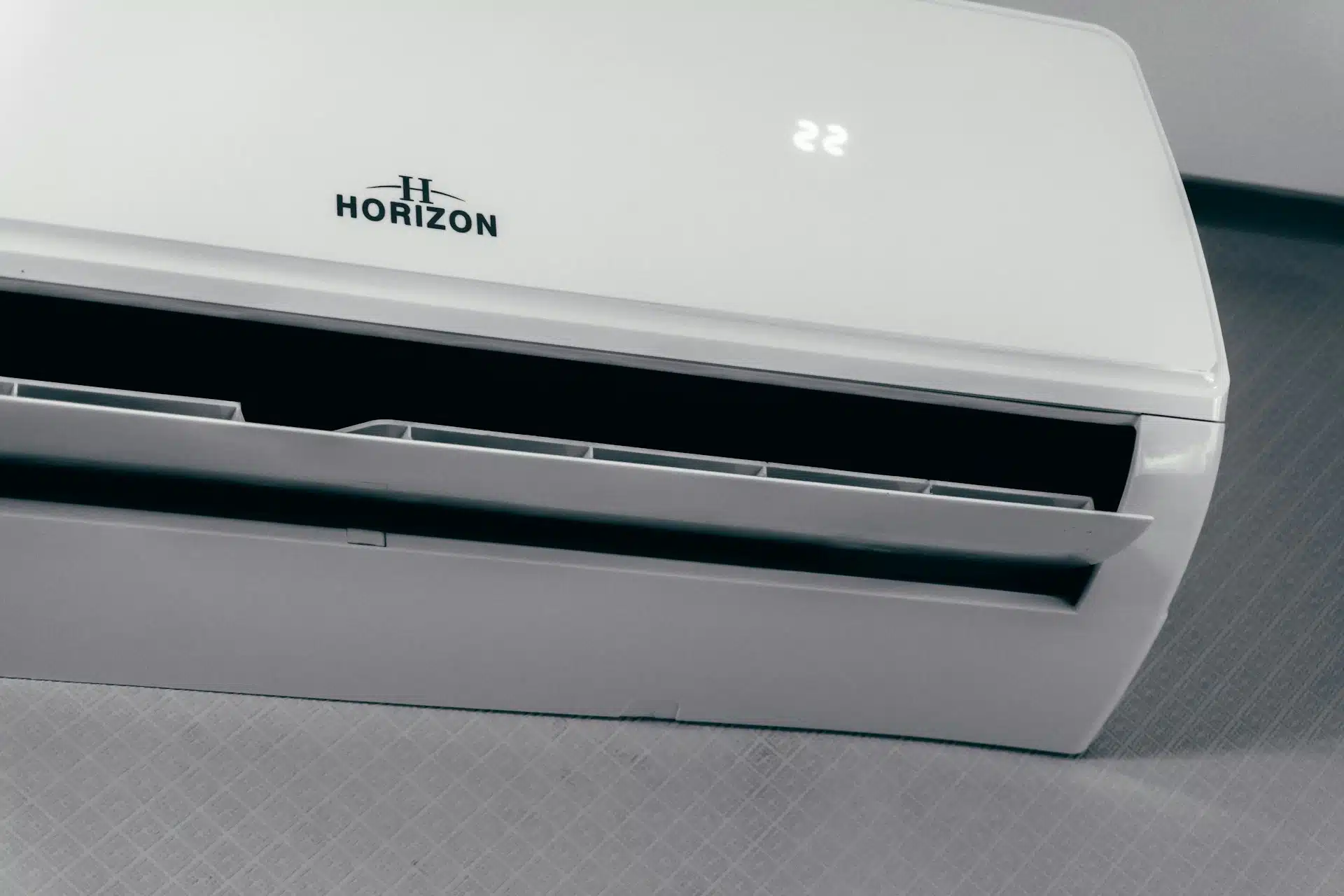
A mini split — also called a ductless mini split — is a heating and cooling system that does not require air ducts. It has two main parts: an indoor air-handling unit and an outdoor compressor. These two units are connected through a small hole in the wall, running refrigerant lines and electrical wiring between them.
Unlike central air conditioning systems that cool your whole house through a network of ducts, a mini split cools or heats just the space where it is installed. This makes it perfect for garages, workshops, additions, and other spaces that are not connected to your home’s main HVAC system.
Mini splits are available in single-zone and multi-zone configurations. A single-zone system handles one room or space, while a multi-zone system can connect multiple indoor units to one outdoor compressor — ideal if you want to control temperature in more than one area.
Why Garages Need Their Own Heating and Cooling
Most garages are not built with climate control in mind. They have thin walls, minimal insulation, large garage doors that let in hot or cold air, and no connection to the home’s existing HVAC system. This creates extreme temperature conditions that make the space unusable for long stretches of the year.
Here is the reality: if your garage regularly hits 90°F in summer or drops to 20°F in winter, you are not just uncomfortable — you are putting your tools, vehicles, and projects at risk too. Extreme heat can damage electronics, paint finishes, and rubber seals. Extreme cold can cause fluids to freeze and metal to contract, leading to cracks and damage over time.
A dedicated heating and cooling system solves all of this. And among all the options available — window units, portable ACs, electric heaters — a mini split system is widely considered the gold standard for garages.
Top Reasons a Mini Split Is Perfect for Your Garage
Energy Efficiency: Mini splits use inverter technology, which means they adjust their speed based on how much heating or cooling is needed. Instead of turning on and off at full power like traditional systems, they run continuously at a lower level — using only the energy required at any given moment. This can save you a significant amount on your energy bills compared to window units or electric heaters.
Year-Round Comfort: A mini split is both a heater and an air conditioner in one unit. Most models include a heat pump function, which pulls heat from the outside air and brings it indoors even in cold temperatures. This means you get cooling in summer and heating in winter without needing two separate systems.
No Ductwork Required: Running ducts into a detached or unfinished garage is expensive and disruptive. Mini splits bypass this problem entirely. The only penetration needed is a small three-inch hole in the wall for the refrigerant lines. This makes installation much cleaner, faster, and more affordable.
Quiet Operation: Mini splits are remarkably quiet. The noisy compressor sits outside, while the indoor unit hums softly. This is great for workshops and home gyms where noise is a concern.
Easy Temperature Control: Most mini splits come with a remote control and are compatible with smart home systems. You can set schedules, adjust temperatures remotely from your phone, and even check energy usage — all very convenient features.
Long Lifespan: With proper maintenance, a mini split system can last 15 to 20 years. That is a long return on your investment, especially compared to window ACs and portable heaters that typically last only 5 to 10 years.
What Does Garage Mini Split Installation Look Like?
Installing a mini split in a garage is a straightforward process when handled by a qualified professional. Here is a general overview of what to expect:
First, a technician will assess your garage to determine the right size (measured in BTUs) for your space. A system that is too small will struggle to maintain temperature, while one that is too large will cycle on and off too frequently and waste energy. The right size depends on your garage’s square footage, insulation level, ceiling height, and local climate.
Next, the indoor unit is mounted on the wall at a height that allows for good airflow distribution across the space. The outdoor compressor is placed on a flat surface or mounted on a wall bracket outside, in a location with good ventilation and easy access for future maintenance.
A small hole is drilled through the wall to run the refrigerant lines, electrical wiring, and condensate drain line between the two units. The system is then connected to your electrical panel, the refrigerant is charged, and the unit is tested to make sure everything is running correctly.
A professional installation typically takes between four to eight hours depending on the complexity of the job. It is not a DIY project — improper installation can void your warranty, damage the system, and in some cases create safety hazards.
How to Choose the Right Size Mini Split for Your Garage
Getting the sizing right is one of the most important parts of the process. Here are some general guidelines based on garage size:
A small one-car garage (around 200 to 300 square feet) typically needs a 9,000 to 12,000 BTU system. A standard two-car garage (400 to 600 square feet) usually requires a 12,000 to 18,000 BTU unit. A larger two-car or three-car garage (600 to 1,000 square feet) may need an 18,000 to 24,000 BTU system or a multi-zone setup.
Keep in mind that poor insulation, high ceilings, or extreme local temperatures may require you to go with a larger system than the square footage alone would suggest. A professional from a reputable garage mini split installation company will be able to calculate the exact load requirements for your specific garage.
Why Choose TLS Energy Savers for Your Garage Mini Split Installation?
When it comes to garage mini split installation, not all companies are created equal. You want a team that is experienced, licensed, and genuinely invested in helping you get the most out of your system. That is exactly what TLS Energy Savers brings to the table.
TLS Energy Savers is a trusted name in residential HVAC installation, with a strong track record of helping homeowners create comfortable, energy-efficient spaces. Whether you have a small one-car garage or a large workshop, their team has the expertise to recommend the right system, size it correctly, and install it professionally from start to finish.
What sets TLS Energy Savers apart is their focus on long-term energy savings, not just quick installations. They take the time to understand how you use your garage space, what your temperature comfort goals are, and what your budget looks like — then they match you with the best mini split solution for your situation.
Their technicians are fully licensed and trained to handle all major mini split brands. They follow proper installation protocols to ensure your warranty stays intact and your system runs at peak performance. And because they specialize in energy-efficient HVAC solutions, they can also advise you on any available rebates or incentives that might help offset the cost of your new system.
If you are searching for a reliable garage mini split installation company, TLS Energy Savers is a name worth knowing. Their commitment to quality, customer service, and energy efficiency makes them a top choice for homeowners who want a job done right.
How Much Does Garage Mini Split Installation Cost?
The total cost of a garage mini split installation depends on several factors, including the size of the system, the brand, the complexity of the installation, and your location. On average, homeowners can expect to pay between $1,500 and $4,500 for a complete single-zone system including equipment and installation.
While this may seem like a significant upfront investment, it is important to think about the long-term picture. Mini splits are highly efficient, which means lower monthly energy bills. Many utility companies also offer rebates for installing energy-efficient systems, which can reduce your out-of-pocket cost considerably. Some federal tax credits may also apply depending on the model and your location.
Over the lifespan of the system, the savings on energy bills often more than make up for the initial investment — especially if you are replacing an inefficient window unit or electric space heater that was costing you significantly more to run.
Tips for Getting the Most Out of Your Garage Mini Split
Once your mini split is installed, a little maintenance goes a long way. Clean the indoor unit’s air filter every one to three months — a clogged filter reduces efficiency and puts extra stress on the system. Keep the outdoor unit clear of debris, leaves, and snow. Have a professional service the system annually to check refrigerant levels, clean coils, and inspect electrical connections.
If your garage is poorly insulated, consider improving insulation before or alongside your mini split installation. Better insulation means your system does not have to work as hard, which saves energy and extends the life of the equipment. Adding weatherstripping to your garage door is also a simple and inexpensive improvement that makes a noticeable difference.
Use the programmable features on your mini split to your advantage. Set the system to pre-cool or pre-heat the garage before you plan to use it, so it is already at a comfortable temperature when you arrive. This is easy to do with most modern mini split apps.
Final Thoughts
A mini split system is simply the best heating and cooling solution available for most garages. It is efficient, reliable, versatile, and easy to control. Whether you use your garage as a workshop, home gym, hobby space, or simply want to protect your vehicles and belongings from extreme temperatures, a mini split delivers comfort year-round without the complexity or cost of extending your home’s existing ductwork.
The key to getting the best results is working with the right garage mini split installation company — one that sizes the system correctly, installs it properly, and stands behind their work. TLS Energy Savers checks all of those boxes, making them an excellent choice for homeowners who want a comfortable, energy-efficient garage without any of the guesswork.
If you are ready to transform your garage into a space you can actually enjoy all year long, reach out to a qualified mini split installation professional today. Your future self — sweating through August or shivering through January — will thank you.