Types of Entry Door Mechanisms
The way your modern entry door operates affects space planning, security, ventilation, and daily use. Each mechanism relies on specific hardware, structural support, and clearance requirements that you need to consider before installation.
Pivot Entry Doors
Pivot entry doors rotate on a pivot hinge mounted at the top and bottom of the door, rather than on side-mounted hinges. The pivot point often sits a short distance in from the door edge, which shifts the weight load directly into the floor and head frame.
You can specify large and heavy door leaves with this system, including solid timber, steel, or oversized glazed panels. The hardware supports significant weight, which makes pivot doors suitable for wide or tall architectural entrances.
Because the door swings on a central axis, you need clear space on both sides. Weather sealing and threshold detailing require careful design to prevent drafts and water ingress.
You should also check floor structure and slab strength. The bottom pivot transfers load to the floor, so proper reinforcement ensures long-term performance and alignment.
French Doors
French doors consist of two hinged door panels that meet in the centre and open either inward or outward. Each leaf typically includes large glazed sections, which allow natural light into your entry.
One door usually acts as the active leaf with the main handle and lockset. The second leaf often secures with flush bolts at the top and bottom, which anchor into the head and sill.
You can choose from timber, aluminium, uPVC, or steel frames depending on climate and maintenance preferences. Double glazing and multi-point locking systems improve insulation and security.
French doors require swing clearance, so you must allow adequate space inside or outside. They suit wider openings and create a balanced, symmetrical façade.
Double Entry Doors
Double entry doors use two full-sized hinged panels that open from the centre, but unlike traditional French doors, they may include solid or partially glazed designs. This configuration creates a broad and formal entrance.
You can operate one leaf daily while keeping the other secured with surface bolts or concealed flush bolts. When both panels open, you gain a wider clear opening for moving large items.
Hardware options include:
- Single or dual locksets
- Multi-point locking mechanisms
- Pull handles with separate deadbolts
Because both leaves carry weight on side hinges, the frame must remain square and properly reinforced. You should also consider wind exposure, as wide outward-opening panels can catch strong gusts.
Sliding Doors
Sliding entry doors move horizontally along a track rather than swinging open. Rollers mounted at the base or top support the panel and allow it to glide past a fixed panel or wall section.
This mechanism saves floor space because you do not need swing clearance. It suits compact entry areas or designs that connect directly to outdoor spaces.
Most sliding entry systems use aluminium or steel frames to support large glass panels. You can select single, double, or triple-track systems depending on the width required.
Security relies on interlocks, keyed locks, and sometimes multi-point systems. Proper track alignment and regular maintenance keep the rollers operating smoothly and reduce wear.
Lift And Slide Doors
Lift and slide doors operate on a specialised mechanism that raises the door panel slightly off its seals when you turn the handle. This lifting action reduces friction and allows the panel to slide with less effort.
When you close the door and return the handle to its resting position, the panel lowers back onto compression seals. This creates a tighter seal against wind and rain compared to standard sliding systems.
You can specify large-format glazing with this system, including heavy double or triple-glazed panels. The hardware supports substantial weight, which suits expansive entry openings.
Because the system relies on precise engineering, you must ensure accurate installation. Proper threshold detailing also improves drainage and weather resistance.
Smart Slide Doors
Smart slide doors combine the appearance of a sliding system with enhanced sealing and locking performance. The mechanism pulls the panel tightly into the frame when you close it, rather than relying only on sliding contact.
A specially designed locking system engages at multiple points along the frame. This increases security and improves airtightness compared to basic sliding doors.
You operate the door with a simple handle movement, which first releases the seals and then allows the panel to slide. When closed, the mechanism draws the panel firmly into position.
This system suits modern homes where you want large glazed entry doors without sacrificing thermal performance. Accurate installation and quality hardware ensure smooth operation and long-term reliability.
Contemporary and Speciality Entry Door Options
Contemporary entry doors focus on clean lines, durable materials, and practical performance. You can choose from aluminium, glass, and uPVC designs that balance modern aesthetics with security, insulation, and long-term durability.
Aluminium Entry Doors
Aluminium entry doors suit modern and contemporary homes that feature sharp lines and minimal detailing. You often see them in matte black, charcoal, or custom powder-coated finishes that complement rendered façades and large windows.
Aluminium resists rust, warping, and termite damage. This makes it suitable for coastal areas, where salt air can quickly degrade other materials.
Key benefits include:
- High strength-to-weight ratio
- Slim frames for larger glass panels
- Low maintenance requirements
- Powder-coated finishes for corrosion resistance
Many aluminium doors include thermal breaks to improve insulation. Without this feature, aluminium can transfer heat, so check the door’s energy performance rating before you buy.
You can also combine aluminium frames with glazed panels or solid inserts to control privacy and light. Multi-point locking systems and reinforced cores improve security without compromising the streamlined look.
Glass Panel Entry Doors
Glass panel entry doors allow natural light into your entryway while maintaining a modern appearance. You can choose full-height glazing, vertical side panels, or smaller feature inserts depending on your privacy needs.
If energy efficiency matters, select double-glazed or low‑emissivity (Low‑E) glass. These options reduce heat gain in summer and heat loss in winter, which supports compliance with NCC energy requirements.
You should also consider frame material carefully. Aluminium, timber, and composite frames each affect insulation, maintenance, and appearance.
UPVC Entry Doors
uPVC entry doors provide strong thermal insulation and low maintenance. The material does not rot, rust, or require painting, which reduces long-term upkeep.
Most uPVC doors use multi-chambered internal profiles. These chambers trap air and improve thermal performance, helping you manage indoor temperatures more effectively.
Key features often include:
- Multi-point locking systems
- Reinforced steel cores
- Weather seals to reduce drafts
- Double-glazed inserts
uPVC suits suburban homes and renovation projects where energy efficiency and cost control are priorities. While colour options are more limited than powder-coated aluminium, many suppliers offer wood-look finishes.
Repairing Broken Glass Doors
Broken glass in an entry door compromises both security and safety. You should address cracks, chips, or shattered panels immediately. Professional glaziers like Kandus Glass can handle the job quickly and efficiently.
For minor damage such as small chips in laminated glass, a professional may repair the affected section. In most cases, you will need to replace the entire glazed panel to meet safety standards.
Follow these practical steps:
- Secure the area and remove loose shards carefully.
- Cover the opening with a temporary board if needed.
- Contact a licensed glazier experienced with entry doors.
You must replace the glass with compliant safety glazing that matches the original thickness and performance rating. If the break resulted from forced entry, inspect the frame and locking system at the same time.
Upgrading to laminated or double glazing during replacement can improve both security and insulation.
Energy Efficiency
When you choose an entry door, you affect both your home’s comfort and its safety. The right combination of insulation and locking systems helps you reduce energy loss while strengthening protection.
Energy-efficient doors limit heat transfer and air leakage. Look for features such as:
- Insulated cores (polyurethane or polystyrene)
- Fibreglass or insulated steel construction
- Weather seals and tight-fitting frames
- Double or triple glazing with low-emissivity (Low-E) coatings
Insulated steel and fibreglass doors typically outperform solid timber in thermal efficiency. Proper installation also matters, as gaps around the frame can reduce performance.
Security Features
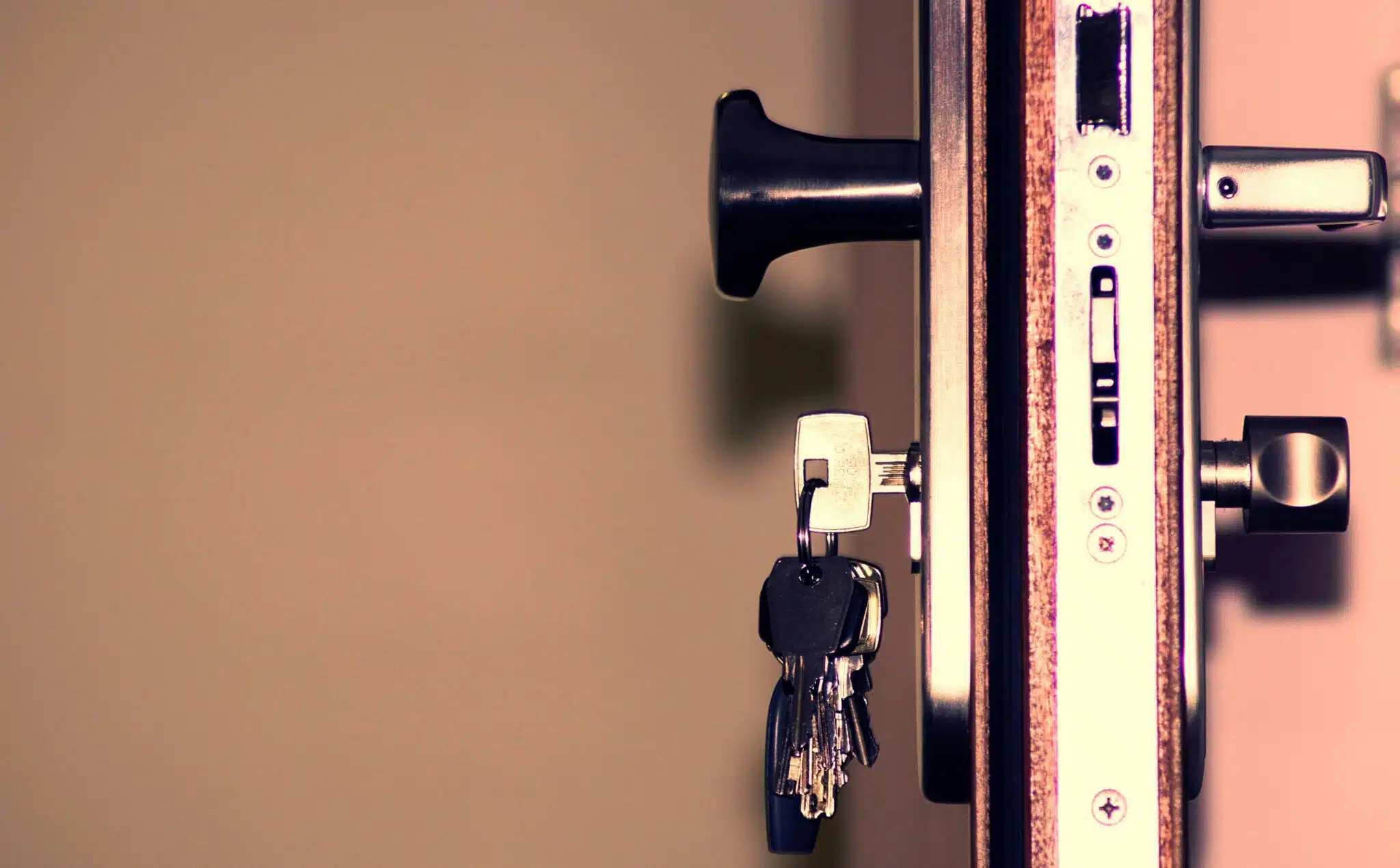
Security features deserve equal attention. Many modern entry doors include multi-point locking systems, reinforced strike plates, and heavy-duty hinges to resist forced entry.
If you prefer glazed panels, choose toughened or laminated safety glass for added strength. Some designs also include slide-in closing panels or advanced locking cylinders for extra protection.