A third-party warehouse helps businesses store products and ship orders without running their own warehouse.
This setup is common for e-commerce and growing businesses that want to focus on sales, marketing, and customer experience.
In this guide, I’ll break down what a third-party warehouse is, how it works, and what services it usually includes. You’ll also learn the main benefits, possible downsides, and when using a 3PL makes sense.
If you’re thinking about outsourcing storage and fulfillment, this overview will help you understand what to expect and how to decide if it’s the right move for your business.
Third-Party Warehouse Meaning Explained
A third-party warehouse is a storage facility run by a separate company that handles inventory and order shipping for businesses.
Instead of owning or managing a warehouse, brands send their products to this provider. The warehouse stores the items, tracks inventory, and ships orders when customers buy.
This setup is often part of third-party logistics, also known as 3PL. It helps businesses save time, reduce work, and scale faster without dealing with daily warehouse tasks.
What a Third-Party Warehouse Does
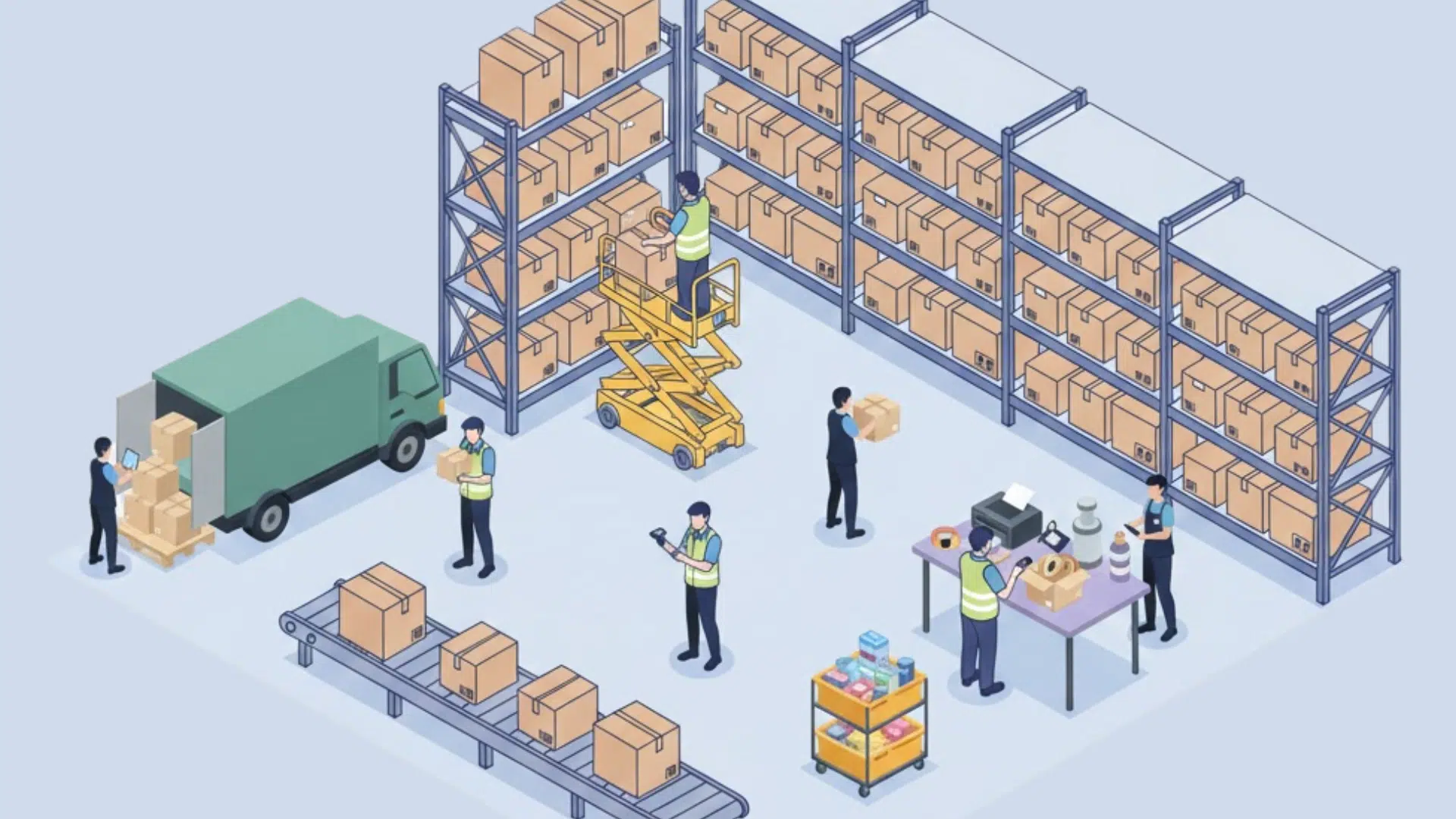
It takes care of tasks that most growing businesses don’t want to manage on their own.
- Receives products from manufacturers or suppliers
- Stores inventory in organized warehouse locations
- Tracks stock levels to avoid overselling
- Picks and packs orders when customers buy
- Ships orders using different carriers
- Processes returns and restocks items when possible
By handling these steps, a third-party warehouse helps businesses save time and focus on selling, customer service, and growth instead of warehouse work.
How a Third-Party Warehouse Works Day to Day
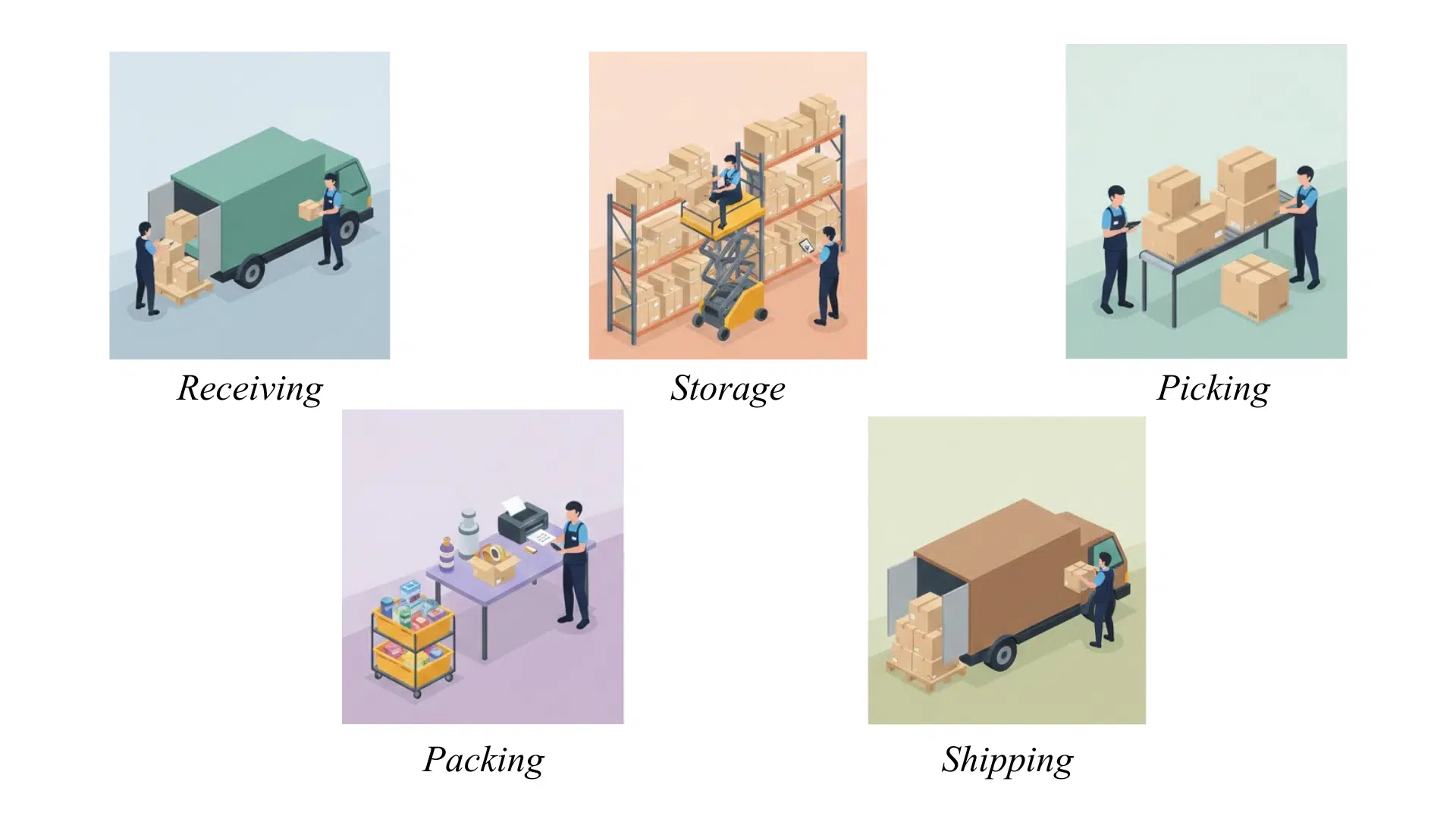
A third-party warehouse follows the clear process mentioned in the above section, and each step works together to keep orders accurate and customers happy.
1. Receiving Inventory
The process starts when products arrive from your supplier. Warehouse teams unload shipments, count items, and check for damage. Each product is scanned into the system to confirm quantities. Once approved, items move forward for storage.
2. Storage and Putaway
Products are placed in assigned locations inside the warehouse. Each location is tracked in the system so items are easy to find later. Organized storage helps speed up order picking. It also reduces lost or misplaced inventory. This setup keeps daily operations smooth as order volume grows.
3. Inventory Control and Cycle Counts
Inventory levels are checked regularly through small cycle counts. This helps catch errors before they grow into big problems. Accurate inventory prevents overselling and delays. It also supports better restocking decisions. Regular checks help maintain trust in stock numbers.
4. Order Picking and Packing
When an order comes in, workers pick the correct items from storage. Products are packed using your set rules, like box size or inserts. Orders are checked to reduce mistakes. This step plays a big role in customer satisfaction. Careful packing helps avoid returns and complaints.
5. Shipping and Delivery
Packed orders are labeled and sorted by shipping carrier. The warehouse chooses shipping methods based on speed and cost. Tracking details are shared once orders ship. Most warehouses follow daily cutoff times to stay on schedule. On-time shipping helps meet customer delivery expectations.
6. Returns and Reverse Logistics
Returned items are sent back to the warehouse for inspection. Staff check if items can be restocked or need to be marked as damaged. Inventory records are updated right away. This keeps stock clean and accurate over time. A clear returns process helps reduce losses and confusion.
Technology Used in Third-Party Warehousing
Technology plays a big role in how third-party warehouses stay fast and organized. The right systems help reduce errors, improve tracking, and keep orders moving on time.
| Technology | What It Does | Why It Matters |
|---|---|---|
| Warehouse Management System (WMS) | Tracks inventory locations, orders, and warehouse tasks | Keeps stock accurate and easy to find |
| Order Management System (OMS) | Sends orders from your store to the warehouse | Speeds up order processing |
| Barcode Scanning | Scans products during receiving, picking, and packing | Reduces picking and shipping errors |
| Inventory Tracking Software | Shows real-time or near real-time stock levels | Helps avoid overselling and stockouts |
| Ecommerce Integrations | Connects platforms like Shopify or Amazon | Automates order and tracking updates |
| Shipping Software | Compares carriers and prints labels | Helps control shipping costs and delivery speed |
| Reporting Dashboards | Shows performance metrics and order data | Helps you track accuracy and warehouse performance |
These tools work together to create a smooth fulfillment process. Good technology makes third party warehousing more reliable, scalable, and easier to manage as your business grows.
Third Party Warehouse Pricing and Costs
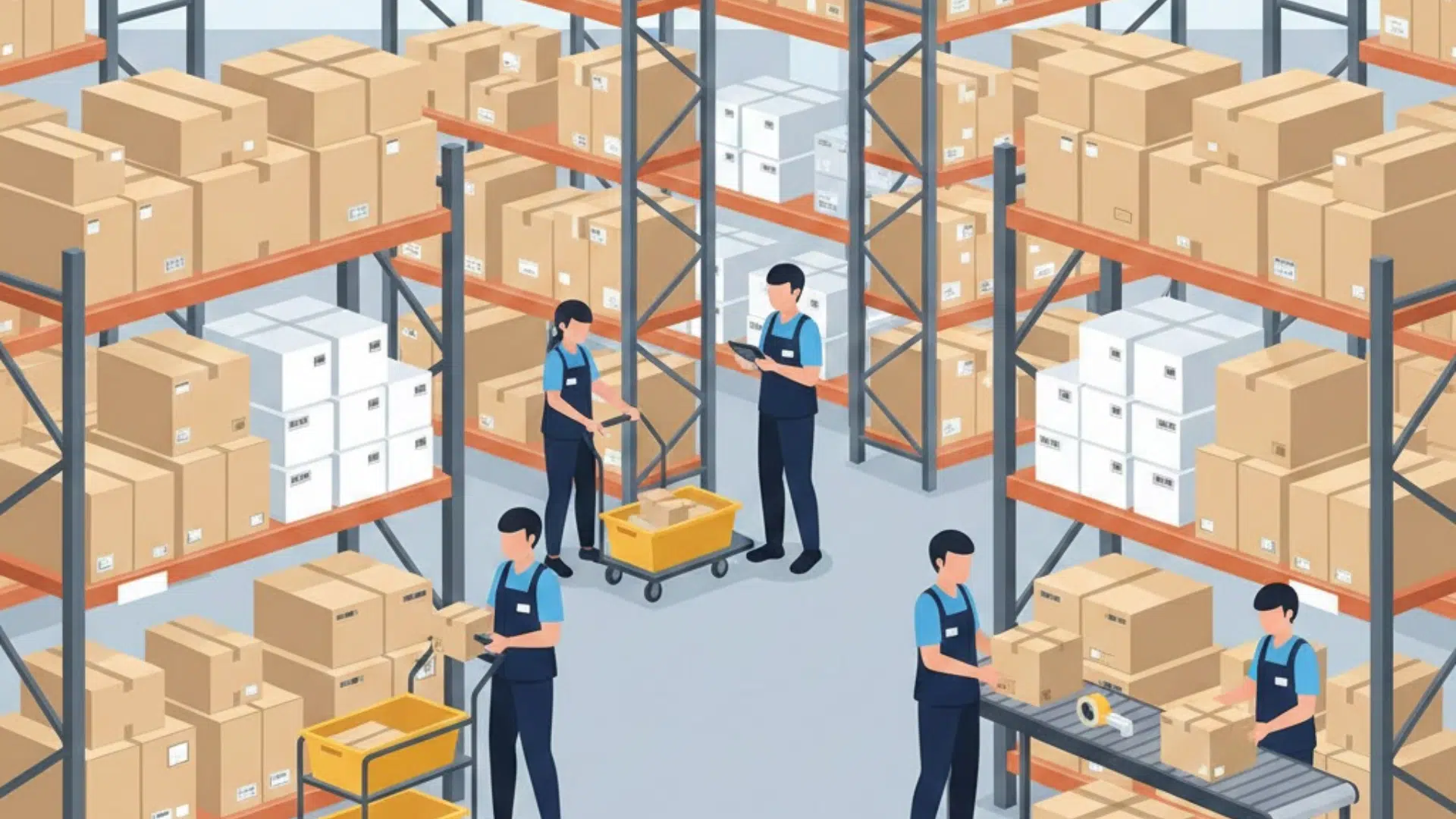
Third party warehouse pricing is usually based on the services you use and how much space your products take up.
Most providers charge setup or onboarding fees when you start. You’ll also pay receiving fees when inventory arrives and storage fees based on pallets, bins, or cubic space.
For each order, there are pick and pack fees that cover labor and packing work. Many warehouses also charge for packing materials, returns processing, and shipping label handling.
Some 3PLs require monthly minimums, so it’s important to understand the full cost before signing a contract.
How to Choose & Onboard the Right Third-Party Warehouse
Choosing the right third-party warehouse is about more than price. The right partner should match your order volume, product type, and growth plans.
- Check experience and fit: Make sure the warehouse has worked with similar products and order sizes before. This helps avoid handling and packing issues.
- Review location and shipping reach: A warehouse closer to your customers can lower shipping time and costs. Ask how many zones they can ship to quickly.
- Understand pricing clearly: Ask for a full list of fees, including storage, picking, packing, and minimum charges. Clear pricing helps avoid surprises later.
- Ask about technology: Confirm they support your e-commerce platform and provide inventory and order tracking. Good systems reduce errors.
- Plan the onboarding steps: Share clean SKU data, barcodes, and packing rules early. Test a few orders before going fully live.
Taking time to choose and onboard carefully leads to smoother operations, fewer mistakes, and a better experience for both you and your customers.
Conclusion
Using a third-party warehouse can make a big difference for growing businesses. It helps you store products, ship orders faster, and reduce the daily work that comes with running your own warehouse.
When set up the right way, a 3PL partner can improve order accuracy and support steady growth.
Still, it’s important to understand how pricing works, what services are included, and how onboarding is handled. Taking time to choose the right warehouse saves stress later.
If you’re feeling stretched with fulfillment or planning to scale, now is a good time to check out third-party warehousing and see if it fits your business goals.