Designing a tiny home can feel exciting and slightly daunting at the same time. When every square metre counts, the small details matter just as much as the larger layout decisions. The good news is that tiny homes can be incredibly charming, efficient, and stylish when thoughtful design takes the lead.
Defining How the Home Should Work
Before choosing furniture or colours, it helps to be clear about how the space needs to function. Tiny homes often need to combine living, dining, working, sleeping, and storage in a footprint smaller than a traditional living room. Thinking about daily routines, hobbies, and priorities can shape the layout more effectively than copying someone else’s tiny home aesthetic.
For example, someone who cooks frequently may benefit from extra kitchen counter space, while someone who works from home might prioritise a compact desk over a full dining area. This early clarity guides every design choice that follows and prevents the space from feeling cramped or cluttered.
Choosing the Right Floor Plan
The layout is the backbone of a successful tiny home. Open-plan designs work brilliantly in smaller spaces because they reduce visual barriers and allow natural light to flow freely. Positioning windows opposite one another enhances cross-ventilation, making the home feel fresher and more expansive.
Multi-level layouts can introduce separation without dividing walls. A raised sleeping loft, for instance, adds privacy while freeing up the ground floor for cooking, lounging, or storage. Flooring choices can subtly zone different areas too; a cosy rug in a lounge nook or a warm engineered wood beneath a dining area helps create miniature “rooms” without any structural changes.
Storage That Works Harder
Storage is the secret weapon of tiny home design. Furniture that performs double duty makes a noticeable difference; think benches with hidden compartments, wall-mounted fold-down desks, or a sofa that offers built-in drawers beneath it.
Vertical space is especially valuable. Installing shelving up to ceiling height or choosing tall, slim units keeps the footprint minimal while providing ample storage. Hooks, rails, and hanging baskets can also help organise everyday essentials without consuming floor space. Even staircases can be designed as storage zones, using each step as a drawer or cupboard.
Choosing Colours & Materials for an Airy Feel

Credit: Luxury Flooring
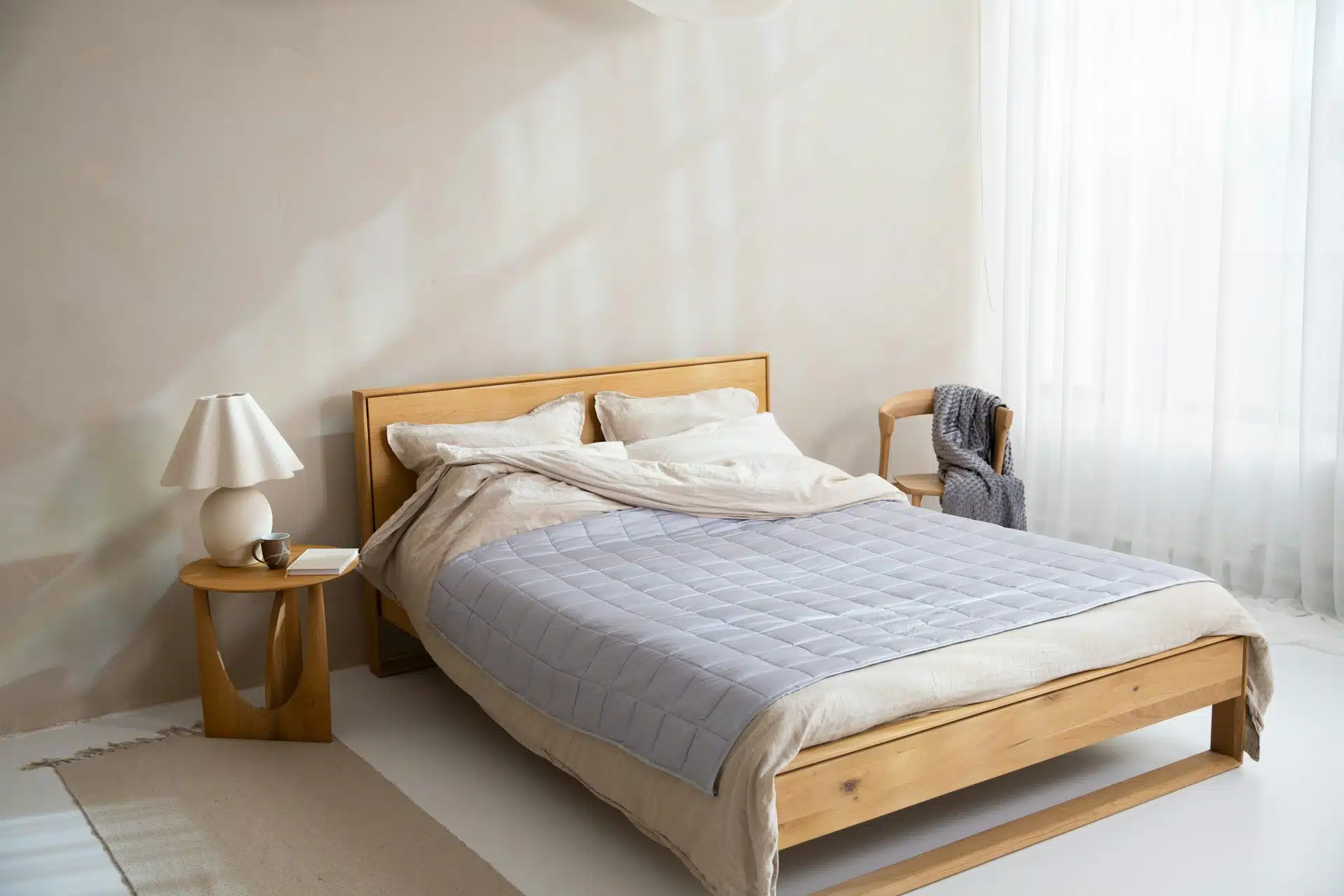
A carefully chosen colour palette helps tiny homes feel bigger and brighter. Light, neutral tones, such as soft greys, warm whites, muted sage, and pale beige, reflect natural light and visually open up the space. Using a consistent palette throughout avoids visual clutter and ties the rooms together.
Textures add warmth without overwhelming the senses. Linen cushions, woven baskets, soft throws, and matte paint finishes create comfort while keeping the design grounded. Subtle contrasts work well too: a slighter darker flooring against lighter walls introduces depth without making the space feel smaller. In fact, herringbone flooring is a great way to make a small space feel bigger.
Scaled, Flexible, and Thoughtfully Curated Furniture
In a tiny home, furniture should be proportionate and purposeful. Oversized sofas or bulky dining sets can dominate the room, while slimline alternatives maintain comfort and flow. Modular seating is excellent for compact living because it can be rearranged for different purposes: lounging, entertaining, or working.
Folding and nesting furniture offers additional flexibility. A dining table that folds against the wall or nesting side tables that slide neatly underneath each other keep valuable floor space clear. Choosing items with visible legs, rather than solid bases, also helps maintain an airy, open feel.
Light, Reflection, and the Illusion of Space
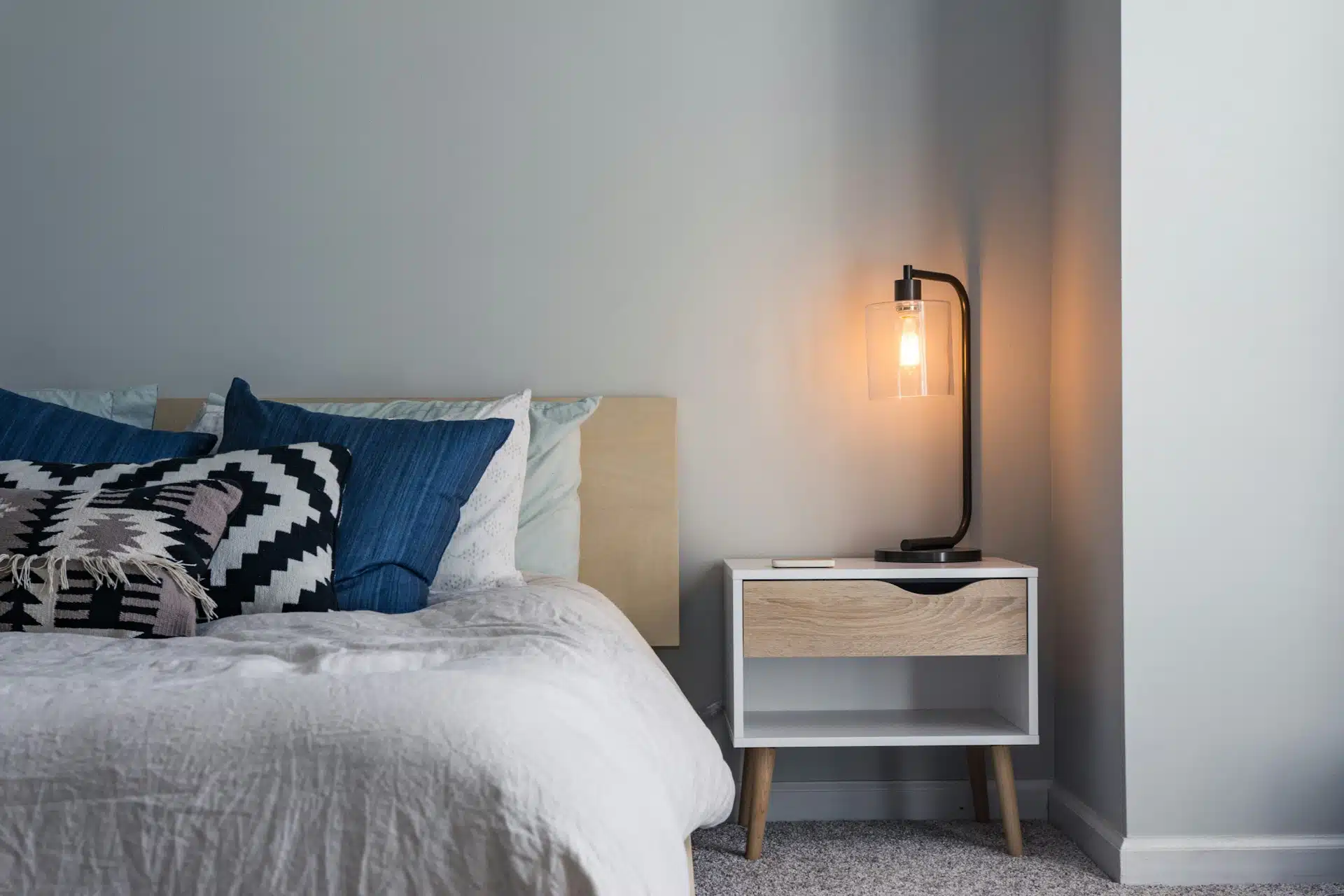
Lighting plays a big role in tiny home design. Multiple light sources, such as wall lamps, under-cabinet LEDs, ceiling fixtures, and soft table lamps, create layers of ambience and reduce harsh shadows. This makes the home feel more comfortable and visually dynamic.
Mirrors are another powerful tool. When placed thoughtfully, they can bounce natural light around the space, which gives the impression of a larger room. A mirror opposite a window or behind a small dining table can make even the most compact area feel expansive.
Making the Tiny Home Feel Bigger with the Outdoors
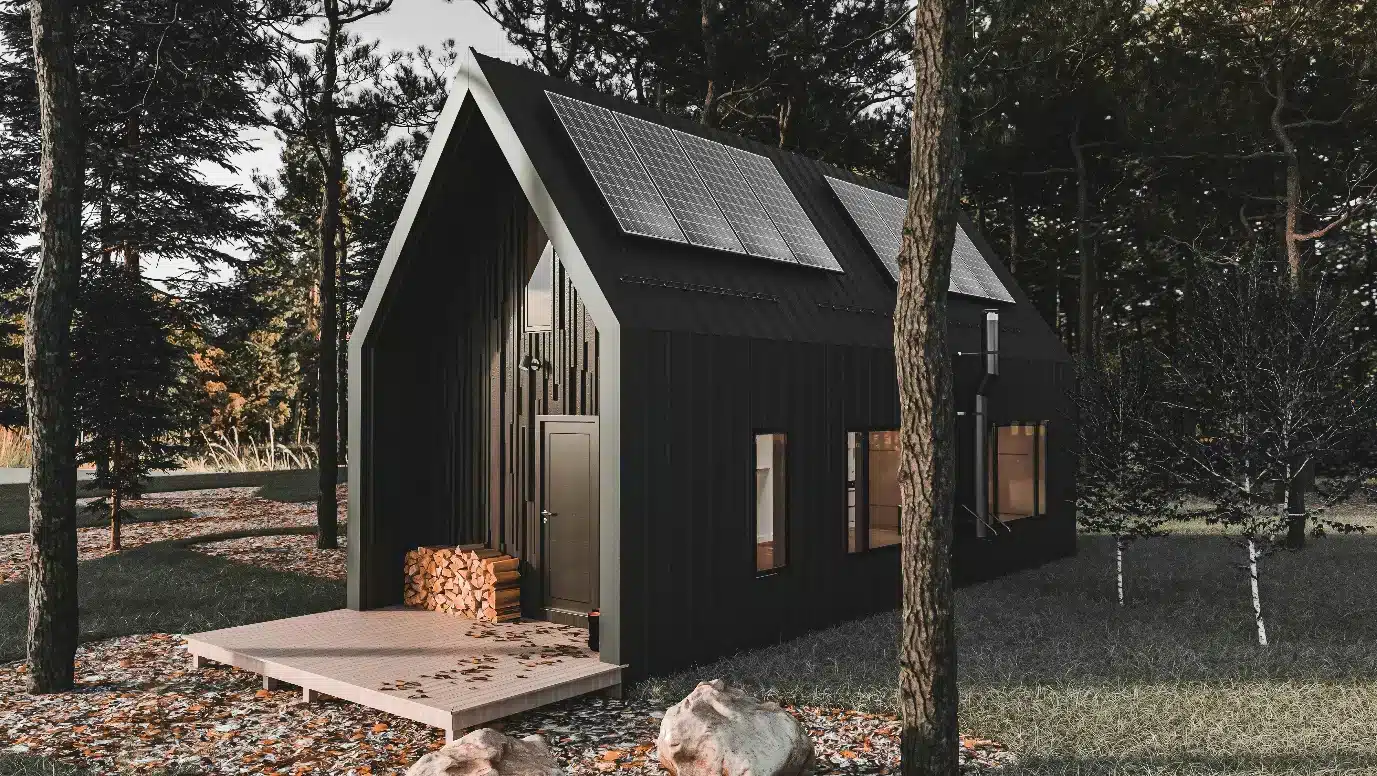
Connecting the interior to the outdoors transforms the overall experience of tiny living. A small deck or patio acts as an extra “room”, which is perfect for morning coffee, evening relaxation, and hosting friends. Sliding or French doors blur the boundary between inside and outside, allowing daylight to flow in, making the home feel more spacious.
Even without a veranda, simple touches like planters outside windows or a small seating spot near the entrance can extend the sense of space.
Is Designing a Tiny Home Worth the Effort?

Credit: Unsplash
A tiny home demands thoughtfulness, but the rewards are significant. Done well, it can feel surprisingly luxurious, efficient, and restful. The size encourages mindful choices, surrounding residents only with what contributes comfort, function, or joy. With smart planning, even the smallest space can become a beautifully practical home.
Tiny living isn’t about sacrificing comfort; it’s about designing every element with intention. For those seeking simplicity, efficiency, and a space that truly works hard, a tiny home offers boundless potential.