Homes start to feel different once daily life changes pace. Schedules overlap, time indoors increases, and activities that once happened elsewhere begin taking place at home. Spaces that worked fine before may start feeling crowded, inconvenient, or simply mismatched with how the household now operates. Such changes often show up in small moments, such as difficulty finding quiet, running out of storage, or needing separation between activities that now happen at the same time.
Rather than thinking in terms of renovations or upgrades, many homeowners focus on function first. They look at how space is used hour by hour and which areas feel strained. Rooms that once served a single purpose begin to take on new roles.
Basement Living Space
Unfinished basements often become the first space homeowners reconsider once routines expand at home. When living rooms and kitchens carry work, relaxation, and family time all at once, the need for additional usable space becomes clear. Basements offer separation without changing the footprint of the home, which makes them appealing once daily activity increases.
For example, some homeowners turn basements into secondary living areas that handle evening downtime or weekend use. In this way, a basement might become a quiet work zone during the day and a media space at night. Since basements involve planning around lighting and layout, many homeowners choose to work with a basement finishing company to ensure the space feels permanent and reliable rather than improvised. Finishing a basement requires careful coordination of insulation, moisture management, lighting design, ceiling height, heating and cooling, and layout decisions, which is why expertise matters.
Kitchen Use Shifts
Kitchens tend to absorb more daily activity once people spend more time at home. Meal preparation becomes more frequent, and kitchens often double as casual dining or gathering spaces throughout the day. Layouts designed for quick use can start feeling inefficient once multiple people use the space at the same time.
Some homeowners may adjust counter space to support daily meals rather than occasional use. So, storage may be reorganized so frequently used items stay within easy reach, reducing congestion during busy hours.
Dining Room Reassignment
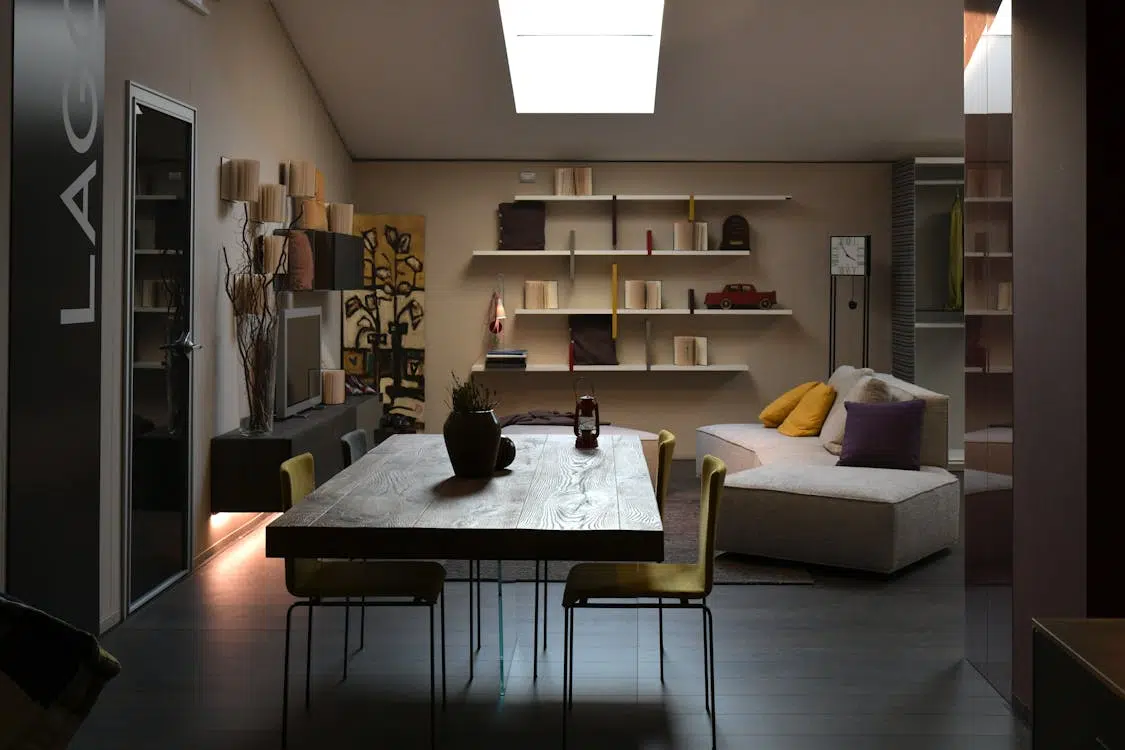
Dining rooms often lose their original role once formal meals become less frequent. When daily needs change, these rooms may sit unused while other areas feel overstretched. Reassigning the dining room allows square footage to support current routines rather than waiting for special occasions.
At times, a dining room might become a home office or study area that stays active throughout the week. Given this, adding appropriate lighting and storage can help the space support focused work or creative tasks. This reassignment helps the home adapt without expanding or remodeling major areas.
Entryway Function
Entryways take on greater importance as routines grow more complex. Bags, shoes, devices, and daily essentials pass through this space constantly. When entryways lack organization, clutter spreads quickly into nearby rooms and disrupts daily flow.
As such, homeowners may add built-in storage or seating to manage daily transitions more smoothly. For instance, a dedicated surface for keys and mail can reduce clutter elsewhere in the home.
At-Home Wellness
As wellness routines become part of daily life, sharing space with unrelated activities can feel disruptive. Many homeowners find that consistency improves when wellness activities have a defined place within the home.
For example, a spare room or section of the home may be set aside for exercise or stretching. Adding appropriate flooring and lighting helps the space support regular use. Creating a designated wellness area allows routines to stay consistent without affecting shared living spaces.
Creative and Hobby Rooms
Spare rooms often become the most flexible part of a home after lifestyle changes. Once daily routines expand, personal interests and projects need space that does not interfere with shared areas. A room that once sat empty or served occasional guests can take on a more active role in daily life.
Homeowners may turn spare rooms into dedicated hobby spaces where materials can stay out without disrupting the rest of the home. For instance, a room used for art, music, or hands-on projects allows creative activity to happen regularly without constant setup and cleanup.
Flow and Movement
Movement patterns inside a home often change once more activities happen under the same roof. When people move between work, rest, meals, and recreation throughout the day, layouts designed for limited use can feel restrictive. Narrow pathways or awkward transitions begin to interrupt daily flow.
Given this, homeowners may widen openings or adjust room connections so movement feels natural rather than forced. Improving circulation between living areas reduces congestion during busy parts of the day.
Shared Family Areas
Shared family spaces carry more responsibility once schedules overlap. Multiple activities often happen at the same time, which can strain rooms designed for single use. Noise, clutter, and competing needs begin affecting how comfortable the space feels.
In response, homeowners may reorganize shared rooms to support simultaneous activities without crowding. Seating arrangements can allow conversation in one area while quiet activities happen nearby. Adjusting layout and storage helps shared spaces remain usable throughout the day.
Lighting Adjustments
Lighting plays a larger role once people spend more time at home during different parts of the day. Rooms that felt adequate in the evening may feel uncomfortable in the morning, while daytime glare can interfere with work or rest. Lighting that supports only one use starts to feel limiting.
As such, homeowners may revise lighting layouts to include layered sources rather than relying on a single fixture. For instance, task lighting supports focused activity while softer lighting maintains comfort later in the day.
Indoor–Outdoor Connection
Outdoor spaces often become extensions of daily living once people spend more time at home. Access points that were once used occasionally may need to support frequent movement in and out. When this connection feels awkward, outdoor areas may remain underused.
So, homeowners may rework doors or pathways to make outdoor access easier from main living areas. Improving transitions encourages regular use of patios or yards for meals, relaxation, or movement.
Bedroom Evolution
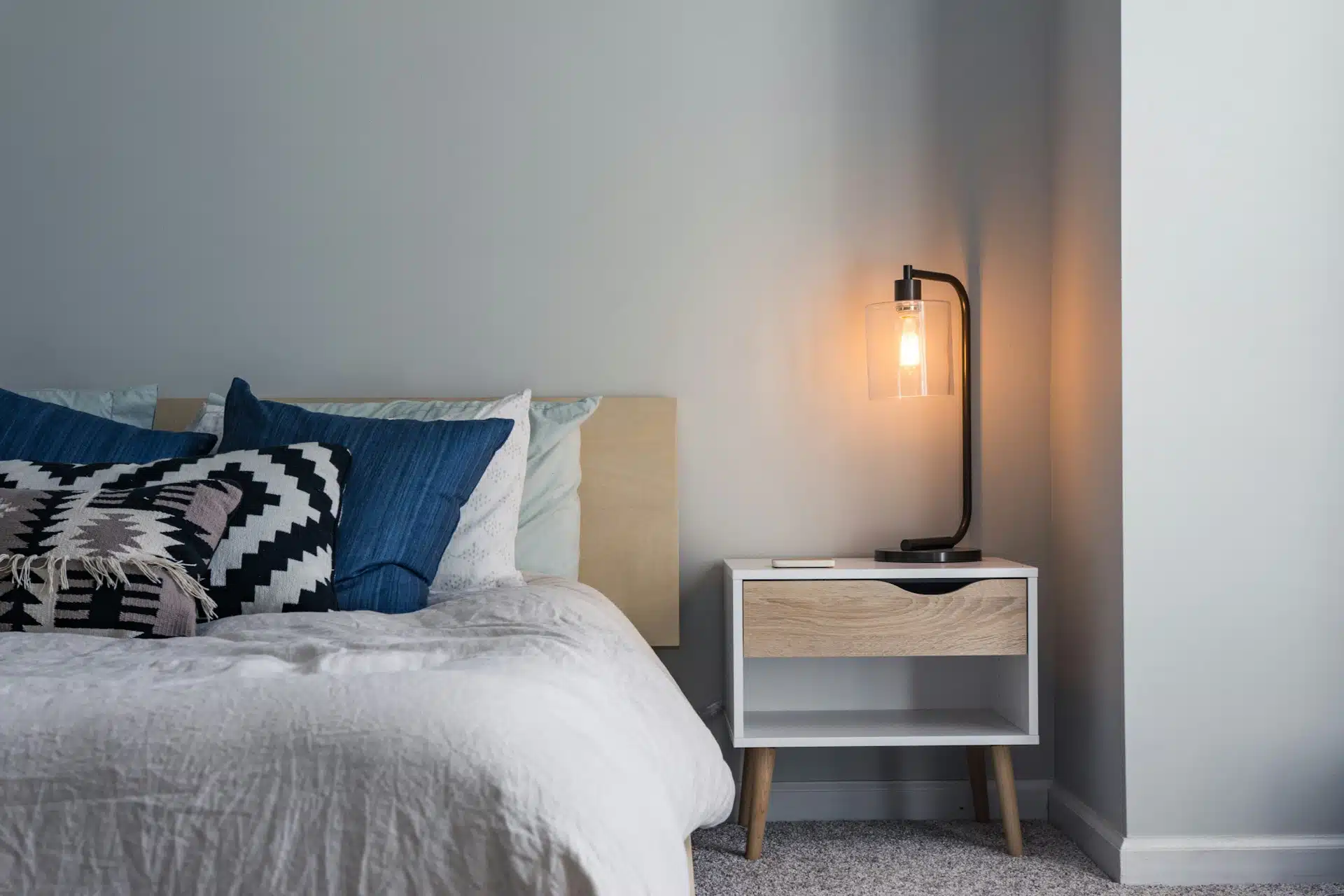
Bedrooms often take on new roles once daily routines shift. Rest, work, and personal time may all happen in the same space. If bedrooms lack flexibility, they can feel cluttered or uncomfortable during parts of the day.
Homeowners may adjust bedroom layouts to support both rest and daytime use. For instance, reorganizing furniture or adding focused lighting allows bedrooms to function beyond sleep.
Lifestyle changes tend to reveal which parts of a home no longer support daily life. As routines expand and overlap, homeowners naturally rework spaces to restore balance and ease. When rooms align with real routines, daily life feels more organized and sustainable.