
Keeping unwanted pests at bay requires year-round diligence and tailored strategies for each season. Even proactive homeowners in persistent climates find that pest prevention needs to evolve as temperatures and weather patterns shift. Whether you deal with insects, rodents, or other invaders, having a plan in place ensures your living environment remains comfortable, safe, and clean. It is essential to know when and how to act. For those in South Carolina, local options like Columbia, SC exterminators offer specialized support tailored to regional pest challenges.
Throughout the year, being aware of the most likely pests and the methods to keep them away can save time, energy, and resources. Maintaining vigilance with seasonal adjustments is far more effective than reacting to an infestation once it takes hold. This guide is designed to help homeowners plan preventive strategies that work year-round, while also providing tips for consistent pest management that are easy to incorporate into daily routines.
Staying ahead of pests means focusing on prevention first. Not only does this reduce health risks, but it also protects property from the potential damage that many common pests can cause. Integrating these best practices into your home care routine can help keep problems to a minimum, especially when paired with regular inspections and attention to detail.
Spring Prevention
Spring marks a burst of activity for many insects and pests as they emerge from dormancy. This is the ideal time to eliminate overwintering pests and block new ones from entering your home. Begin by sealing exterior cracks and holes using a weatherproof caulk. Doors and windows are frequent entry points, so check for gaps and install door sweeps while repairing or replacing torn window screens.
- Clear leaves and yard debris from around your home’s foundation. This removes nesting sites for insects and rodents.
- Trim any branches that touch your house to eliminate easy bridges for ants and rodents.
- Ensure gutters are unclogged and functioning to prevent water accumulation, which attracts pests.
Establishing these routines sets your home up for a pest-free start to the year. According to the Environmental Protection Agency, reducing available shelter and moisture is a proven way to keep insects away in spring.
Summer Protection
Hot weather brings peak activity for ants, mosquitoes, termites, and flies. The abundance of warmth and moisture can make homes highly attractive to these pests. For summer pest control, keep food in sealed containers to avoid attracting ants and roaches. Repair leaky pipes and faucets to eliminate excess water, and maintain a dry area around your foundation to avoid conditions that appeal to termites and other moisture-loving pests.
- Keep your firewood stack at least 20 feet away from your house and off the ground.
- Routinely empty standing water from birdbaths, planters, and other outdoor containers to minimize mosquito breeding sites.
- Promptly clean up food scraps and garbage inside and outside.
Controlling these attractants can make a dramatic difference in summer. The Centers for Disease Control and Prevention offers useful tips to further reduce the risk of mosquito and tick bites during the summer months.
Fall Preparation
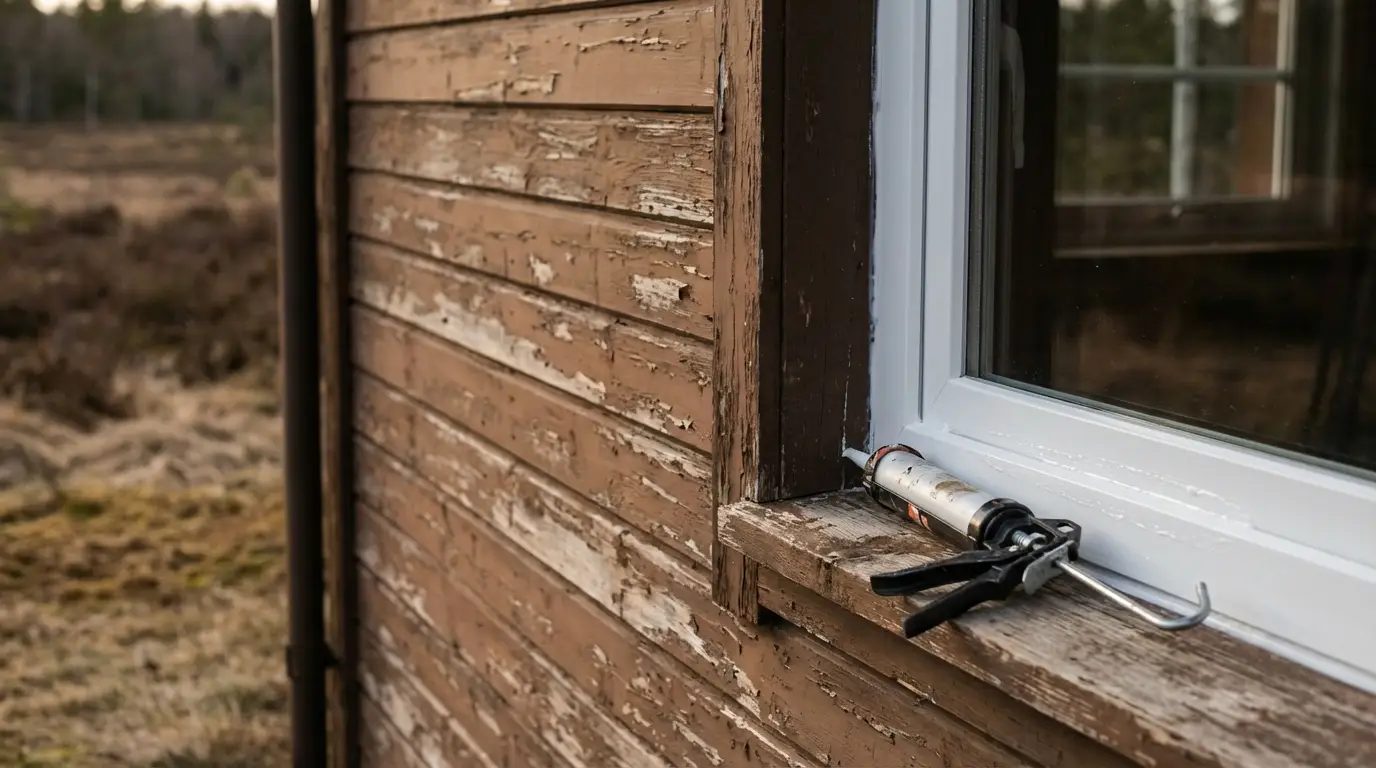
As cooler temperatures return, pests begin seeking warm spaces to survive the winter. This is when rodents, spiders, and certain insects become especially persistent. Reseal any cracks around windows, doors, and foundations. Food should be stored only in airtight containers, and firewood or debris piles must be kept away from your house to avoid creating harborage sites.
- Install new door sweeps or repair damaged ones at all exterior doors.
- Ensure window screens are intact and caulk or epoxy any visible cracks.
- Continue maintaining a thoroughly clean kitchen and pantries to remove all food sources for pests.
Getting ahead of pest migration indoors can help prevent larger problems that persist throughout winter. Regularly vacuum, remove clutter, and check corners for early signs of rodent nests or insect activity.
Winter Defense
Cold weather drives many pests, including rodents and cockroaches, into homes in search of warmth and shelter. Focus on inspecting attics, basements, and crawl spaces to ensure there are no entry points. Keep these areas dry and well-ventilated to discourage mold habitats. Store holiday decorations in sealed plastic tubs rather than cardboard to avoid attracting rodents and insects.
- Seal visible entry points, especially around utility lines and vents.
- Dispose of garbage regularly and maintain a strict cleaning schedule.
- Use natural deterrents, such as peppermint or clove oil, in areas like entryways or pantries to deter pests.
With diligent attention and repeated inspections, you can maintain a pest-free environment, even in cold months when pests are desperate for indoor shelter.
General Tips for Year-Round Pest Control
Successful pest control depends on consistency. Make pest inspections a regular part of your home maintenance plan. Check both interior and exterior spaces several times a year for droppings, gnaw marks, or entry holes. Address leaks, clean up food spills promptly, and consider using essential oils such as citronella or eucalyptus as natural insect repellents.
- Record evidence of pests and where you found them to spot problem trends.
- Do not hesitate to seek professional help if pests become a persistent or recurring problem. Licensed pest management experts can provide thorough inspections and safe treatment plans.
By blending DIY tactics with periodic professional input, your home can remain secure and comfortable throughout all four seasons.
Final Thoughts
Year-round pest prevention is essential for a safe and comfortable home, combining seasonal maintenance, consistent inspections, and proactive strategies. Even diligent homeowners benefit from professional support, and services like Columbia, SC exterminators offer expertise tailored to local pest challenges. By staying vigilant, addressing risks early, and integrating preventive habits into your daily routine, you can minimize infestations and protect your family and property year-round.