Home improvement season is weird because everyone’s suddenly looking at their living room thinking “this needs to change,” but they have no idea where to start or what actually matters.
I spent thousands on the wrong stuff before I figured out what actually delivers. Cosmetic changes that looked nice for six months. Trendy furniture that fell apart. Upgrades that barely moved the needle on comfort or bills.
Then I learned to think strategically: which upgrades actually solve problems? Which ones last? Which ones pay for themselves?
Living Room
Your living room is where you actually spend time. It’s where the thermostat wars happen. It’s where guests judge your taste. It’s where you notice every comfort problem.
Climate Control That Actually Works
Zoned systems allow different areas of your home to have different temperatures. No more fighting with someone about whether it’s too hot or cold. You set your zone, they set theirs. Done.
Smart thermostats learn your schedule. You leave for work, and it adjusts. You come home, and the house is ready. It reduces energy bills by determining when you need heating or cooling and when you don’t.
When you’re looking at HVAC replacements, HVAC Store is where most people start. They offer a selection of furnaces, heat pumps, and air conditioners, along with actual support, rather than just ordering online and hoping for the best. Backed by people who know what they’re talking about.
Furniture That Lasts and Actually Works
Quality furniture is often more expensive, but it actually lasts. Cheap products look okay for six months, then fall apart. Good furniture remains looking decent for five years.
The current trend is modular pieces that adapt. Movie night setup and overnight guest setup, just rearrange the pieces. Sustainable materials are becoming the norm, not just a premium option. Reclaimed wood, recycled metals, organic fabrics.
For solid furniture that actually lasts, Archic Furniture has curated collections across modern, contemporary, and traditional styles. Living room, bedroom, outdoor—they’re consistent about quality and design.
Lighting That Doesn’t Suck
Lighting matters way more than people think. Right lighting changes the whole room.
Layer it: ambient lighting (overhead or recessed for general brightness), task lighting (reading lamps, under-cabinet lighting), accent lighting (wall sconces, LED strips for highlighting). That combination actually works.
Kitchen
Kitchens are the command center. You cook, eat, talk, and work in here. And kitchens are expensive to operate because items are kept in the fridge 24/7, and cooking appliances draw significant power.
Appliances That Save Money
Energy Star appliances use 10-50% less energy, depending on the model. That’s not marketing speak, that’s actual measurable savings.
Induction cooktops heat faster than gas or electric cooktops and use much less energy to generate heat. Smart refrigerators optimize cooling cycles rather than running continuously. Dishwashers with soil sensors adjust water based on how dirty the dishes actually are.
Touchless faucets are one of those features that seemed weird at first but now make total sense. Less water waste, better hygiene. No question.
Design That Actually Looks Good
Bold cabinetry in forest green, navy, and even black creates actual visual interest. Mixed materials work better than everything matching. Wood island with a stone countertop. Matte hardware against glossy tile. It looks intentional, not boring.
Open shelving displays your nice dishes and plants, but requires you to actually organize them. Countertop options are way beyond granite now, quartzite, terrazzo,and concrete for an industrial vibe. These choices actually reflect who you are while staying timeless.
Bedroom
Sleep quality directly impacts everything. Your mood, your productivity, your health. Your bedroom is where you spend roughly a third of your life, so it deserves attention.
Air Quality Actually Matters
Indoor air can have 2-5 times more pollutants than outside air. That’s not something you want to ignore.
HEPA air purifiers capture 99.97% of particles—dust, pollen, pet dander, all of it. Ceiling fans help air move around, which lets you use AC less. Some homes don’t have central air, and mini-split systems work great for individual rooms without ductwork.
The research says 60-67°F is the sweet spot for sleep. Sounds cold, but it actually works.
Furniture for Actually Sleeping
Your bed and mattress foundation deserve a real investment because they directly affect your sleep quality and spinal health.
Adjustable bases let you customize positioning. Reading, reducing snoring, easing back pain—all possible with the right angle. Nightstands with built-in charging eliminate cord chaos. Blackout curtains or shades block light that disrupts sleep, especially important if you work nights or are light-sensitive.
Bathroom
Bathrooms used to be purely functional. Now people treat them like wellness retreats. The spa-at-home thing took off and hasn’t stopped.
Water Efficiency That Feels Luxurious
Low-flow toilets use 1.28 gallons per flush, compared with 3.5+ gallons per flush. That’s thousands of gallons saved annually, and you don’t notice the difference in performance.
Rain showerheads deliver that luxurious drenching feeling while WaterSense models limit flow to 2.0 gallons per minute. Heated floors powered by electric mats eliminate the cold-tile shock in winter and cost about $5-10 per month to run.
Touchless Everything
Touchless faucets reduce germ transmission and run only when you have your hands on them. Smart mirrors with LED lighting, defogging, and even weather/news displays add actual functionality to your morning routine.
Self-cleaning toilets using UV or electrolyzed water reduce the amount of scrubbing required while maintaining hygiene. These used to seem futuristic. Now they’re accessible at different price points.
Home Office
Remote and hybrid work are staying. A dedicated office space isn’t a luxury—it’s practical.
Productive work happens in spaces designed for focus. That’s research-backed.
Furniture That Doesn’t Destroy Your Back
Sit-stand desks let you change your position throughout the day instead of sitting all day. Ergonomic chairs with adjustable lumbar support, armrests, and proper seat depth prevent the back pain that desk workers deal with constantly.
Task lighting positioned to avoid screen glare reduces eye strain. Natural light from windows improves mood and alertness, but monitor placement matters to avoid washout.
Temperature and Air Quality For Focus
Temperature swings break concentration. You need consistent climate control at your workplace.
Portable AC units or mini-splits handle offices where central HVAC doesn’t reach. Air purifiers remove allergens and pollutants that cause fatigue and brain fog.
Plants like pothos, snake plants, and peace lilies naturally filter air while making the space feel less like just another work area.
Outdoor Spaces
Outdoor spaces are genuine extensions of your home now. Not just a back deck—actual rooms for dining, entertaining, relaxing.
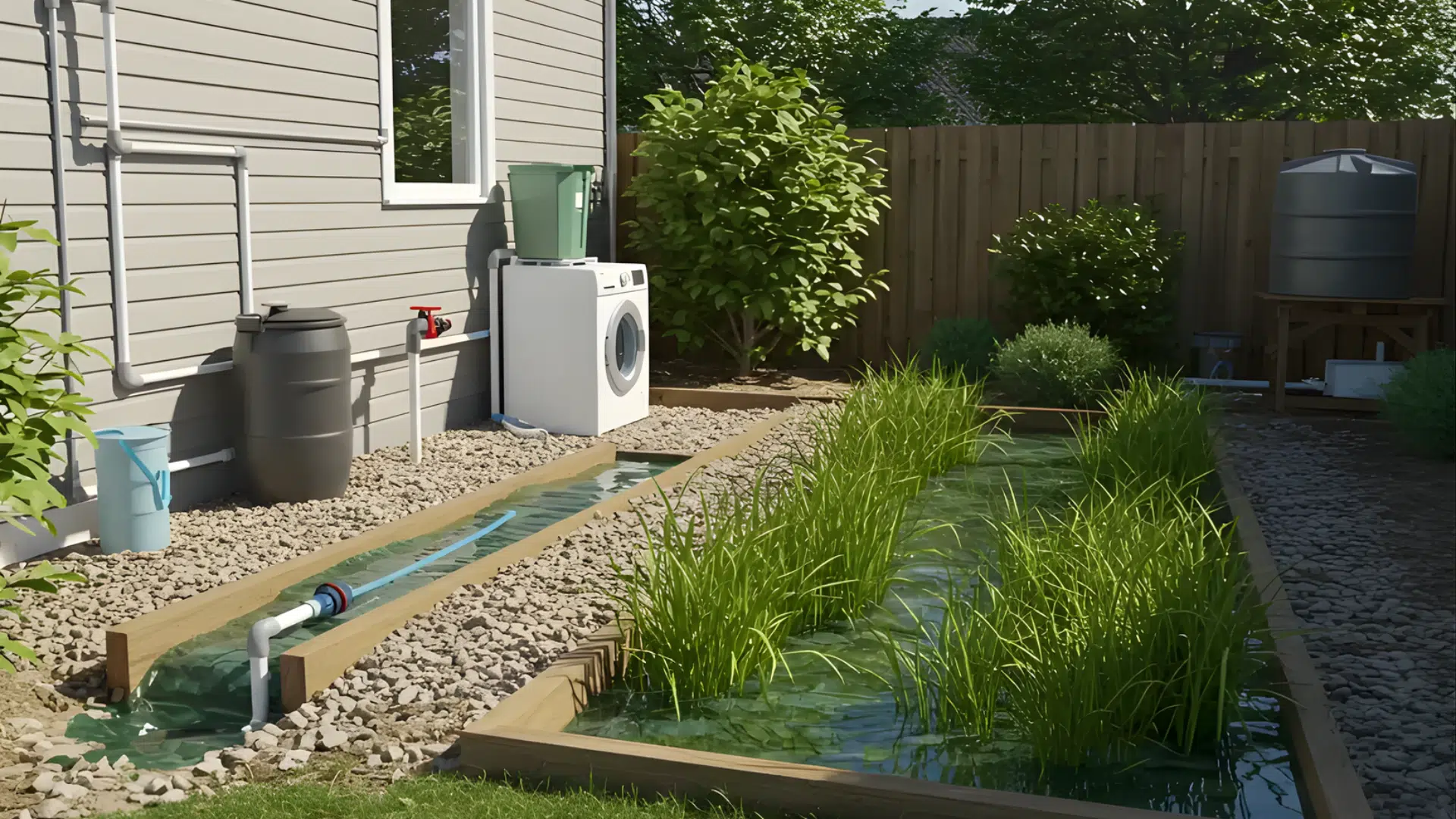
For those looking to maintain gardens or water features sustainably, solar water pumps offer an efficient way to manage irrigation without increasing your electricity or water costs.
Furniture and Materials That Actually Last Outside
All-weather wicker, powder-coated aluminum, and teak handle sun, rain, and temperature swings without falling apart. Outdoor fabrics treated for UV and mildew resistance look good through multiple seasons.
Composite decking made from recycled materials offers the aesthetics of wood without the maintenance demands of real wood. Pergolas and shade structures extend usability during peak heat while adding aesthetic appeal.
Energy Infrastructure
Solar panels and energy systems are among the most impactful upgrades you can make. Solar costs dropped by more than 70% over the last decade, while efficiency increased.
Solar Panels Actually Work
Residential solar systems offset 50-90% of your electricity costs, depending on roof orientation, sun exposure, and how much power you use. That’s real savings.
Battery storage systems store daytime power production for evening use or backup during outages. Federal tax credits currently cover 30% of installation costs, making the financial case even stronger. State incentives vary by location.
When researching solar equipment and systems, many people start with The Solar Store. They’ve got equipment from leading manufacturers, sizing guidance for residential installations, and complete kits. Not just selling panels—actually helping with setup.
Where to Start in 2026
Strategic upgrades balance immediate comfort with long-term value. The 89% of homeowners prioritizing lasting benefits have the right approach.
Upgrades to HVAC, energy systems, and quality furnishings deliver returns for years or decades. Room-by-room planning prevents overwhelm while making sure each space gets what it needs.
Start with high-impact areas: living room, kitchen, energy systems. That builds momentum for tackling other projects.
FAQs
What Upgrades Actually Add Value when Selling?
Kitchen and bathroom renovations recoup 70-80% of costs at resale. Energy upgrades like solar, new HVAC, and better insulation rank highly because they reduce ongoing costs for the next owner. Smart home stuff adds moderate value but makes your daily life better immediately.
How Much Does a New Hvac System Actually Cost?
Complete replacement typically runs $5,000 to $12,000, depending on home size, system type, and where you live. High-efficiency heat pumps cost more but have lower operating costs. Most retailers offer 0% APR financing.
Do Solar Panels Actually Pay for Themselves?
Solar typically pays back in 6-12 years through electricity savings. After that, you’re generating essentially free power for another 15-20 years. Homes with solar sell faster and at premium prices compared to non-solar homes.