People searching for storage pricing usually want one simple number, but PODS pricing doesn’t work that way.
PODS storage cost per month depends on how the service is used, where the container is kept, and what additional logistics are involved.
Base rates, container size, delivery fees, and seasonal demand all interact in ways that aren’t obvious from headline prices. That’s why two people can rent the same container and pay very different amounts.
In this guide, I’ll walk through what the monthly rate actually covers, where extra charges come from, and why location and timing matter so much.
Let’s start with the real monthly price ranges most renters encounter.
How Much Does Pods Storage Typically Cost per Month
Real pricing data shows that basic PODS container rentals start at around $149 per month for storage. This is often listed as the minimum base monthly rate before additional costs are added.
Most third-party cost guides (based on real quotes) put typical range estimates between about $150 and $350+ per month for a single container rental, depending on size, location, and demand.
That reflects what many people actually pay after delivery and pick-up fees are factored in. It’s not a flat, single number because PODS doesn’t publish a fixed national price sheet; actual pay varies by region and timing.
So when you see a “starting at $149/month” number, understand it as the base storage rate, not a guaranteed total cost in every situation.
What Is Included in The Monthly PODS Storage Price
The monthly charge that PODS quotes, for example, the often-cited $149/month starting rate, covers your right to keep the container for that billing period.
That includes:
- Exclusive access to the container itself
- The time block (usually 30 days)
- No built-in mileage or additional storage access costs
Importantly, this fee does NOT automatically include delivery and pickup, unless the quote or promotion specifically says so. Those logistics costs are typically separate charges.
It also typically does not include optional coverage like contents protection insurance or packing services. Those are add-ons if you choose them.
This distinction matters: many people assume the monthly price is the entire bill for storage. It isn’t; it’s the base fee for using the space.
How Container Size Affects PODS Storage Cost
PODS offers several container sizes, and each one affects cost differently. The company doesn’t list flat national prices, but real estimation guides show how size influences rates:
- Smaller containers (around ~8 feet) tend to be at the lower end of monthly costs, often closer to that base $149–$180 range.
- Mid-size containers (~12 feet) commonly land in the $180–$250/month range.
- Largest containers (~16 feet) often sit toward the upper end ($200–$350+/month) once local pricing and demand are factored in.
Those brackets reflect real fee estimates gathered from multiple pricing sources. They aren’t exact universal prices, but they represent the distribution of what people typically pay.
The reason the jump isn’t linear is partly logistics: larger containers require more handling and take more yard space, which pushes cost up more per size increment than raw volume alone.
Why Delivery and Pickup Fees Are Charged Separately
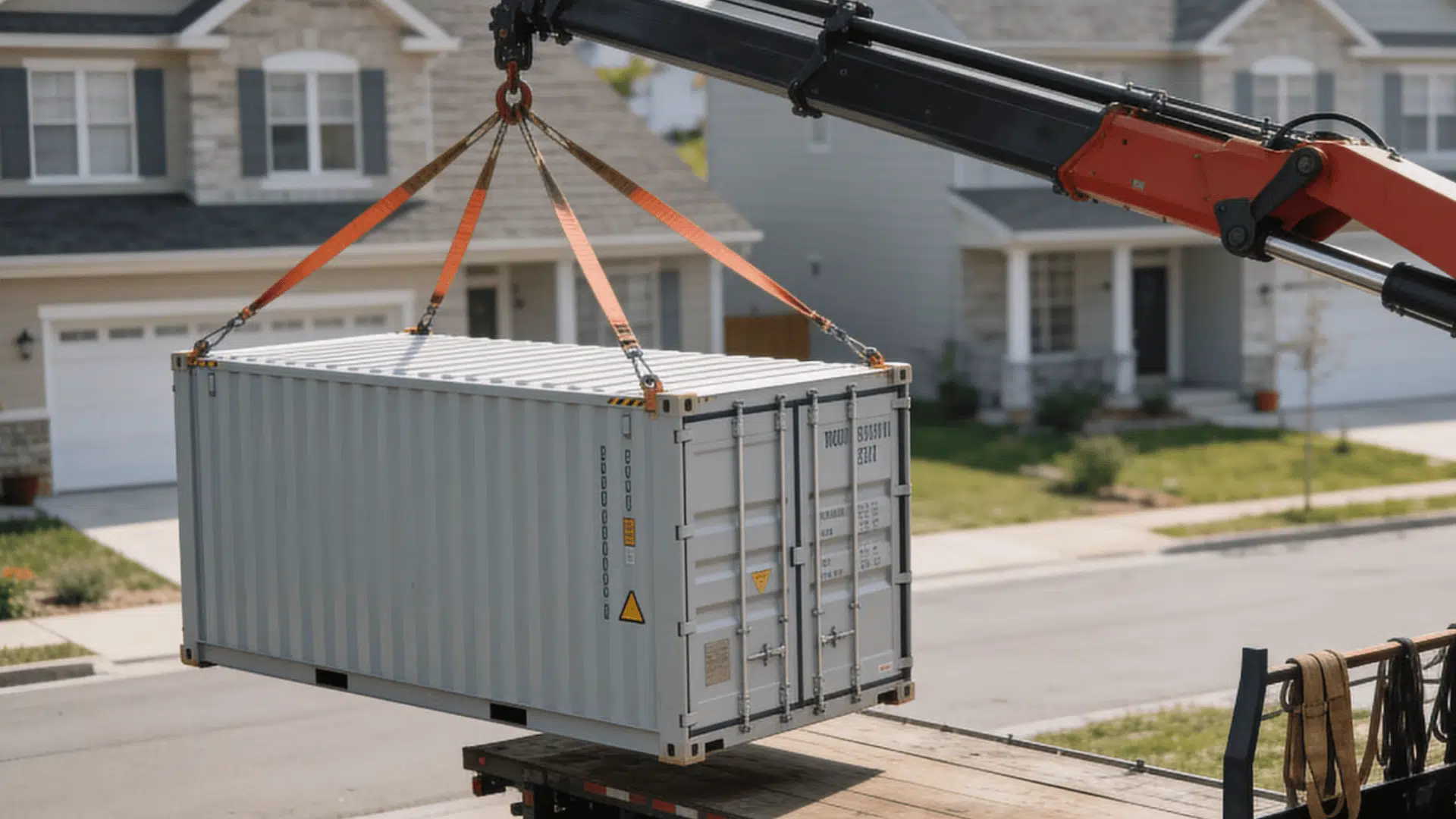
Delivery and pickup are separate from the base monthly storage fee because each trip involves a real service event — a truck, labor, fuel, scheduling, and routing.
Official pricing disclosures and cost guides confirm that delivery and pickup fees tend to average around $75 to $150 per trip, depending on location and container size.
Some offers or promotions will waive one of these fees (for example, if you rent for multiple months), but that’s the exception, not the rule.
Because every delivery or pickup requires a driver and fuel, each instance is priced as its own service rather than bundled into the monthly storage cost.
How Location and Season Change PODS Storage Pricing
Prices vary by U.S. region. High-demand cities, think New York, San Francisco, Seattle, tend to charge more due to higher real estate costs, higher wage rates for drivers and yard staff, and heavier service demand.
Season matters too. Summer is peak moving season, and demand for PODS containers spikes. That pressure often drives prices higher in many markets during those months.
This isn’t arbitrary: it’s a classic supply-and-demand effect layered on the day-to-day cost of doing business in each area.
Why Storing A PODS Container at A Facility Costs More
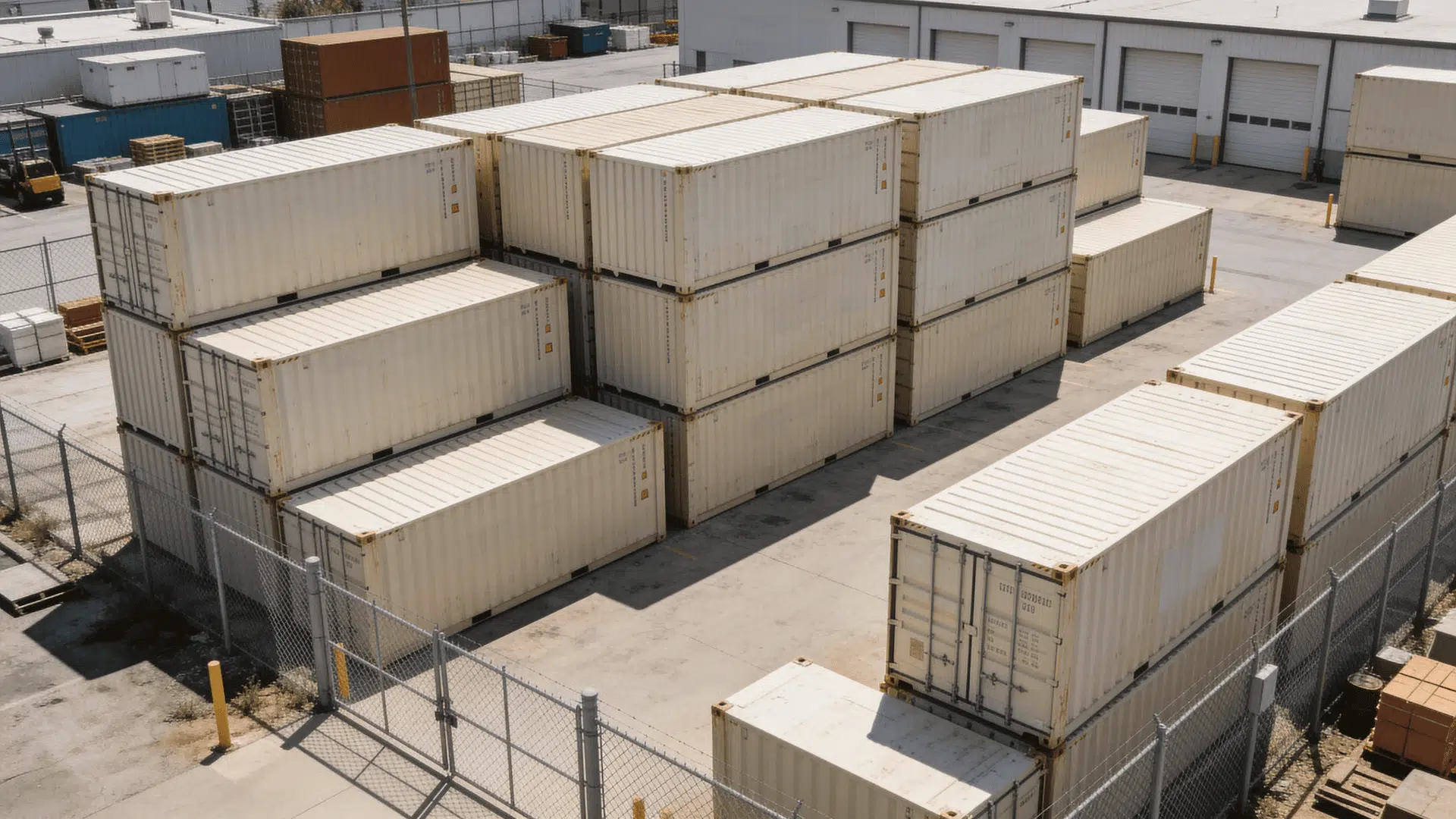
When you choose to have PODS transport your container to a secure PODS facility instead of keeping it at your own property, there’s another layer of operational cost.
According to cost breakdowns, storage at a secure facility can run around $250 to $350+ per month, depending on container size and region. (Jack Cooper)
That reflects additional handling, yard space, and facility overhead; things that don’t apply when you keep the container on your own driveway, for example.
This explains why “facility storage” costs can be noticeably higher than the base rental fee alone.
How PODS Storage Costs Differ from Moving Costs
It’s common to see PODS moving cost figures alongside storage costs, but they reflect different billing triggers.
Real cost estimates show that storage-only fees per month typically fall in that $150–$350+ range when you’re not moving the container.
By contrast, actual combined moving and storage costs can be much higher because they include transit, mileage charges, and logistical complexity. For example, for a local move, total costs often fall roughly between $200 and $800+ once delivery, pickup, and mileage are included.
For a long-distance move, guide estimates stretch into the $2,000 to $7,000+ range based on distance, container size, and other factors.
The key is separating storage as a time-based rental from moving as a distance-based service. That keeps the pricing picture clearer.
Wrapping Up
PODS pricing makes more sense once you separate base storage from logistics and location-driven costs.
The PODS storage cost per month is not a single national rate but a starting point that adjusts based on container size, delivery needs, season, and whether the unit stays on-site or at a facility.
Storage is billed by time, while moving and transport are billed by service events, which is where many estimates go wrong. Understanding that distinction helps avoid surprises and plan more accurately.
Before booking, compare local quotes, check for delivery fees, and factor in how long you’ll actually need storage. Take a few minutes to price your specific scenario and confirm what’s included before committing.