Your vehicle’s shoes tell a story. Are you a pavement prince? Are you a trail conqueror? The wheels and tires you choose declare your intent. This choice is not just about style. It is a fundamental decision about capability and comfort.
Getting it wrong means a miserable ride. Getting it right unlocks your vehicle’s true potential. Let’s break down the key factors. We will help you pick the perfect setup for your world.
The Terrain Dictates Everything
Start with a simple question. Where will you drive most? Your honest answer guides everything. Dedicated street driving demands one type of tire. Serious off-roading requires something completely different.
A true all-terrain tire tries to bridge the gap. It is a compromise. It does nothing perfectly. It does everything okay. Know your primary playground. That knowledge prevents expensive mistakes. It ensures your vehicle feels right where you use it most.
The Clearance Conundrum
Larger off-road tires often require modifications. You might need a suspension lift. You may need to trim parts of your wheel well. This is for clearance at full steering lock or suspension compression. A street upgrade usually fits within the factory specifications.
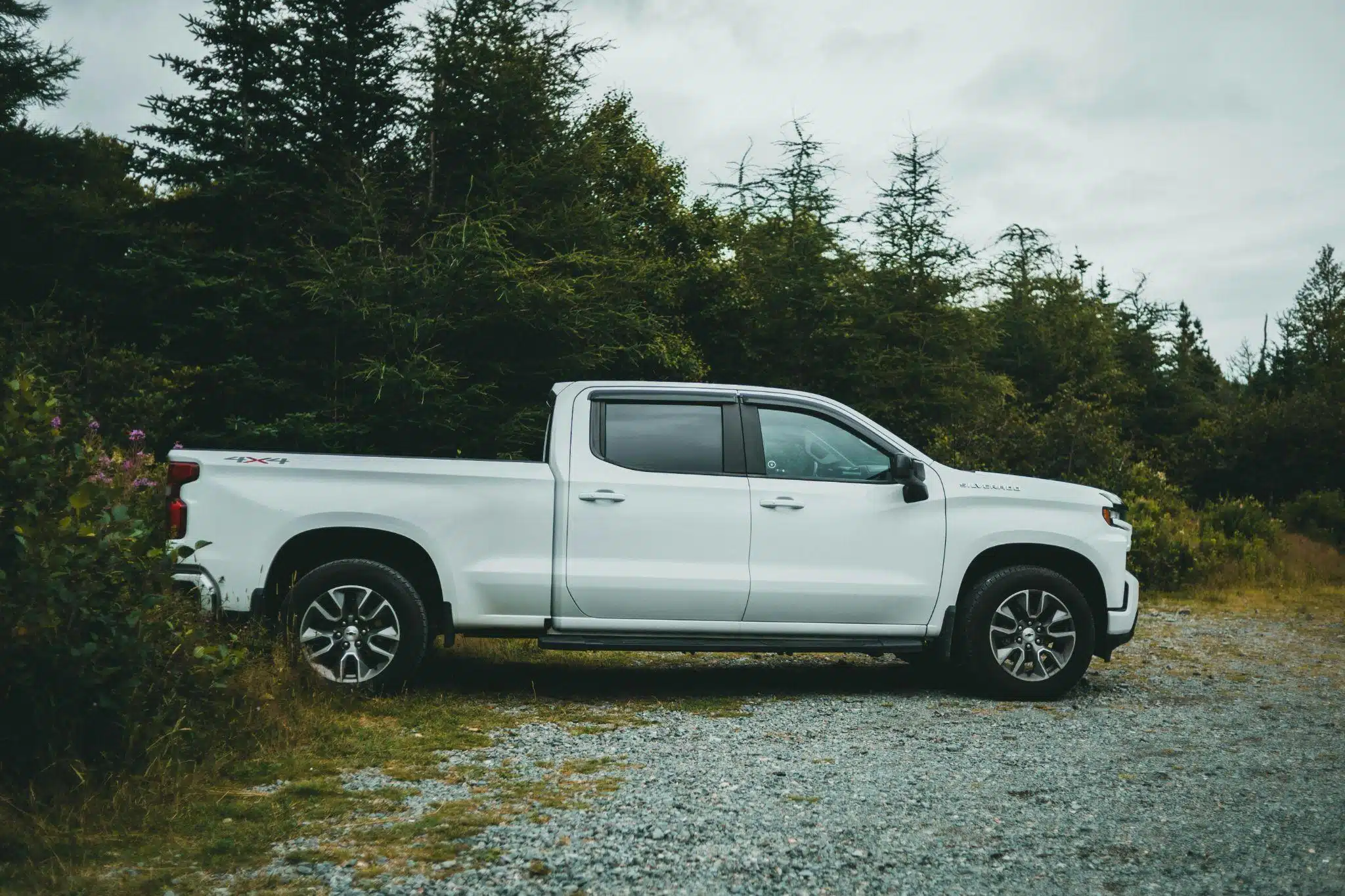
An owner might upgrade for a bolder look without modifying anything. They could install a set of Chevy stock rims 20 with slightly larger all-terrain tires. This stays within safe limits. True off-road sizes demand more work and investment.
The Sidewall Showdown
This is the biggest physical difference. Off-road tires need tall, flexible sidewalls. This rubber absorbs impacts from rocks and roots. Drivers can “air down” the tires. This creates a larger, softer contact patch for sand or rocks.
A street tire has a short, stiff sidewall. It provides sharp handling and stability on pavement. It also looks sleek. A tall off-road sidewall would feel wobbly and imprecise on a highway curve. Your choice here is between cushion and control.
Tread Pattern: Traction vs. Quiet
Look at the tread. An off-road tire has an aggressive, blocky pattern with deep grooves. These “bites” grab loose dirt, mud, and rocks. They also create a constant hum or roar on pavement.
A street tire has a continuous, smooth rib pattern. It channels water away to prevent hydroplaning. It is also very quiet. The more aggressive the tread, the noisier your highway commute will be. You must decide. Is maximum traction worth the cabin drone?
Wheel Durability: Beauty or Beast?
Street wheels are often about aesthetics. They use beautiful finishes and complex spoke designs. They are meant for clean pavement. Off-road wheels are tools. They are built to survive impacts. Many have a simpler, stronger design. They often feature a “beadlock” or simulated beadlock ring. This helps keep the tire seated at very low air pressures.
A gorgeous street wheel would be destroyed on a rocky trail. A basic off-road wheel might look out of place in a downtown garage.
The Weight and Efficiency Trade-Off
Off-road tires and wheels are heavy. All that extra rubber and reinforced construction adds pounds. This “unsprung weight” affects your vehicle. It can slightly reduce acceleration and fuel economy. Street setups are typically lighter. They focus on performance and efficiency.
If you daily drive your vehicle, consider this penalty. Those massive off-road tires might look tough. They will also cost you more at the gas pump every single week.
The Ride Quality Reality
Never forget this. An off-road tire is firmer and noisier on pavement. You will feel more of the road’s texture. The ride is often harsher. A street tire is designed for comfort. It absorbs small imperfections. It provides a quiet, smooth experience.
Your choice directly impacts how your back feels after a two-hour drive. An off-road warrior is not a luxury limousine. Make sure your comfort expectations match your tire choice.
The Smart Compromise (If You Must)
Many people need a hybrid. They drive to work all week. They hit light trails on weekends. For them, a mild all-terrain tire is the answer. Look for ones with a less aggressive tread pattern.
They are often called highway-terrain or all-season all-terrain tires. They offer better off-pavement traction than a street tire. They also maintain decent manners on the highway. Paired with sturdy but attractive wheels, this is the true do-it-all setup. It accepts the compromise upfront.
The Takeaway
Your wheels and tires are the most important modification you can make. They change everything. Choose based on where your adventures actually happen. That choice will bring a smile to your face every time you turn the key. Whether that smile comes from a quiet cruise or conquering a muddy hill is entirely up to you.