Moving in together often means combining two fully furnished homes into one, leaving you with duplicate sofas, dining tables, beds, appliances and storage pieces. Deciding what stays is easier when you look beyond which item belongs to whom and consider how each piece fits the new home, your shared routines and your longer term plans. A practical sorting process can help you avoid overcrowding while giving you time to make sensible decisions about valuable or useful furniture.
Decide What Fits Your New Home First
Start by considering the size and layout of your new home before deciding which furniture to keep. Measurements matter because a larger sofa or dining table may have worked perfectly in one property but overwhelm the rooms you are moving into. Doorways, staircases, lifts and available storage space should also influence what you take.
You do not necessarily need to make permanent decisions before moving day. If both versions of a particular item are useful or valuable, flexible moving and storage service solutions can give you somewhere to keep furniture temporarily while you settle into the new property and decide what genuinely works. Temporary storage can be particularly useful when your future housing plans are still changing.
Compare Condition, Quality and Practical Value
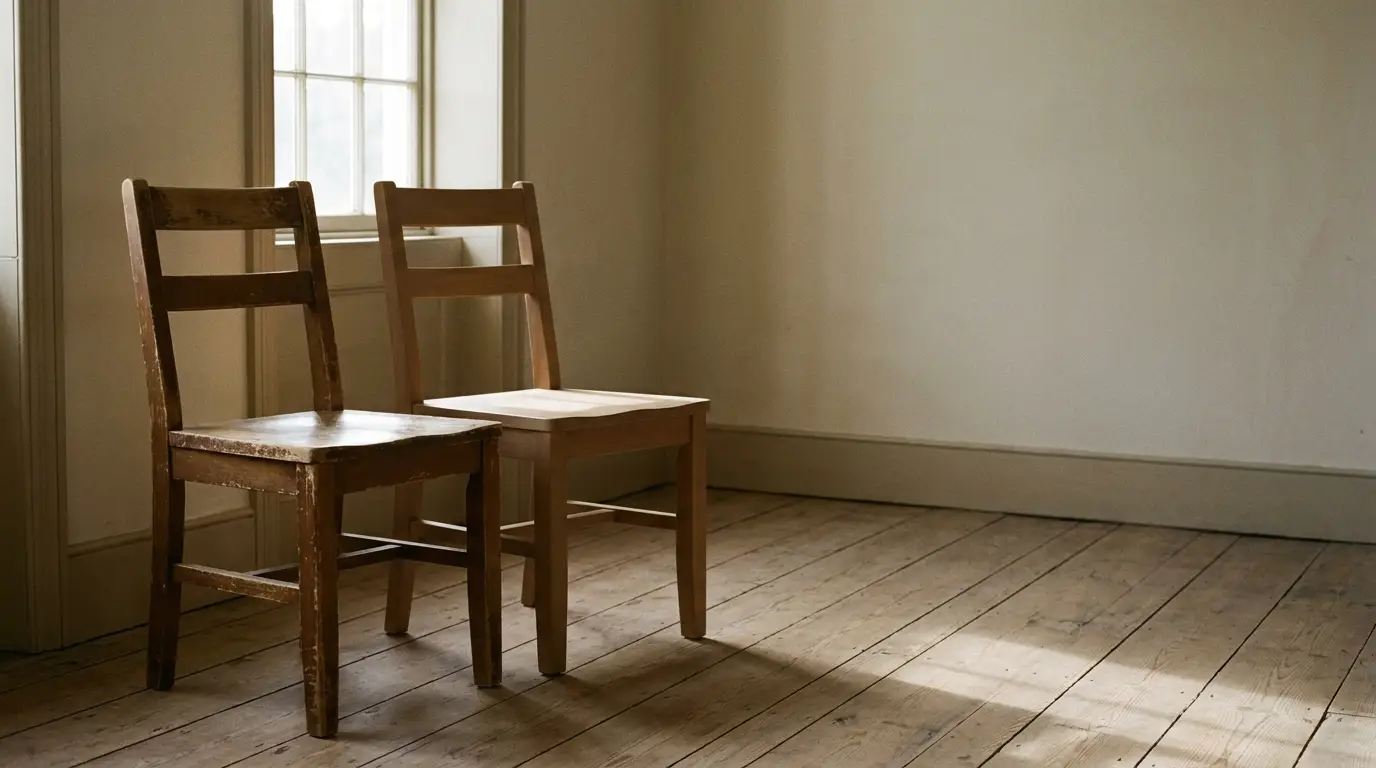
When you own two versions of the same item, compare them objectively. Look at age, condition, construction quality, dimensions and how well each piece suits everyday use. Keeping the newest item is not always the best choice if the older one is better made or fits the available space more comfortably.
Practical considerations should come before sentimental attachment for everyday furniture. A dining table that seats six may be more useful than a smaller table if you regularly entertain, while a compact sofa might make more sense in an apartment where floor space is limited.
Keep Furniture That Suits Your Shared Lifestyle
Furniture choices should reflect how you plan to use the home together. Your existing homes may have been arranged around separate routines, while the new space needs to support shared meals, working from home, entertaining and relaxation.
Consider how often each item will actually be used. Two desks may be worth keeping if you both work remotely, while duplicate television units or coffee tables may simply create clutter. Looking at furniture by function makes it easier to distinguish useful duplicates from unnecessary ones.
Sell or Donate Furniture You No Longer Need
Once you have decided which duplicate pieces will not make the move to your new home, deal with them before moving day where possible. Selling higher value furniture can recover some of its value while also reducing the number of bulky items that need to be packed, transported and accommodated at the new property.
For furniture you would rather give away, Auckland Council advises that unwanted furniture and household goods can be donated, but notes that charity shops generally need items to be in sellable condition and recommends checking with them before dropping anything off. Making those arrangements while preparing for your move can prevent unwanted duplicates from simply being transported from one home to another.
Avoid Rushing Sentimental Decisions
Some duplicate furniture carries personal significance even when you do not immediately need it. An inherited cabinet, childhood desk or piece connected to an important period of your life may deserve more consideration than an ordinary household item.
Give yourselves room to discuss emotionally significant pieces separately from purely practical furniture. Delaying a final decision may be better than giving away something you later regret losing, particularly when you are already managing the pressures of combining households and completing a move.
Make the New Home Work for Both of You
Combining furniture successfully is less about choosing one person’s belongings over the other’s and more about creating a home that works for you both. Measure the new space, compare duplicate items fairly, keep pieces that support your shared routines and avoid making permanent decisions too quickly. A thoughtful approach helps you reduce clutter while making the new home feel genuinely shared from the beginning.