Housing prices keep climbing. Modular homes suddenly start looking like a smart way out. But here’s the real question: how much do modular homes cost .
And more importantly, is it actually a better deal or just clever marketing? At first, it feels like a win. Faster builds. Lower labor. Less hassle. Then come the extras, setup, and customization.
And the price? It starts shifting. So what’s the real number?
Let’s break it down. Quick, clear, and straight to the pointso the full picture actually makes sense before taking the next step.
Why are Modular Homes Becoming so Popular?
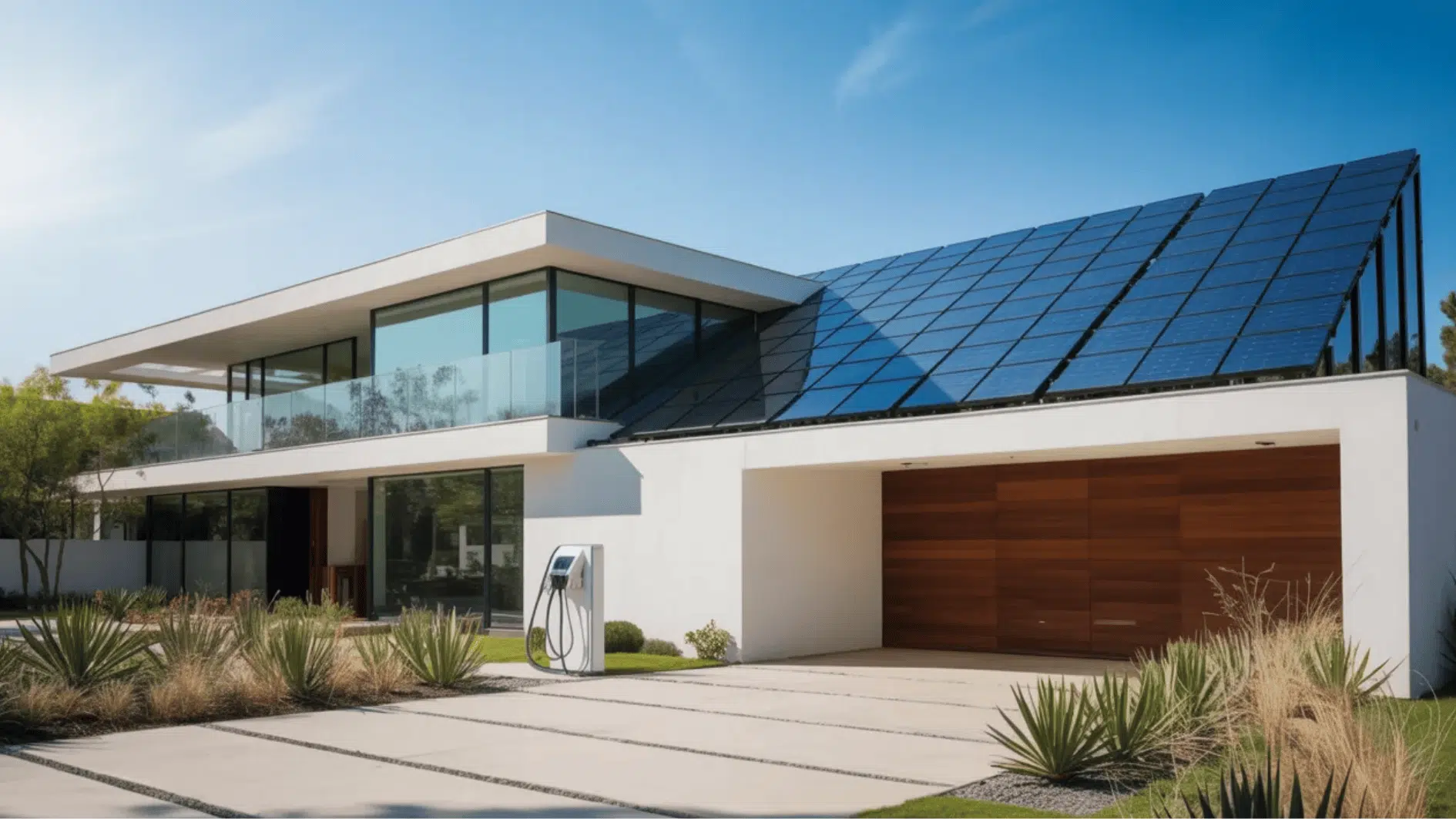
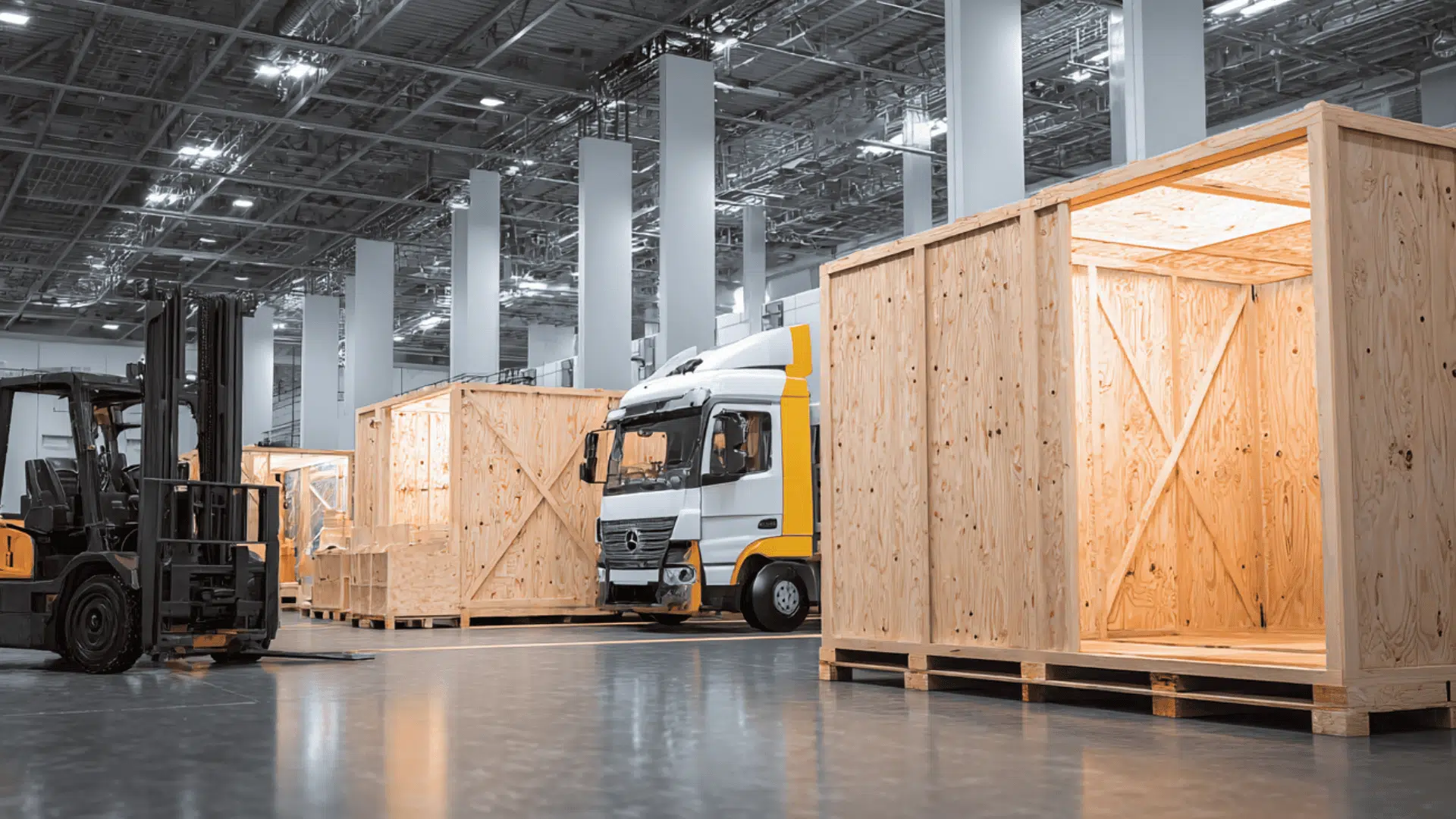
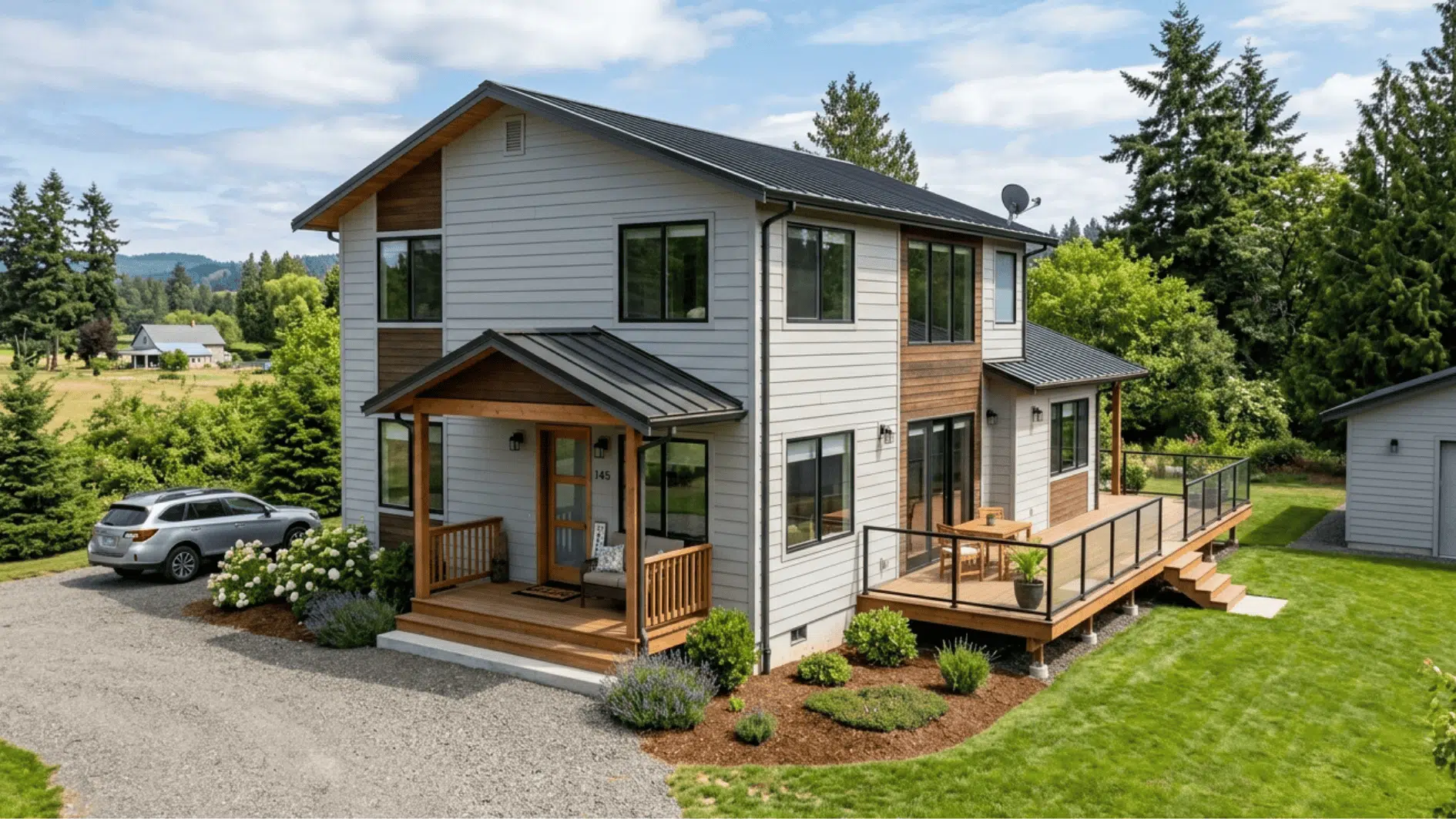
Modular homes are gaining attentionand not just because they sound different. They’re built in sections inside a factory, then assembled on-site into a full home that looks just like a traditional one.
Same structure, same durability, just a smarter process. And that process changes everything. Build time is shorter. Costs feel more predictable. Weather delays? Barely an issue.
So the whole experience feels less stressful, more controlled.On top of that, designs have come a long wayclean, modern, and customizable.
So instead of long timelines and surprise expenses, modular homes offer something refreshing. Faster builds. Better control. And a simpler path to getting a home ready.
How Much Do Modular Homes Cost Compared to Others?

When it comes to pricing, modular homes don’t sit at one extreme. They’re not the cheapest option out there, but they’re far from the most expensive either.
The real story comes out when you break things down. Cost per square foot, labor, time, and hidden expenses all play a role. And once these pieces are compared side by side, the differences become much clearer.
1. Cost Per Square Foot
At a glance, price per square foot gives a quick snapshot of affordability. But it also hints at quality, construction method, and long-term value.
- Modular homes usually range between $80–$160 per sq. ft, offering a balance between cost and durability. They’re built to the same standards as traditional homes, which is reflected in pricing.
- Traditional homes often fall between $150–$400 per sq. ft. The higher cost comes from on-site labor, longer timelines, and customization flexibility.
- Manufactured homes tend to be the lowest, around $50–$100 per sq. ft. While cheaper upfront, they may not match the same build quality or resale value.
2. Construction Costs & Labor Differences
A big chunk of housing costs comes from labor. And this is where modular construction starts to shift the equation.
- Modular homes are built in factories, where labor is more streamlined and efficient. Teams work in controlled conditions, reducing wasted time and material costs.
- Traditional homes rely heavily on on-site labor. Different crews, changing schedules, and weather interruptions all add to the total expense.
- Manufactured homes also benefit from factory production, but with simpler designs and fewer customization layers, which keeps costs even lower.
3. Time = Money: Build Time Comparison
Time isn’t just about waiting, it directly impacts how much is spent.
- Modular homes are typically completed within 3–6 months. Since modules are built while site work is underway, the overall timeline shortens.
- Traditional homes can take anywhere from 9 to 18 months. Delays from weather, labor shortages, or material issues can further stretch timelines.
- Manufactured homes are quicker, often 2–4 months, but come with fewer design options and limitations.
A shorter build time means fewer delays, lower financing costs, and faster move-inwhich all add up financially.
4. Hidden Costs & Unexpected Expenses
Not all costs show up in the initial quote. And this is where differences become more noticeable.
- Modular homes benefit from controlled factory builds, which reduce the chances of material damage or unexpected delays. Costs tend to stay closer to the estimate.
- Traditional construction often faces unpredictable factors, such as weather damage, design changes, or on-site errors, which can increase the final bill.
- Manufactured homes usually have fewer surprises upfront, but limitations in upgrades or land placement can create indirect costs later.
So while base prices matter, unexpected costs can quietly shift the totalespecially with traditional builds.
Quick Comparison Table
The final price of any home isn’t just one number; it’s a mix of multiple costs coming together. And this is where the real difference shows up.
Looking at everything side by side makes it easier to see which option actually fits the budget.
| Cost Factor | Modular Home | Traditional Home | Manufactured Home |
|---|---|---|---|
| Base Cost | Moderate | High | Low |
| Labor | Lower | Higher | Lower |
| Build Time | Short | Long | Short |
| Cost Predictability | High | Low | Medium |
| Maintenance Costs | Moderate | Moderate–High | Low–Moderate |
| Resale Value | Good | Strong | Lower |
| Financing Options | Easier | Easiest | Limited |
Long-Term Value of Modular Homes: Maintenance & Resale
Modular homes offer solid long-term value when it comes to maintenance and resale.
They are built in controlled factory settings, which often leads to better construction quality and fewer defects over time.
This can mean lower maintenance costs compared to traditional site-built homes. Regular upkeep like roofing, plumbing, and exterior care is still needed, but issues are usually easier to manage.
From a resale perspective, well-maintained modular homes can hold their value and even appreciate, especially in good locations.
As acceptance of modular housing grows, buyers are becoming more open to them, making resale easier than before.
Who Should Actually Consider a Modular Home?

Modular homes can seem like a smart choice. Faster builds, more control, and often easier on the budget. But they don’t work for every situation. Some setups make them a great fit. Others can create challenges.
Let’s take a closer look at few of them:
When Modular Homes Are a Great Choice
- Working within a set budget and wanting fewer cost surprises
- Need a faster move-in without long construction delays
- Prefer a simpler, more predictable building process
- Want consistent quality with less on-site risk
- Building in areas where modular homes are easily approved
- Looking for modern, efficient designs without overcomplicating things
- Want to avoid weather-related construction slowdowns
- Okay with limited but practical customization options
When They Might Not Be Ideal
- Want a fully custom or luxury-style home with a unique design
- Building in tight city spaces where delivery is difficult
- Dealing with strict zoning rules or community restrictions
- Expecting top-tier resale in high-end markets
- Want full control over every step of construction
- Need flexibility to make frequent design changes
- Land requires complex prep or special foundation work
Conclusion
Choosing a modular home isn’t about chasing the cheapest option and hoping it works out. It’s more like picking a process that won’t turn into a nightmare six months in.
From everything the numbers show, the real win isn’t just the price tag it’s moving in faster, spending smarter, and skipping the construction drama entirely.
That’s when how much do modular homes cost stops feeling like a question and becomes an answer for you. So instead of overthinking every alternative, go with what actually makes sense for the budget and timeline.
Because the best home? It’s the one that gets built without the chaos, the delays, or the regret.