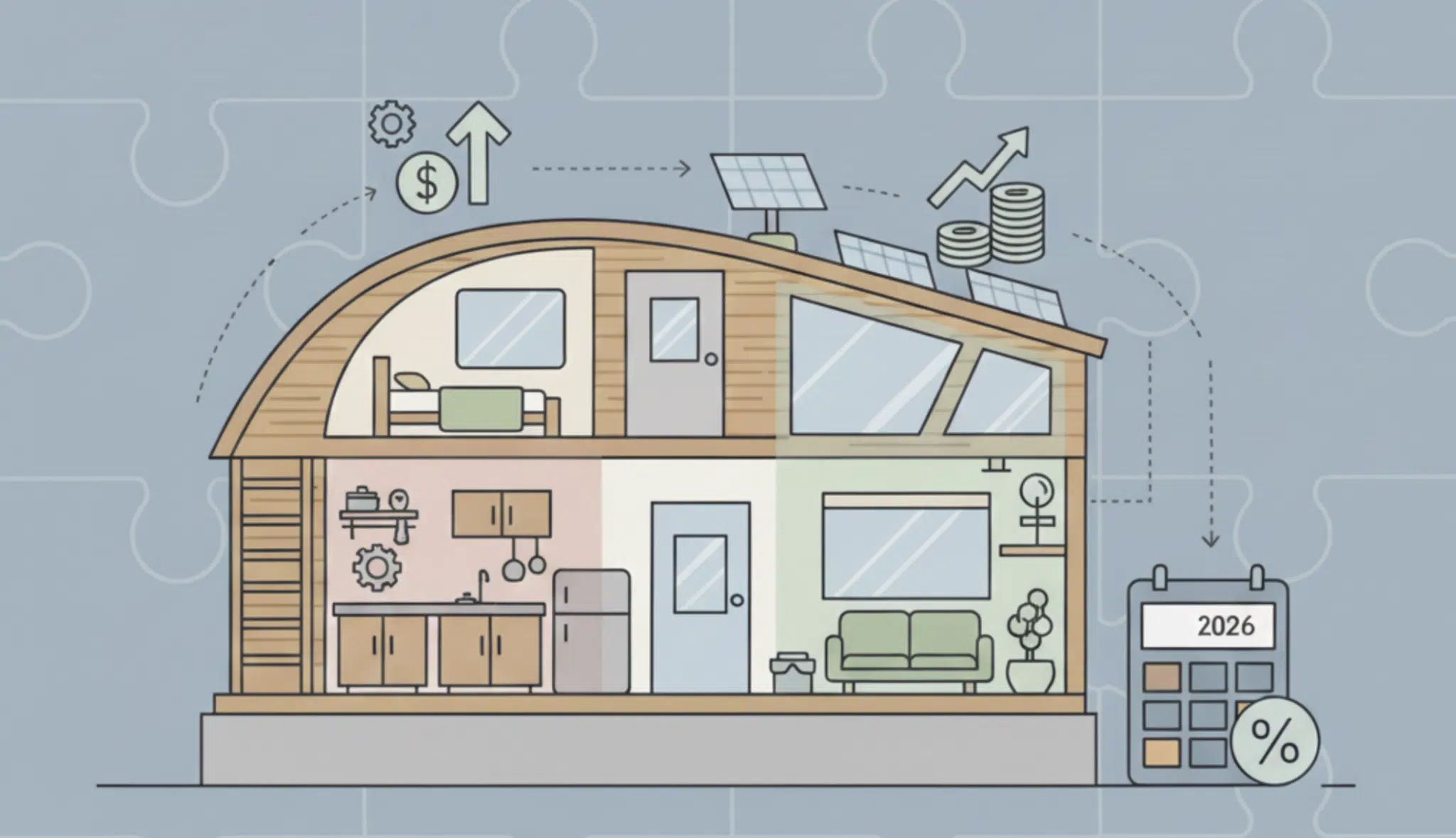
Pricing a tiny home build in 2026 feels a bit like putting together a puzzle. Material costs keep shifting, labor rates vary by region, and prefab options are changing what people expect to pay.
The good news is that you can still create a clear, realistic budget if you understand how builders, DIYers, and suppliers are shaping the market right now.
Stay tuned as we look at what influences tiny home pricing, how to calculate a budget you can trust, and where 2026 trends are heading.
What Tiny Homes Cost in 2026
Pricing a tiny home starts with understanding the current baseline. According to research by TinyHousel, the average tiny home build in 2026 spans a wide range from $35,000 to $95,000, depending on whether you are building yourself or hiring a professional.
Key cost drivers
You will see the biggest differences in these areas:
- Materials like lumber, insulation, fixtures
- Labor rates for electricians, plumbers, and general contractors
- Square footage and design complexity
Because these areas tend to fluctuate, most people budget within a range rather than a fixed number.
Breaking Down Core Cost Categories
To get a true sense of your potential budget, break your costs into a handful of predictable buckets. Even though every project is unique, the categories below show what most builders and homeowners end up considering.
Materials and finishes
A detailed 2025 cost breakdown shared by AOL Lifestyle included siding, windows, appliances, and fixtures as some of the most varied line items. Those categories continue to swing in 2026 because of supply constraints and regional pricing.
Labor and skilled trades
If you are not DIYing everything, this section can become your biggest expense. Electricians and plumbers tend to charge premium rates because tiny homes require custom routing for wiring, water lines, and code‑compliant systems. Labor costs also increase when local regulations require certified work.
Prefab and modular options
Prefab tiny homes are changing the math. For example, a low cost prefab option highlighted in The Sun shows how $15,000 pre built shells can drastically cut framing and finishing expenses. If you want speed, prefab kits or hybrid builds can reduce project time and simplify budgeting.
Land, hookups, and infrastructure
Even though tiny homes are smaller, utilities are not. You still need water, power, septic or sewer service, and, sometimes, municipal approvals. These often exceed expectations, especially when building on raw land.
How to Build a Reliable Pricing Model
Now that you know what drives pricing, the next step is figuring out how to put a number on your project. Most people use a combination of cost estimating methods to get a clearer picture.
Estimate by square foot
This is the most common method. If tiny homes average a certain dollar amount per square foot in your area, you can multiply that by your planned size. Just remember that small homes sometimes cost more per square foot because appliances, systems, and labor do not scale down evenly.
This is also a good time to think about whether tiny house living is for you, as knowing exactly how much floor space you’ll have available can guide your decision more precisely than if you’re just romanticizing the idea without considering the realities.
Estimate by component
Another approach is to list every part and assign a cost to each. It takes more time, but it gives you a highly accurate budget. This method works well when you have a detailed plan and know the level of finish you want.
Compare similar builds
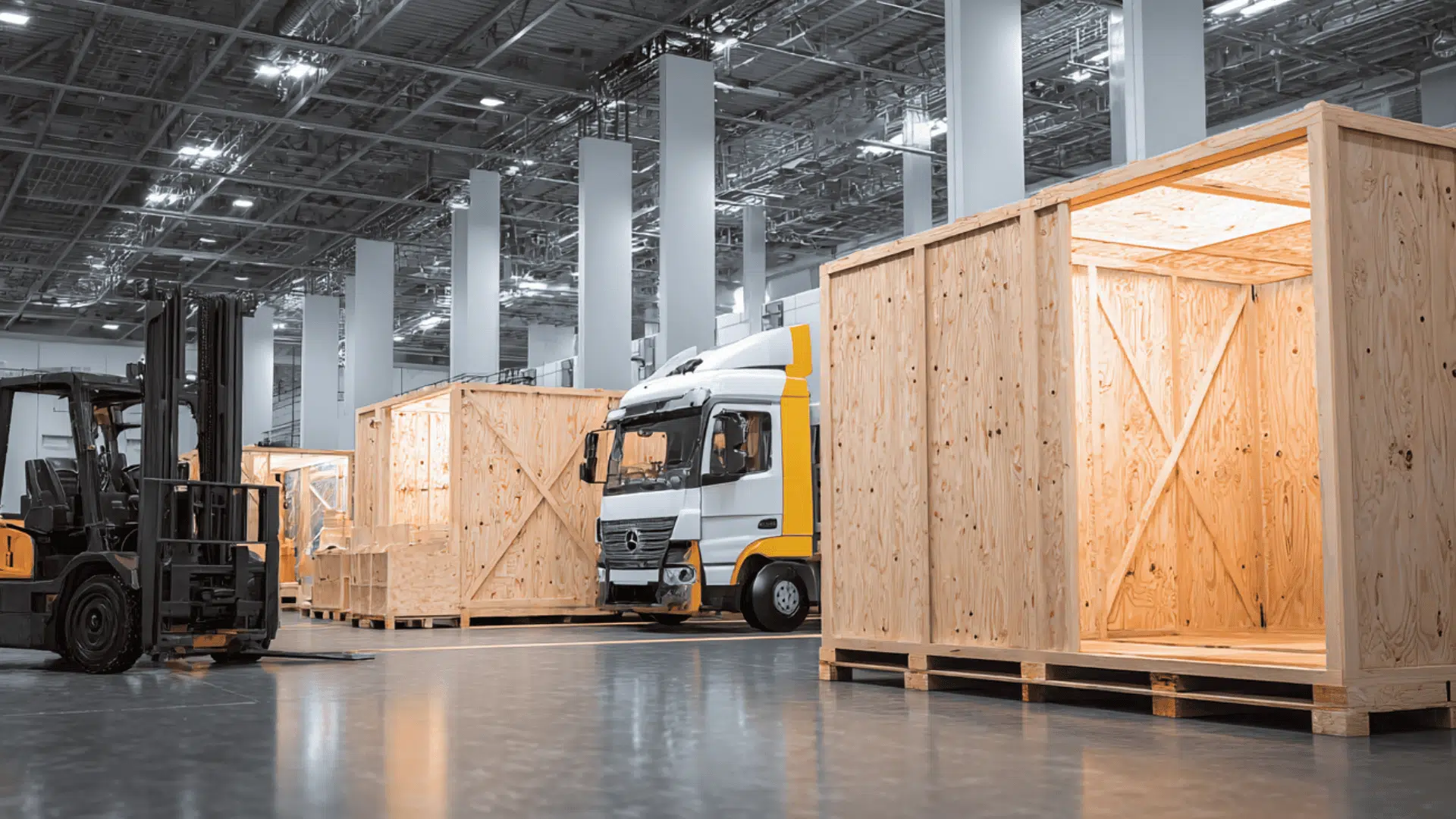
Sometimes the best benchmark is a previous build. For example, Project Conservatories provided 2025 comparisons showing how modular and container style structures can dramatically shift the price range. Looking at other projects helps you understand where your build sits on the spectrum.
Factor in your profit margin
If you are building tiny homes to sell, your margins matter as much as your material list. Many builders calculate margins early to avoid surprises. A simple way to do that is by using Canva’s profit margin calculator with your projected costs and target selling price. Having this information to hand before you begin the build is the best way to make all sorts of decisions.
What Builders Should Watch for in 2026
Tiny home pricing trends in 2026 have a few consistent themes. These patterns help shape both DIY budgets and professional builds.
Material volatility is still real
Lumber, metal roofing, and insulation are still influenced by supply chain shifts. Seasonal swings tend to be less intense than they were in previous years, but you should still include a buffer.
Prefab adoption keeps growing
More buyers are exploring hybrid models or full prefab solutions. This increases cost certainty and shortens timelines. It also shifts how builders price labor because prefab homes reduce on site hours.
Regulations continue to evolve
Rules around where and how tiny homes can be placed are changing in many areas. This affects everything from permits to utility installation costs. Staying tuned to local requirements can prevent unnecessary expenses.
A Simple Framework for Pricing Your Build
You can create a clear, dependable pricing plan using a straightforward approach.
Step 1: Define your must haves
Decide on size, design, and the level of finish you want.
Step 2: Collect local cost ranges
Get quotes for materials, trades, and utility work in your region.
Step 3: Compare prefab and DIY options
Using recent research by TinyHousel or reviewing prefab examples in The Sun article can help you benchmark.
Step 4: Build a layered estimate
Start with a square foot estimate, add component estimates, then include a contingency.
Step 5: Validate the final number
Many builders double check their math with a simple calculation tool or a margin calculator.
Final Thoughts
Pricing a tiny home build in 2026 is absolutely doable once you break the process into smaller steps. By taking the time to understand current cost ranges, reviewing recent research, and accounting for design complexity, you can create a plan that fits your goals.
If you are building tiny homes professionally, or even just tracking your own budget, you can keep things clear and predictable with a simple margin tool and a solid pricing framework.