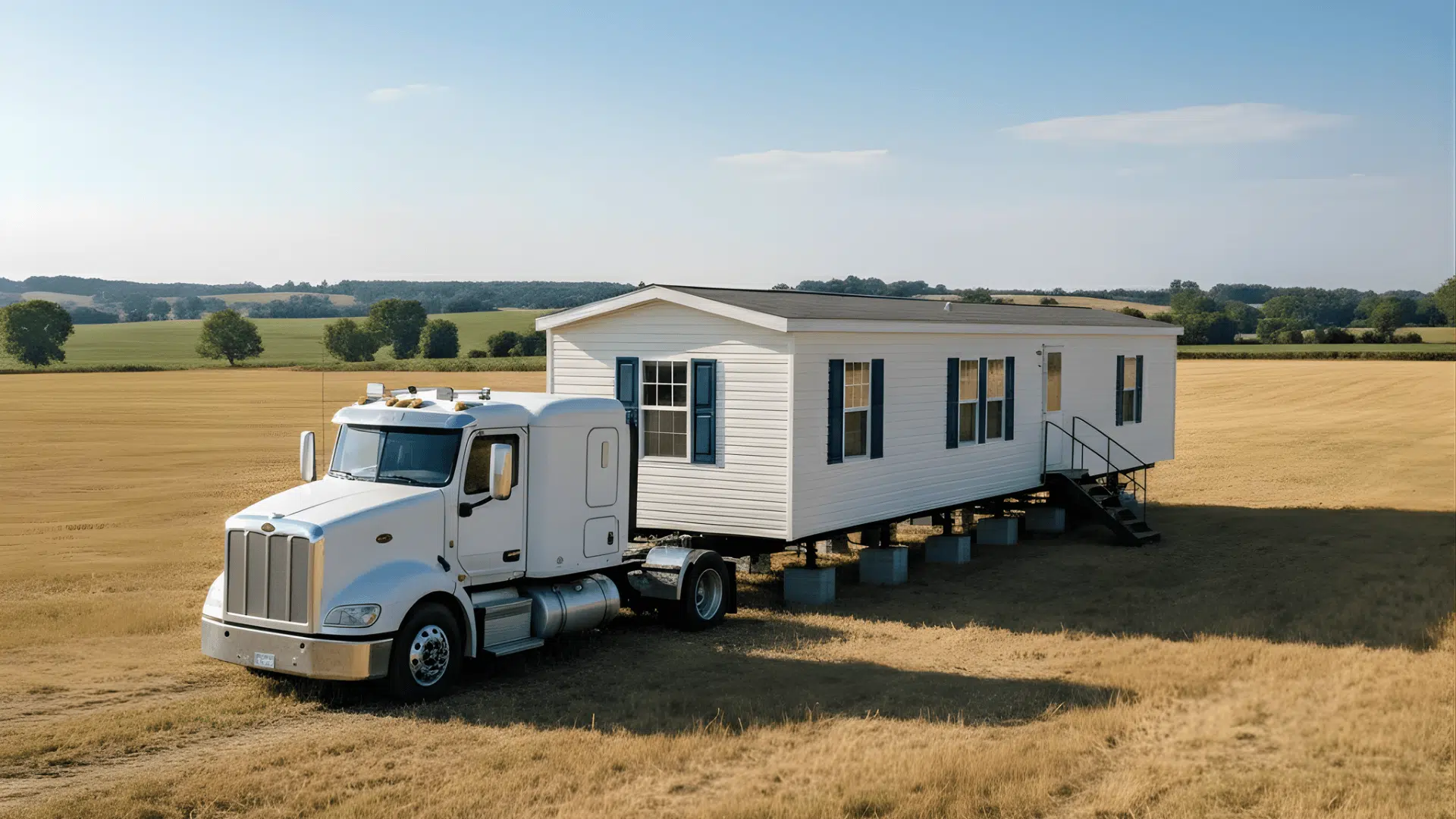
Moving a mobile home can seem challenging at first, especially if you’re not sure where to start. It’s more than just relocating a structure; it’s about making a smooth transition to a new place while keeping your home safe and legal.
Every move has unique factors, like distance, setup, and local regulations, that can affect the process. I’ve seen how careful planning and the right help can make a big difference in saving both time and stress.
This blog will walk you through the key things to know before you begin so you can feel confident about your next mobile home move.
Why People Move Mobile Homes: Common Reasons
Moving a mobile home means relocating manufactured or mobile houses from one place to another. These homes are factory-built and designed to be movable, even though many remain in one spot for years.
Unlike traditional houses, a mobile home can be moved as a single-wide (one unit) or a double-wide (two sections).
People decide to move for various reasons. Here are some common ones:
- Land Ownership: Moving from a park to private land helps avoid lot rent and gives more ownership control.
- Better Location: Some move closer to family, work, or better schools.
- Lower Costs: Relocating to a cheaper area can cut monthly expenses and taxes.
- Improved Living Conditions: A move may offer better utilities, amenities, or safer surroundings.
- Buying or Selling: Homes are sometimes moved after a sale or purchase to new land.
- Safety Concerns: Relocation may be needed due to floods, storms, or unstable ground.
Each of these reasons shows how mobile homes offer flexibility and freedom that permanent houses often can’t provide.
Legal Requirements and Laws
Before you move a mobile home, you need to know the legal rules that apply. Both federal and state laws control how and where mobile homes can be moved. Ignoring them can lead to fines or delays.
HUD and State Rules: Homes built after 1976 must meet HUD standards for safety and structure. Each state may add extra rules about road safety, transport, and setup.
Permits and Zoning: You’ll need moving and transport permits from your local or state office. Make sure your new property is zoned for mobile or manufactured homes before applying.
Home Age and Wind Zones: Older homes built before 1976 or without HUD tags may not qualify for moving. The home must also meet wind zone standards for your area.
Penalties: Moving without the proper permits can lead to fines, failed inspections, or the home being denied placement at the new site.
Following these laws ensures your move is safe, legal, and fully approved.
Step-by-Step Process for Moving a Mobile Home
Moving a mobile home takes planning, coordination, and attention to detail. Each step plays a key role in making sure your move is safe, legal, and cost-effective. Here’s a clear breakdown of every stage:
Step 1. Inspect and Prepare the Home

Start by inspecting your mobile home from top to bottom. Check the frame, roofing, and undercarriage for damage or rust. The home must meet HUD safety standards, especially if it was built before 1976.
Remove fragile items, secure furniture, and take down wall décor. If your home hasn’t moved in years, hire an inspector to confirm it’s strong enough for transport and lifting.
Step 2. Get the Required Permits

You’ll need moving permits from your city or state before any move. Most areas require proof of ownership, tax clearance, and inspection reports. Without these, the home can’t be legally transported.
Contact your local DOT or zoning office for exact requirements. Some movers can handle the paperwork, but make sure every permit and inspection is completed before scheduling.
Step 3. Hire a Licensed Mover

Choose a mover who’s licensed, insured, and experienced with mobile homes. Ask about their track record, references, and what’s included: teardown, transport, or setup.
Get a detailed quote that lists each service and cost. Confirm whether they handle permits, escorts, and utility hookups. Avoid unlicensed movers; they can cause costly damage or delays.
Step 4. Disconnect Utilities and Attachments

Turn off and disconnect electricity, water, gas, and sewer lines before the move. Have professionals cap everything safely to prevent leaks or hazards.
Remove skirting, decks, and porches. Inside, secure doors, windows, and cabinets. Proper preparation helps protect your home and makes reinstallation faster.
Step 5. Transport and Setup

Movers use trailers, cranes, or flatbeds to lift and haul your home. For larger units, some states require escort vehicles or special routing. During transit, the home must be tightly secured and balanced.
At the new site, professionals level and stabilize the home on blocks or a foundation. They’ll check for stress cracks and align the frame before final setup.
Step 6. Reinstall and Level the Home

Once placed, the home is leveled and secured to prevent floor creaks or plumbing issues. Utilities are reconnected and tested for safety.
Finally, reinstall skirting and porches, then schedule a local inspection to ensure everything meets code. Once approved, your home is ready to move into again.
Cost to Move a Mobile Home
The cost of moving a mobile home can vary widely based on its size, distance, and setup needs. Here’s a simple breakdown of what you might spend:
| Cost Item | Estimated Range | Details |
|---|---|---|
| Single-Wide Home (Short Distance) | $3,000 to $8,000 | For local moves under ~50 miles. |
| Double-Wide Home (Short Distance) | $8,000 to $15,000 | Short distance but larger homes require more equipment. |
| Full-Service Move (Including Setup) | $10,000 to $20,000+ | Includes teardown, permits, utilities, and full setup at the new location. |
| Permits | $200 to $1,000+ | Fees depend on state and local regulations. |
| Utility Disconnection/Reconnection | $500 to $2,000+ | Includes hooking up water, gas, and electricity at the new site. |
| Site Setup (Leveling, Foundation) | $500 to $2,000+ | Costs depend on land conditions and whether foundation work is required. |
| Transport (Short Distance) | $2,000 to $6,000 | Depending on size of home and distance moved (up to ~100 miles). |
| Transport (Long Distance) | $5,000 to $15,000+ | Larger homes or moves over greater distances incur higher transport costs. |
| Escort Vehicles/Pilot Cars | Varies by route and home size | Required for large moves or long distances to navigate safely. |
These costs cover most parts of a standard move, but getting personalized quotes will give you a clearer idea of what to expect for your specific home and location.
Top Mobile Home Moving Companies to Consider

If you’re thinking about moving your mobile home, choosing the right moving company is crucial for a smooth, stress-free experience. Here are some reputable companies known for their expertise in mobile home relocation:
1. Heavy Haulers
Service Area: Nationwide, across all 50 states.
Specialty: Licensed and bonded, Heavy Haulers is experienced in moving both single-wide and double-wide mobile homes. They can handle long-distance moves with ease, even across tough routes.
What They Offer: Full-service moving, including permits, escorts, and utility reconnection. Expect tailored quotes based on home size, distance, and setup needs.
Why Consider Them: They have a proven track record for large and complex moves. Great for long-distance relocations.
Get a Quote: Visit their website for a custom quote.
2. Dome & Co Mobile Home Movers
Service Area: Southern and Central U.S. regions.
Specialty: Known for their full-service moves, Dome & Co offers everything from transport to setup. They’ll also handle leveling, utility reconnection, and skirting, ensuring your home is properly installed at the new location.
What They Offer: Permits, site prep, and complete mobile home setup services. They also handle utility connections like water, gas, and electricity.
Why Consider Them: They are an excellent choice if you need a complete moving solution, including setup and leveling.
Get a Quote: Request a quote on their website.
3. U-Pack Mobile Home Movers
Service Area: Nationwide (primarily long-distance moves).
Specialty: U-Pack is ideal for affordable long-distance moves. They offer flexible options for transporting mobile homes, with the ability to adjust to different moving needs.
What They Offer: They specialize in cost-effective moving and provide flexible transport solutions, but may not include full-service setup. They are great if you’re looking to handle some of the work yourself.
Why Consider Them: If you’re on a budget and need a straightforward, long-distance move, U-Pack is a solid choice.
Get a Quote: Visit U-Pack for more info and pricing.
These companies handle everything from permits to setup, making the moving process safer, faster, and stress-free.
Tips for a Safe and Smooth Move
- Plan early: Get required permits and plan your route ahead to avoid restricted roads or delays.
- Hire insured movers: Choose licensed, insured professionals with good reviews and references.
- Secure items inside: Remove or strap down furniture, décor, and appliances to prevent shifting during transport.
- Prepare the new site: Clear debris, level the ground, and make sure utilities are ready for setup.
These simple steps help ensure your mobile home move is safe, efficient, and stress-free.
Conclusion
Relocating a mobile home isn’t just about changing addresses; it’s about moving your comfort and stability to a new place.
Every detail, from choosing the right location to preparing your home after arrival, plays a part in making the move successful. When people stay patient and plan carefully, the process becomes far less stressful than expected.
Take time to review your local rules, confirm insurance coverage, and prepare your new site before moving day.
If you’re ready to begin your move, reach out to licensed movers in your area and start gathering quotes today. Your new home setup could be easier than you think.