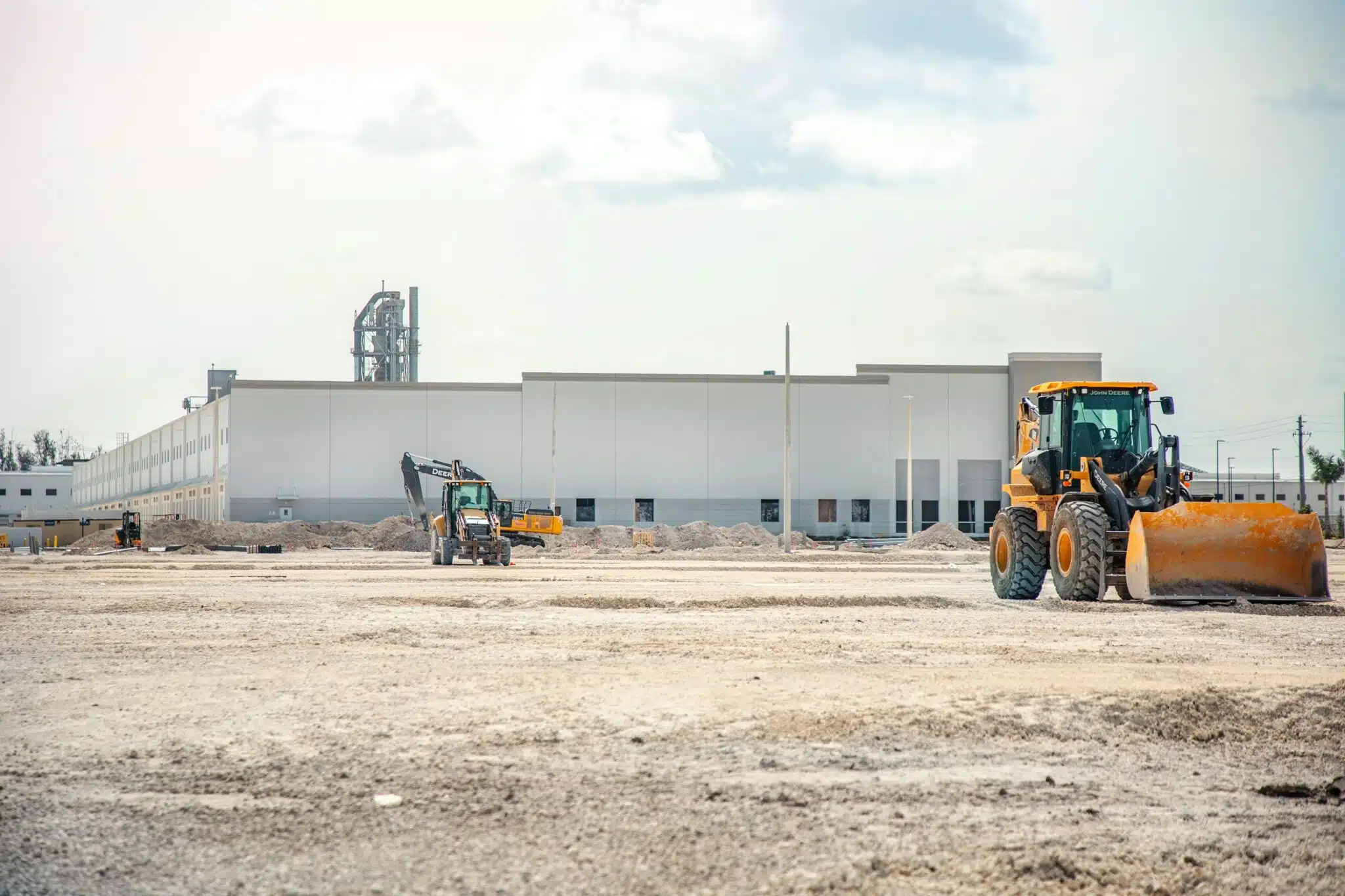
When it comes to construction projects, equipment plays a pivotal role. It’s expensive, necessary for daily tasks, and essential to keeping projects on schedule.
According to a 2024 report, the construction equipment market in the United States was valued at over $26 billion, with continued growth expected due to the increasing demand for construction services (Fortune Business Insights).
For contractors, choosing the right storage solution for such valuable assets is more than just a logistical decision; it’s a business move that can impact your bottom line.
This guide will help you understand how to select the ideal storage solution for your construction equipment. We’ll dive into the factors you need to consider, explore the types of storage available, and provide actionable tips to ensure your machinery stays safe, secure, and ready for use when you need it most.
Why Proper Storage is Crucial for Construction Equipment
When you spend thousands, or even millions, on construction equipment, protecting that investment is critical.
Construction tools and machinery, such as bulldozers, excavators, and cranes, are exposed to harsh weather conditions, theft, and general wear and tear when not stored properly. Without adequate storage, you risk:
- Increased maintenance costs: Prolonged exposure to weather elements can damage your equipment, leading to costly repairs.
- Lower resale value: Proper storage ensures that equipment maintains its condition, which is vital for resale value.
- Risk of theft: Equipment left in unsecured locations is more susceptible to being stolen, especially with the rise in construction theft, which accounted for $1 billion in losses across the U.S. in 2023 (National Insurance Crime Bureau).
In this section, we’ll explore how to choose the right storage option for your construction gear to ensure its longevity and safety.
Key Considerations When Choosing Storage for Your Construction Equipment
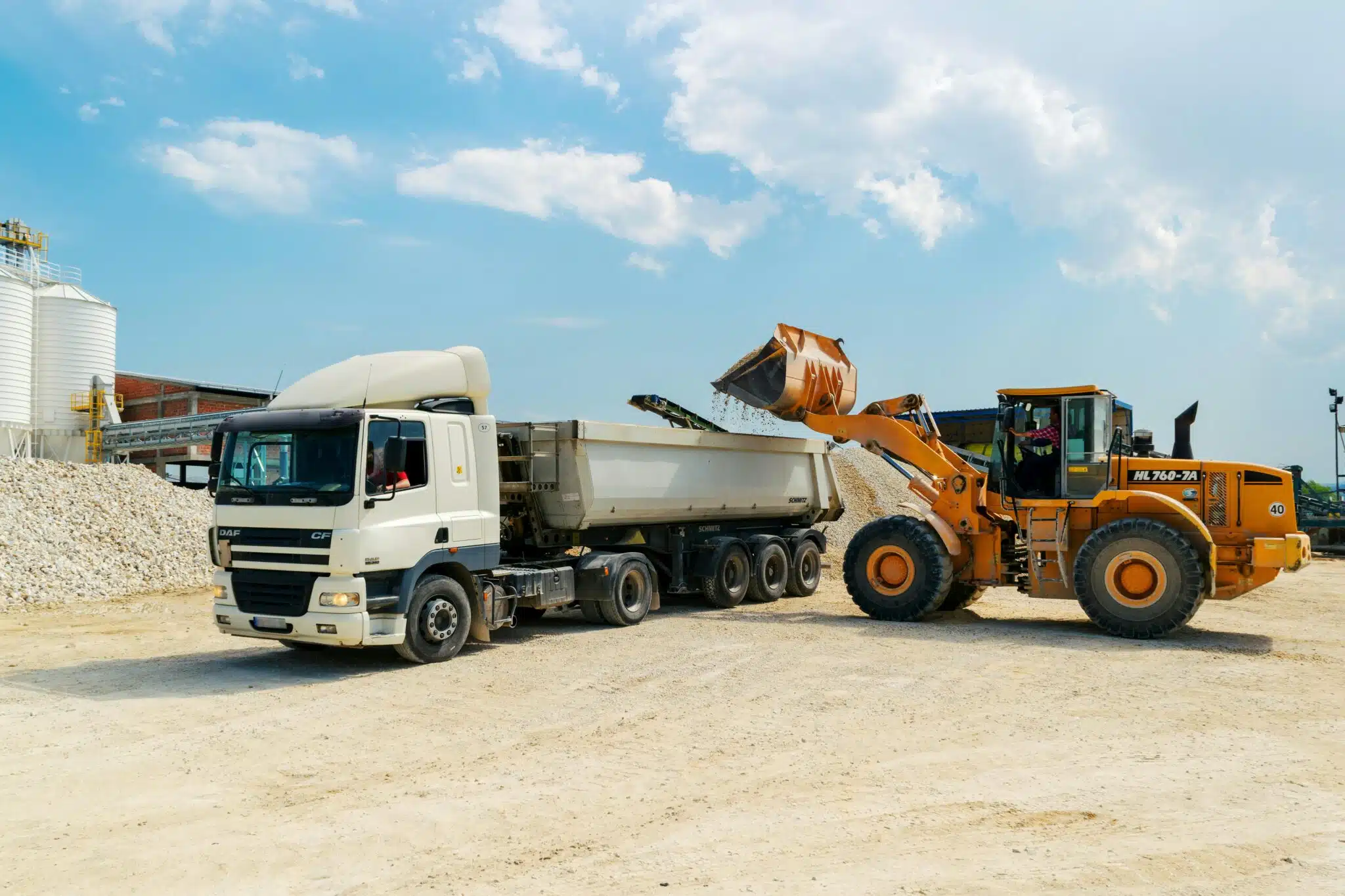
When selecting the right contractor storage for your equipment, consider the following factors to ensure your gear is stored safely and efficiently:
1. Equipment Type and Size
The type and size of your equipment play a large role in determining where and how it should be stored. Small tools and equipment may fit into smaller storage units, but heavy machinery like bulldozers or excavators will need much larger, more secure spaces.
- Small Equipment: For hand tools, ladders, and smaller machinery, self-storage units or on-site storage containers work well.
- Heavy Machinery: Larger items may require dedicated outdoor storage yards or indoor warehouse space with sufficient clearance.
Consider the overall size and weight of your machinery when choosing a facility. You should have enough room to store your equipment safely while keeping accessibility easy.
2. Duration of Storage
How long do you need to store your construction equipment? Whether you’re storing items temporarily or for long periods, different storage options are suitable for different timeframes.
- Short-Term Storage: If you need to store equipment for a few days or weeks between projects, portable storage containers or a local storage facility with flexible lease terms may be ideal.
- Long-Term Storage: For equipment you don’t need daily, especially during off-season periods, you may need indoor climate-controlled storage to protect against the elements and extend the life of your equipment.
Understanding your storage needs based on the duration helps you pick a solution that saves money and provides flexibility.
3. Location and Accessibility
The location of your storage solution is also an essential factor. Whether you need easy access to your equipment during a project or are storing it for the long term, proximity to your job sites can save both time and money.
- On-Site Storage: If your job sites are spread across a wide area, consider mobile storage units that can be brought directly to the location. This allows for immediate access to your tools and equipment without wasting time.
- Off-Site Storage: If you have the space to store equipment off-site, facilities closer to your primary operations are better to ensure quick access when you need it.
For instance, moving and storage New York services often cater to contractors working on city projects, where space is limited, and storage containers provide the most flexible option for storage right at the job site.
Types of Storage Options for Construction Equipment
Now that we’ve considered some key factors, let’s dive into the various types of storage options available for contractors:
1. Outdoor Storage Yards
Outdoor storage is a common and cost-effective solution for storing large equipment such as bulldozers, cranes, and excavators. These yards are typically fenced and may include additional security features like cameras or on-site personnel.
- Pros:
- Affordable
- Ideal for larger, rugged equipment
- Secure with proper fencing and security measures
- Cons:
- Exposure to weather conditions can lead to rust, fading, or damage
- Not suitable for sensitive or smaller equipment
Outdoor storage works best for equipment that is built to withstand the elements, like large construction machinery or trucks.
2. Indoor Storage (Warehouses)
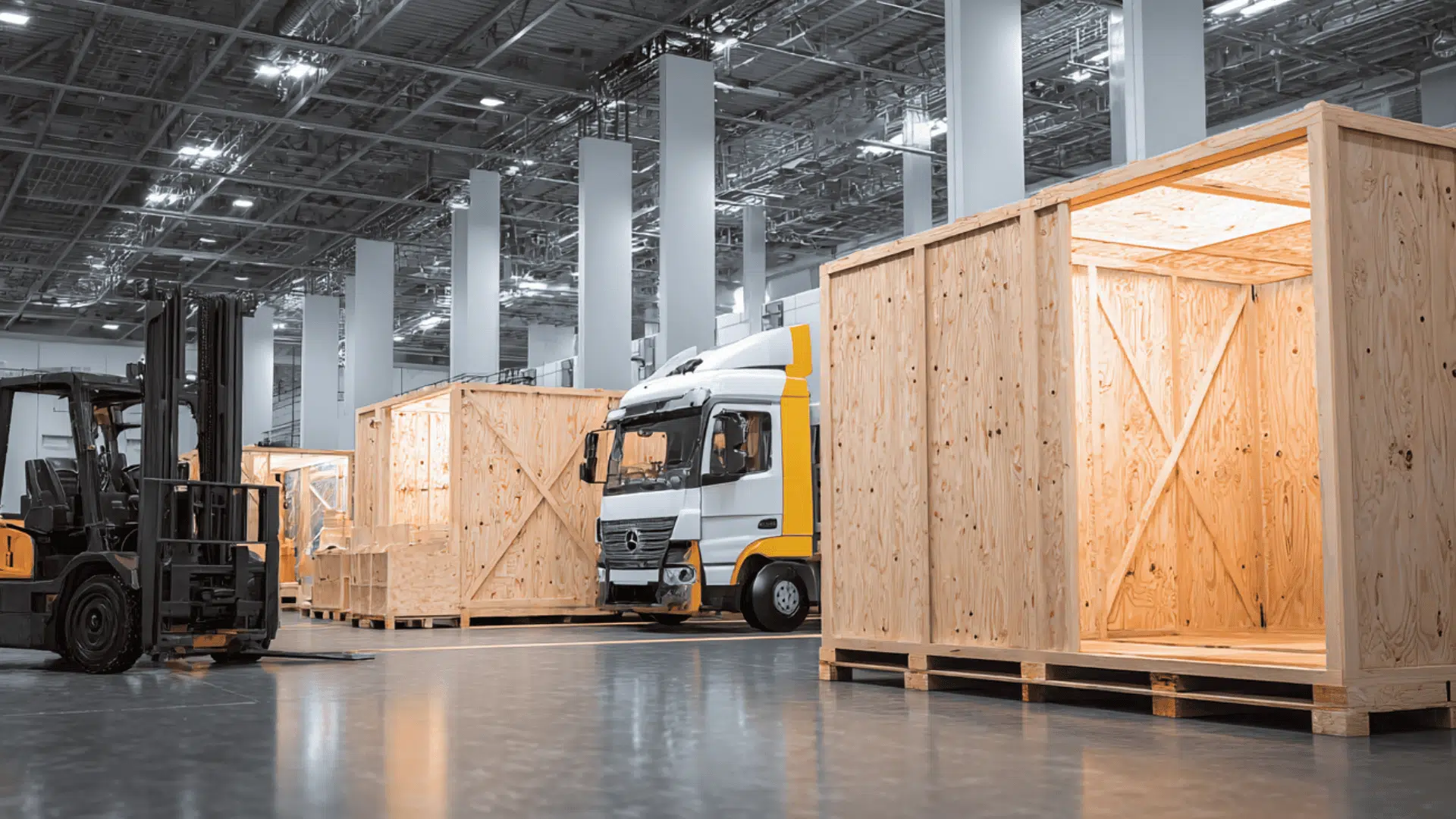
Indoor storage, such as warehouse space, offers a higher level of protection from the elements and security. It’s a suitable option for contractors who need to store sensitive machinery or equipment during downtime or long periods of non-use.
- Pros:
- Protects equipment from weather, pests, and vandalism
- Ideal for smaller, precision equipment
- Climate-controlled spaces can prevent the deterioration of electronics and machinery
- Cons:
- Can be more expensive than outdoor storage
- Less convenient for accessing the equipment frequently
Indoor storage is especially beneficial for smaller tools or electronics sensitive to heat or moisture.
3. Portable Storage Containers
Portable storage containers, often used for on-site storage, offer flexibility and convenience. They can be delivered directly to your job site and moved around as necessary.
- Pros:
- Mobile and easy to relocate
- Secure steel construction
- Flexible lease terms
- Cons:
- Still exposed to the elements unless additional weatherproofing is added
- Limited space compared to warehouse storage
These containers are often used for tools and smaller equipment that need to be quickly accessed on-site.
4. Self-Storage Units
Self-storage units are widely available and come in various sizes, making them suitable for a range of construction equipment storage needs.
- Pros:
- Easy to rent
- Convenient access hours
- Often includes security features like cameras and gated access
- Cons:
- Not always suitable for larger equipment
- Can become costly for long-term use
Self-storage is ideal for contractors who need to store smaller equipment, tools, and materials at a nearby location with flexible access.
Security and Insurance Considerations
Regardless of the storage type, security should be a top priority. Theft of construction equipment is a growing issue in the industry, with $1 billion in construction theft reported annually in the U.S. (National Equipment Register). Ensure your chosen facility has:
- 24/7 surveillance
- Gated access with personal identification or PIN codes
- On-site security personnel
Additionally, make sure to check with the storage provider about insurance coverage. Many storage facilities offer insurance options to cover damage or theft, which can help mitigate financial risks.
Final Tips for Choosing the Right Storage
- Evaluate Your Needs: Take into account the type, size, and value of your equipment.
- Consider Access Frequency: Choose a solution that matches how often you need to access your gear.
- Protect Your Investment: Ensure your storage facility offers robust security features and climate control options where necessary.
- Compare Prices: Be mindful of your budget and look for storage solutions that provide the best value for your needs.
By carefully evaluating your options, you can make an informed decision that will not only protect your valuable equipment but also improve the efficiency of your business operations.
In conclusion, selecting the right storage option for your construction equipment requires a clear understanding of your needs, the equipment you’re storing, and the space required. Whether you choose outdoor yards, indoor storage, or portable containers, ensuring the safety and accessibility of your machinery is critical to maintaining productivity and protecting your investment.