Thinking about building a container home but not sure how much it really costs? You’re not alone.
More people are turning old shipping containers into unique, affordable homes, but the price can vary a lot depending on size, location, and how much work you do yourself.
Some people spend less than buying a traditional house, while others end up paying more for custom designs and finishes.
In this guide, I’ll break down the real costs of building a container home – from buying the containers to finishing the interior.
Average Cost for Building a Container Home
On average, building a container home costs between $25,000 and $250,000, depending on the size and design. That wide range can make it tricky to know what to expect at first.
Some people build small, cozy spaces on a tight budget, while others create large, stylish homes with higher-end finishes.
The key is to start with a clear budget and realistic expectations.
A container home can be an affordable way to own a unique space, but understanding the typical price range early on helps you plan smarter and make the most of your investment.
Container Homes Cost Breakdown: Full Budget Guide
Building a container home involves more than just buying a few shipping containers. Every stage, from preparing the land to adding final touches, affects the total cost.
1. Containers And Delivery
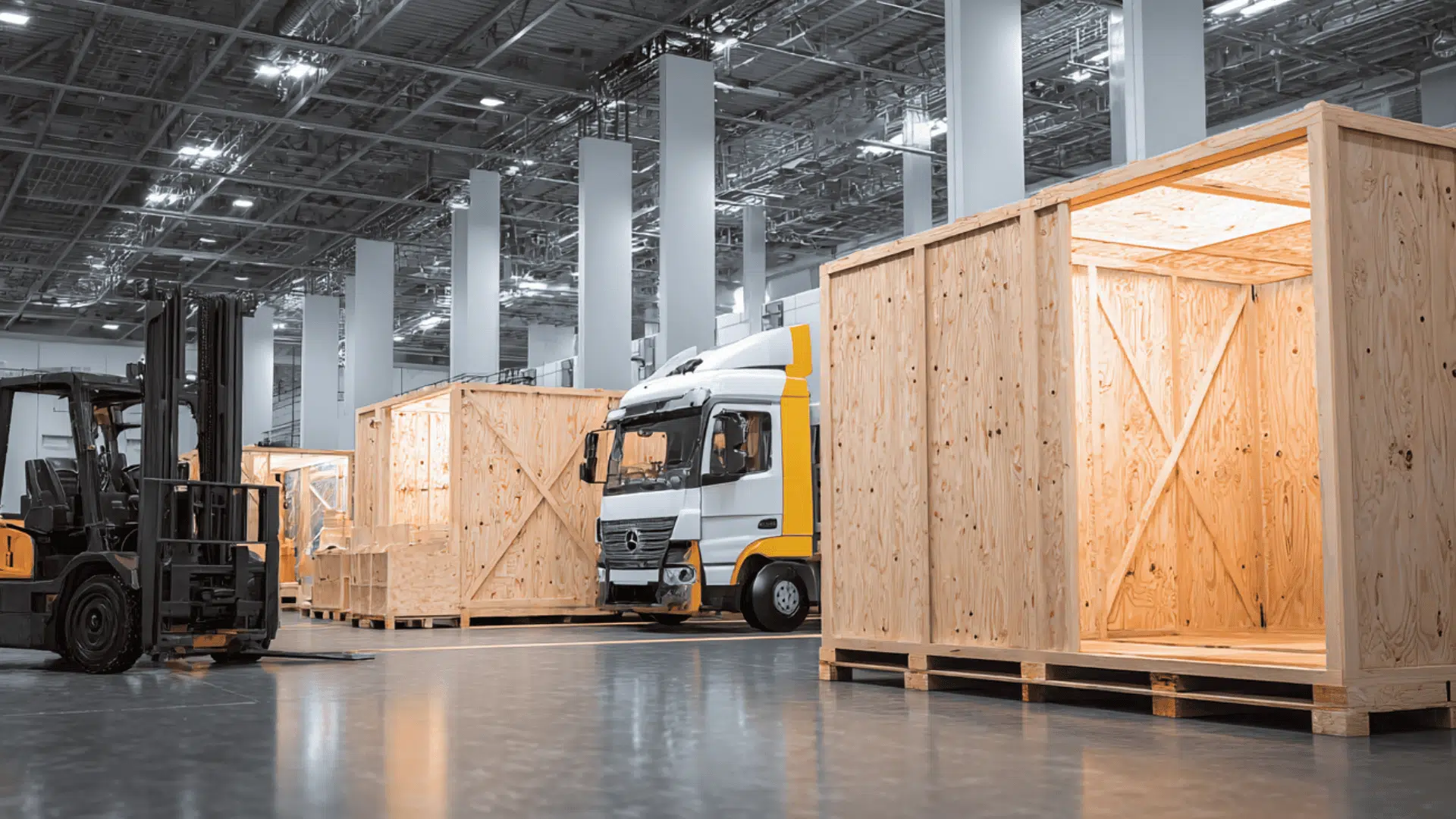
Shipping containers usually cost between $1,500 and $10,000 each, depending on size and condition. Used containers are cheaper but might need cleaning or minor repairs. Delivery fees vary based on distance and access, sometimes adding a few thousand dollars.
2. Site Work And Foundations
A strong base is essential for a lasting container home. Pier foundations are more affordable, while slabs or crawl spaces cost more but add stability. This stage also includes grading, clearing, and utility hookups, which can take a big part of your budget. Always ensure the ground is level and properly drained before starting construction.
3. Structure And Welding
Cutting and reinforcing containers for doors and windows requires skilled welding. More openings mean higher labor and material costs. Keeping the structure simple can save thousands in steelwork. Using professional welders ensures safety and long-term durability.
4. Insulation And Moisture Control
Steel containers heat and cool quickly, so insulation is key. Spray foam works best but costs more, while rigid or batt insulation is cheaper. Moisture barriers help prevent rust and mold. Proper insulation also makes your home more energy efficient year-round.
5. Windows, Doors, And Framing
Standard windows and doors are affordable, but custom sizes increase costs. Interior framing hides wires and insulation for a polished look. It also improves strength and soundproofing. Choosing energy-efficient windows can help lower future utility bills.
6. Plumbing, Electrical, And HVAC
Water lines, wiring, and heating or cooling systems are major budget items. Compact systems like mini-splits or tankless heaters save energy and space. Plan the layout early to keep installation simple. Hiring licensed pros helps you meet building codes safely.
7. Interior Finishes
Drywall, flooring, cabinets, and lighting turn your container into a home. Costs depend on your materials and design choices. It’s easy to overspend here, so set priorities. Even small design details can make your space feel more open and comfortable.
8. Exterior Cladding And Roofing
Adding siding or a new roof improves insulation and style. Exposed metal walls are cheaper but less efficient. A sloped or insulated roof helps prevent leaks and heat buildup. Choosing durable materials reduces future maintenance costs. Well-designed cladding and roofing also boost your home’s lifespan and resale value.
9. Professional Fees And Permits
Architects, engineers, and local permits are part of a safe, legal build. These fees ensure your home meets codes and passes inspections. They may seem like extra costs, but they protect you from expensive mistakes later. Investing in proper approvals also makes financing and insurance much easier to secure.
10. Contingency Budget
Always set aside 10–20% of your total budget for surprises. Delays, material changes, or delivery issues can add up fast. A small backup fund keeps your project running smoothly and stress-free.
Quick Table
| Category | Typical Cost Range (USD) | Notes |
|---|---|---|
| Containers & Delivery | $1,500–$10,000 per container | Varies by size, condition, and distance |
| Site Work & Foundation | $5,000–$20,000 | Includes grading, base, and utilities |
| Structure & Welding | $3,000–$15,000 | Depends on openings and reinforcements |
| Insulation & Moisture | $2,000–$10,000 | Spray foam costs more but performs best |
| Windows, Doors & Framing | $3,000–$12,000 | Custom openings increase cost |
| Plumbing, Electrical & HVAC | $5,000–$25,000 | Larger homes need higher-capacity systems |
| Interior Finishes | $5,000–$30,000 | Based on materials and design |
| Exterior Cladding & Roofing | $4,000–$15,000 | Improves energy efficiency and style |
| Professional Fees & Permits | $3,000–$10,000 | Required for legal approval |
| Contingency | 10–20% of the total cost | Covers unexpected expenses |
Taking the time to plan for these final details ensures your container home is safe, efficient, and built to last. A little extra care now can save you major costs and headaches later on.
Container Homes Cost By Build Path
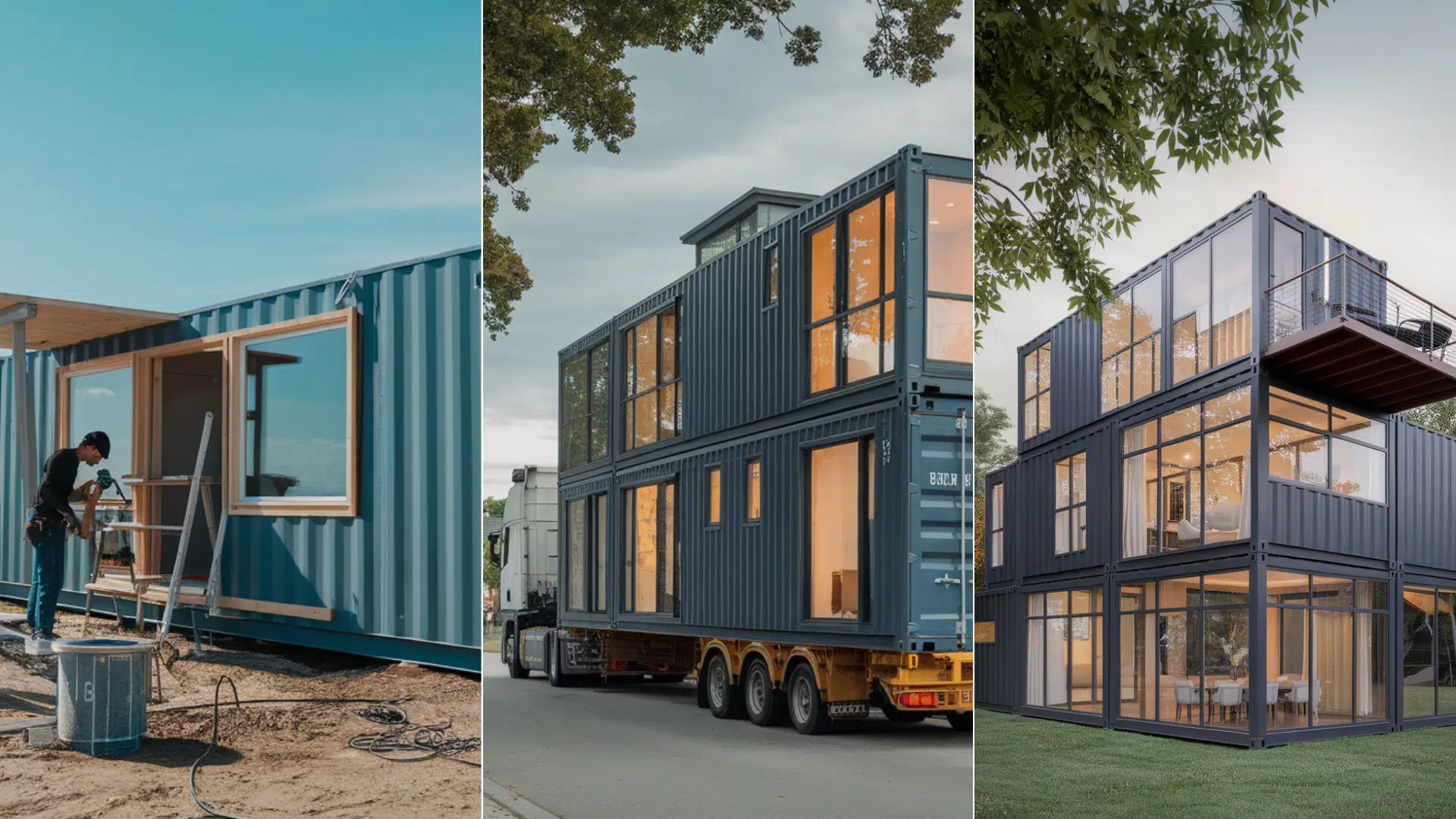
The total cost of a container home depends heavily on how you choose to build it. You can take the DIY route, buy a prefab package, or work with an architect for a custom design.
1. DIY Conversion
A DIY container home can cost between $25,000 and $80,000, depending on the materials and labor you handle yourself.
You can buy used containers, design the layout, and complete the basic work. However, skilled tasks like welding, electrical, and plumbing often need professionals, which adds cost.
The main benefit is flexibility; you can build in phases as money allows, but expect a longer timeline and some trial and error.
2. Prefab Container Home Packages
Prefab container homes usually range from $50,000 to $150,000, depending on size and features. These are factory-built units that arrive ready for assembly, making them faster to finish.
Most packages include insulation, basic wiring, and interior finishes. What’s not included are land, foundation, utility hookups, and delivery, which can add another$10,000–$30,000.
Prefabs are great for buyers who want convenience and predictable pricing with fewer hidden costs.
3. Architect-Led Custom Builds
A custom container home designed by an architect typically costs $150,000 to $250,000 or more, depending on the size, design complexity, and materials.
This route involves detailed planning, custom layouts, and extensive modifications that require engineers. While the upfront costs are higher, you get a truly personalized and durable home that meets all building codes.
It’s ideal for long-term living or higher-end designs where comfort and craftsmanship matter most.
How Much is A Container Home By Size And Configuration
The size and layout of your container home play a big role in the total cost. A small single-container setup will naturally cost much less than a multi-container family home with extra rooms and finishes.
| Home Type | Size / Layout | Average Cost (USD) | Details |
|---|---|---|---|
| Single 20-Ft Container | 160 sq. ft. | $25,000–$50,000 | Compact studio or guest unit; minimal plumbing and insulation. |
| Single 40-Ft Container | 320 sq. ft. | $40,000–$80,000 | Small 1-bedroom with kitchen and bath; ideal for solo living. |
| Two-Container Home | 640 sq. ft. | $80,000–$120,000 | Space for 1–2 bedrooms; moderate insulation and finish level. |
| Three-Container Home | 960 sq. ft. | $100,000–$180,000 | Fits small families; may include open-plan living and extra windows. |
| Multi-Container Home (4–6+) | 1,200–2,000+ sq. ft. | $150,000–$250,000+ | Custom designs with multiple rooms, decks, and high-end finishes. |
As you can see, costs increase with size, customization, and finish quality. A simple one-container home can be quite affordable, but adding more space, design features, and upgrades quickly raises the price.
Other Key Factors That Affect Container Home Costs
Building a container home involves more than just materials and design. Where you live, how you build, and how you finance it can all make a big difference in the final price.
- Regional Pricing: Labor rates, delivery costs, and local codes vary widely. Urban builds tend to be pricier, while rural sites can cost more for transport and site prep.
- Timeline: Prefab homes take about 2–4 months, DIY builds can take 6–12 months, and custom projects may take longer due to design and permits.
- Permits & Codes: Expect to spend $3,000–$10,000 for required permits, inspections, and engineering fees. Professional help ensures your home meets safety standards.
- Financing & Insurance: Construction loans are common, and insurance is usually similar to modular homes once approved. Detailed plans make both processes smoother.
These details might not seem major at first, but they add up quickly. Understanding them early helps you plan a realistic budget and avoid surprise costs later.
Container Homes vs. Traditional Homes
Container homes and traditional houses both offer unique benefits, but they differ in cost, speed, and long-term maintenance. Knowing these differences helps you decide which option fits your lifestyle and budget better.
| Feature | Container Home | Traditional Home |
|---|---|---|
| Average Cost | $25,000–$250,000 | $150,000–$500,000+ |
| Build Time | 2–8 months | 8–18 months |
| Durability | Strong steel frame, weather-resistant | Long-lasting with proper maintenance |
| Customization | Moderate; limited by container shape | Highly flexible design options |
| Energy Efficiency | Good with proper insulation | Can be very efficient with upgrades |
| Permits & Codes | Vary by location; sometimes complex | Well-established approval process |
| Maintenance | Low if sealed and insulated properly | Regular upkeep for wood and roofing |
| Resale Value | Growing interest varies by market | Generally stable and predictable |
While container homes can be faster and more affordable to build, traditional homes still offer greater flexibility and resale stability. The right choice depends on your budget, location, and the level of customization you want.
Real-Life Container Home Examples With Costs
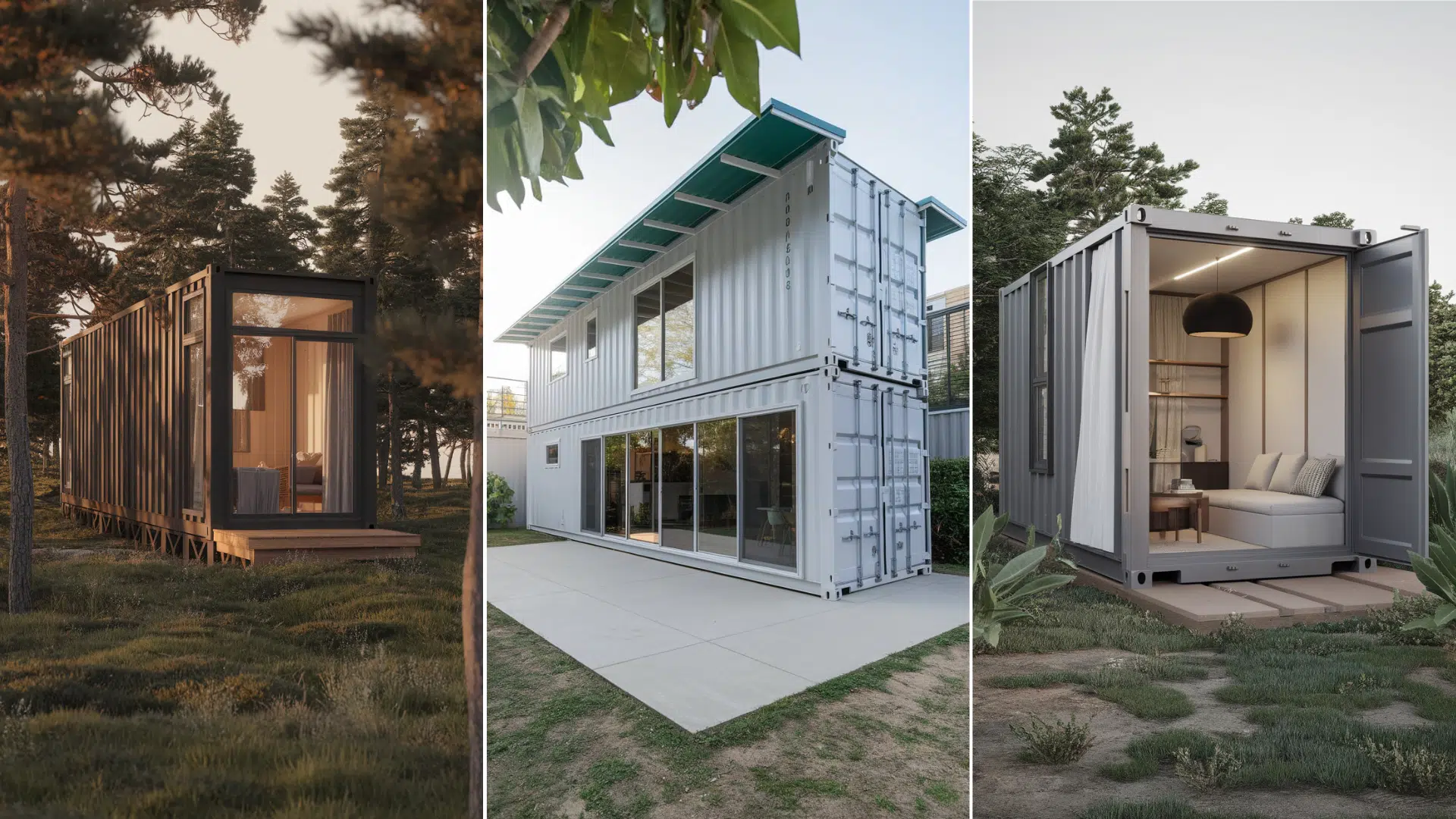
Looking at real projects gives a better idea of what container homes actually cost. These examples show how budget, size, and design choices can change the final price and outcome.
1. Single 40-Ft Weekend Cabin
A small, one-container cabin can cost around $45,000–$70,000, depending on finishes and location. It’s a simple build often used as a guest house or getaway spot.
- Size: About 320 sq. ft.
- Style: Open-plan with kitchen and bath
- Tip: Use a one-trip container to save on repairs and cleaning
2. Two-Container 640-Sq-Ft Home
This setup combines two 40-ft containers for more living space, costing roughly $90,000–$120,000. It’s great for couples or small families.
- Size: Around 640 sq. ft.
- Style: 2 bedrooms, 1 bath, shared living area
- Tip: Keep the structure simple to save on welding and steel reinforcements
3. Prefab 20-Ft Studio
Prefab studios are smaller and faster to complete, averaging $30,000–$60,000. They’re popular for home offices or rental units.
- Size: Around 160 sq. ft.
- Style: Fully finished shell with minimal setup required
- Tip: Check what’s included – some prefab kits exclude delivery and hookups
These real-world examples show how costs can fit different budgets and needs. Whether you want a weekend retreat or a full-time home, container builds can be flexible and affordable when planned carefully.
Conclusion
Building a container home can be an affordable and creative way to design your own living space.
Costs can range widely, from small, budget-friendly builds to larger, custom designs, but knowing what to expect helps you plan smarter.
The key is to start with clear goals, realistic pricing, and a solid understanding of the costs for each stage. With the right planning, a container home can offer modern style, durability, and comfort without breaking the bank.
If you’re serious about building one, start by setting a budget and talking to local builders with experience building container homes.
It’s the best way to get real numbers, check out design options, and move closer to creating your dream home.