Selling a home comes down to two questions in a buyer’s mind: Can I picture myself living here? and What am I going to find wrong with it? Get the first answer to “yes” and the second to “nothing,” and you have a fast sale at a strong price. Most sellers pour energy into the first question and forget the second entirely, right up until the building-and-pest report lands and the deal wobbles.
A genuinely sale-ready home addresses both. One side is presentation. The other is the paperwork that survives scrutiny. Here is how to handle each.
Presentation: Help Buyers See the Home, Not Your Stuff
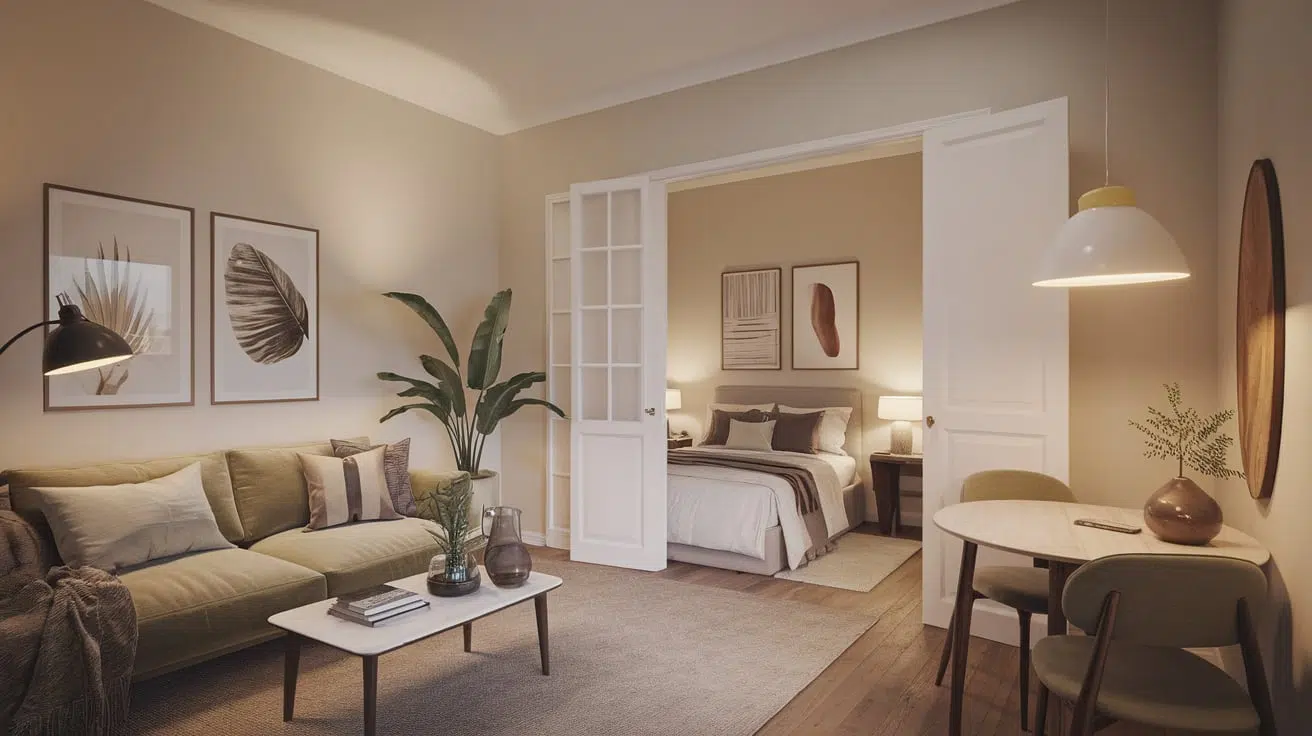
Buyers struggle to imagine their own life inside someone else’s clutter. The job of staging is to get out of the way, to present rooms that feel spacious, light, and aspirational, so a buyer’s imagination can move in before they do. That means decluttering hard, depersonalizing (the family photos come down), and arranging furniture to show off flow and scale rather than to suit how you happen to live.
Done well, staging consistently returns more than it costs. A professionally presented home photographs better, which drives the online clicks that fill your first open home, and it anchors buyers to a higher perceived value once they walk through. If your own furniture is dated, mismatched, or simply too much for the space, bringing in the home stagers at Furniture Fitouts lets you reset each room with pieces chosen to flatter the property rather than reflect your taste. The goal is a home that feels like the lifestyle the buyer is shopping for.
The Paperwork: Pass the Inspection Before It Surprises You
Here is where Australian sales quietly fall apart. In most transactions the buyer will commission a building-and-pest inspection during their cooling-off period, and at the top of that inspector’s list is termites. A live termite finding, or even evidence of past activity that wasn’t properly treated, is one of the most common reasons a contract collapses or a buyer reopens negotiations to claw back thousands.
The mistake sellers make is waiting to find out what the buyer’s inspector finds. By then you have lost control: the buyer holds a damaging report, the clock is running, and you are negotiating from the back foot. The smarter move is to get ahead of it. Booking your own pre-sale termite inspection means you learn about any problem on your own timeline, while you still have the room to treat it calmly and present a clean bill of health to buyers.
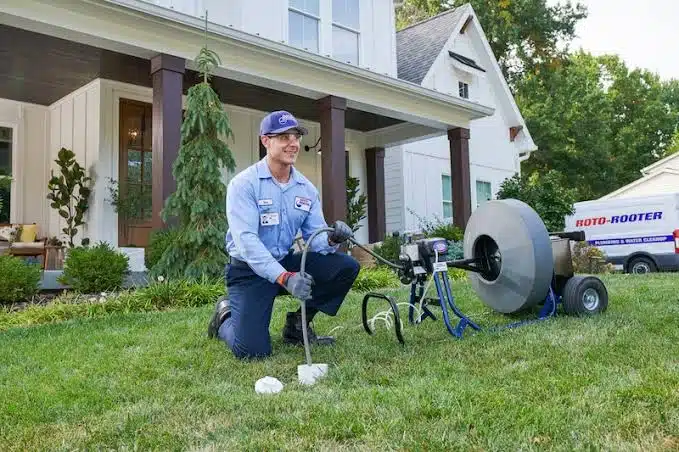
A termite treatment specialist like Bug Busters can inspect the property, treat any active issue, and, just as valuable, document the work, so when a buyer’s inspector arrives there is nothing to find and a paper trail that builds confidence rather than doubt. A clean, recent termite report does the same job for the structure that staging does for the styling: it removes the buyer’s reason to hesitate.
The First Impression Happens Before the Front Door
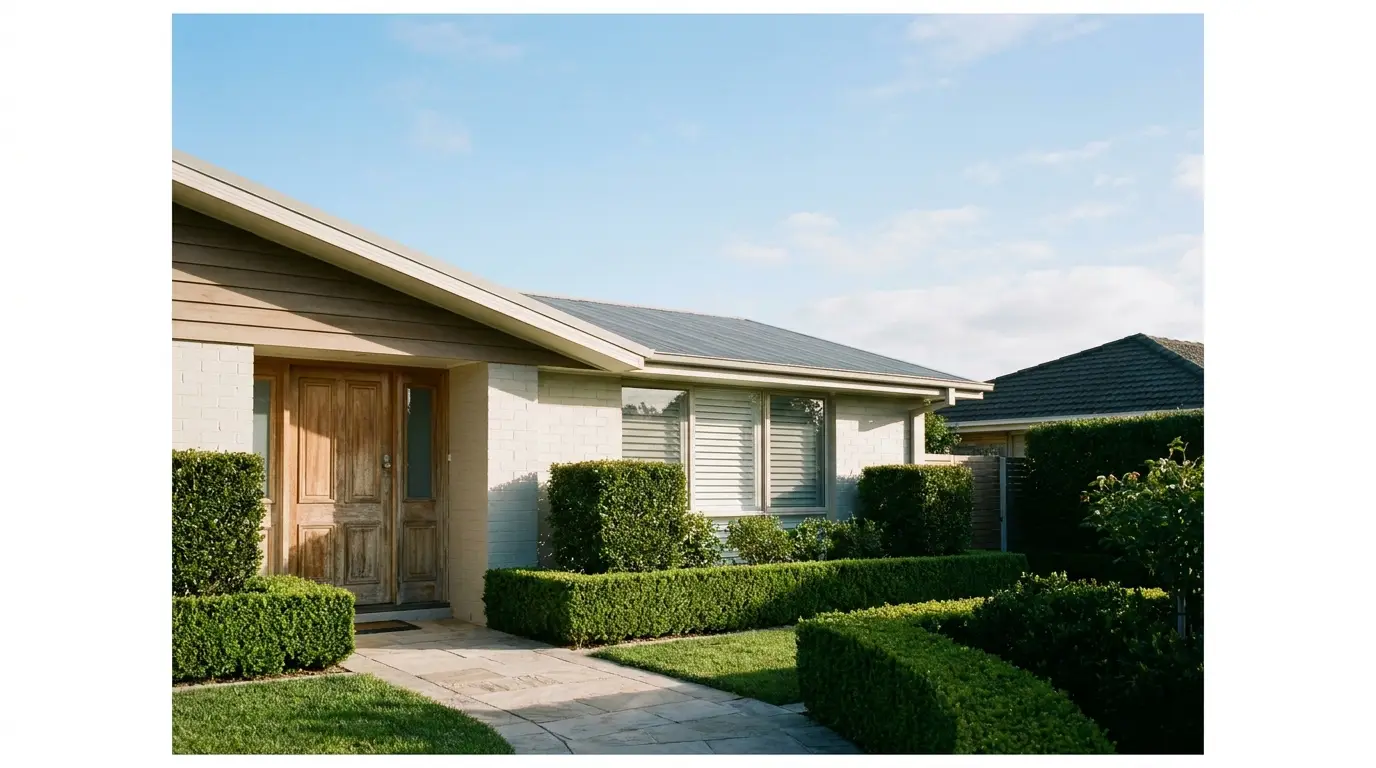
Most sellers focus on the living room and forget that a buyer’s opinion is half-formed before they ever step inside. The listing photos decide whether a buyer clicks on your home at all, and the street view, the so-called “curb appeal,” sets their mood as they pull up to the open home. A tidy front garden, a clean façade, a clear entrance, and a freshly presented exterior tell the buyer the home has been cared for, which primes them to look for reasons to say yes rather than reasons to say no. Staging the inside while neglecting the approach is like dressing well for an interview and forgetting to shake hands.
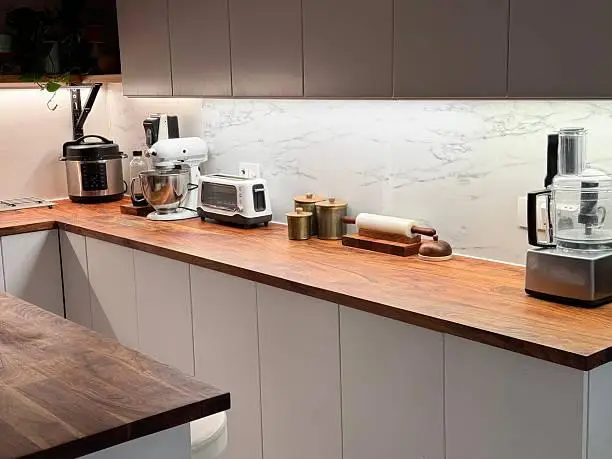
Inside, the rooms that earn their staging budget are the ones buyers weight most heavily: the main living space, the kitchen, and the master bedroom. These are where a buyer decides whether the home fits their life. Spend the effort there first, presenting them as light, spacious, and aspirational, and the smaller rooms carry far less of the decision.
Know What the Buyer’s Inspector Is Looking For
It helps to understand the report you are trying to pass. A building-and-pest inspector is checking for active termite activity and the conditions that invite it: timber in contact with soil, drainage that runs toward the slab instead of away from it, leaking taps and damp subfloors, and stored timber or mulch stacked against the house. Many of these are things a homeowner can fix or tidy well before an inspection ever happens.
That is the quiet value of going first. A pre-sale inspection doesn’t just clear termites; it surfaces these risk factors early, while you still have the time and the calm to address them on your own terms rather than under the pressure of a buyer’s cooling-off deadline. You move through the process in control of the timeline instead of reacting to someone else’s report, and that control is often worth as much as the clean result itself.
Sequence the Work for an Easy Sale
Order matters when you are getting a home to market:
- Inspect and treat first. Handle any pest or termite issue before the styling goes in. You don’t want stagers working around a treatment, and you want the report in hand early.
- Declutter and repair. Clear the excess and fix the obvious small faults while the rooms are empty.
- Stage the home. Bring in furniture and styling once the space is clean, sound, and treated.
- Photograph, then list. Capture the home at its best, with the reassurance of a clean inspection behind you.
Two Sides of the Same Outcome
Staging makes a buyer want the home. A clean pest report removes their reason to walk away from it. One drives the emotional yes; the other protects it through the due-diligence phase where so many sales unravel. The sellers who consistently sell faster and hold their price are not necessarily the ones with the best house on the street. They are the ones who handled both sides, presenting beautifully and clearing the inspection in advance, so that by the time a buyer goes looking for a reason to hesitate, there simply isn’t one left to find.