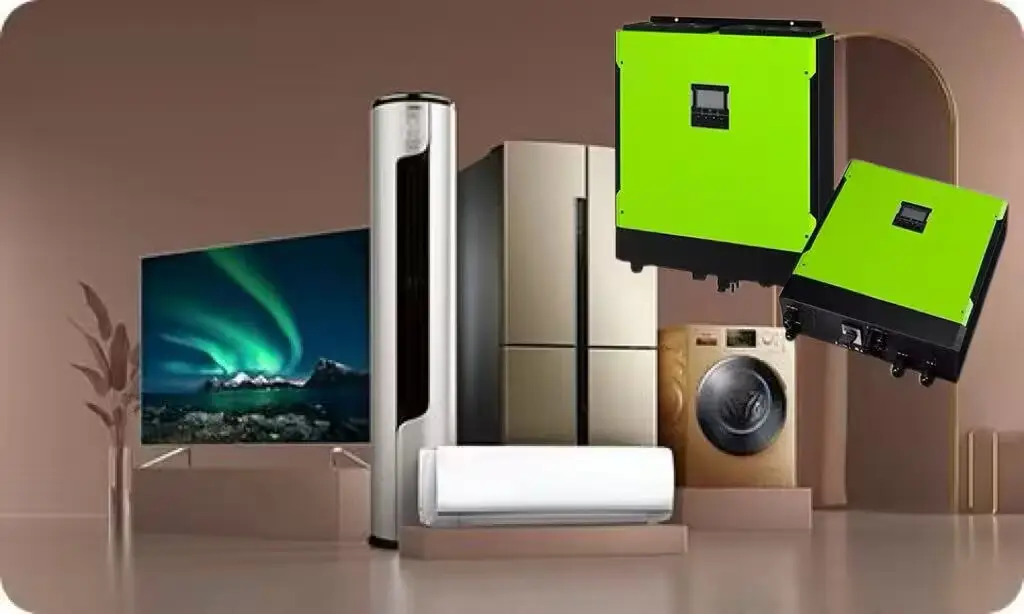
The grid goes down. The house of your neighbor becomes dark. Yours does not. A hybrid solar inverter does that to you.
It is a box that includes a solar charge controller, a battery inverter, and a grid-tie inverter. The solar panels recharge your batteries during the day. The grid tops them up at night. The inverter goes to battery in a few milliseconds when power cuts strike. Your house never has the difference.
What Is a Hybrid Solar Inverter?
A hybrid solar inverter is one device that right now controls 3 power sources all at the same time: your solar panels, your battery bank, and the utility grid.It also determines automatically the source you will draw on depending on what you need and what is around.
The majority of inverters perform a single task. A grid-tie inverter will connect your solar panels to the grid. An off-grid inverter operates off a battery only. A hybrid solar inverter will do both of them, and battery backup as well.
What Makes It Different From Other Solar Inverters
- Grid-Tie Inverter: The grid-tie inverter operates during grid on. Shuts off during power cuts. No battery support.
- Off-Grid Inverter: It does not depend on the grid and is unable to export or use grid pricing.
- Hybrid Solar Inverter: Available both on grid and battery. Continues to run in case of power interruption. Exports surplus to the grid. Best of both worlds.
How a Hybrid Solar Inverter Works
Your power flow is controlled by the inverter. That is what occurs in every part of the day.
During Daylight Hours
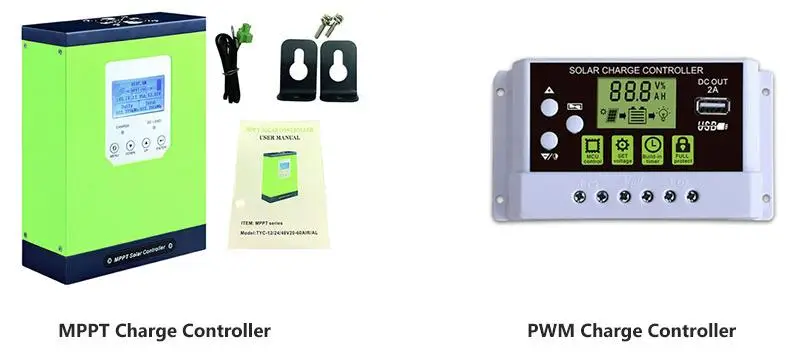
DC power is produced by solar panels. The MPPT charge controller built-in draws the maximum power out of the panels at any time even when clouds diminish the sunlight. Unutilized solar energy fills up the battery. In case the battery is full, excess energy is offered to the grid.
At Night or on Cloudy Days
The inverter depletes the battery when the level of the sun decreases. When the battery becomes weak, the smartphone will automatically get some power on the grid. You do not need to turn a switch or make a choice. Everything is contained in the inverter.
During a Power Cut
The power outage in the grid is detected by the inverter after milliseconds and switched to battery power immediately. Your kitchen appliances do not stop. The grid is re-connected via the inverter and it restarts itself.
MPPT Technology Why It Matters
Maximum Power Point Tracking is abbreviated as MPT. It is technology that gets the last out of your solar panels despite the shade, temperature as well as day of the day.
- No MPPT: On a variable day the panels can be adjusted to 6070 percent of their rated capacity.
- With MPPT: The inverter is constantly adjusted to maintain maximum efficiency of panels.
- Consequence: Greater power output, reduced battery-charging time, reduced payback time.
Hybrid Solar Inverters: The Major Applications
Hybrid solar inverters are also highly developed gadgets that engineer solar energy control, battery storage, and power connection at one witty unit. They find extensive application in domestic, commercial, and industrial areas to provide uninterrupted power supply, lower power bills, and maximize the utilization of renewable energy. These inverters automatically and intelligently switch between solar, battery and grid power, ensuring that the inverters remain stable even during grid outages or during fluctuations in the grid.
The hybrid solar inverters are being combined with AI-powered energy tracking systems on top of traditional energy management. Such systems examine the consumption patterns, optimize the battery use and enhance the overall energy efficiency and hence hybrid inverters are very suitable in smart homes, factories and other facilities that have the interest of saving energy.
Moreover, the hybrid solar inverters are capable of reducing the electricity bills in addition to contributing to the use of friendly energy sources by making the most out of the solar power and lessening the relying on mainstream fuels. They are fulfilling the daily energy requirements besides providing long term efficiency, cost saving and consistent performance to a broad spectrum of applications.
Hybrid vs. On-Grid vs. Off-Grid Which One Do You Need?
This is the question most buyers get stuck on. The table below clears it up in one look.
|
Feature |
Hybrid Solar Inverter |
On-Grid Inverter |
Off-Grid Inverter |
|---|---|---|---|
|
Grid Connection |
Yes, grid + battery |
Yes, grid only |
No, standalone |
|
Battery Storage |
Yes , built-in support |
No |
Yes |
|
Backup Power |
Yes , automatic switch |
No ,shuts off in outage |
Yes |
|
MPPT Tracking |
Yes ,advanced MPPT |
Yes |
Yes |
|
Works Without Sun |
Yes , draws from grid/battery |
No |
Battery only |
|
Best For |
Homes, shops, mixed use |
Grid-tied no storage |
Remote locations |
|
Cost |
Higher , more features |
Lower |
Medium |
The only type that covers all three requires you to have solar power and also have a battery backup and at the same time be able to remain connected to the grid which is the hybrid solar inverter. It is the most multifunctional and the most intelligent long-term investment
Key Benefits of a Hybrid Solar Inverter
1. Uninterrupted Power Supply
In milliseconds, when the grid goes off the inverter goes to battery power. No downtime. No resets. No wasted food or uninterrupted labour. Your business or house continues operating as a going concern.
2. Lower Electricity Bills
The electricity that you purchase is minimized because solar power is produced throughout the day. There is an option of credit to export any excess to the grid. The system is paid off in the long run through the savings.
3. Smart Grid Management
Peak-shaving and valley-filling can be done by hybrid inverters. This implies that they utilize the battery at the times of high tariff when grid power costs high and recharge at the times when it is cheap.
4. One Device, Three Functions
You no longer need to purchase an MPPT charge controller, a battery inverter and a grid-tie inverter, you have it all in a single unit. This is cost saving, less complex in wiring as well as in maintaining the system.
5. Automatic Mode Switching
The inverter determines the grid working and automatically switches to on-grid and off-grid mode. There is no requirement to operate it manually or even to pay attention to it.
How to Choose the Right Hybrid Solar Inverter
Step 1: Calculate Your Power Needs
Add up the wattage of all of the appliances that you would like to run at one time. Add 20% as a safety buffer. This gives you your minimum solar inverter size.
Step 2: Match the Inverter to Your Solar Array
- Inverter Donkey Plant Up to 6 kW arrays peak 5 kW inverter
- 5.5 kW inverter: Suitable for arrays of up to 7 kW peak
- 10 kW inverter: Suitable for arrays up to 12 kW peak
Step 3: Check Battery Compatibility
All the models on Inverter.com can be used with 48V battery banks. Check your existing batteries or plan on the size of your bank based on the number of hours that you need to back-up.
Step 4: Check Your MPPT Voltage Range
Your solar panel string voltage has to be in your MPPT range on your inverter. If your panels are producing 600V DC then you will need an inverter with MPPT range for 600V. The 5 kW and 10 kW models offer up to 900V DC, giving you the most flexibility.
Step 5 : Think About Efficiency
Increased efficiency implies decreased energy in the form of heat. The 5.5 kW model is the one with the best efficiency of 93%, which is the best in the range. Over the years of operation even a 1% difference in efficiency can be added up to huge savings.
Sum Up
A hybrid solar inverter is not a simple backing up device. It is a complete energy management system, one you can use to make your bills lower, keep your power on when the power goes out and make the most of every ray of sunshine. Every unit is built with MPPT technology, Pure sine wave output, Auto Grid switching and LCD display. Whether you are looking to protect a small home or power a commercial facility, there is a model to meet the job. Pick your size Look at your solar array voltage and make the first step to energy independence.