Deciding between fleet fueling vs gas station fueling has shifted from a simple convenience to a massive factor in a company’s survival, especially in today’s cutthroat logistics and construction markets. It really comes down to the bottom line—if you aren’t optimizing how your equipment gets its energy, you’re likely bleeding time and money that your competitors are saving.
For businesses tethered to the road—whether they manage a handful of delivery vans or a massive fleet of heavy yellow iron—the way they choose to “fill up” dictates their bottom line. The traditional image of a line of trucks idling at a retail pump is rapidly being replaced by a more sophisticated, mobile-first approach.
Companies are no longer just asking where the nearest station is; they are dissecting the hidden costs of every minute spent off-route.
The Real Cost of the “Retail Crawl”
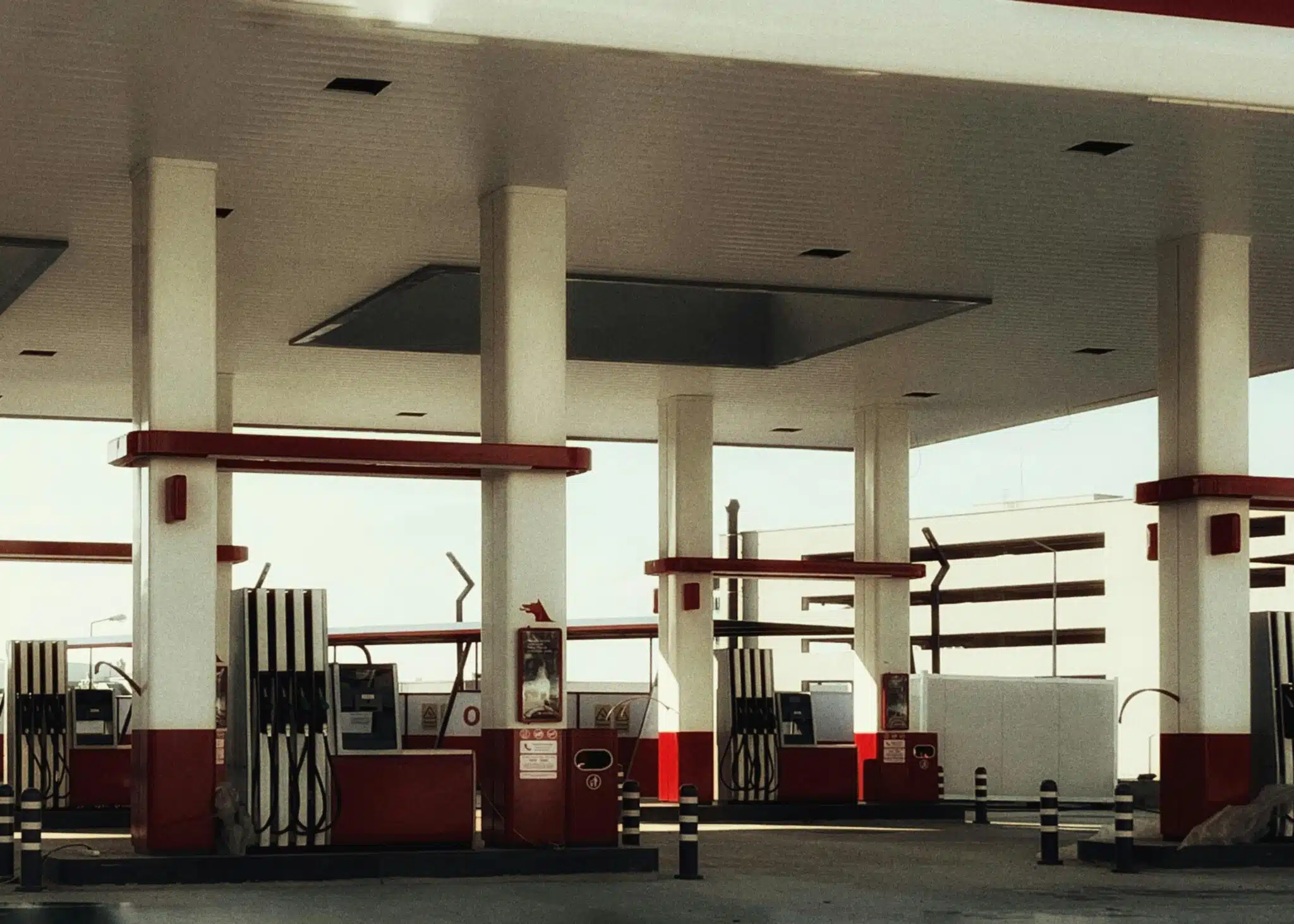
For decades, gas station fueling was the unchallenged default. It felt easy because it required zero setup. But when you pull back the curtain, the inefficiencies are staggering. Every time a driver has to veer off their route to find a gas station, the company is basically burning time—and money—with the clock quietly running in the background.
They aren’t just paying for the diesel; they’re paying for the driver’s hourly wage, the wasted fuel spent idling in traffic, and the inevitable “snack run” that turns a five-minute fill-up into a twenty-minute break.
Beyond the clock, there is the physical risk. Navigating a 53-foot trailer or a specialized rig through a cramped retail lot designed for sedans is a recipe for insurance claims.
For a fleet manager, this lack of oversight creates a “black hole” in the budget where fuel theft or unauthorized purchases can easily hide behind a stack of paper receipts.
Flipping the Script with Proactive Delivery
This is where the transition to mobile fleet fueling changes the game entirely. Instead of making the fleet go out of its way to find fuel, the fuel is brought directly to the fleet.
The most successful operations today utilize “wet-hosing” or mobile on-site delivery, usually performed under the cover of night. While the drivers are home and the engines are cold, a professional technician services every unit on the lot.
By the time the sun comes up, every vehicle is topped off and ready to roll. This proactive model doesn’t just save time; it changes the psychology of the workday. Drivers start their shifts focused on their primary mission—delivery, transport, or site work—rather than worrying about where they’ll find a station that fits their rig. This creates a rhythmic, predictable workflow that eliminates the morning “bottleneck” at the yard.
Analyzing the “Total Cost of Fueling”

If you only look at the price displayed on a roadside marquee, you’re missing the forest for the trees. To truly compare fleet fueling vs gas station fueling, one must calculate the “Total Cost of Fueling.” Retail prices might occasionally look lower on the surface, but they don’t account for “labor leakage.”
Mobile fueling stabilizes these costs. It provides a transparent, consistent pricing structure that allows for precise forecasting. For a growing business, having a fixed handle on energy costs is the difference between a profitable quarter and a budget deficit.
Data as the New Diesel
One of the most overlooked perks of moving away from the pump is the sudden influx of high-fidelity data. In a retail environment, you are at the mercy of whatever information the driver remembers to write down or the accuracy of a crumpled receipt. In contrast, modern fleet fueling is a digital-first operation.
Every drop is tracked. Every vehicle is barcoded. Managers receive automated reports detailing exactly how much fuel went into which unit, at what time, and at what GPS coordinate. This level of transparency makes it nearly impossible for fuel shrinkage to occur. More importantly, it allows managers to spot red flags—like a specific truck suddenly burning more fuel than its peers—which could indicate a mechanical issue before it leads to a breakdown.
Safety and Environmental Stewardship
Safety isn’t just a buzzword; it’s a liability shield. Retail gas stations are chaotic environments. By shifting fueling to a controlled, private environment on-site, businesses can enforce their own safety protocols. Professional fuel providers are trained specifically in high-volume transfers, utilizing equipment that far exceeds the safety standards of a standard gas station pump.
This shift also plays into broader sustainability goals. It sounds counterintuitive, but delivering fuel can actually be “greener.” By eliminating the miles driven by twenty different trucks to find a station, you’re significantly reducing the fleet’s collective carbon footprint.
Many mobile providers are also leading the charge in renewable diesel and Bio-Diesel blends, making it easier for companies to meet ESG (Environmental, Social, and Governance) targets without swapping out their entire engine line.
Resilience and the Road Ahead
In times of local crisis—whether it’s a supply chain hiccup or a natural disaster—relying on the local corner station is a gamble. We’ve all seen the long lines and “Out of Service” bags on pumps during emergencies. A dedicated fleet fueling partnership ensures that your business stays at the front of the line.
For emergency responders, utility crews, and essential delivery services, this continuity is non-negotiable.
As a business scales, its fueling needs become more complex, not less. Traditional stations simply cannot offer the scalability required for a company adding ten new trucks a month. A mobile partner grows with you, adjusting delivery volumes and frequencies on the fly.
Ultimately, the choice between fleet fueling vs gas station fueling is a choice between being reactive or being strategic. The retail pump is a relic of a simpler time.
Today’s industry leaders are choosing the path of data, safety, and reclaimed time. By partnering with innovators like RHINO FUEL, businesses are doing more than just buying gas—they are buying back their own efficiency and securing their future in a competitive landscape.