Energy costs keep rising, and your roof has more impact on those costs than many homeowners realize.
Sunlight hitting your roof can push heat into the attic and living areas. When that happens, your cooling system has to work harder to keep indoor spaces comfortable.
This guide explains energy-efficient roofing materials, how they work, and which options can help reduce energy bills.
You will also learn what factors to consider before choosing the right roofing material for your home.
What is Energy-Efficient Roofing?
Energy-efficient roofing refers to roofing systems designed to manage how heat interacts with your home. These roofs use materials and coatings that reflect more sunlight rather than absorb it.
Many energy-efficient roofing products feature reflective surfaces, lighter colors, or specialized layers that help control the movement of heat through the roof structure. This helps prevent excessive heat buildup on the roof surface.
When heat buildup is reduced, the roof transfers less warmth into the attic and upper floors of the house.
As a result, indoor temperatures remain more stable during sunny days, helping maintain a more comfortable living environment.
Benefits of Energy-Efficient Roofing for Homeowners
Energy-efficient roofing offers practical benefits beyond temperature control.
- One major advantage is lower energy expenses, since cooling systems require less electricity during warmer seasons.
- Another benefit is improved indoor comfort, especially in rooms located directly beneath the roof. Homes often experience fewer hot spots and more balanced temperatures throughout the day.
- Energy-efficient roofing can also help extend the lifespan of roofing materials by reducing heat stress, which often leads to premature wear.
- In addition, modern, energy-efficient roofing materials can support long-term home value, as many buyers prefer homes with features that improve energy performance and reduce utility costs.
Top Energy Efficient Roofing Materials
Several roofing materials are known for their ability to reduce heat buildup and support energy savings. Each material works differently and suits different home styles and budgets.
1. Metal Roofing
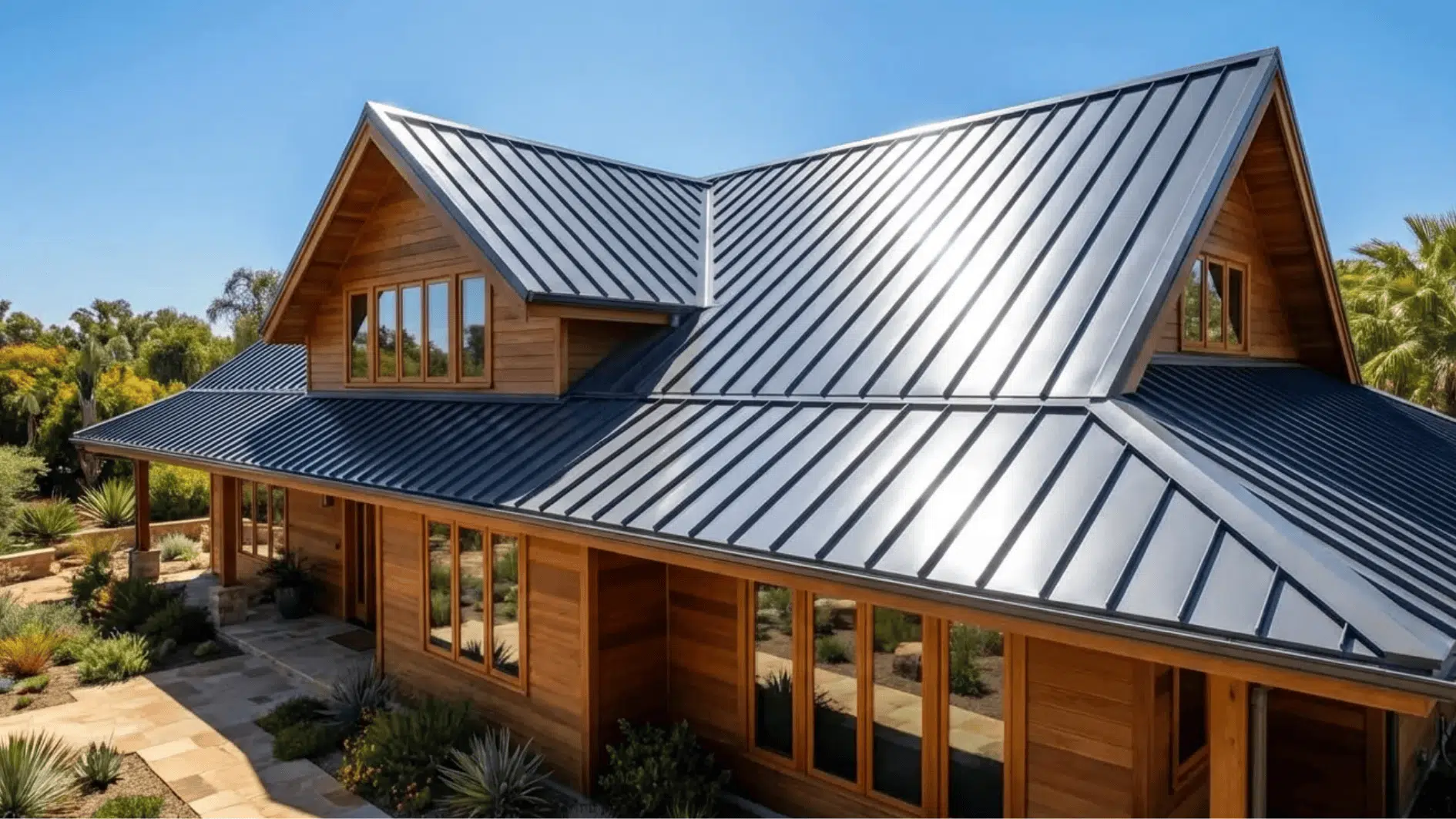
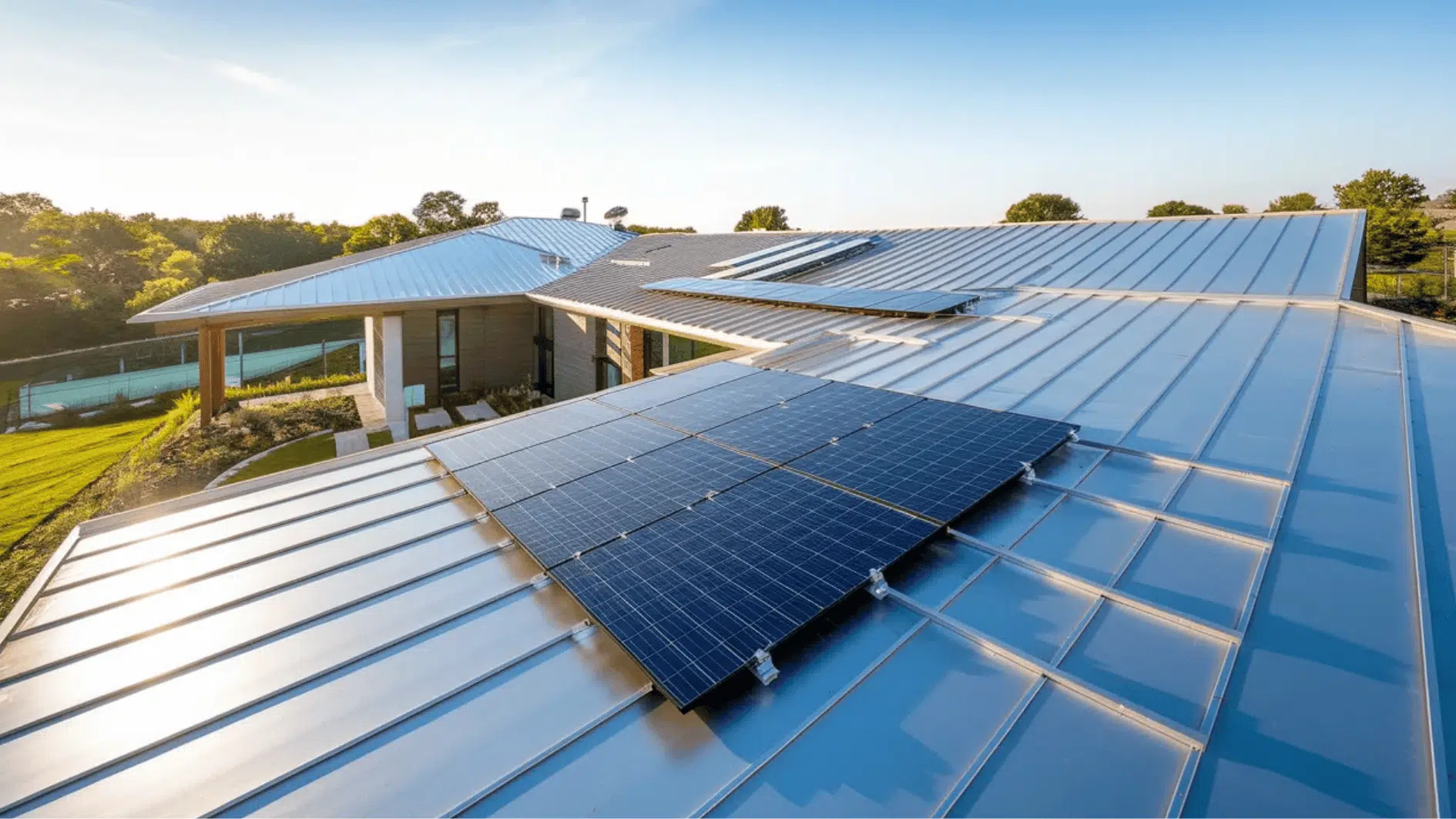
Metal roofing is one of the most effective options for energy-efficient roofing.
Metal surfaces reflect sunlight instead of absorbing it. This helps limit the amount of heat transferred into the attic and living areas. Many metal roofing systems also include reflective coatings that increase solar reflectivity.
Another advantage is durability. Metal roofs often last 40-70 years, making them a long-term roofing solution. Because of these benefits, metal roofing is often recommended for homes in warm climates.
2. Cool Roof Shingles
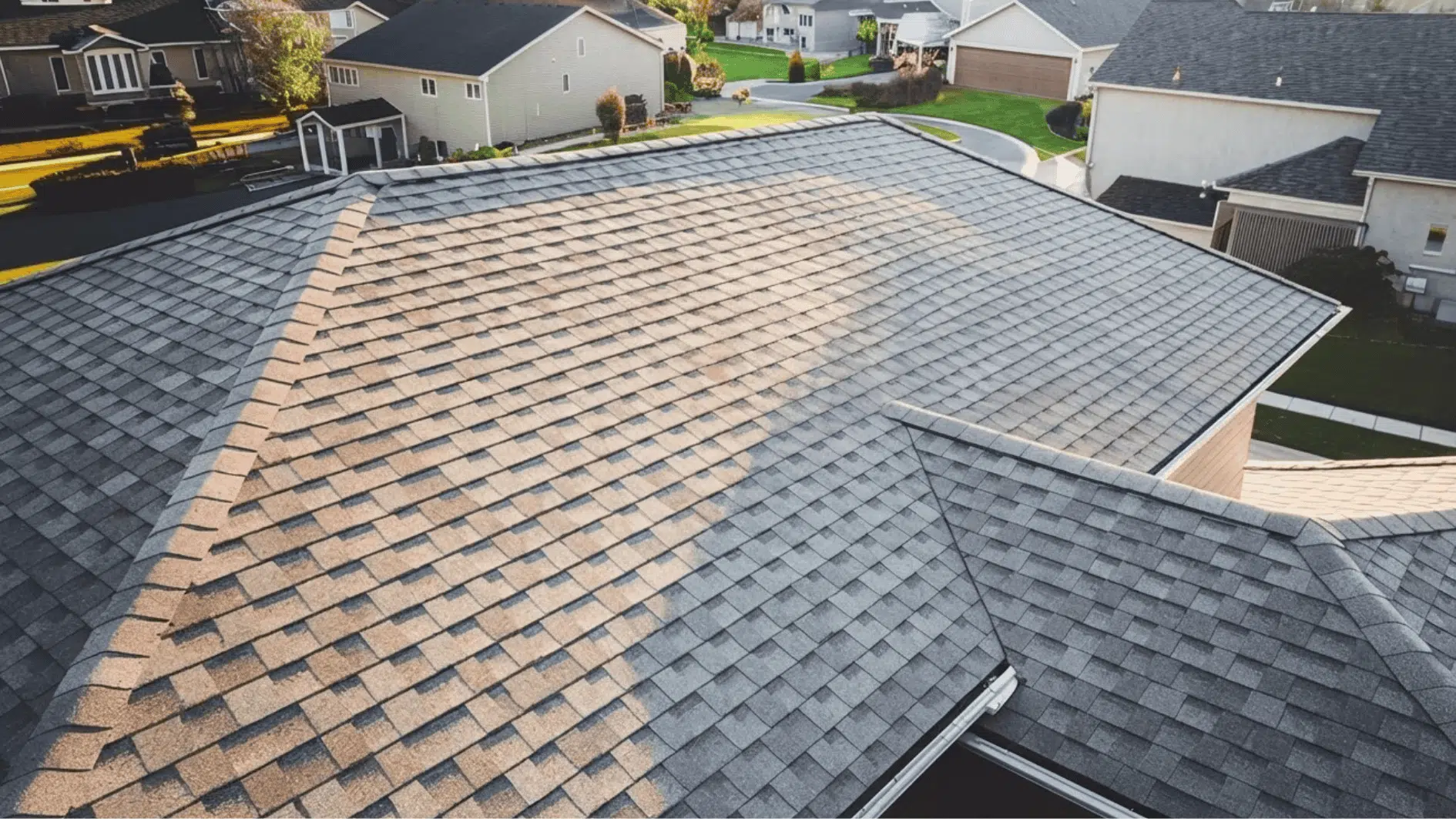
Cool roof shingles are designed to reflect more sunlight than traditional asphalt shingles. Manufacturers create these shingles using special reflective granules that reduce heat absorption.
From a distance, they look very similar to standard shingles. However, they can keep roof surfaces significantly cooler during hot weather.
This makes cool roof shingles a good option for homeowners who want better energy performance without changing the overall appearance of the roof.
3. Clay and Concrete Tiles
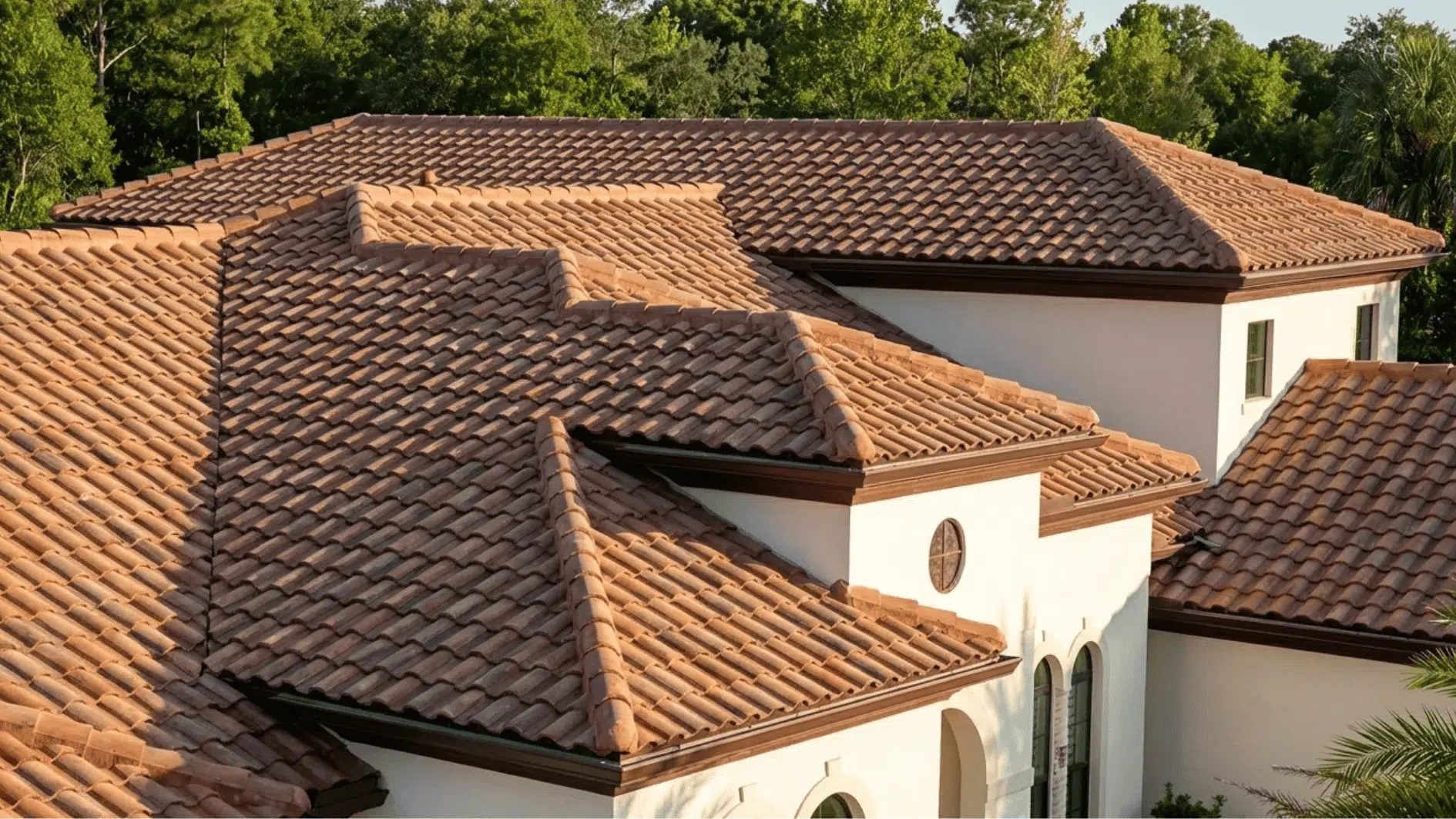
Clay and concrete roof tiles provide natural resistance to heat.
Their shape creates small air channels beneath the tiles. These channels allow heat to move away from the roof surface before it enters the home.
Tile roofs are commonly used in sunny regions because they perform well in high temperatures. In addition to energy performance, clay and concrete tiles are known for their strength and long lifespan.
However, these materials are heavier than many other roofing options, so the roof structure must support the added weight.
4. Green Roofing Systems
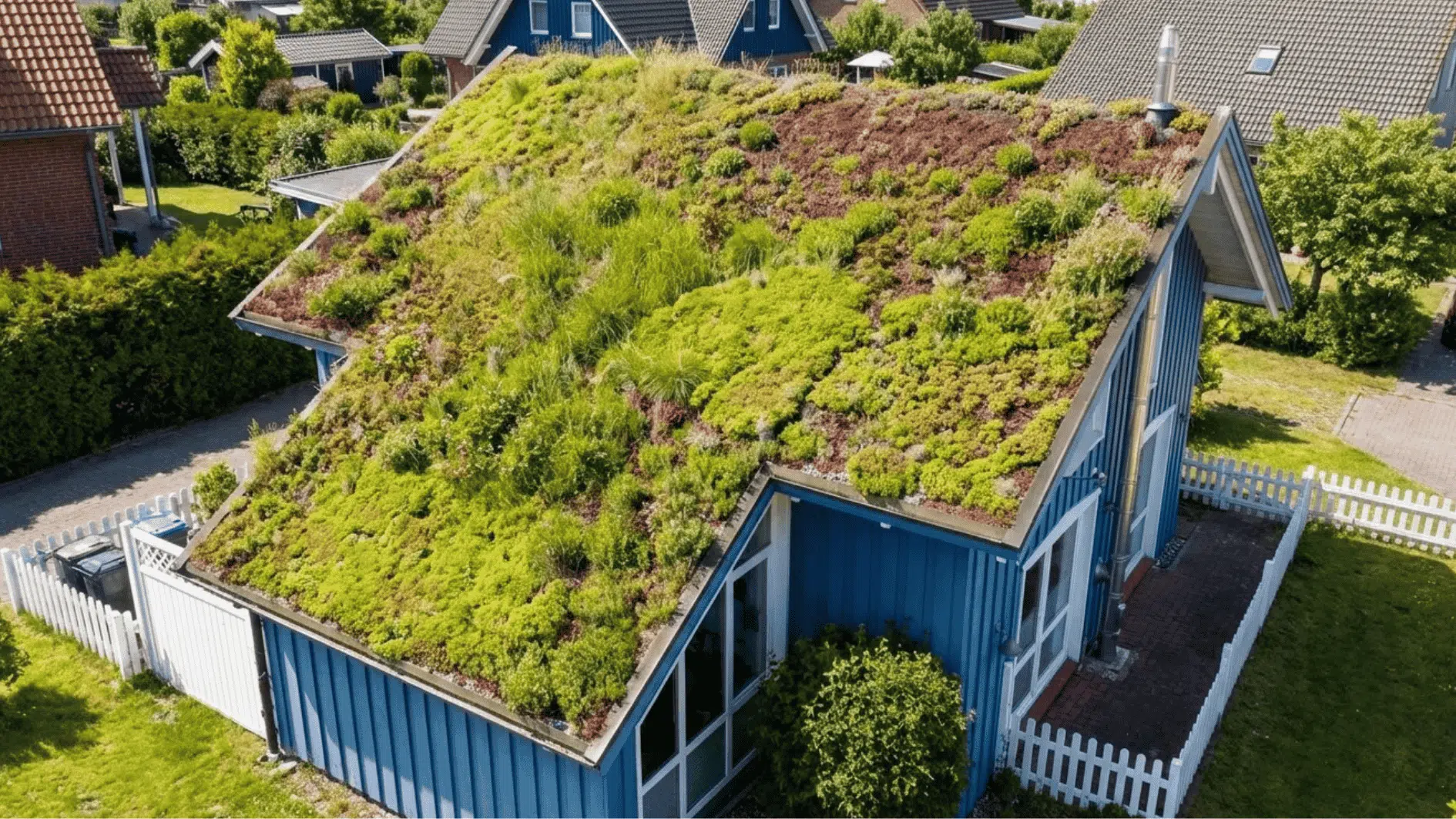
Green roofing systems include a layer of vegetation installed over a waterproof roof membrane. Plants absorb sunlight and help regulate roof temperatures through natural cooling.
This type of roofing system can reduce heat buildup on the roof surface and improve temperature stability inside the building.
Green roofs are more common in urban areas and environmentally focused construction projects. They require careful design and regular maintenance, but can provide strong environmental and energy benefits.
Roof Colors and Coatings that Reduce Heat
Roof materials are important, but color and surface coatings also influence how much heat your roof absorbs. Small changes in color or coatings can make a noticeable difference in roof temperature.
Light-colored roofing reflects more sunlight, helping keep roof surfaces cooler. Dark roofing absorbs more solar heat, increasing roof temperature and pushing heat into the home.
In sunny regions, choosing lighter roofing colors can improve overall energy performance.
Reflective Roof Coatings can improve energy performance without replacing the entire roof. These coatings reflect solar radiation and help release heat from the roof surface.
Many commercial buildings use reflective roof coatings, but they can also work for residential roofs. Reflective coatings may also extend the lifespan of some roofing materials by reducing heat stress.
Factors to Consider when Choosing Energy-Efficient Roofing
Selecting the right roofing material involves more than energy performance alone. Several practical factors influence the best choice for your home.
| Factor | Key Details | Why It Matters |
|---|---|---|
| Climate Conditions | Hot climates need reflective materials. Cold climates benefit from insulation and durable roofs. | Choosing materials suited to your climate improves roof efficiency. |
| Roof Design & Structure | Roof slope, attic ventilation, and framing strength affect performance. Heavy materials, like tile, require stronger support. | Proper structure helps release heat and supports long-term durability. |
| Installation Quality | Professional installation ensures correct sealing, insulation, and ventilation. | A well-installed system improves efficiency and prevents costly repairs. |
Cost vs. Long-Term Energy Savings
Energy-efficient roofing materials may cost more initially than standard roofing options. However, these roofs often provide long-term savings.
Reflective materials reduce heat absorption, which lowers cooling demand during hot weather. Over time, this can reduce electricity bills and lower strain on HVAC systems.
Many energy-efficient roofing materials also last longer than traditional roofing products. This can reduce replacement and maintenance costs over the life of the roof.
For homeowners planning to stay in their property long term, energy-efficient roofing can provide strong value over time.
Conclusion
Energy-efficient roofing helps reduce heat absorption and improve temperature control inside the home.
Materials such as metal roofing, cool roof shingles, clay tiles, and reflective coatings all help manage solar heat more effectively.
Choosing the right roofing option depends on climate conditions, roof structure, and budget. When installed properly, energy-efficient roofing can help lower cooling costs and create a more comfortable indoor environment.
Understanding how different roofing materials perform allows you to choose a roofing system that supports both energy savings and long-term durability.