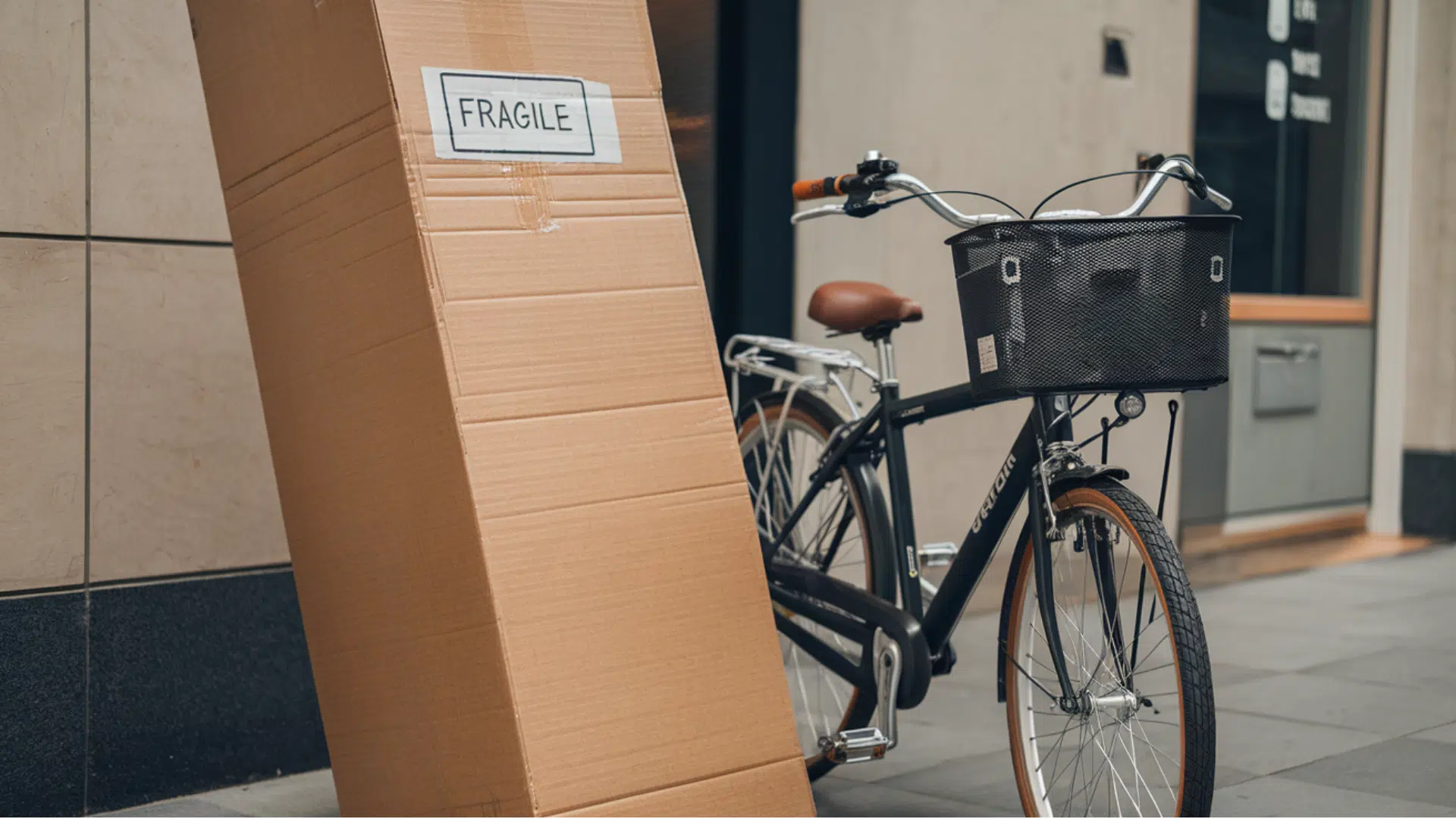
When a lease falls through, or a family emergency forces your hand, calling a same day moving company can be the difference between a chaotic scramble and a move you can control. The goal is to protect the things that matter most and get yourself safely into the next place with as little stress and wasted money as possible.
Last-minute moves feel overwhelming because too many decisions arrive at once. That pressure makes people rush into bad choices, such as forgetting medications and documents or hiring help without checking the basics.
Start with the big decisions
Before you tape a single box, think about where you’re going, when you need to be out, how much you can spend, and who is helping. Those answers shape every other choice.
This is also the time to decide what does not deserve your time. A rushed move is not when you organize old tax folders. Save that energy for the logistics that keep the move on track.
In an emergency, it is often smartest to pack by priority. This method keeps you from wasting boxes on low-value items while the things you actually need, such as chargers and toiletries, get buried.
Essentials should include medication, IDs, lease documents, wallets, keys, laptops, chargers, one or two changes of clothes, basic kitchen items, pet supplies, and anything your kids need for one full day and night. Put those items in bags or bins that stay with you.
Then move to bedding, towels, a few dishes, cleaning supplies, work equipment, and toiletries. Everything else can follow.
Build a 72-hour survival kit
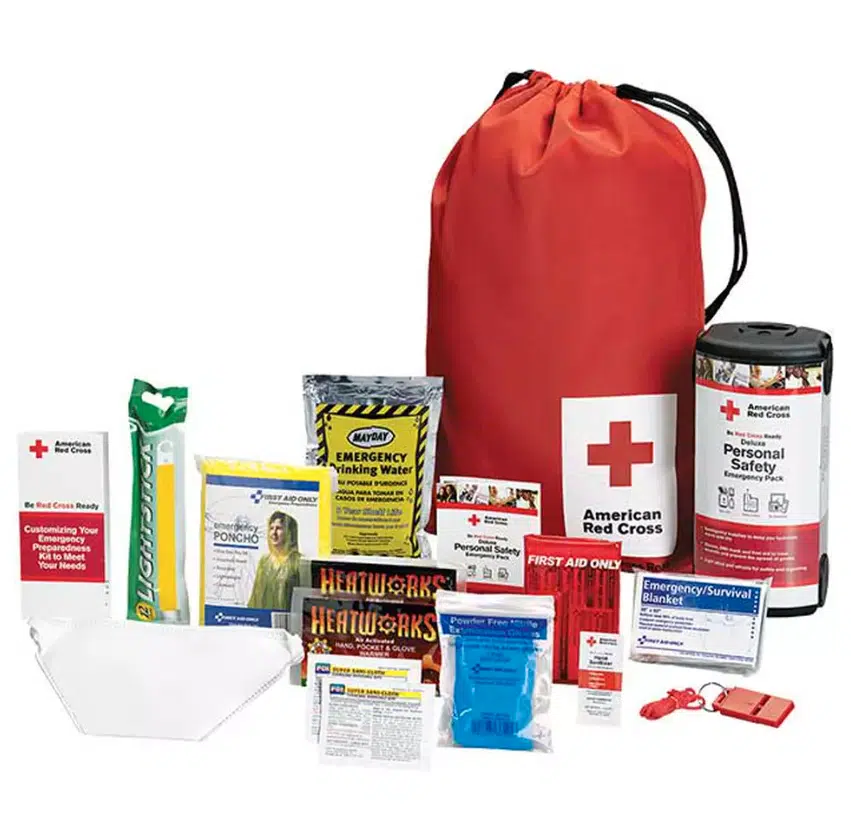
A last-minute move often ends with you arriving at a home that is not fully set up, which is why a small survival kit matters.
Here, I don’t mean the full-on evacuation kit with one gallon of water per person, and all that. What I do mean is easy food, medications, paper towels, trash bags, toilet paper, and a flashlight. Those can typically carry you through a first night, no matter what happens.
Just be prepared for the very ordinary reality of arriving tired and unable to find the box with the can opener.
Book help early
The fastest moves usually break down because people underestimate the value of labor. Even if you plan to do part of it yourself, decide quickly who is handling the heavy lifting, vehicle loading, stairs, disassembly, and timing.
If two people can box up a one-bedroom apartment in one long day, that does not mean they can also move furniture, drive across town, unload, return equipment, and clean the old place without running into problems.
When you start calling movers, keep your description tight and accurate: inventory size, number of stairs, elevator access, fragile items, parking conditions, and exact time window. A reliable moving company cannot give you a useful answer if you give vague information.
If you are making an interstate move, learn the basics before you sign. Under federal rules, movers must deliver your goods for no more than 10% above the price of a non-binding estimate. So, don’t budge under pressure and agree to anything just to get the move booked.
Keep packing simple
Reduce breakage by focusing on empty space. Shoes, towels, sweatshirts, and blankets work well as padding when time is short. Keep heavier items in smaller boxes and lighter items in larger ones.
Packing and moving get much easier when you stop trying to make every box neat. The real goal is safe transport and fast unpacking, and perfection can wait until after you have slept in the new place.
Protect documents, valuables, and digital access
In emergency relocations, the items most likely to cause long headaches are passports, leases, birth certificates, medication lists, external hard drives, checkbooks, prescription bottles, and jewelry.
Keep those with you in one bag or lockbox. The same goes for anything tied to money or identity. Take photos of key documents before the move starts and save them to cloud storage. If your moving day turns messy, you do not want to be digging through taped boxes to find your lease or insurance paperwork.
Do the same for your digital life. Back up your laptop and take photos of router labels and utility account numbers. If remote work is part of your routine, pack one clearly labeled work bag and do not let it out of your sight.
Watch for pressure tactics
Scammers know that someone who’s suddenly moving homes is more likely to skip a background check or overlook missing paperwork.
Slow down just enough to confirm a company name, phone number, address, and registration details. Do not sign incomplete forms and read cancellation terms. If anyone pushes hard for cash only, refuses to document charges, or dodges direct questions, take a pause.
A stressful relocation is already expensive without adding fraud or surprise charges to the pile.
Aim for a functional first night
Emergency relocations are exhausting, but they do not have to wreck your schedule or your peace of mind. When the clock is working against you, a simple plan beats a detailed fantasy every time.
Focus on the essentials, protect the irreplaceable items, verify the help you hire, and build yourself a functional landing spot for the first night. Once that is done, the rest of the move becomes manageable.