A lot of floors look fine in a showroom, then feel different after one busy week at home. Shoes grind grit into the finish, chair legs scoot, and a dropped mug tests the surface fast. That is when people start caring about hardness, stability, and repair options. It is also when the “green” label stops feeling like the only deciding factor.
You can get that calmer, steadier feel with engineered bamboo flooring because the build is meant to stay stable under daily swings. The planks are designed with layers that resist common movement from humidity changes. That counts in real houses with cooking, showers, and seasonal heating. It also helps when you want a cleaner material story without chasing a fragile finish.
What “Engineered” Means And Why It Matters
Engineered bamboo is not one single thing, so it helps to know what you are shopping. Most products use a bamboo wear layer bonded to a base that adds stability. That base can be plywood or another layered core, depending on the product line. The point is simple, the layers share stress instead of fighting it.
Bamboo itself is often framed as a fast renewing material, but growth speed is only part of the picture. A useful starting reference is the USDA’s overview of bamboo as a renewable resource and feedstock. It notes bamboo’s rapid growth and its use in products like lumber and flooring.
Once the material leaves a mill, the supply chain becomes part of the footprint you are buying. Every extra transfer, storage window, and repack adds handling and fuel use. Layered products benefit from careful shipment planning and fewer damage events. A cracked edge is not only waste, it is another replacement order.
The Environmental Upside, With Realistic Boundaries
Bamboo can be a smart pick when you want a harder surface without old growth sourcing. It can also reduce pressure on slower growing timber, depending on how the product is made. Still, the “eco” claim should include adhesives, finishes, and shipping distance. Those choices shape emissions and long term performance more than most people expect.
Finished goods travel through steps that look boring but matter a lot. Rail terminals, staging yards, and controlled processing reduce rework and damage. Handling discipline is a big reason large scale shippers build procedures around traceability and condition checks. If you are curious how those pieces fit together, this overview of yard management shows why controlled flow reduces avoidable loss.
At home, you can support the low waste angle by thinking about lifespan, not just the first install. A floor that lasts longer usually means fewer tear outs and fewer trips to the landfill. No moral badge, it is just math over time. A durable finish and stable core can keep the floor in service for years longer.
Durability, Moisture, And The Basement Question
The “delicate” worry comes up a lot with bamboo, but engineered formats can be surprisingly tough. The layered build helps reduce cupping and warping in homes with shifting humidity. The layered build pays off in basements, condos, and rooms that sit over crawlspaces. It also helps in climates where seasons swing hard.
Indoor air is part of that mix too, and flooring is part of that mix. The EPA notes that VOCs can come from building materials, furnishings, and adhesives, which is worth remembering during installs. The takeaway is not panic, it is planning and product selection.
If you want a simple durability check, focus on a few practical signals instead of marketing blur. Look for wear layer thickness, finish type, and whether the product is rated for the room you want. Then match installation to the space, since moisture control is often the real deciding factor. A good checklist looks like this:
- Subfloor moisture readings that match the installer’s requirements and the warranty language.
- Expansion gaps that fit the room size and expected seasonal movement in your region.
- Transition pieces planned in advance for doorways, hallways, and large open spans.
Maintenance And Long Term Care That Keeps Waste Low
A floor can be “eco friendly” on paper and still wear up early if care is neglected. The good news is that engineered bamboo usually responds well to basic, boring care that prevents the most common wear. Dirt and grit act like sandpaper, so a quick sweep and a doormat habit do more than people think. Felt pads under chairs help too, especially in dining areas where furniture shifts every day.
Cleaning is mostly about being gentle and consistent, not aggressive. A damp microfiber mop is often enough, and heavy water use is where people get into trouble. If you are unsure, check what the manufacturer allows and stick to it, because warranty language often matches finish chemistry. When you keep moisture controlled and scratches in check, the floor stays in service longer, which is the simplest way to keep your footprint down.
Shipping, Handling, And Installation Choices That Protect The Floor
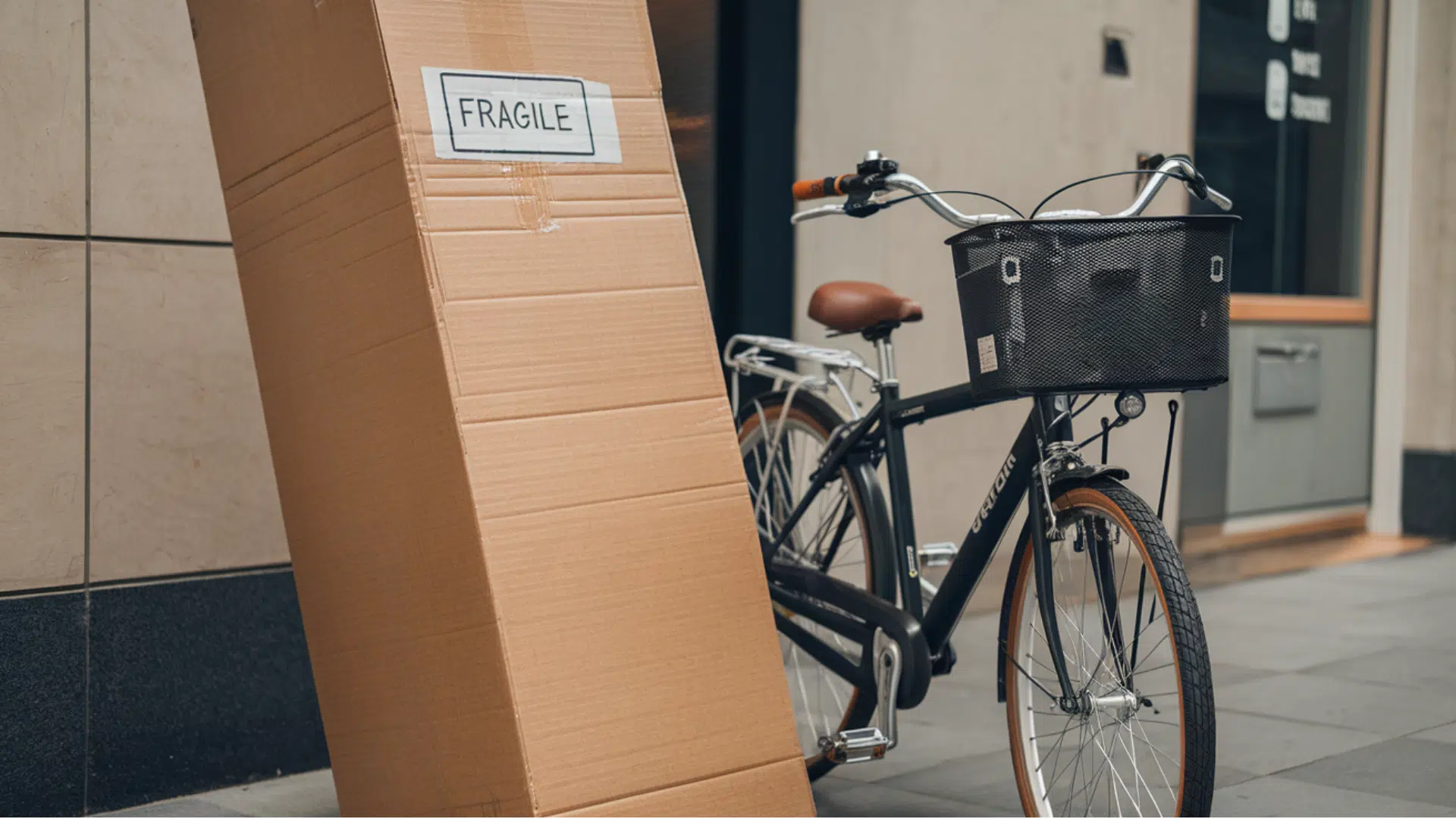
Even a perfect factory order can show up with problems from rough handling. Corners get crushed, cartons get wet, and planks pick up tiny bends during storage. Those issues usually come from rushed transfers or bad staging conditions. Good logistics is not glamorous, but it keeps materials usable.
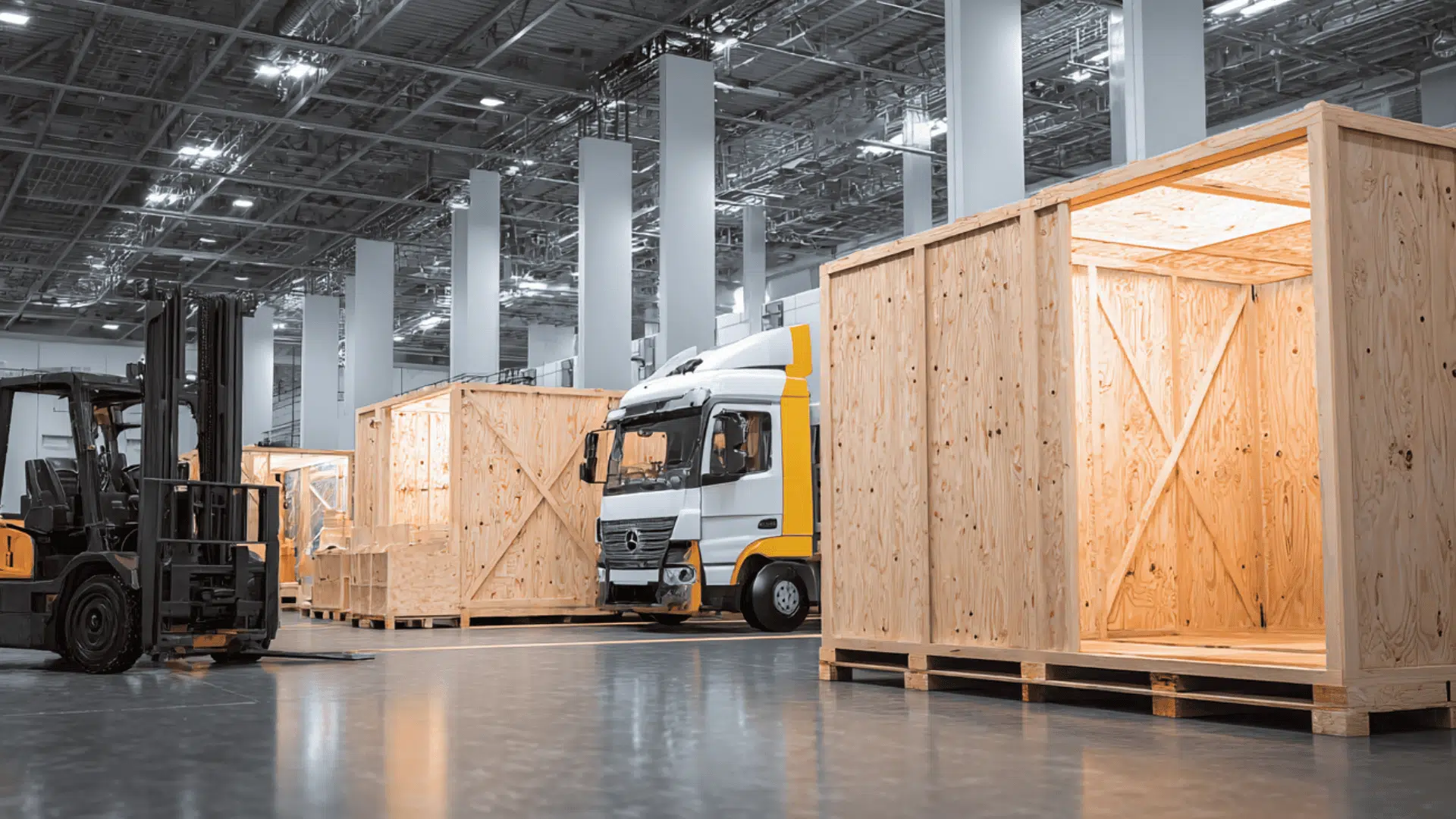
This is where the logic of freight planning starts to look familiar. Lower handling counts tend to lower damage rates, whether you are moving vehicles or building materials. Multi mode freight can also reduce fuel use when the schedule allows longer lead times. A quick explainer on intermodal transportation helps show why combining rail and truck often reduces unnecessary miles.
At the job site, the same “handle it right once” idea still applies. Let cartons acclimate as the manufacturer recommends, and keep them off damp concrete. Plan cuts so you reduce offcuts, especially in narrow rooms with lots of angles. Small habits like these keep a flooring choice from turning into unnecessary scrap.
A Grounded Wrap Up
A practical takeaway is to treat engineered bamboo like any serious finish material, so you verify what it is made of, confirm it suits the room, and protect it through shipping and install. When those pieces line up, you get a floor that wears well and keeps its shape through real life. You also avoid the quiet costs of damage, reorders, and rushed fixes. That is the kind of “eco friendly” that holds up after the first year.