If you’ve been thinking about going solar, you’ve probably asked yourself the big question: “Do solar panels actually increase home value?”
It’s something every homeowner wants to know before making the switch. You’ve heard about lower energy bills, but what about the return when it’s time to sell?
Today, I’ll share what really influences how much your home could be worth with solar, from what buyers look for to where location matters most.
You’ll see whether going solar is just a smart energy choice or a long-term investment in your home’s value.
Do Solar Panels Increase Home Value?
Yes, they usually do. Most studies show that homes with solar power for residential use sell for more than similar homes without them.
Buyers like the idea of lower energy bills and owning a house that’s already energy-efficient.
But how much extra they’ll pay depends on a few things, like where you live, the size of the system, and if you own it outright.
How Solar Panels Boost Home Value
Most research says solar panels can increase a home’s value by 3% to 10%. On a $400,000 home, that’s an added $12,000 to $40,000.
A study from the Lawrence Berkeley National Laboratory found that buyers are willing to pay around $4 per watt of installed solar capacity. That means the more power your system can generate, the more your home is worth.
For Example:
- Suppose your home is worth $400,000.
- You have a 5-kilowatt (kW) solar system.
- Based on the average $ 4-per-watt estimate, your solar setup adds about $20,000 in value.
That’s about a 5% increase if the panels are owned and in good shape. Homes with solar often attract more buyers and sell faster, especially in areas with high electricity rates.
Home Value Increase by Solar System Size
Solar value is often measured by power output. On average, buyers pay about $4 per watt.
| Solar System Size | Estimated Added Home Value |
|---|---|
| 4 kW System | About $16,000 |
| 6 kW System | About $24,000 |
| 10 kW System | About $40,000 |
It’s a general rule. Actual numbers vary by system age, energy rates, and local demand.
Overall, owning solar panels usually raises a home’s value. The exact increase depends on system age, size, and local energy rates.
Key Factors that Impact the Value Solar Adds to a Home
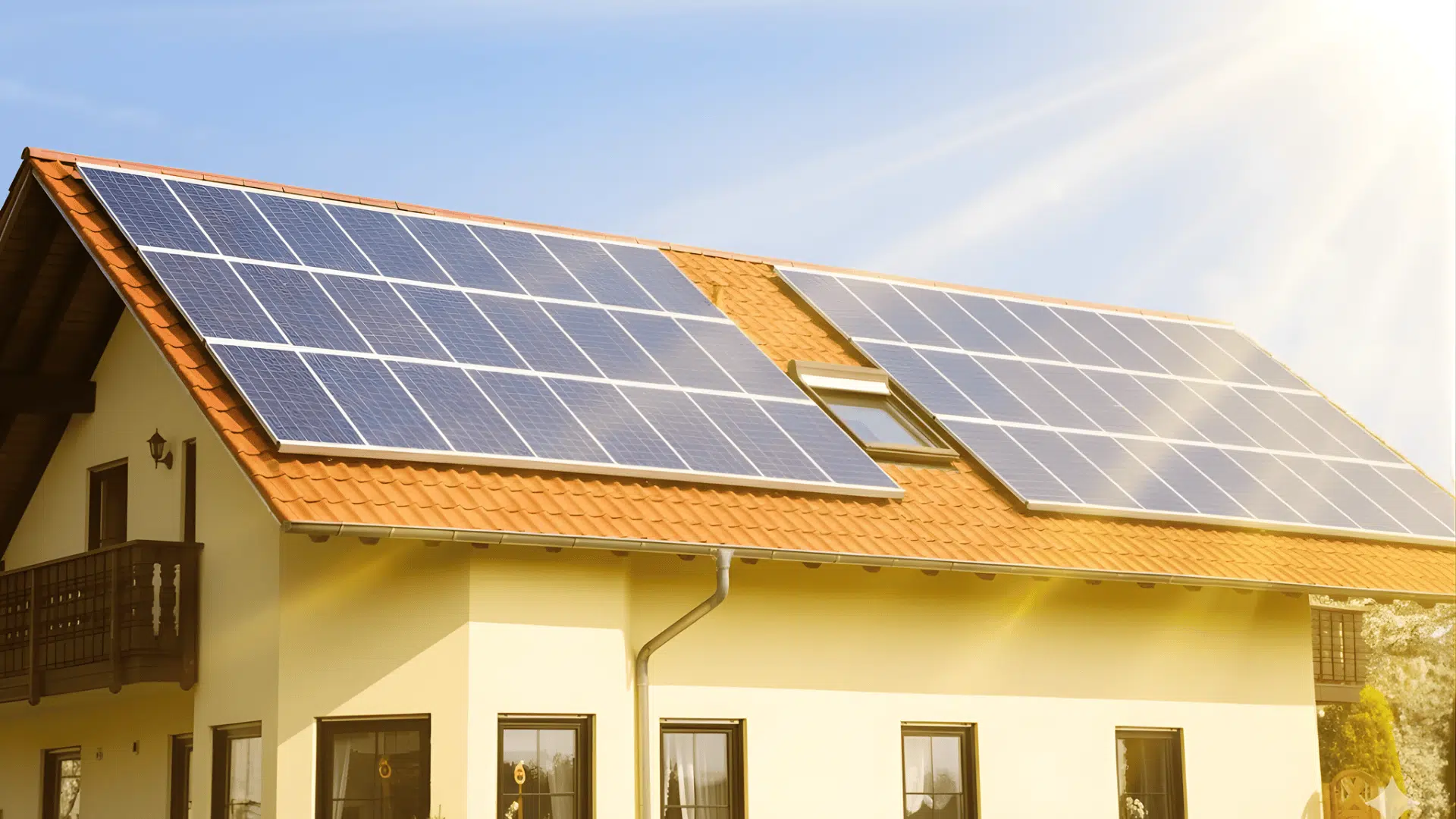
The value solar panels add to your home depends on more than just installation cost. Here are the key factors that can raise, or limit, how much buyers are willing to pay:
1. Ownership vs. Lease of the Solar System
Owning your solar system usually adds the most value because buyers see it as a clear asset. There are no ongoing payments or contracts to take over, which makes the sale smoother.
Leased or financed systems can reduce buyer interest, as new owners may have to assume the remaining lease or loan balance, adding extra costs and paperwork.
2. Local Electricity Rates and Energy Savings
Homes in areas with high electricity costs often see a larger increase in value from solar panels. Buyers in these regions know they’ll save more on future bills, which makes solar systems more attractive.
The higher the energy rates, the more valuable the long-term savings look, especially when power costs are expected to rise.
3. System Size, Age, and Documentation
A solar system’s size, age, and maintenance directly affect its resale value. Larger systems with higher output add more worth. Newer panels perform better, last longer, and attract more buyers.
Maintenance logs, production data, and proof of ownership help verify performance and build buyer trust. Older or poorly maintained systems usually add less due to lower efficiency and shorter lifespan.
4. State and Local Incentives
Incentives can make a big difference in resale value. States that offer property tax exemptions, rebates, or renewable energy credits tend to have higher buyer interest in solar homes.
These benefits lower ownership costs and increase overall savings, which makes solar-equipped homes stand out in markets where energy efficiency is a strong selling point.
Understanding these factors helps you gauge the true value of your solar setup. Focusing on ownership, upkeep, and local incentives can make a noticeable difference when you sell.
Solar Home Values by State and Region
Solar panels don’t raise home values the same everywhere. Local energy costs, sunlight, and incentives all play a part in how much buyers are willing to pay.
In sunny states with high electricity rates, like California and Arizona, homes with solar often sell for higher prices. Areas with cheaper power or fewer solar programs usually see smaller increases.
Each region has its own energy market and tax incentives, which affect how much value solar adds. Overall, the return is stronger where electricity is expensive and solar energy is more common.
Regional and State Differences in Added Home Value
The added value from solar panels changes depending on where you live. This table shows how different regions and states compare based on energy costs, sunlight, and local solar programs:
| Category | Example States | Typical Value Increase | Key Reasons |
|---|---|---|---|
| Highest Value Increase | California, Massachusetts, New York, Arizona, New Jersey | 6% – 10% | High energy costs, strong buyer demand, and supportive state incentives make solar homes more valuable. |
| Moderate or Minimal Increase | Midwest and low-sunlight regions | 1% – 3% | Lower power rates, fewer solar incentives, and limited buyer interest reduce the added value. |
| Climate & Solar Adoption Impact | Arizona, Nevada (high sunlight) vs. Northern states (low sunlight) | Varies by solar exposure | More sunshine and mature solar markets improve returns, while low sunlight or limited awareness slow value growth. |
Overall, location plays a major role in how much solar power for residential use adds to a home’s value.States with high energy costs and strong solar policies see the biggest gains, while others benefit more modestly.
Estimating Your Solar Home Value
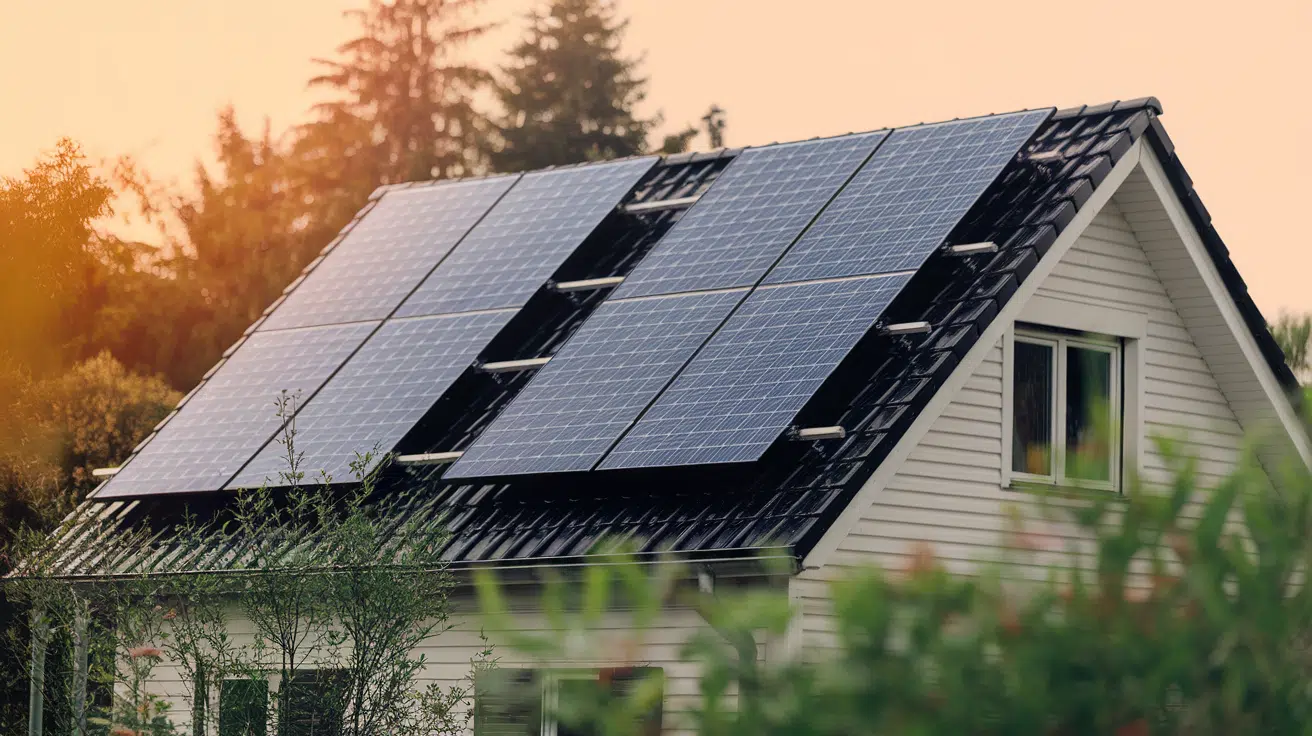
If you want to know how much solar panels are adding to your home’s value, start with a few simple calculations and gather the right information. This gives both you and potential buyers a clear picture of your system’s value.
Quick Ways to Estimate Value
- Per-Watt Estimate: Multiply your system’s total wattage by about $4 per watt, a common national average.
- Percentage Estimate: Solar homes often sell for 3% to 10% more than similar homes without solar, depending on system age and ownership.
- Energy Savings Estimate: Studies show that for every $1 saved on annual energy bills, home value can rise by about $20.
Information to Prepare for Appraisal or Listing
Having accurate data ready helps appraisers and buyers accurately value your solar setup. Gather these key details:
- Proof of Ownership: Receipts or documentation showing the system is fully owned.
- System Details: Installation date, panel brand, total size (in kW), and warranty coverage.
- Performance Data: Recent production reports or monitoring app screenshots.
- Maintenance Records: Service logs and inspection reports that confirm upkeep.
- Incentive Information: Documents for any rebates, tax credits, or renewable energy certificates.
These quick estimates and records help you understand your solar system’s real market impact. With the right data, you’ll be better prepared to price your home confidently when it’s time to sell.
Will Solar Pay Off Before You Sell?
If you plan to sell in the next few years, it’s important to know how solar panels can pay for themselves.
They save you money each month by lowering electricity bills, and when you sell, they can increase your home’s value by 3% to 10%.
This dual return means you benefit both during your time in the home and again at resale.
If your roof is in good shape and you plan to stay for at least five years, installing solar makes financial sense. If you’re selling soon, focus on maintaining your system to ensure the best resale value.
Wrapping Up
So, do solar panels increase home value? Absolutely, and they often do more than most homeowners realize.
They don’t just cut monthly energy bills; they also add lasting financial value that buyers are willing to pay for.
Throughout this guide, you’ve seen how factors like ownership, system condition, and location all shape that increase, and how simple math can help you estimate it.
If you already have solar, you’re well-positioned to benefit when you sell.
And if you’re still considering it, think of solar as more than just an energy upgrade; it’s a practical way to boost your property’s value, lower expenses, and make your home stand out in any market!