Small garages turn simple parking into a whole routine. Inch forward. Stop. Adjust. Fold a mirror. Try not to clip the wall. Then do that weird sideways step to squeeze past a shelf. Annoying every single time.
If cars are a real hobby for you, that space can’t be an afterthought. It’s where you store, protect, fix, charge, clean, and sometimes just stand there and stare at what you’ve built.
You don’t need a complicated plan to make a garage work well. You need an honest one, built around how you’ll actually use it.
1. Start With How You Really Use the Space
Forget the “dream garage” stuff for a second and look at your habits. Are you the type who does quick jobs on weeknights, or are weekends your shop time? Are you storing a few cars, or is it one daily driver plus a long list of tools and parts?
Write down what you’ll actually do in there, week to week. If you’re going to wash in there, swap tires, do oil changes, keep the battery tended, detail, and store tools and parts, say so upfront. That clarity is what turns the layout from guesswork into a plan.
Also, think in zones, because zones prevent chaos. You want a parking zone that stays clear, a work zone that can get messy without ruining everything, and a storage zone that doesn’t creep into the other two. If you ever grind, sand, or use strong cleaners, give that kind of work a corner you can ventilate and wipe down fast.

2. Garage Size That Feels Right, not Tight
Most “I hate my garage” problems come down to space. Not the fancy kind. Just enough room to move like a normal person.
Depth helps when you drive longer vehicles or want cabinets and a bench without kissing the bumper. Width is what lets you open doors fully, walk around the car, and roll a jack without doing a three-point turn with your body.
Homeowners investing in mansion floor plans often prioritize extra-deep garages for vehicle storage. When you compare mansion floor plans, don’t just count bays and call it good. Picture opening the driver’s door with a bag in your hand. Picture walking around the front with a tool cart. If your mental version feels tight, the real version will feel worse.
If you’re planning multiple bays, give one bay extra width on purpose. That becomes the project bay, the forgiving bay. It’s where jacks, stands, and parts end up, and it keeps the rest of the garage from turning into a pile.
3. Doors, Ceilings, and the Way You Move Through the Garage
Garage doors sound basic until you live with the wrong ones. If you drive an SUV, use roof racks, or just want flexibility later, taller doors save you from future regret. Ceiling height matters too. Not only for a lift, but for lighting that doesn’t feel gloomy, and for overhead storage that doesn’t hang over your head like a threat.
Now zoom in on the daily path. You should be able to walk from the house door to the driver’s door without stepping over stuff. That one “clean lane” is what keeps the space usable on a random Tuesday, not just after you’ve cleaned.
4. A Workshop That Supports Normal Jobs
A workshop doesn’t need to be huge to be useful. It needs to be reachable without moving cars around first. That’s the difference between a garage you use and a garage you admire.
Put your main bench where you can get to it easily. Give yourself wall space for tools you grab all the time. Keep heavy things low, because nobody enjoys pulling an engine part off a high shelf.
Lighting is another quiet dealbreaker. Overhead lights are fine, but they throw shadows right where your hands are. Add task lighting at the bench. For detailing, aim for even lighting so you catch haze, missed spots, and streaks before you shut the door and think you’re done.
Modern luxury house plans now include multi-bay garages, EV charging, and workshop rooms. If you’re shopping for luxury house plans, look at the garage the way you’d look at a kitchen. Function first. The “wow” stuff is easy to add later.
5. Power, Charging, and Outlets Where You Actually Stand
A good garage has power where you need it, not where it was cheapest to run a wire.
Think about where you’ll work. Put outlets near the bench, near where you vacuum, near where you’ll charge tools. A ceiling outlet is worth it, too, if you want a cord reel or a mounted shop light.
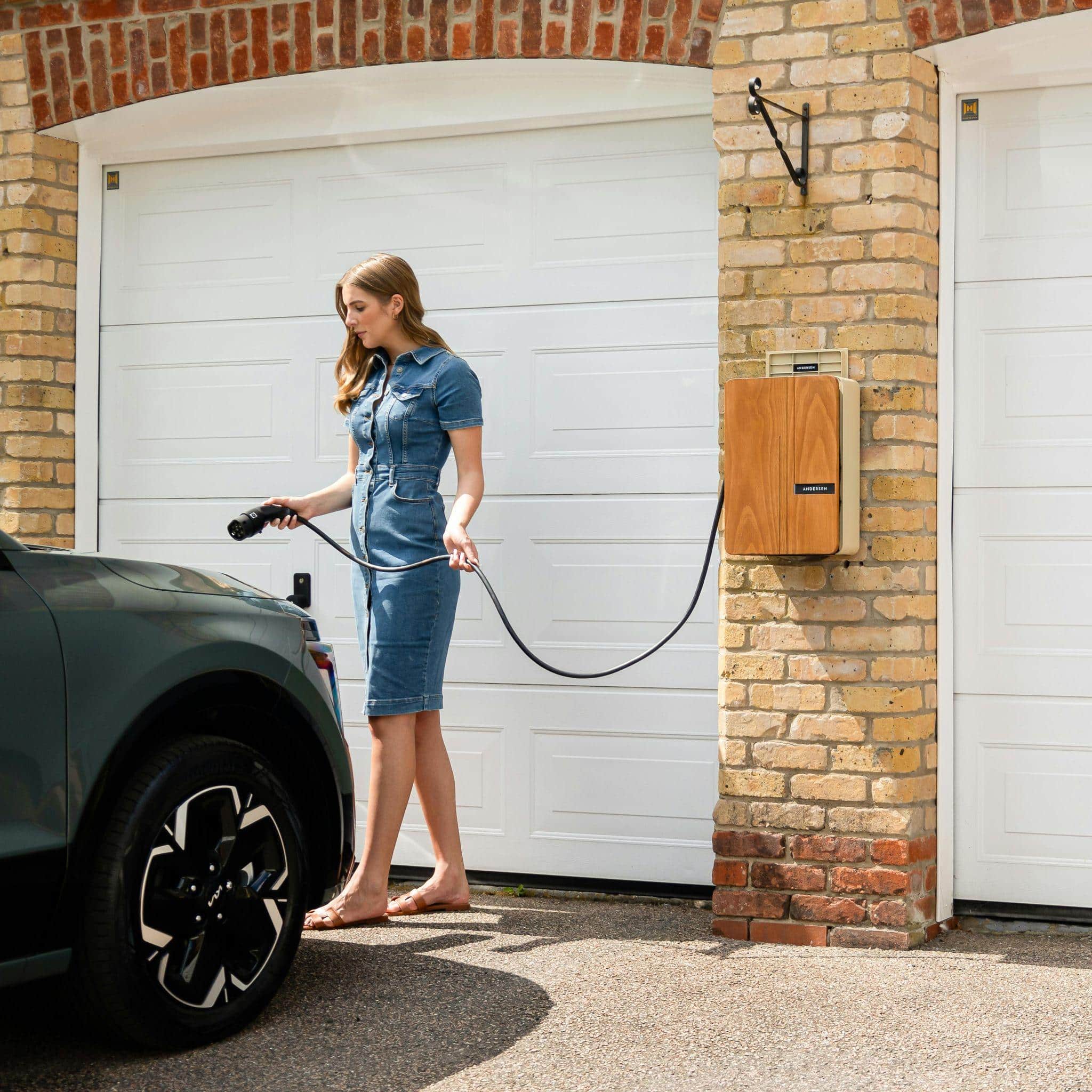
Thinking about EV charging? Choose the likely parking bay now. You can skip the install for the moment, but run conduit and reserve panel capacity while everything’s still exposed. Local code will dictate the details. Planning ahead is the part that doesn’t change.
6. Floors and Structures That Can Take Abuse
Garage floors get punished. Hot tires, oil drips, jack stands, heavy toolboxes, and that one bolt you drop that bounces into a corner you can’t reach.
If you want a vehicle lift, say it early. Don’t let it be an afterthought. Slab thickness and reinforcement may need to change, and a qualified designer should size it around the lift and the vehicles you’ll raise. That’s not “nice to have.” It’s safety.
Coatings are great when they’re done right. They clean easily and look sharp. But prep is everything, and rushed prep is why floors peel.
7. Air, Fumes, and Keeping Your House From Smelling Like a Shop
If your garage is attached, air control matters. Not in a dramatic way. Just enough that fumes and smells don’t drift into your home.
You want a well-sealed boundary between the garage and the living space. Then you want a way to push dirty air out when you run the car, sand, or use solvents. Ventilation doesn’t need to be fancy. A simple exhaust fan on a switch, plus solid sealing, usually gets you a noticeable improvement.
If you heat or cool the garage, pay attention to humidity too. Damp air can rust tools faster, and it makes the space smell stale.
8. Security That Matches What You’re Storing
If you’re storing valuable vehicles, tools, or parts, security is layers, not one gadget.
Start with basics that are boring but effective. Solid doors, quality locks, and good exterior lighting. Then add cameras or motion alerts if you want that extra coverage.
Also consider how visible the garage looks from the street. Placement, setbacks, and lighting can make it less obvious what’s inside. It’s not a guarantee, but it helps. Inside, lockable cabinets are worth the money, especially for small, rare parts that disappear fast.
9. Storage That Doesn’t Get in Your Way
Storage should make your garage feel calmer, not tighter. Wall systems, cabinets, and tool setups that keep things vertical are your best friends. Overhead racks are fine for light seasonal items, but don’t store heavy parts above where you park. That’s asking for a bad day.
Tires need a plan, too. A wall rack keeps them off the floor and makes seasonal swaps way less annoying, especially if you rotate through multiple sets.
10. Comfort and Integration With the House
If you store vehicles long-term, a stable environment helps more than people think. Insulation, air sealing, and an insulated garage door reduce dust and temperature swings. Even modest heating or cooling can make the space comfortable enough that you actually use it year-round, and it’s kinder to interiors, leather, and paint.
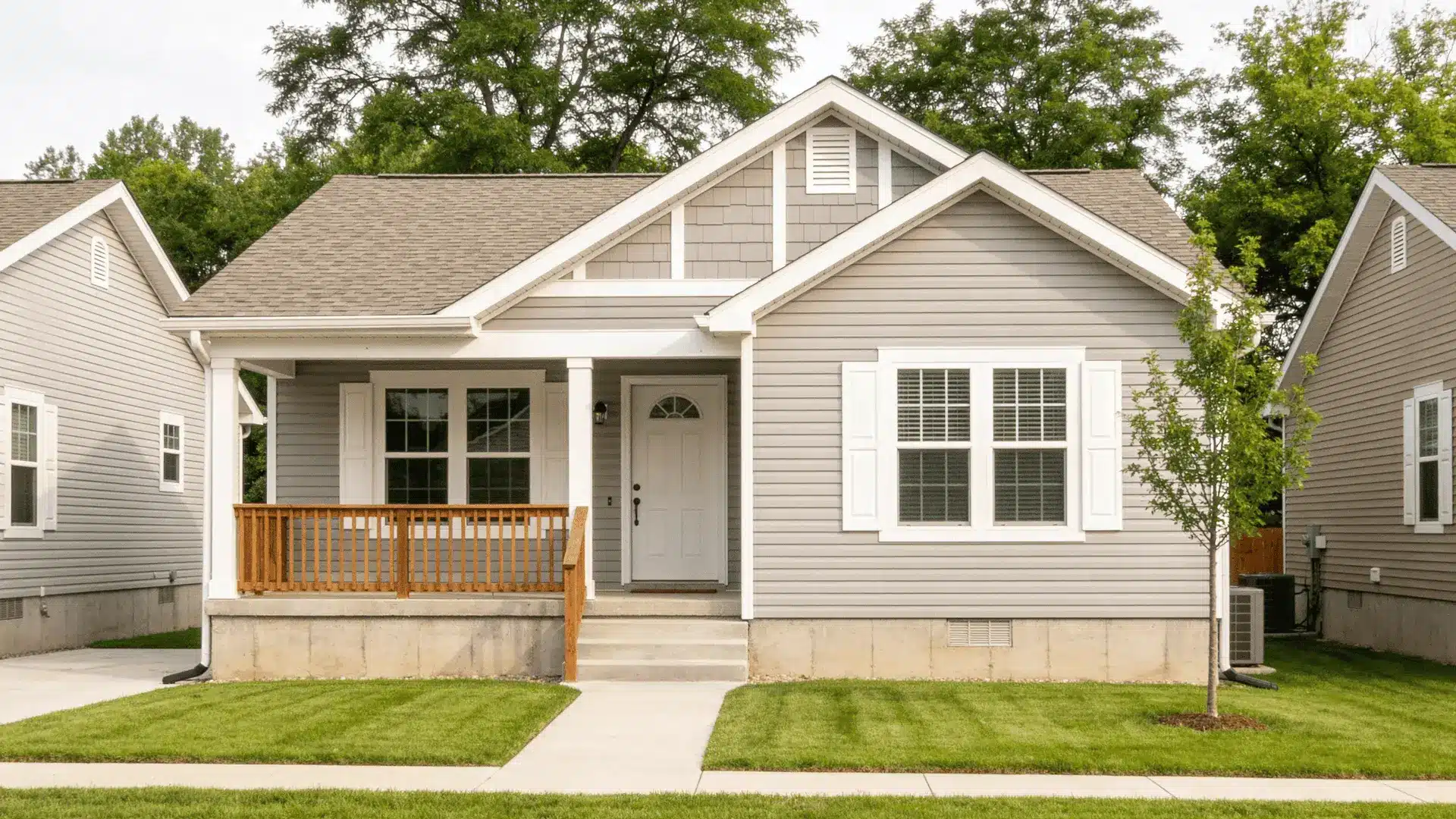
And don’t ignore the outside. A garage that matches the house in rooflines and materials looks intentional. It also supports resale value, because it doesn’t feel like a giant add-on stuck to the front.
Conclusion
A great enthusiast garage isn’t complicated. You plan space you can move in, you set up a workshop you can actually reach, and you handle power, air, security, and storage with care. When those basics are right, your garage stops being a squeeze and starts acting like an asset. Your vehicles stay protected, your maintenance gets easier, and your home holds value in a way you’ll feel every time you open that door.