A whopping 3.5 million professional truck drivers hit the road every day across the US. This massive workforce keeps the economy moving, but the physical distance between drivers and dispatchers often creates a deep sense of isolation. When your office is a cab, and your boss is a voice on a headset, maintaining a shared culture feels nearly impossible.
Building a strong culture requires more than just checking in on delivery times or fuel efficiency. It starts with transparent communication that makes every driver feel like an essential part of the engine rather than just a GPS coordinate. Leadership must bridge this gap by prioritizing emotional intelligence alongside logistics.
Leadership Styles That Drive Engagement
Operations managers often focus on the “what” and “how” of a route while forgetting the “who” behind the wheel. Effective leadership in transportation is about high-touch communication in a high-tech environment.
Dispatchers serve as the primary link between the company and the driver. If this relationship is purely transactional, the culture will inevitably stall. Instead, managers should use check-ins to gather feedback on road conditions and personal well-being.
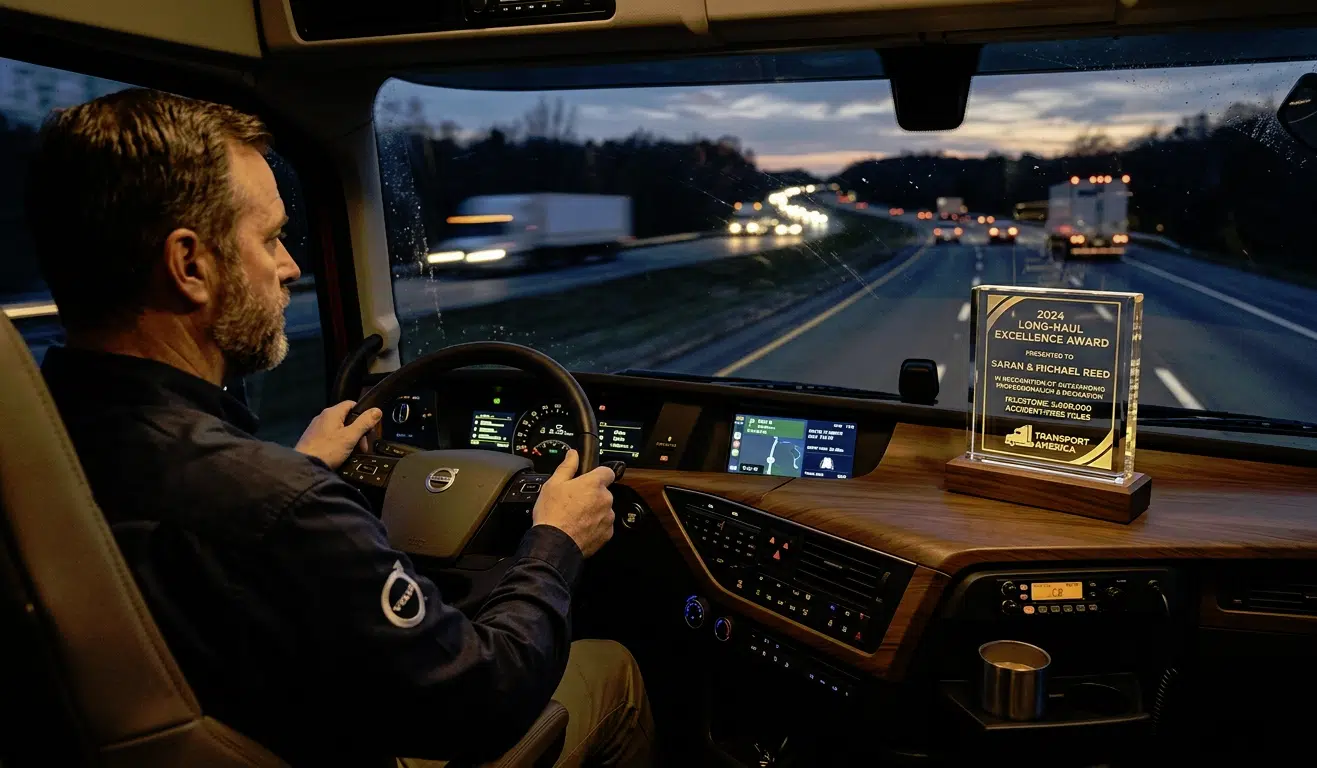
Physical recognition remains a cornerstone of keeping distributed teams motivated and aligned with company goals. While a digital shout-out is fine, providing a unique award plaque by Awards.com offers a lasting reminder of a driver’s safety record or years of service. These tangible symbols serve as a bridge between the corporate office and the mobile workspace.
Modern transportation companies use several strategies to keep their fleets connected:
- Monthly video town halls that drivers can stream during breaks
- Dedicated mobile apps for peer-to-peer recognition
- In-person regional meetups at major distribution hubs

Aligning Operations and Dispatch
The friction between the back office and the road is often the biggest culture killer in logistics. Dispatchers are under pressure to meet tight deadlines, while drivers face unpredictable delays due to weather or traffic.
Culture thrives when both sides understand the other’s constraints. Cross-training dispatchers to spend a day in the cab, or having drivers sit in on planning sessions, builds empathy. When the team understands the “why” behind a difficult assignment, they are more likely to execute it with a positive attitude.
Focus on the road, the team matters, and logistics requires a human touch. This shift in mindset ensures that the mission remains clear even during high-stress peak seasons.

Overcoming the Driver Shortage Through Values
Retention is the primary goal for any fleet manager looking at 2026 projections, especially given that as many as 80,000 driver roles are currently unfilled. Drivers who feel a sense of belonging are significantly less likely to jump ship for a marginal pay increase at a competing firm.
By treating the driver as a partner rather than a vendor, companies create a protective layer against turnover. This involves recognizing the unique hardships of the road and providing genuine support systems.
A culture of respect is the most cost-effective recruiting tool available to the industry today. Moreover, a focus on long-term stability rather than short-term gains defines the leaders in the logistics space.
Digital Tools and Human Connections
Technology should facilitate culture, not replace it, in a modern trucking environment. Using telematics to gamify safety or fuel efficiency can turn a solitary job into a friendly company-wide competition.
However, the human element must remain at the forefront of every digital interaction. Automated messages will never carry the same weight as a personalized call from a manager after a particularly long haul.
Balanced integration of tech and touch keeps the workforce grounded. Ensuring that every interaction reinforces the company’s core values is the only way to build a lasting legacy.
Building a Culture of Safety and Reliability
Safety is the invisible thread that holds a transportation team together during long hauls. When a company prioritizes safety over speed, it sends a clear message that the driver’s life is more valuable than the cargo. This trust is the foundation of a healthy culture.
Implementing a safety-first mindset requires consistent reinforcement from the top down. It is not enough to have a manual in the glovebox; leadership must celebrate those who make the right call in difficult conditions. Recognition for a clean inspection or a million accident-free miles should be a public event.
These moments of public acknowledgement serve as a North Star for the rest of the fleet. They prove that the organization rewards the behaviors that lead to long-term success.
Fleet managers who invest in safety technology must ensure it is used as a coaching tool rather than a surveillance mechanism. When drivers view data as a means of protecting their livelihood, they become more engaged with company standards. Also, consider industry-specific safety needs for comprehensive compliance, such as waste management best practices that keep employees out of harm’s way, regardless of their role within the operation.
Sustaining Momentum Through Recognition
A company culture is only as strong as its most isolated employee’s sense of belonging. By investing in clear communication and tangible rewards, you ensure that every team member feels valued regardless of their location.
Constant reinforcement of excellence ensures the wheels keep turning long into the future.
If you enjoyed these insights on logistics management, check out our other recent posts, many of which provide similarly valuable insights into all manner of business operations optimizations.