Ever walked out your front door in Atlanta’s July heat, only to realize your porch light still doesn’t work, the paint’s fading, and the storm door sticks every single time you try to leave? It’s a small reminder that houses need upkeep, even when everything seems fine. In this blog, we will share practical insights, grounded tips, and timely context for improving your home one decision at a time.
It Starts With the Roof, Literally and Culturally
Conversations about home improvement tend to begin from the inside—fresh paint, new counters, fancy tile. But lately, thanks in part to more extreme weather patterns and rising insurance premiums, more attention is being paid to what sits overhead. As climate resilience becomes less of a luxury and more of a necessity, your roof can’t be ignored.
It’s been interesting to watch homeowners pivot. Previously, a roof replacement was the kind of thing people put off until the last possible moment. Now, with insurers asking more questions and storms hitting harder and more often, roofs are getting bumped to the top of the to-do list. Materials that hold up better under heat, hail, and heavy rain are being prioritized, even when budgets are tight.
In the Atlanta area, that trend has taken on more urgency. With unpredictable shifts in weather and several recent years of intense rainfall, the standard asphalt shingle isn’t always the smartest bet. Property owners have started turning to long-trusted experts, such as a local Atlanta roofer, to inspect, reinforce, or even upgrade materials entirely. The appeal isn’t just technical—it’s practical. It’s hard to feel good about an interior remodel when water’s dripping into your attic. These updates aren’t flashy. They don’t photograph well. But when storms roll in, they’re the improvements you’ll be grateful you made.
Interior Upgrades Are Getting Personal
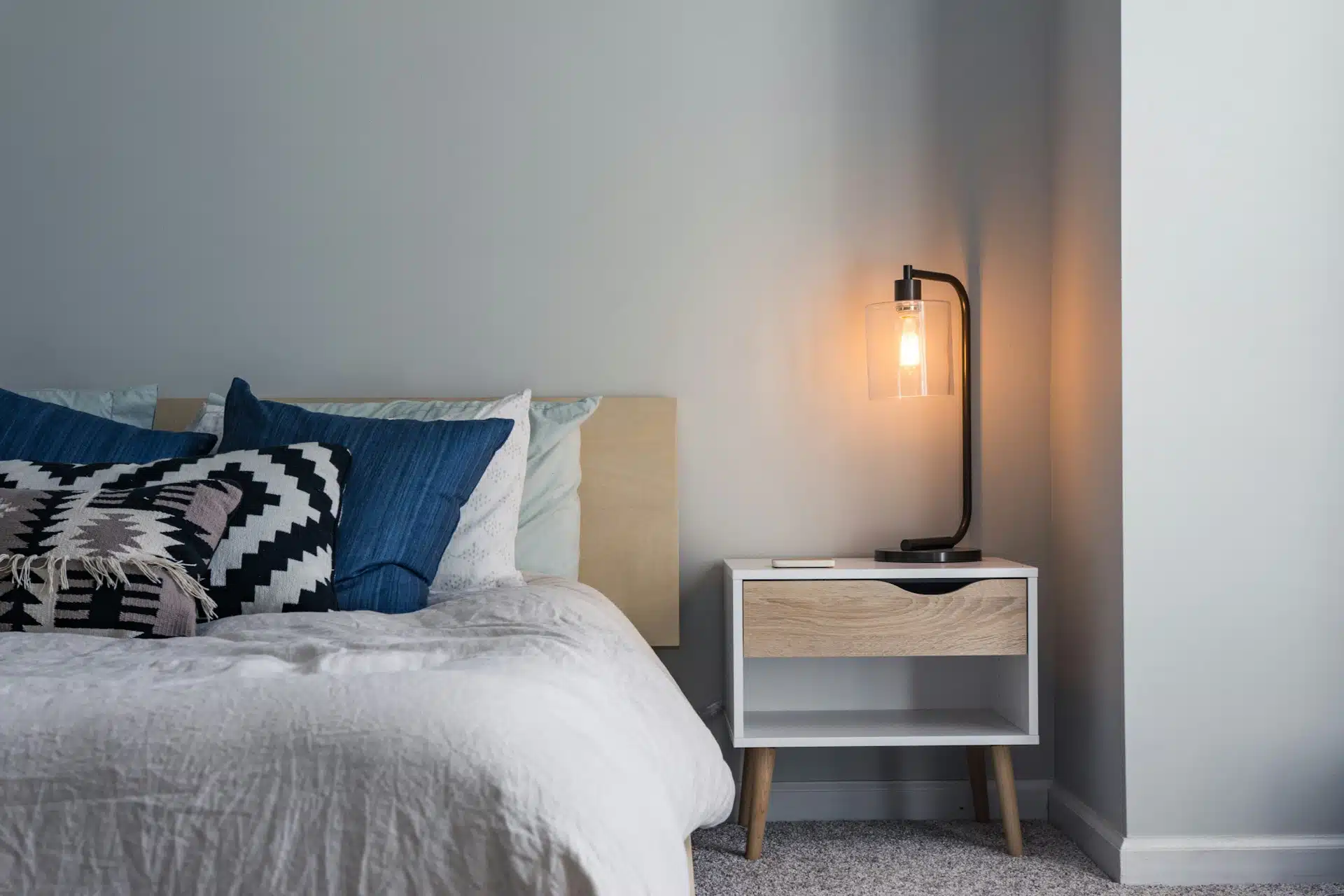
Inside the home, something’s shifted. The pandemic blurred the line between “living space” and “workspace,” and even now, with a return to in-person life, the effects linger. Rooms aren’t being designed around entertaining guests the way they used to be. Instead, they’re being shaped for function, flexibility, and comfort—for the people who live there every day.
Formal dining rooms have been turned into hybrid offices. Spare bedrooms now pull double duty as guest spaces and craft stations or podcast setups. People are thinking less about resale value and more about usability. And this shift isn’t being driven by expensive taste or big budgets. It’s being shaped by a deeper question: what does this room actually need to do?
For a lot of homeowners, the answer includes more storage, less clutter, and multi-use features. Built-in shelves that double as room dividers. Furniture with hidden compartments. Workspaces that disappear behind sliding panels. These ideas don’t just look nice—they give you back square footage you didn’t know you were wasting.
And while personalization has always been part of design, what we’re seeing now is something else. It’s no longer about following design blogs or mimicking what’s trending on social media. It’s about building a space that fits your routine—even if it breaks a few rules along the way.
Energy is Expensive, and People Are Paying Attention
It’s hard to ignore the electricity bill when it suddenly jumps after a heat wave. And even harder to pretend your old water heater is “probably fine” when it groans every time it runs. People are responding to these signals. Not out of fear, but necessity.
Energy efficiency is no longer just about being green. It’s about financial stability. It’s about comfort. It’s about surviving the next blackout without sweating through the sheets. And, in many cases, it’s about being less dependent on systems that feel increasingly unreliable.
This has led to a more grounded interest in updates like insulation, thermal windows, tankless water heaters, and smart thermostats. None of these are particularly exciting. You won’t get compliments from friends about your upgraded attic insulation. But you’ll feel it—every month, on the bill, and in how stable the house feels no matter the season.
Some municipalities have started incentivizing these changes, offering tax breaks or rebates for energy-conscious upgrades. That’s created a moment where doing the responsible thing also makes economic sense. It doesn’t happen often, so when it does, people are jumping on it.
Functionality is the New Luxury
The idea of luxury in home design used to be tied to finishes—quartz counters, custom tiles, rare woods. Now, it’s tilting toward function. A well-planned pantry that saves you three trips to the store each week. A quiet fan that works better than central air. A front entry designed to handle muddy shoes, wet dogs, backpacks, and packages.
Luxury today feels less about what things are made of and more about how they serve you. In a world that still feels uncertain in many ways, there’s value in knowing your home can handle your needs. There’s comfort in opening a drawer and finding what you need without a scavenger hunt. There’s calm in a kitchen that doesn’t make you want to give up cooking.
In this way, home improvement has circled back to its original purpose—not about display or resale value, but livability. And more people are okay with imperfection if the systems behind the space make sense.
What We Prioritize Tells a Bigger Story
The way people improve their homes reflects what they believe matters. Right now, practicality is being prized over polish. Sustainability is gaining ground not just for ethical reasons but for cost control. Personal comfort is being weighted more heavily than convention. And the home is being treated less like a showroom and more like a sanctuary.
In a time of rising costs, shifting work habits, and unpredictable weather, these adjustments aren’t just smart. They’re survival tactics. But they also say something hopeful: that people are willing to shape their spaces intentionally. Not just to follow a trend, but to build lives that actually work—one fix, one room, one small decision at a time.