Energy storage solutions are becoming more popular, especially in places like Connecticut, where power outages and high energy costs are common.
Many homeowners and businesses are now looking for better ways to store electricity and use it when they need it most.
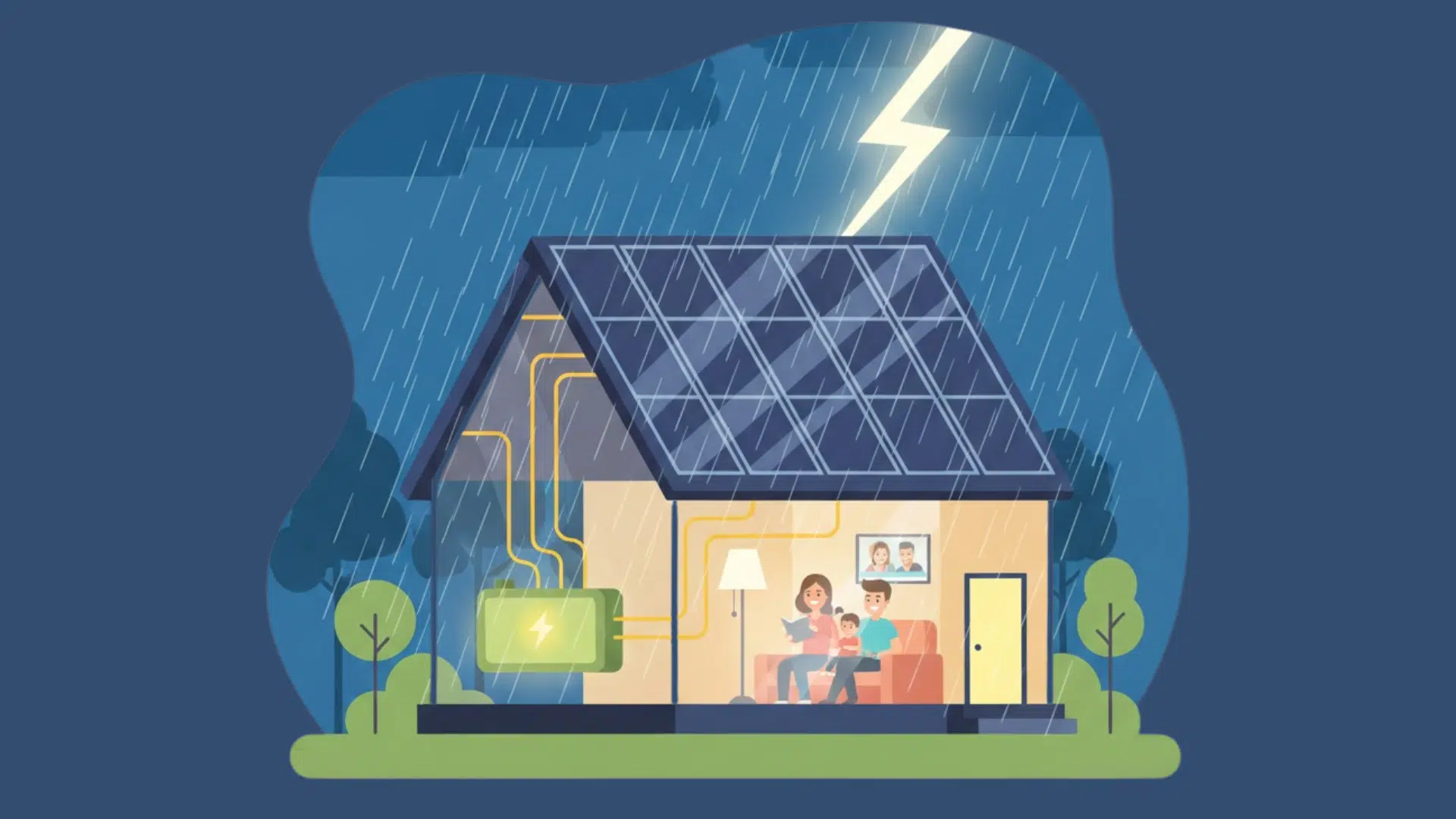
Energy storage systems help keep the lights on during outages, reduce stress on the power grid, and can even lower monthly electric bills.
In this guide, we’ll break down how energy storage works, the main system options, and what programs are available.
How Energy Storage Systems Work
Energy storage systems are designed to save electricity and use it later when it’s needed most. They work quietly in the background, helping homes and businesses stay powered and more energy-smart.
Charging and Storing Energy
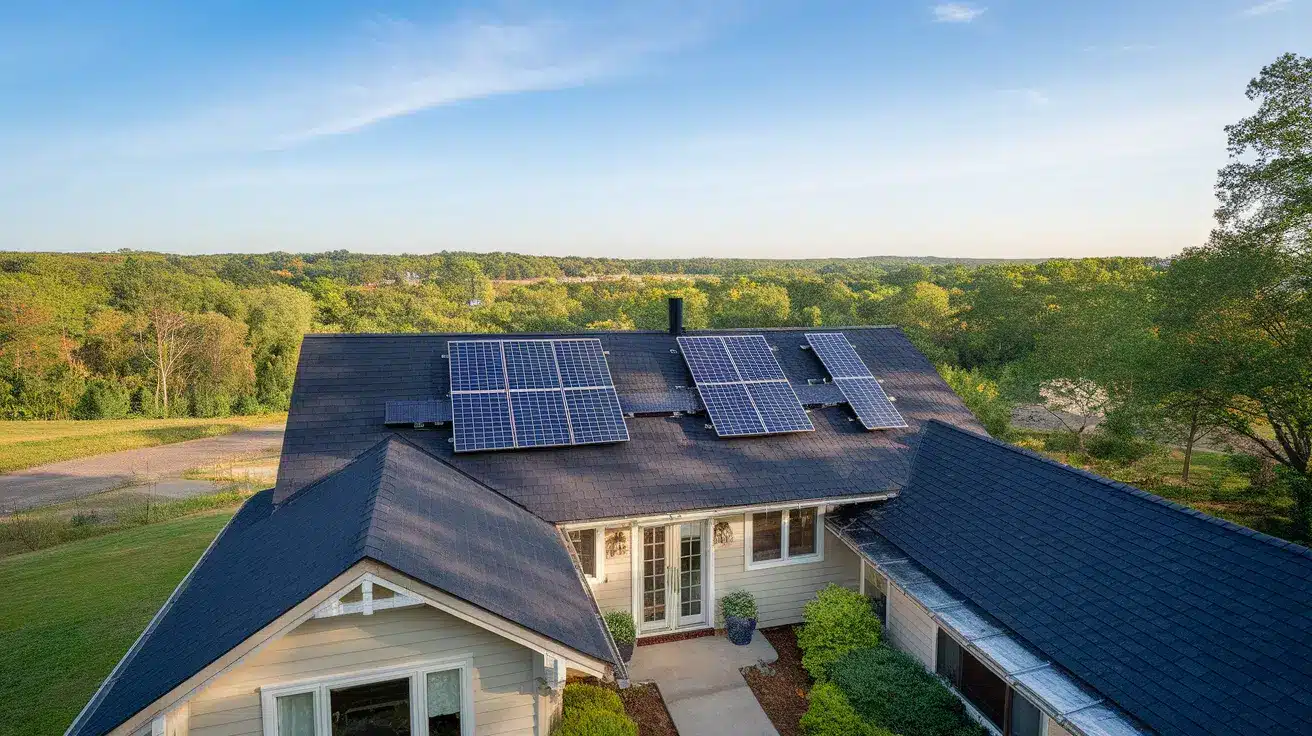
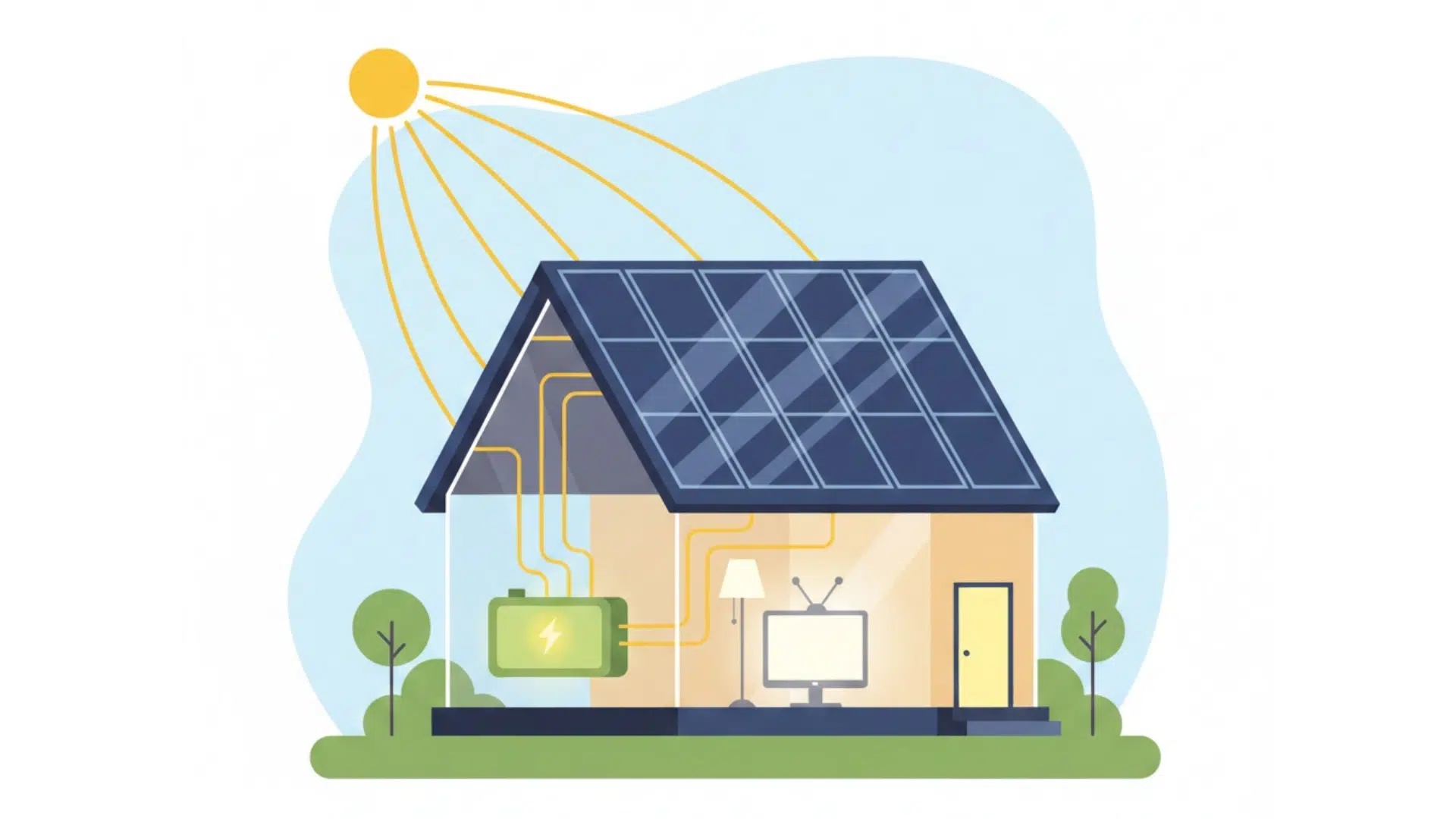
Energy storage systems charge by pulling electricity from the power grid or from solar panels. This usually happens when energy is cheaper or when solar panels are producing extra power.
The electricity is stored inside a battery until it’s needed. Once stored, the energy stays ready for use during outages or high-cost hours.
Using Stored Power When Needed
When the power goes out or energy prices rise, the system sends stored electricity back into your home or building. This happens automatically, so there’s no need to flip switches.
The system decides the best time to release power, helping reduce bills and keep important appliances running.
Types of Energy Storage Solutions
Energy storage comes in different forms, depending on how and where it’s used. Some systems are built for homes, while others support businesses or the electric grid.
| Energy Storage Type | Best For | How It Helps |
|---|---|---|
| Home Battery Storage | Homes and small buildings | Provides backup power during outages and helps lower energy bills |
| Solar Plus Storage | Solar-powered homes | Stores extra solar energy for night use or cloudy days |
| Commercial Storage | Businesses and offices | Reduces peak demand charges and improves energy reliability |
| Community-Scale Storage | Neighborhoods or utilities | Supports the local grid and reduces strain during high demand |
| Utility-Scale Storage | Power companies | Balances energy supply and demand across large areas |
Choosing the right one depends on your power needs, budget, and location.
Energy Storage Solutions Program
The Energy Storage Solutions Program helps people install battery systems at a lower cost. It also encourages using stored energy in ways that support the local power grid.
- Upfront incentives – These help reduce the cost of buying and installing a battery system.
- Performance incentives – You can earn extra money by letting your battery send power back to the grid during high-demand times.
- Utility participation – The program works with local utilities to manage energy use more efficiently.
- Home and business options – Both homeowners and businesses can take part, depending on system size and setup.
- Approved installers – Systems must be installed by qualified providers who understand program rules.
Overall, this program makes energy storage more affordable and practical.
Steps to Get Started with Energy Storage
Getting started with energy storage may feel overwhelming at first, but the process is usually simple. Breaking it into clear steps makes it easier to choose the right system for your needs.
1. Define Your Energy Goals
Start by thinking about why you want energy storage. Some people want backup power during outages, while others want to lower their electric bills. You may want both.
Knowing your main goal helps decide the battery size, system type, and whether solar should be included. This step also helps installers suggest the right setup.
2. Schedule a Site Assessment
Next, have a professional look at your home or building. They’ll check your electrical panel, available space, and energy use.
This visit helps spot any upgrades needed before installation. It also makes sure the system will work safely and meet local rules.
3. Review Incentives and Program Fit
Before moving forward, check what programs and incentives you qualify for. In Connecticut, some programs can lower upfront costs or offer extra payments later.
Your installer can help explain the details and handle most of the paperwork. This step can make a big difference in total cost.
4. Compare Quotes and System Options
Get quotes from two or three installers if possible. Compare system size, pricing, warranties, and support.
Don’t just look at the lowest price. A reliable system and experienced installer often provide better long-term value and peace of mind.
Costs, Savings, and Financing Options
The cost of energy storage can vary based on system size, equipment, and installation needs. While the upfront price may seem high, incentives and long-term savings can make it more affordable over time.
| Factor | What It Means | Why It Matters |
|---|---|---|
| System Size | Battery capacity and power output | Larger systems cost more but provide longer backup |
| Installation Costs | Labor, permits, and wiring upgrades | Older homes may need extra electrical work |
| Incentives | State or utility programs | Can lower upfront costs and improve payback |
| Energy Savings | Lower bills from smart energy use | Savings grow over time with proper use |
| Financing Options | Loans or payment plans | Helps spread costs into monthly payments |
Incentives, financing, and energy savings all contribute to making energy storage a smart, long-term investment.
Incentives, Eligibility, Safety, Permits, and Warranties
Understanding incentives and system rules is just as important as choosing the right battery.
- Incentives and rebates – Many programs offer upfront savings or extra payments for using your battery during high-demand times.
- Eligibility requirements – Rules may depend on your location, utility provider, system size, and installer approval.
- Safety standards – Batteries must meet fire and electrical safety codes to protect your home and family.
- Permits and inspections – Most systems require local permits and final inspections before they can be used.
- Warranties – Look for strong battery and installer warranties to cover performance and workmanship.
Taking time to review these details helps avoid surprises later. It also ensures your energy storage system is safe, compliant, and built to last.
Finding Energy Storage Providers In Connecticut (and Other States)
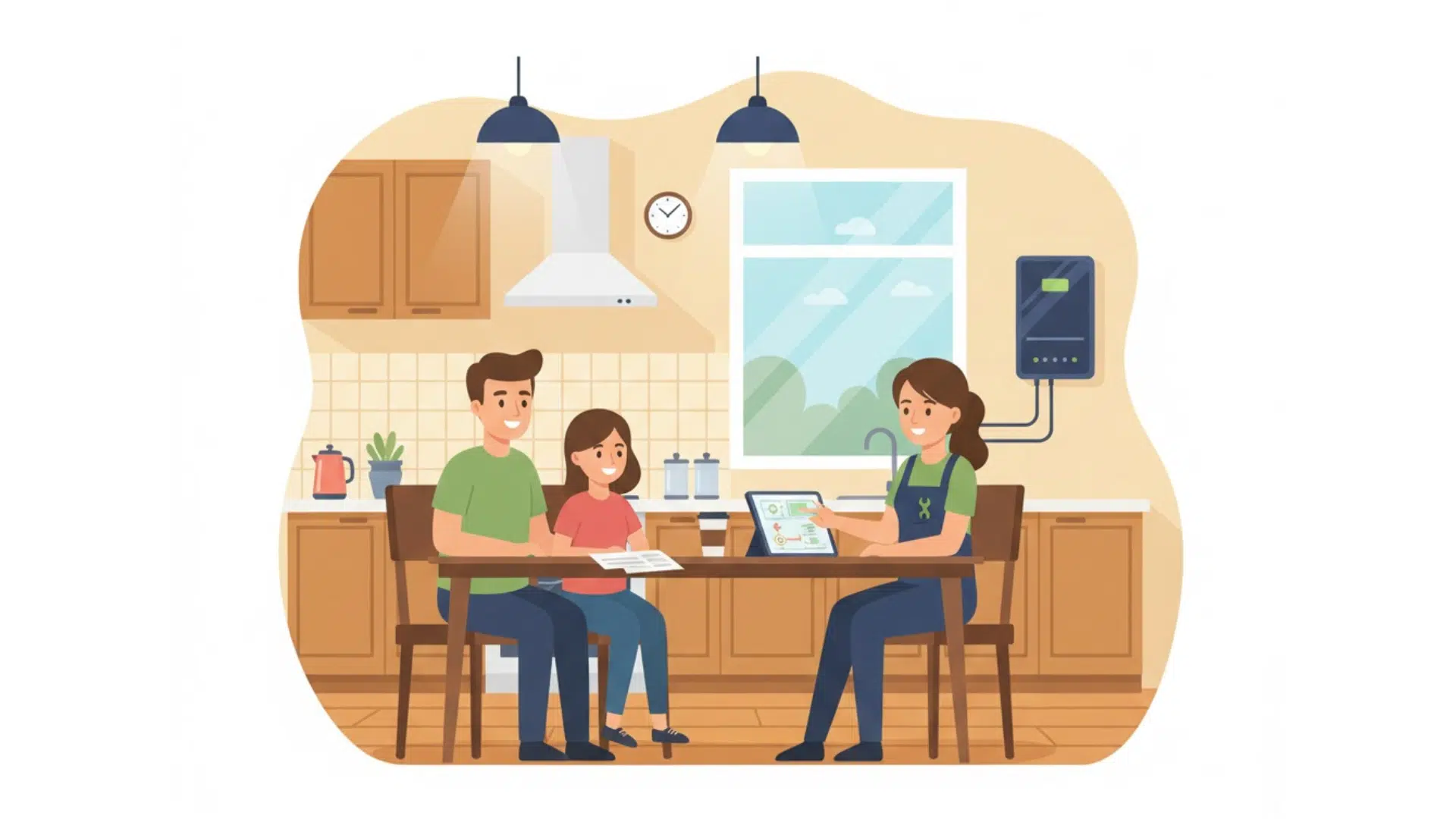
If you’re in Connecticut, the safest starting point is to use the official Energy Storage Solutions (ESS) contractor finder and then compare 2–3 quotes. That list is built for the state program and is meant to help you find eligible contractors.
Top Connecticut Recommendations (Good Starting Shortlist)
These are real providers people commonly look at for battery storage in CT. Always confirm they can enroll you in the current ESS program and serve your town.
- Earthlight Technologies (Ellington, CT): Known for solar + battery storage work, including FranklinWH installations, and shows up in major review and profile sources.
- Green Power Energy (CT region): A CT-based solar company that also installs battery storage and has published work around Tesla Powerwall 3 installs in Connecticut.
- Sunrun (National Provider Operating In CT): Often listed among top CT solar companies and frequently offers solar + storage options (availability can vary by zip code).
Quick tip: Even if you already like a company, still pull 1–2 more bids. The ESS site itself encourages due diligence and comparing bids.
Finding Providers in Other States
New York: Use NYSERDA’s Energy Storage Participating Contractors list (it’s designed for customers who want access to NY incentives).
Massachusetts: Check Mass Save Battery Storage info (ConnectedSolutions incentives are a big draw), then confirm your utility’s enrollment path.
California: Start with the CPUC’s SGIP program info, then work with an installer who regularly files SGIP applications (many do this for customers).
Checklist Before You Pick a Provider
- Have you installed batteries in my state and handled the incentive paperwork before?
- Which battery brands do you install most (Tesla, Enphase, FranklinWH, etc.)?
- What can this system actually back up in my home (heat, fridge, well pump)?
- What are the warranties (battery + installer workmanship)?
- Who supports the app/software after installation?
Conclusion
Energy storage solutions are no longer just a future idea. They are a practical option for homeowners and businesses that want more control over their power.
With the right system, you can stay prepared for outages, manage energy use better, and take advantage of local incentives.
Programs like Connecticut’s Energy Storage Solutions Program make it easier to get started without paying everything upfront.
If you’re thinking about energy storage, now is a great time to check out your options. Reach out to a local installer, compare quotes, and see how energy storage can work for your home or business.