Delivery labels sound simple until you’re standing in your doorway, wondering what happens next.
White glove delivery is one of those terms that gets thrown around a lot, yet means slightly different things depending on where you buy. That gap between expectation and reality is where frustration usually starts.
Understanding what the service offers helps you avoid that. This guide looks at how it works in real life, what level of help you can actually expect, and how to tell when it’s worth the extra cost.
It’s not about selling the upgrade. It’s about clarity before money changes hands. Let’s start with the basics.
What Does White Glove Delivery Mean?
White glove delivery means the item isn’t just dropped at your door. It’s brought inside, placed where you want it, and usually set up for you. The goal is to handle the product carefully and leave you with something that’s ready to use.
This is different from basic delivery, which often stops at the curb or front door. With standard delivery, you’re doing the heavy lifting, the assembly, and the cleanup. White glove delivery shifts that work to the delivery team.
In short, white glove delivery is hands-on delivery with setup, care, and cleanup included.
Why is it Called “White Glove” Delivery?
The phrase “white glove” comes from old-school service jobs where staff literally wore white gloves. The gloves signaled care, cleanliness, and respect for valuable items. If the gloves stayed clean, it meant the job was done right.
That idea carried over into delivery and logistics. White glove delivery became shorthand for extra care and higher service standards. Not rushed. Not careless. Meant for items that are expensive, fragile, or hard to move.
The name stuck because it sets expectations. Careful handling. Professional service. And less work for you once the item arrives.
What’s Included in White Glove Delivery

What’s included can change depending on the retailer or carrier, which is why it’s important to check the details before you buy. Even so, most white glove services follow the same general structure.
Here’s how it usually breaks down:
1. Inside Placement
This means the item is brought inside your home instead of being left at the door or curb. The delivery team places it in the room you choose, as long as it fits and access allows. This can include upstairs or hard-to-reach rooms, depending on the service level.
2. Assembly and Setup
This is one of the main reasons people choose white glove delivery.
For furniture, this usually means full assembly and proper placement once everything is put together.
For appliances, setup often includes positioning and leveling the unit. Basic connections may be included, but this depends on the product and local requirements.
For electronics, setup can include attaching stands, making basic connections, and powering the device on to confirm it works. More complex installation steps are often excluded.
3. Unpacking and Cleanup
The delivery team unboxes the item as part of the service, so you don’t have to deal with large boxes or protective materials.
They remove the packaging before leaving, which saves time and avoids a mess after delivery.
4. Haul-Away Services
Some white glove deliveries include removing old furniture or appliances, while others treat this as an add-on.
This service usually costs extra when the item is large, heavy, or requires special disposal, or when haul-away was not selected during checkout. Always confirm this in advance, since it’s one of the most common points of confusion.
What’s Not Included in White Glove Delivery
This is where a lot of people get caught off guard. White glove delivery sounds all-inclusive, but it still has limits. Many retailers don’t spell those out clearly, which is why this part matters.
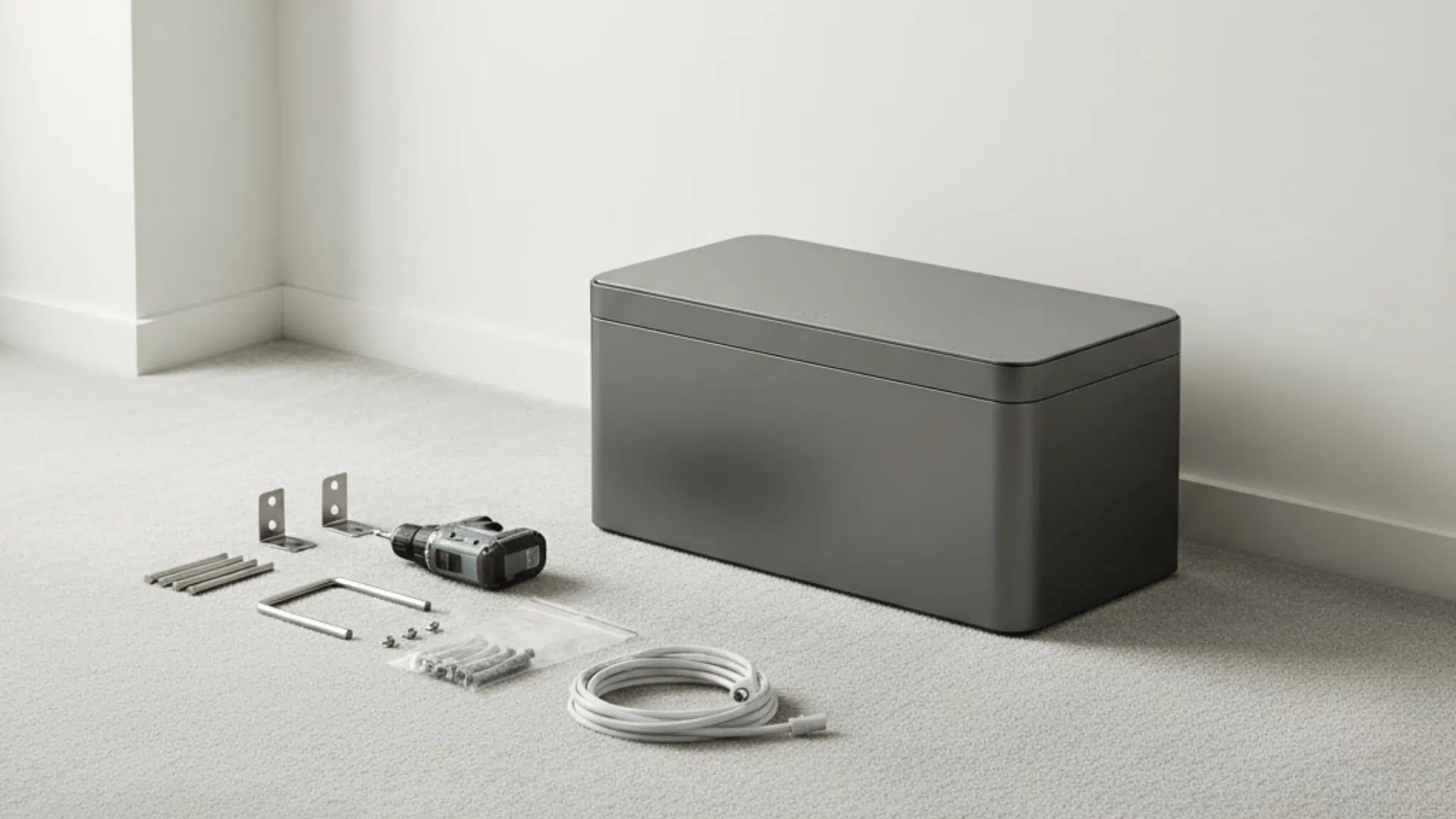
Structural installation is almost always excluded. That means no cutting walls, no drilling into framing, and no changes to your home’s structure.
Electrical or plumbing work is usually not included either. Delivery teams can place an appliance, but they often can’t hardwire it or connect new plumbing lines. Licensed work is typically required for that.
Wall mounting can be hit or miss. Some services offer it for certain items, while others don’t allow it at all due to liability. Even when it’s available, it may cost extra.
Repairs or modifications are also not part of white glove delivery. If something doesn’t fit, needs adjustment, or requires parts to be altered, that falls outside the service. The team delivers and sets up. They don’t customize.
White Glove Delivery vs. Standard Delivery
The difference comes down to how much work you want to handle yourself after delivery. Both options get the item to your home, but the experience is very different once it arrives.
| Feature | Standard Delivery | White Glove Delivery |
|---|---|---|
| Drop-off location | Curbside or front door | Inside the home, room of choice |
| Setup | Not included | Usually included |
| Cleanup | Customer handles boxes and packaging | Packaging removed by delivery team |
| Time and effort | More time and physical work required | Minimal effort from the customer |
If you’re comfortable assembling, moving, and cleaning up, standard delivery can be enough. If you want the item placed, set up, and ready to use without the extra work, white glove delivery is the easier option.
When White Glove Delivery is Worth It
White glove delivery isn’t always necessary. The value depends on the item, the space, and how much work you want to take on yourself. In the right situations, it can save a lot of time and frustration.
- Large furniture is a common case. Items like beds, sectionals, and heavy tables are difficult to move and assemble without help. White glove delivery handles the lifting and setup in one visit.
- Fragile items also benefit from extra care. Large TVs, glass furniture, and high-end electronics are easier to damage during basic delivery. Professional handling lowers that risk.
- Limited mobility situations are another factor. If lifting, bending, or assembly is difficult, paying for white glove delivery can remove physical strain and safety concerns.
- Apartments and tight spaces make delivery harder too. Stairs, narrow hallways, and elevators add complexity.
White glove teams are usually prepared for these challenges, which makes the process smoother overall.
How Much Does White Glove Delivery Cost?
Pricing can feel vague because there isn’t one standard rate. White glove delivery costs more than basic delivery, but the exact amount depends on several factors.
In most cases, white glove delivery ranges from about $100 to $300 per item. Larger or more complex deliveries can go higher, especially for appliances or oversized furniture.
Factors that can jack up the price:
Costs increase when the item is heavy, fragile, or difficult to move. Stairs, long carry distances, tight spaces, and added services like haul-away or wall mounting can all raise the price.
Prices also vary by retailer and location. Some stores bundle white glove delivery into the product price, while others list it as a separate fee. Urban areas and remote locations often cost more due to labor and logistics.
That’s why the same service can be priced very differently depending on where you live and who you buy from.
Do You Tip for White Glove Delivery?

Tipping isn’t always required, but it’s common in many situations. White glove delivery involves hands-on work, and many teams rely on tips as part of their income.
Tipping is usually expected when the team carries heavy items, navigates stairs, assembles furniture, or spends extra time setting things up.
If the service goes beyond basic placement, a tip is generally appreciated.
Typical tips range from $10 to $20 per person for straightforward deliveries. For more complex jobs, $20 to $50 per person is common, especially if the delivery takes longer or involves tight spaces.
Tipping is not necessary when it’s clearly included in the service fee or when the retailer states that tipping is not expected. If you’re unsure, checking the delivery terms ahead of time can help avoid awkward moments at the door.
Questions to Ask Before Paying for White Glove Delivery
This is the part most people skip, and it’s where surprises usually happen. Asking a few questions before checkout can save time, money, and frustration on delivery day.
- Does it include assembly, or is that a separate charge?
- Does it include haul-away for old furniture or appliances?
- Are stairs included, and is there a limit on how many flights?
- Are there extra fees for tight spaces, long carry distances, or special handling?
- Is scheduling flexible, or are delivery windows limited?
Getting clear answers upfront helps set expectations and avoids last-minute issues when the delivery team arrives.
Wrapping Up
White glove delivery isn’t about luxury for the sake of it. It’s about reducing risk, saving time, and avoiding hassle when the item itself already feels like enough to deal with.
For some purchases, that extra layer of service changes the entire experience. For others, it’s unnecessary.
That’s why understanding what white glove delivery actually offers before checkout matters more than the label itself. Once you know the limits, costs, and real value, you can decide with confidence instead of guessing.
If you’re shopping for something large, fragile, or hard to manage, pause before clicking buy. Review the details, ask the right questions, and choose the delivery option that actually fits your situation.