Power outages, outdoor trips, and emergency situations often raise the same question: how can you access reliable electricity without depending on fuel or the grid? Many people now turn to portable solar-based solutions, but the concept can still feel unclear to first-time users. Understanding what a solar generator is and how it works can help you decide whether it fits your lifestyle or preparedness plan.
At its core, a solar generator captures energy from the sun and stores it in a portable power station for later use. Unlike traditional generators that rely on gasoline or diesel, it produces electricity quietly and without emissions. This makes it suitable for a wide range of everyday and emergency scenarios, from powering essential appliances during outages to supporting off-grid activities.
What Is a Solar Generator
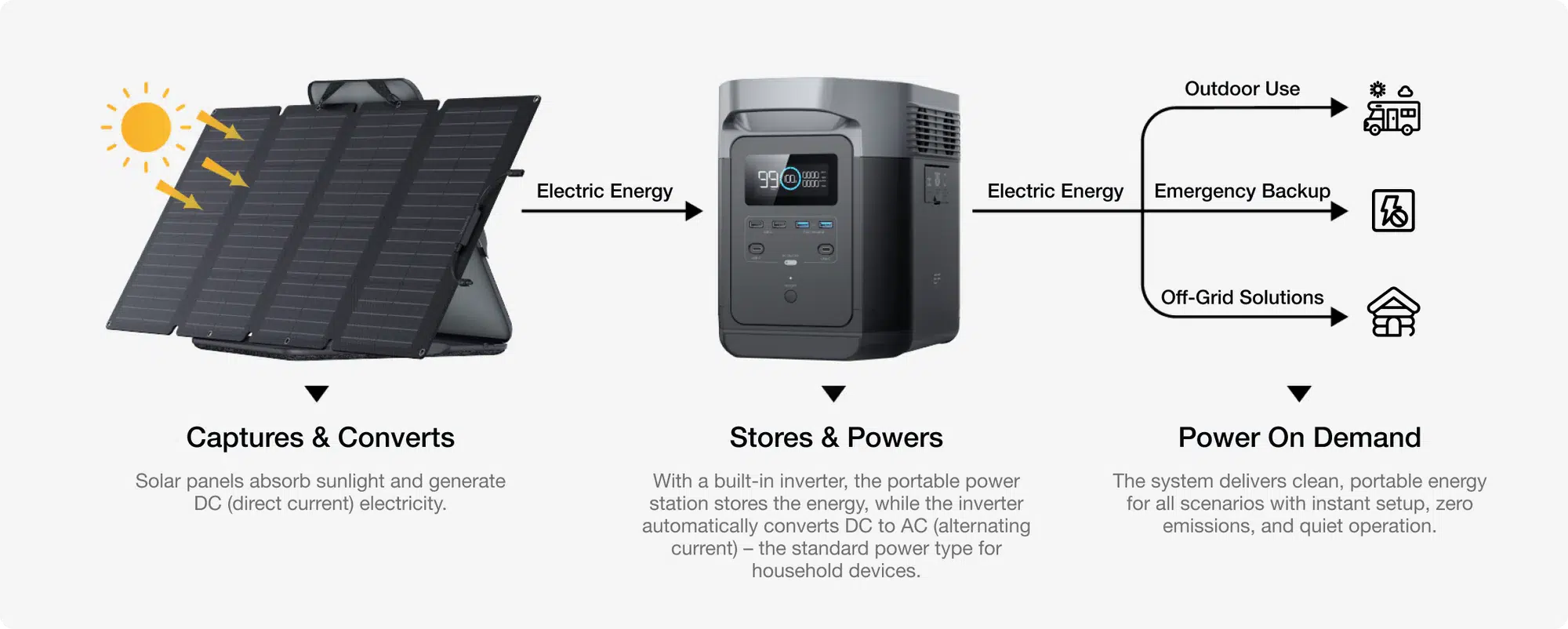
A solar generator is not a single device but a system made up of several components working together. It combines solar panels, an energy storage unit, and a power management system that allows users to convert sunlight into usable electricity.
Most modern systems are designed to be portable and modular. This means users can adjust capacity and output based on their needs, whether they are preparing for occasional outages or planning extended off-grid use.
Key Characteristics of a Solar Generator
Solar generators are known for several defining features:
- They use renewable energy from sunlight
- They store power in internal batteries for later use
- They provide multiple output options for different devices
- They operate quietly and without combustion
These characteristics make them appealing to people who want dependable energy without the noise, fumes, or maintenance associated with fuel-based generators.
Main Components of a Solar Generator System
To understand how a solar generator works, it helps to look at its main components and the role each one plays.
Solar Panels
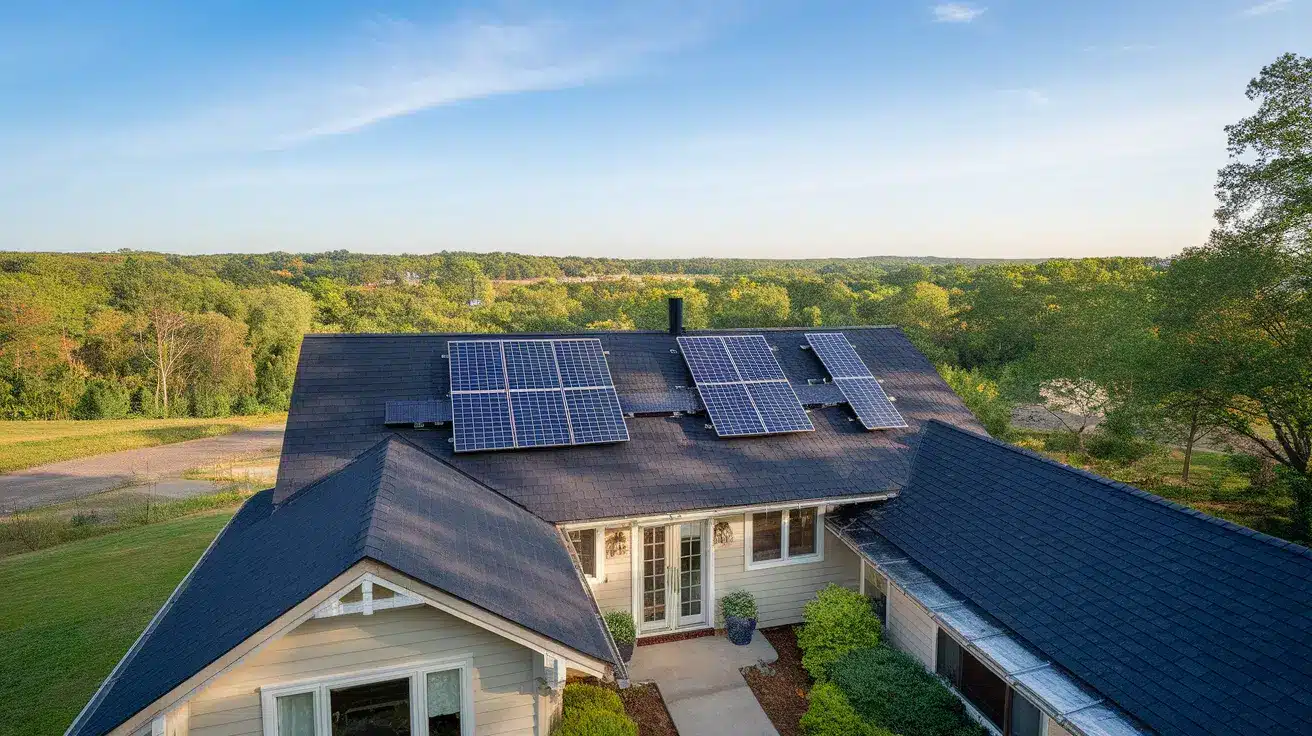
Solar panels are responsible for capturing sunlight and converting it into electrical energy. They are usually portable, foldable, or rigid panels that can be positioned to receive direct sunlight.
The efficiency of a panel determines how much energy it can generate under the same conditions. Higher efficiency panels are especially useful when sunlight is limited or space is constrained.
Portable Power Station
The power station is the heart of the system. It houses the battery, inverter, and internal electronics that manage energy flow. This is where electricity is stored until it is needed.
Battery capacity is measured in watt-hours and determines how long the system can power devices. Larger capacities allow for longer runtimes and support higher energy demands.
Charge Controller
The charge controller regulates the energy coming from the solar panels to protect the battery. It prevents overcharging and ensures that power is stored safely and efficiently.
Without this component, the battery could degrade quickly or become unsafe over time.
Inverter
The inverter converts stored direct current electricity into alternating current, which is required by most household appliances and electronics.
The inverter’s power rating determines what kinds of devices can be powered, from phones and laptops to refrigerators and power tools.
How a Solar Generator Works Step by Step
While the technology inside may sound complex, the basic process is straightforward.
Step 1: Capturing Solar Energy
Solar panels absorb sunlight and convert it into electrical energy. This energy flows through cables into the power station.
Panel placement plays a significant role in efficiency. Direct sunlight and proper orientation can dramatically increase energy production.
Step 2: Storing Energy in the Battery
Once electricity reaches the power station, it is stored in the internal battery. This stored energy can be used immediately or saved for later.
This storage capability is what makes a solar generator practical during nighttime or cloudy conditions.
Step 3: Delivering Power to Devices
When a device is plugged in, the inverter converts the stored energy into usable power. The system then delivers electricity through various output ports, depending on the device’s requirements.
This process happens quietly and automatically, requiring no manual switching or fuel refilling.
Common Uses for Solar Generators
Solar generators are versatile and can support many different use cases.
Home Backup Power
During power outages, a solar generator can keep essential devices running. This may include lighting, communication devices, medical equipment, or refrigeration for food and medication.
For short-term outages, even a modest system can provide peace of mind and continuity.
Outdoor and Recreational Use
Campers, travelers, and outdoor enthusiasts often rely on solar generators to power lights, cooking equipment, and personal electronics.
Because these systems operate silently, they are well suited for natural settings where noise and fumes are undesirable.
Emergency Preparedness
Many people include solar generators in their emergency plans. Unlike fuel-powered options, they do not rely on stored gasoline, which can degrade or become unavailable during crises.
As long as sunlight is available, the system can continue generating power.
Off-Grid Living
For cabins, remote work sites, or temporary shelters, solar generators provide a flexible energy source. They can be combined with additional panels to increase daily energy production.

Advantages Over Traditional Generators
Solar generators offer several benefits compared to conventional fuel-based generators.
They do not require gasoline, oil changes, or engine maintenance. This reduces long-term costs and simplifies ownership.
They also operate quietly, making them suitable for residential areas and shared spaces.
From an environmental perspective, they produce no direct emissions during operation, which appeals to users seeking cleaner energy solutions.
Limitations to Consider
Despite their advantages, solar generators are not without limitations.
Energy production depends on sunlight, which can vary by location, weather, and season. Users may need to plan energy usage carefully during extended periods of low sunlight.
Initial costs can be higher than basic fuel generators, especially for systems with large batteries and high output capacity.
Understanding these trade-offs helps set realistic expectations and encourages thoughtful planning.
Choosing the Right Capacity and Output
One of the most important considerations is matching the system to your actual power needs.
Start by listing the devices you want to power and their wattage requirements. This helps determine both the inverter output and battery capacity needed.
It is often better to choose a system with some extra capacity rather than one that operates at its limits.
Maintenance and Longevity
Solar generators generally require minimal maintenance. Keeping panels clean and storing the power station in a cool, dry place can extend its lifespan.
Advancements in battery technology now make it possible for systems to deliver around 2,000–4,000+ charge cycles while maintaining a high level of usable capacity, typically about 80% or more, providing an estimated decade of reliable power performance.
Final Thoughts
A solar generator is a practical solution for anyone seeking flexible, portable, and cleaner power. By capturing sunlight, storing energy efficiently, and delivering electricity on demand, these systems provide an alternative to traditional generators without the noise or fuel dependency.
Understanding how they work empowers users to make informed decisions and integrate solar power into everyday life, whether for emergencies, outdoor use, or off-grid living.