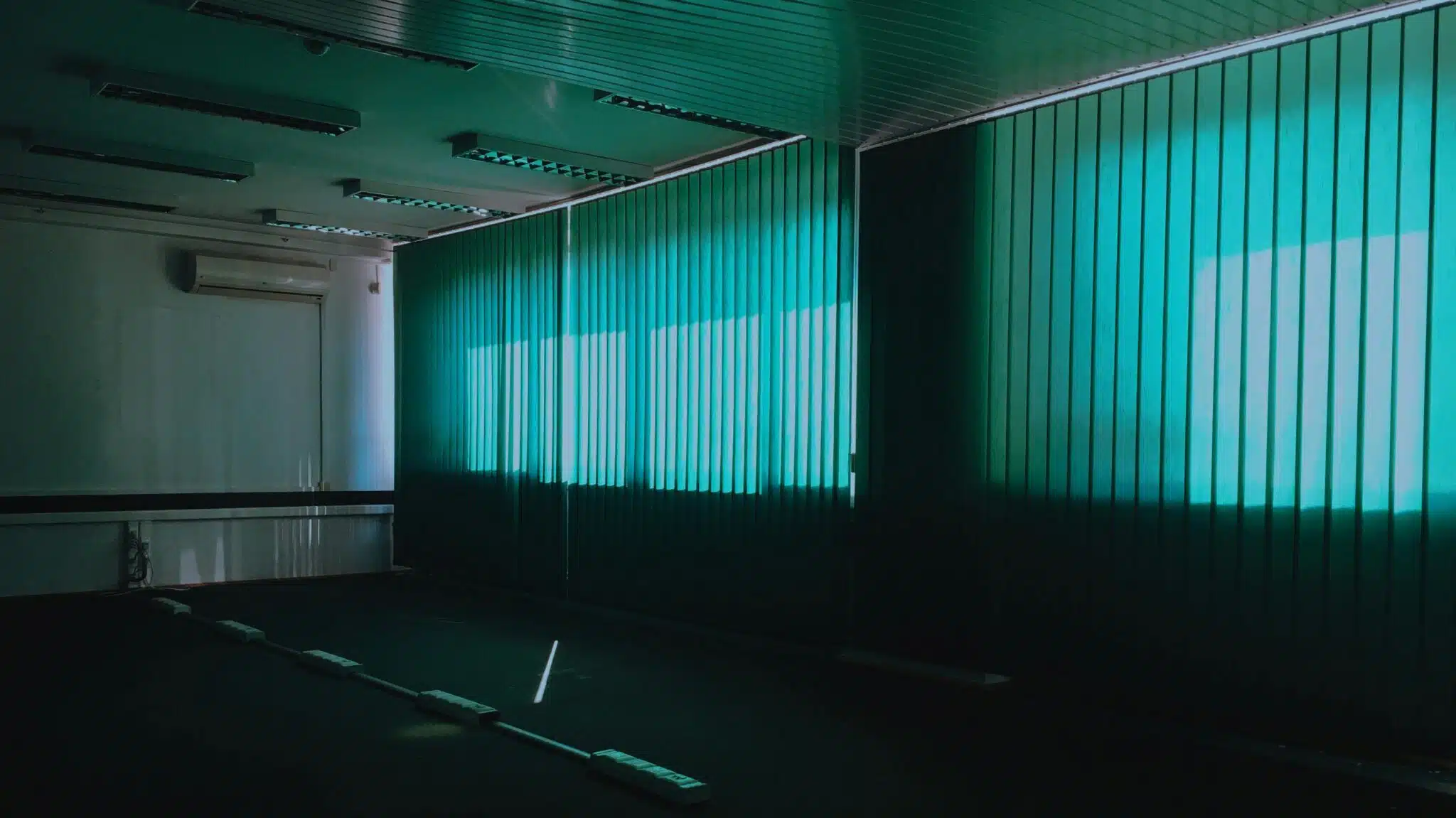
Yes, vertical blinds are still popular, and there are good reasons for that. They are one of the most practical window coverings for large windows, sliding patio doors, and wide glass openings. Although their reputation took a hit because of old-fashioned designs, today’s vertical blinds solve problems that many newer options still can’t.
Vertical window blinds have always been about more than just decoration. They were made to control light, privacy, and movement across wide spaces, and that purpose remains the same. What’s different now is their appearance, how they work, and how they fit into modern homes.
For homeowners looking at options for large or tricky window openings, vertical blinds are still a smart choice when performance is more important than following trends.
Why Vertical Window Blinds Never Disappeared
Vertical blinds survived because they address challenges that horizontal blinds and roller shades often cannot. Wide openings behave differently from standard windows. Light enters from multiple angles, foot traffic is constant, and materials must withstand regular movement.
The vertical orientation allows the slats to hang naturally under gravity. This keeps them aligned, reduces warping, and makes them easier to adjust over time. Tilting the slats changes the direction of the light without lifting the blind, which is especially useful on doors and tall windows.
Vertical blinds are still relevant because of three main strengths:
- Flexibility: slats rotate to control light and privacy precisely
- Durability: vertical slats resist bending and sagging better than wide horizontal systems
- Coverage: they handle large openings without heavy hardware or complex mechanisms
These practical benefits show why vertical blinds never went away; they have simply changed with the times.
Where Vertical Blinds Perform Better Than Other Options
Vertical blinds work best in places where the size and frequent use make other shades for windows impractical. Their design lets them cover large areas without looking bulky or needing complicated parts. That’s why designers and installers still choose them for some layouts.
They perform especially well in the following situations:
- Sliding patio doors, where panels need to move freely without lifting a blind
- Floor-to-ceiling windows, where vertical orientation maintains clean lines
- Wide window groupings, where a single system simplifies light control
- Open-concept spaces, where glare and privacy change throughout the day
In these situations, vertical blinds are easier to use and give more even coverage than roller blinds or curtains, which often need to be adjusted or layered.
Modern Vertical Blinds vs. Older Designs
Many people hesitate about vertical blinds because older versions looked bulky or too plain. Those older designs used stiff PVC slats, visible headrails, and only a few color choices. Today’s vertical blinds are much different.
Modern vertical blinds feature slimmer headrails, softer fabrics, and neutral colors that blend well with today’s homes. Fabric slats let light in gently, giving a softer look like drapes but with more control. Even PVC blinds are better now, with textured finishes and improved durability.
What separates modern vertical blinds from older styles includes:
- Updated materials, including fabric and composite slats
- Neutral, low-contrast colours that suit modern windows
- Cleaner headrail designs that reduce visual clutter
When you choose the right style, vertical blinds don’t take over a room. Instead, they complement the space.
Privacy, Light Control, and Everyday Comfort
Vertical blinds give you more control over light and privacy than fixed shades. You can rotate the slats to direct light instead of just blocking it. This is especially helpful in rooms where the sun moves throughout the day.
During the day, you can angle the slats to block views while still letting in natural light. At night, closing the slats covers large glass areas evenly. This flexibility makes vertical blinds a good choice for living rooms, dining areas, and spaces that face neighbors.
Vertical blinds also help make rooms more comfortable by reducing glare near big windows and doors. Fabric slats soften the light, and closing the slats tightly helps control heat and privacy. This creates a more balanced indoor space without needing to adjust the blinds all the time.
Vertical Blinds Compared to Popular Alternatives
People often compare vertical blinds to newer options, but each type has its own purpose. Knowing these differences helps homeowners pick what works best for their needs, not just for looks.
Feature | Vertical Blinds | Roller Blinds | Curtains |
|---|---|---|---|
Best for wide openings | Yes | Limited | Yes |
Light direction control | High | Low | Low |
Daytime privacy | High | Medium | Medium |
Ease of movement | High | Medium | Medium |
Visual softness | Medium-High | Medium | High |
Vertical blinds are a top choice for adjustable coverage, especially for large or frequently used windows and doors.
When Vertical Blinds Are Not the Best Choice
Vertical blinds aren’t the best fit for every situation. On small windows, they can look out of place and don’t offer much benefit over simpler options. They also aren’t ideal if you need a complete blackout without extra layers.
If a room is all about looks, like a formal sitting room, custom drapes might work better. In small spaces, horizontal blinds or roller shades usually fit more neatly.
Knowing these limits helps you use vertical blinds where they work best, instead of putting them in places where they don’t fit.
Why Vertical Blinds Still Have a Place
Vertical blinds are still popular because they solve real problems in today’s homes, especially with modern vinyl windows. They handle light, privacy, and movement across wide openings better than most other options. Even though they look different now, their main benefits are the same.
For homeowners with large windows or sliding doors, vertical blinds remain a practical, adaptable solution. When selected with modern materials and proper sizing, they integrate smoothly into contemporary interiors.