Thinking about buying a mobile home but not sure if it’s the right choice? You’re not alone. Many people like mobile homes because they offer a more affordable path to owning a place to live.
They also come with their own lifestyle, community feel, and unique money factors. But like any major decision, there are clear pros and cons to consider.
In this guide, I break down the benefits and drawbacks in a simple way so you can understand what really matters.
By the end, you’ll have the information you need to feel more confident about your next move.
What Are Mobile Homes and Manufactured Homes?
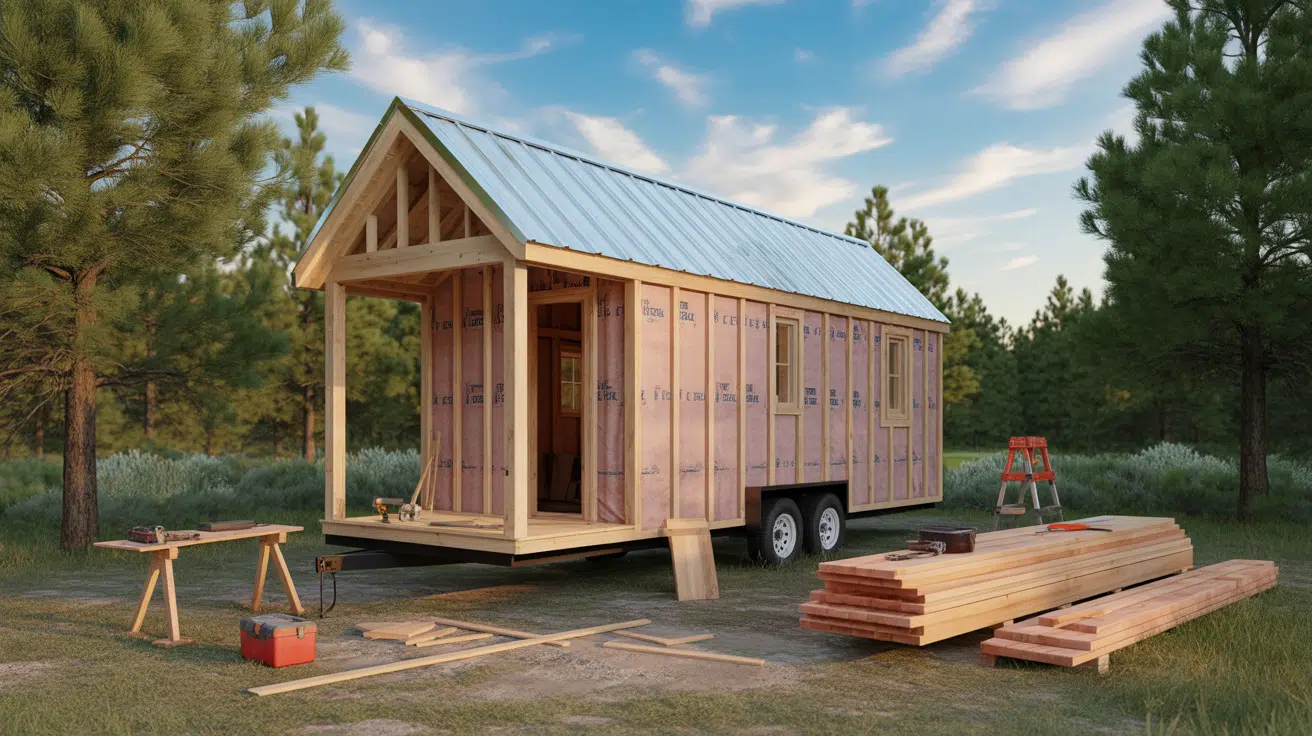
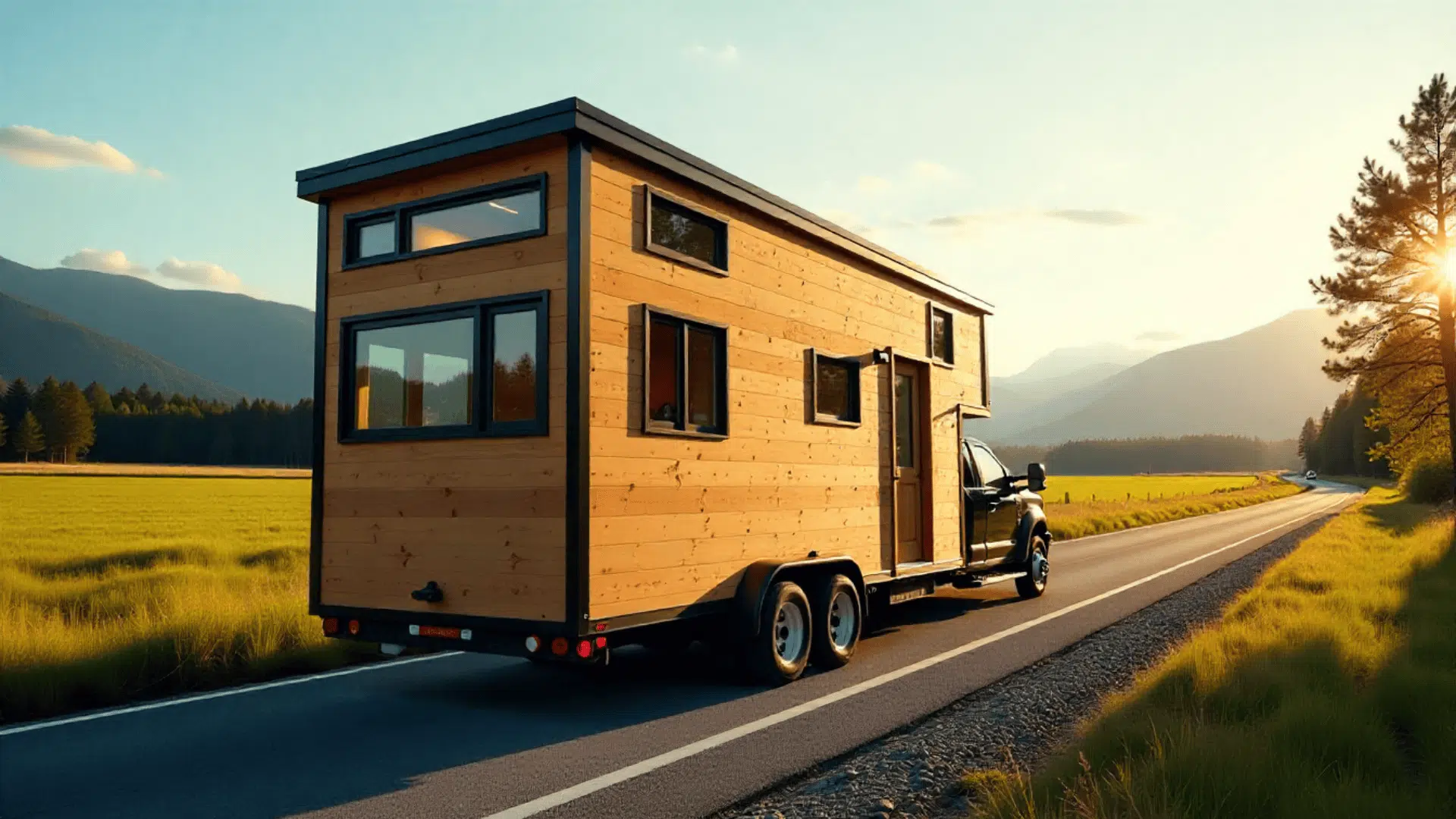
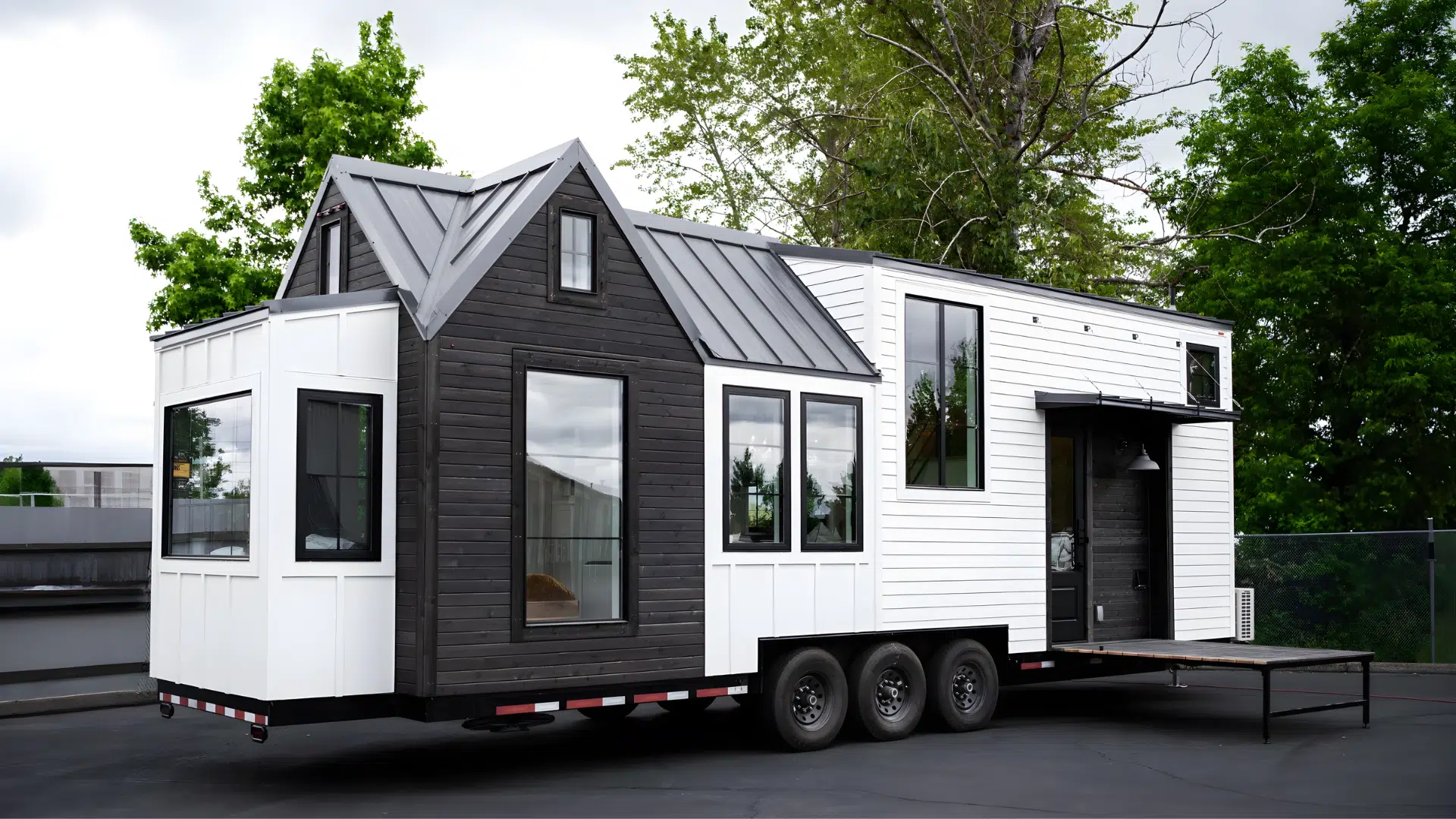
Mobile homes are factory-built homes designed on a metal frame and transported to the place where someone will live in them.
They were commonly built before 1976, when the term “mobile home” was used for all factory-made housing.
After that year, new federal standards were introduced, and homes built under those rules are called manufactured homes. These homes are still built in a factory, but the updated term helps separate them from older models.
People often use “mobile home” and “manufactured home” to mean the same thing, but technically, the difference is based on the year the home was built.
Biggest Pros and Cons of Mobile Homes
Mobile homes come with real strengths and real drawbacks. Below is a quick table to help you see both sides at a glance.
| Pros | Cons |
|---|---|
| Lower purchase price | You may not own the land |
| Faster move-in process | Lot rent and extra fees |
| Flexible floor plan choices | Harder loan options |
| Modern building standards | Depreciation over time |
| Close community feel | Park rules and limits |
| Often easier to customize | Weather risks in some areas |
These points give you a simple starting place.
What Day-to-Day Life in a Mobile Home Really Feels Like
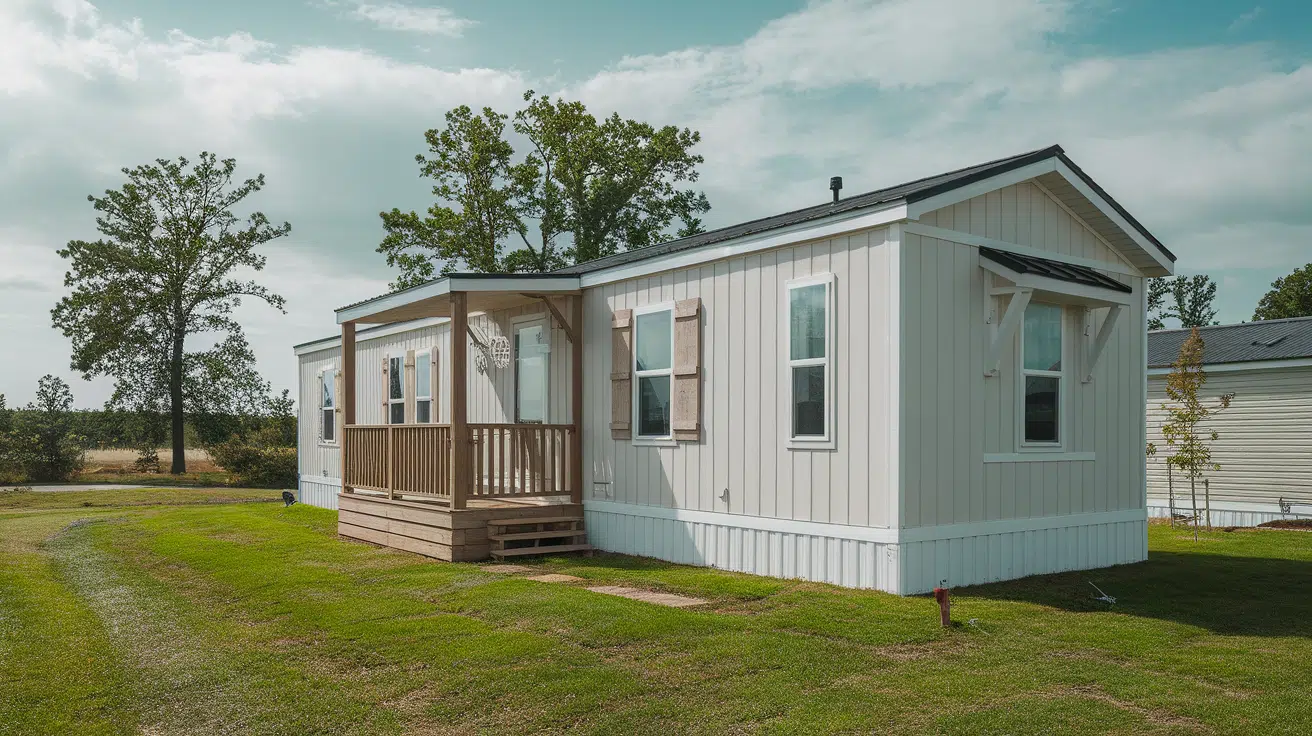
Daily life in a mobile home feels different depending on the home, the park, and the people around you.
1. Space, Layout, and Storage
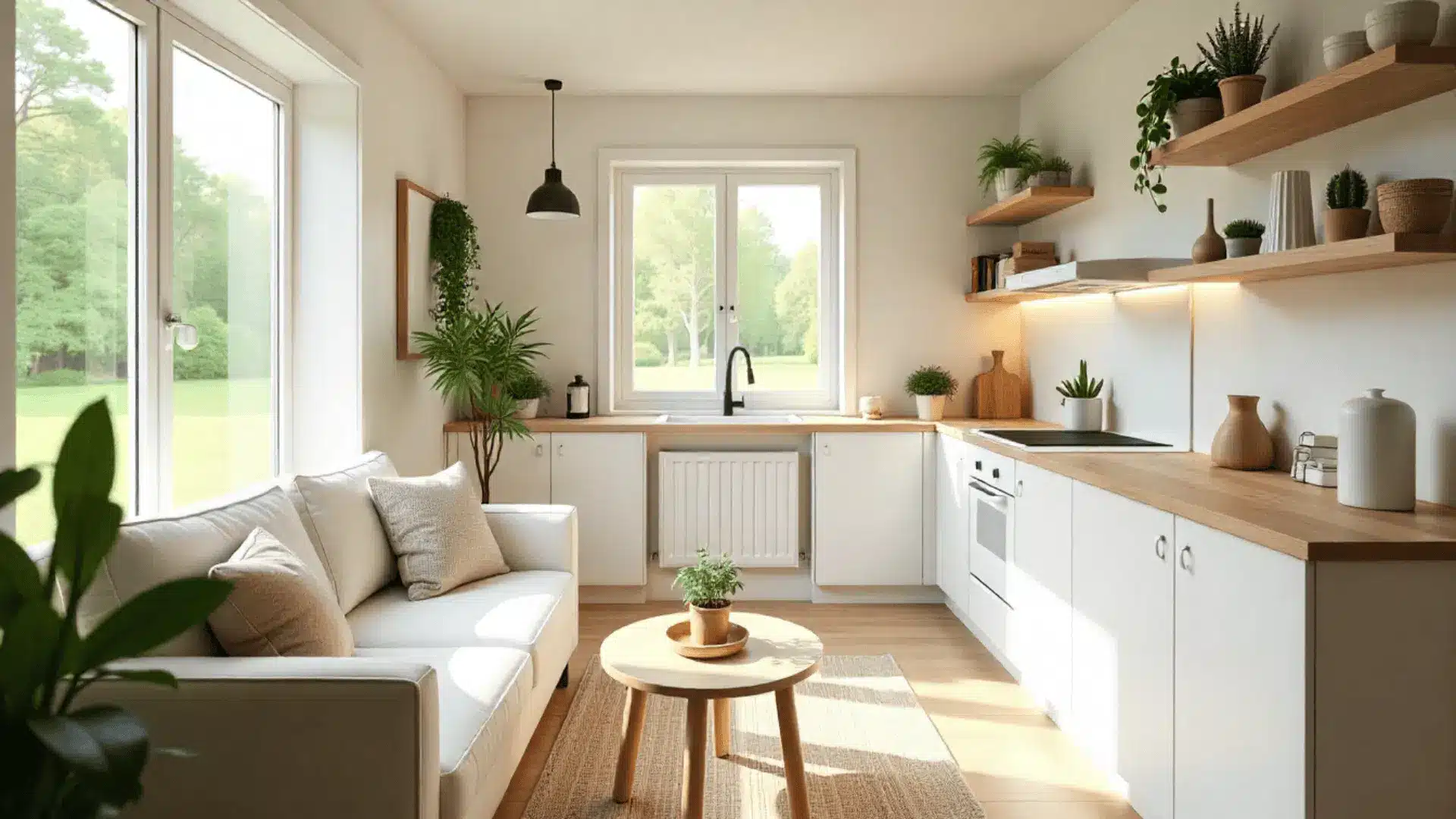
Most mobile homes have a smaller layout, so every space needs to be used wisely. You’ll notice how helpful built-ins, shelves, and multi-use furniture can be.
It encourages a simpler lifestyle because you naturally keep only what you need. Families often find that staying organized makes the home feel much larger than it looks.
2. Comfort, Noise, and Privacy
Comfort really depends on the age of the home and how it was maintained. Newer homes usually have better insulation, which helps with both temperature and noise.
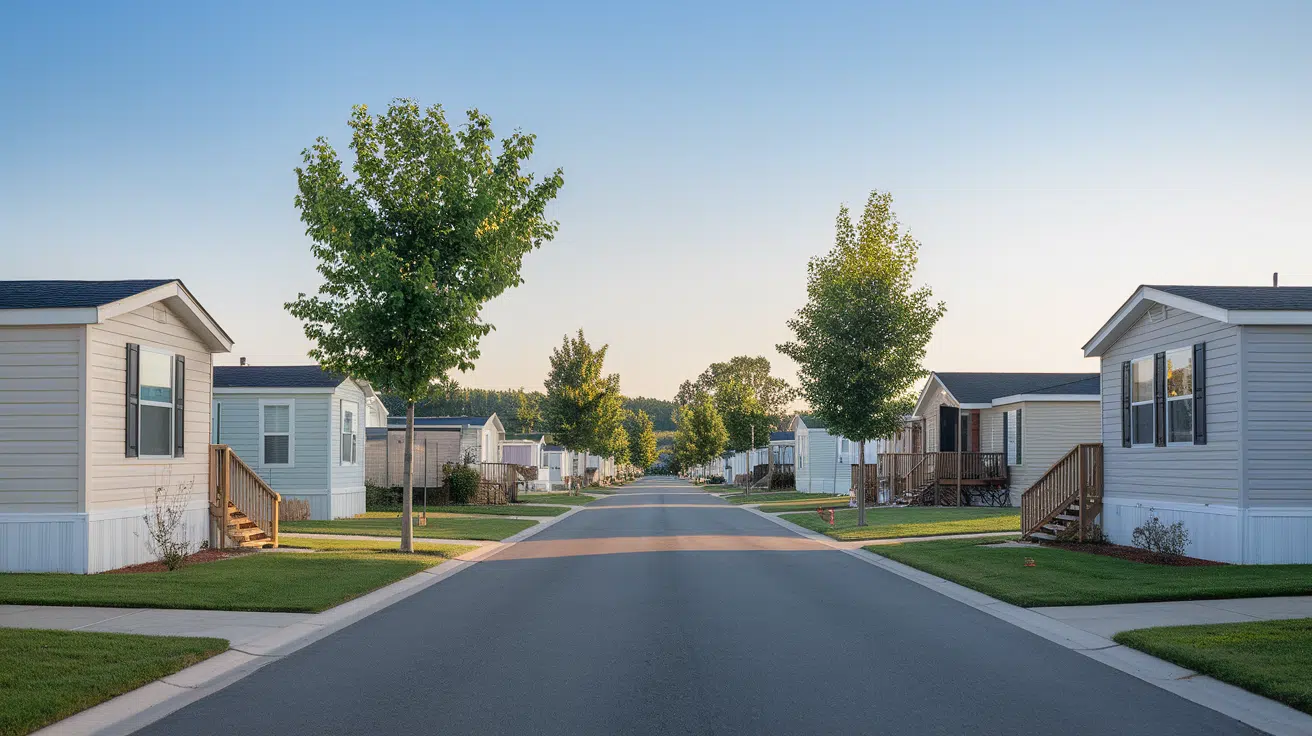
In many parks, homes sit close together, so you might hear neighbors more often. Privacy outside can be limited, but a good layout and curtains can make the inside feel cozy and quiet.
3. Community Vibes and Social Life
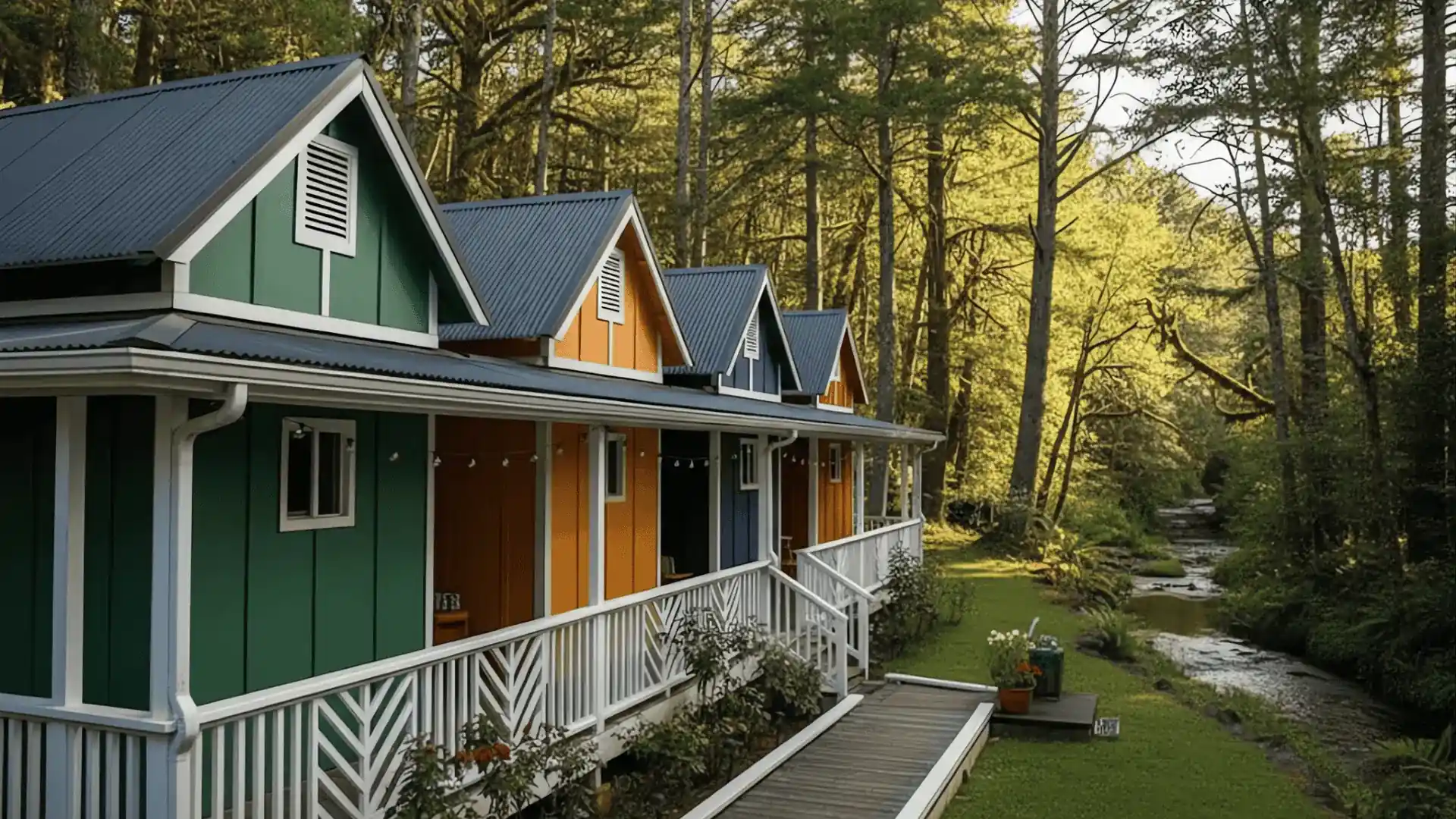
Most mobile home communities are friendly places where people know their neighbors. It’s common to see kids playing outside or neighbors chatting on porches. Some parks even host small events or holiday gatherings.
This setup can make daily life feel social and supportive, especially for retirees, single parents, or anyone who enjoys a neighborhood feel.
4. Rules, Restrictions, and Freedom
Living in a mobile home park often means following certain rules. These might include keeping your yard clean, limiting pets, or asking for approval before making exterior changes.
For some people, structure makes life easier because everything stays neat and predictable. For others, the rules may feel limiting, especially if they prefer more freedom with their space.
Mobile Homes: Costs, Loans, and Long-Term Value
Money plays a huge role in deciding whether a mobile home is the right fit.
- Upfront Costs: This includes the price of the home, delivery, installation, permits, and any setup work like leveling or utility hookups.
- Monthly Costs: Loan payments, lot rent, utilities, insurance, and regular upkeep all add to your monthly budget.
- Loan Options: Mobile home loans depend on the home’s age, foundation, and whether you own the land. Some qualify for FHA, VA, or USDA loans, while others use chattel loans.
- Long-Term Value: Mobile homes on owned land usually hold value better. Homes on rented lots may depreciate faster, especially if the park has strict rules or extra fees.
- Resale Factors: Location, condition, upgrades, and park reputation all play a big part in how easy it is to sell later.
This simple breakdown helps you see the financial side clearly. Use it as a starting point to plan what works best for your budget and long-term goals.
Are Mobile Homes a Good Investment?
Mobile homes can be a good investment, but it depends on how you plan to use them. They’re affordable upfront and can work well if you want a place to live without taking on a large mortgage.
However, they don’t always grow in value the same way traditional homes do, especially if the land is rented.
For some people, the lower costs and simple lifestyle make it worth it, while others may prefer a home with stronger long-term appreciation.
Who Mobile Homes Are Best For
Mobile homes aren’t the perfect match for everyone, but they fit certain lifestyles really well.
- First-Time Buyers: Great for anyone who needs an affordable start without a big mortgage.
- Retirees: Perfect for downsizing and keeping monthly costs low.
- Small Families or Couples: Works well when you don’t need a ton of space.
- Minimalists: Ideal for people who like simple living and easy maintenance.
- Community-Focused People: A good fit if you enjoy friendly neighbors and shared spaces.
These groups often find mobile home living comfortable and practical. Think about your lifestyle to see if you fit into one of these categories.
Step-by-Step Checklist Before You Buy a Mobile Home
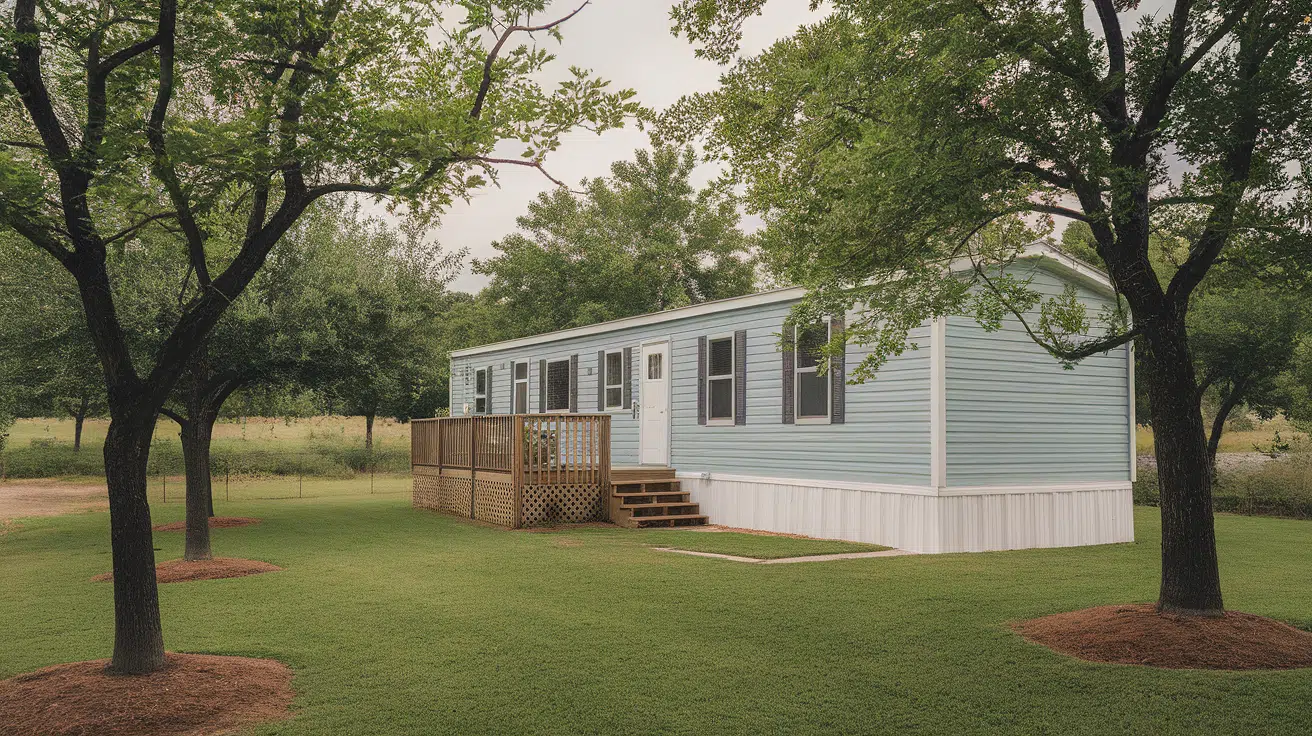
Buying a mobile home is a big decision, and having a clear plan makes everything easier. Use this step-by-step checklist to stay organized and avoid surprises.
Step 1: Decide Between Park vs. Private Land
Start by choosing whether you want to live in a mobile home park or place the home on your own land. Each option affects your costs, rules, and lifestyle. Make sure to compare lot rent, zoning rules, and long-term plans before deciding.
Step 2: Set Your Budget and Get Pre-Qualified
Look at your income, savings, and monthly comfort zone to find a realistic budget. Then talk to lenders who understand mobile home financing. Getting pre-qualified helps you know what you can afford and speeds up the buying process.
Step 3: Inspect the Home (New or Used)
Always check the home carefully before committing. Look at the roof, floors, windows, plumbing, and electrical system. If it’s a used home, ask about past repairs or upgrades. A professional inspection can help you catch issues early.
Step 4: Read the Park Lease and Rules
If you’re moving into a park, take extra time to read the rules. Pay attention to lot rent, renewal terms, increases, and any limits on pets or exterior changes. Understanding the rules up front helps you avoid problems later.
Step 5: Plan For Resale and Exit
Think ahead about how easy it will be to sell the home in the future. Some parks have age limits on homes or require buyer approval, which can affect resale. Knowing your exit options helps you make a smarter long-term choice.
Conclusion
Mobile homes can offer comfort, community, and a budget-friendly way to own a place, but they also come with rules, fees, and limits you should think about.
The key is knowing what trade-offs feel right for you. Take your time, compare your options, and visit a few communities to get a real feel for the lifestyle.
If you’re still unsure, start by making a simple list of your needs and budget. It’s a helpful way to see what truly fits your situation.
And when you’re ready, check out local parks, talk to owners, and ask questions. The right choice will become much clearer once you see it in person.