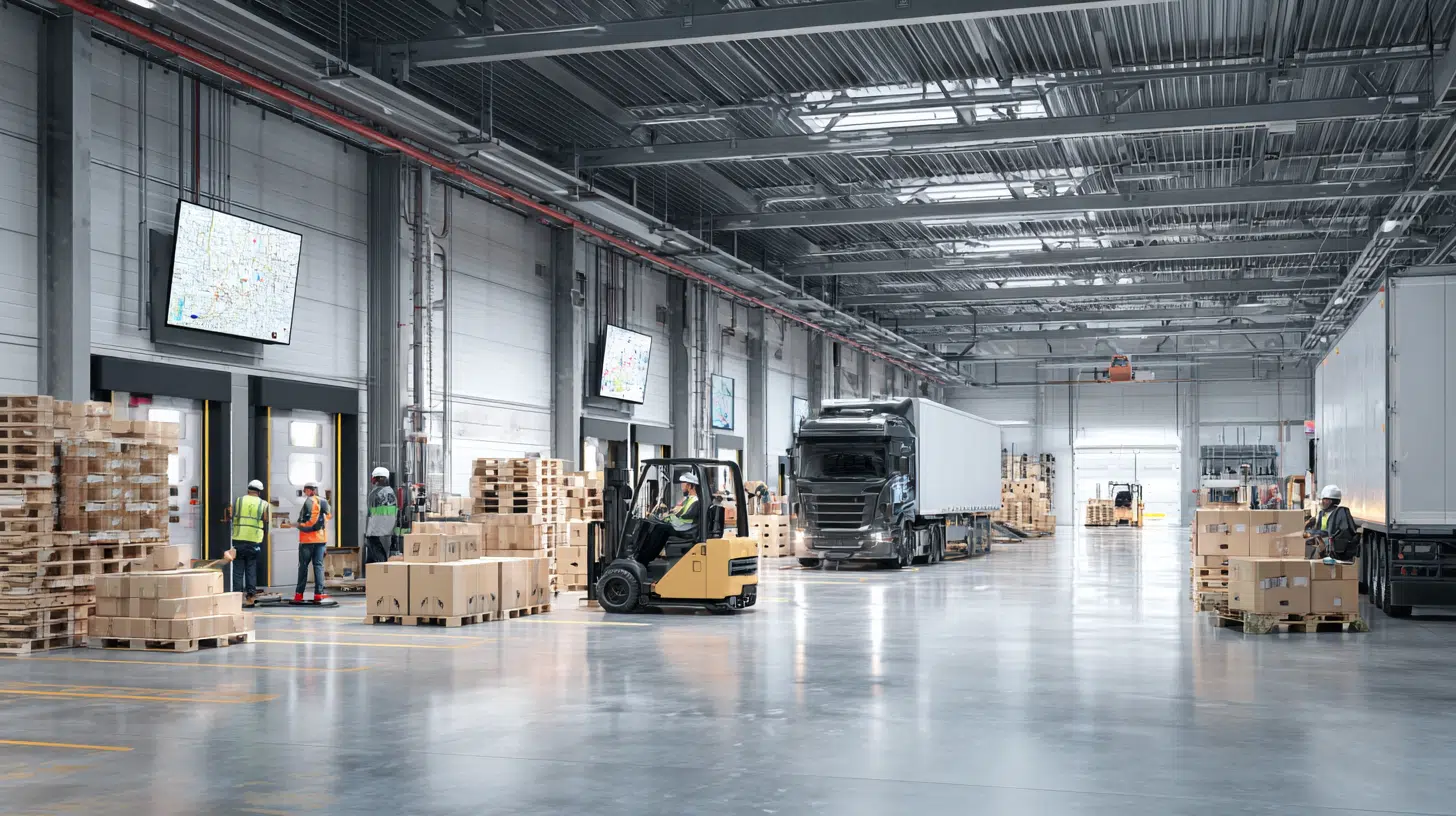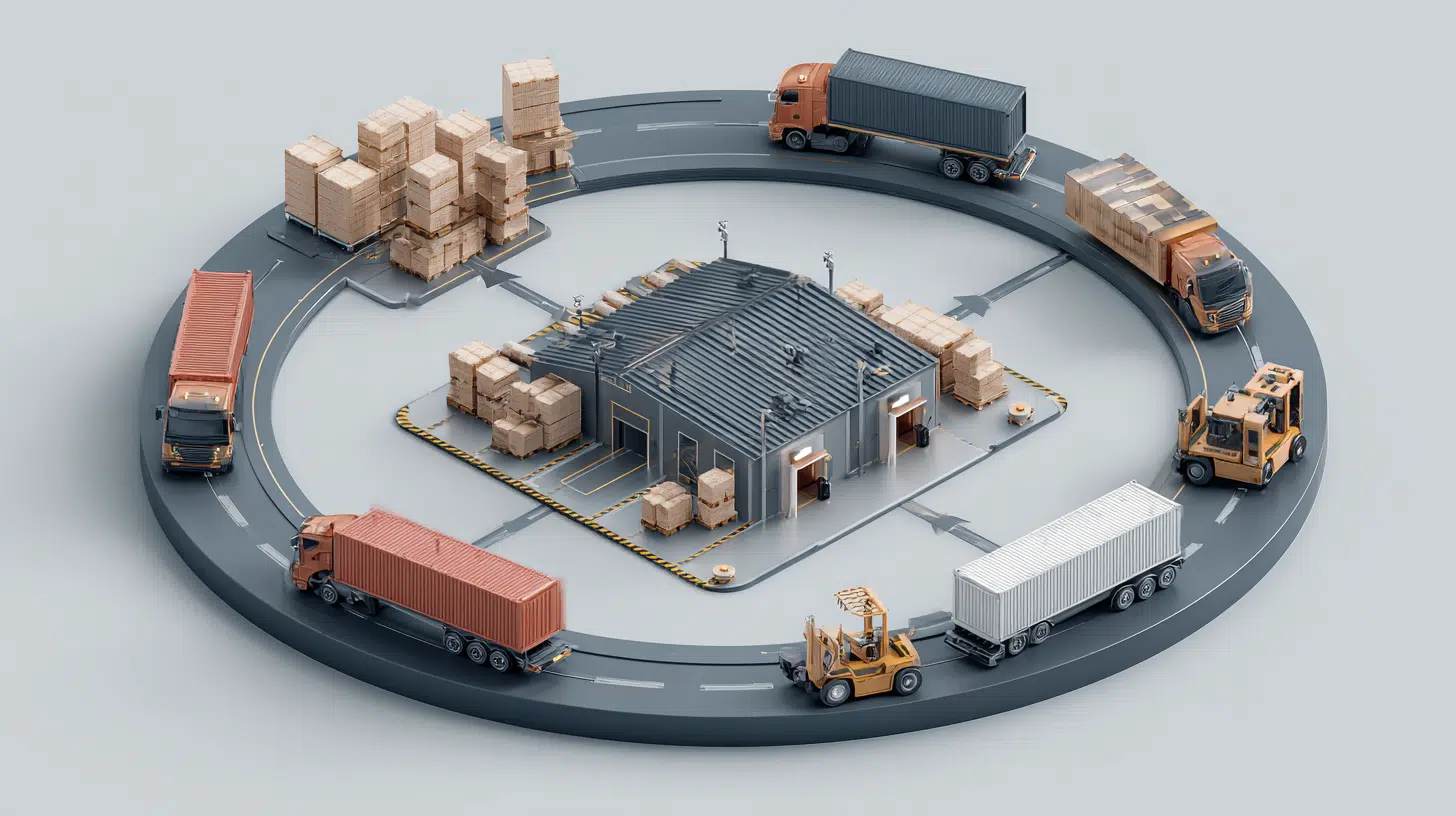
Running a warehouse efficiently requires more than just keeping products on shelves—it’s about balance, timing, and precision.
Warehouse inventory management connects every part of the supply chain, ensuring stock moves smoothly from suppliers to customers.
In today’s fast-moving market, technology, data, and smart planning are reshaping how warehouses operate.
This guide breaks down the processes, tools, and best practices you need to build an accurate and efficient system that supports growth.
What is Warehouse Inventory Management?
Warehouse inventory management is how a business tracks and controls all the products stored in its warehouse. It ensures the right items are available in the right quantities, at the right time, without overstocking or running out.
It plays a key role in the supply chain by keeping goods moving smoothly from suppliers to customers. When done well, it helps reduce storage costs, avoid delays, and improve order accuracy.
How It Fits Within the Supply Chain
Every product in the supply chain passes through several steps, from manufacturing to storage to delivery. Warehouse inventory management focuses on what happens in the storage stage.
Here’s how it supports the overall supply chain:
- It connects purchasing, storage, and order fulfillment.
- It ensures real-time visibility of stock levels.
- It helps forecast demand so operations stay efficient and cost-effective.
When this process runs smoothly, the entire supply chain becomes faster, more accurate, and more profitable.
Inventory Management vs. Warehouse Management
Though the two terms sound similar, they focus on different areas.
Inventory management looks at the big picture: how much stock a business owns across all locations.
Warehouse management focuses on what happens inside one warehouse: where products are stored, how they’re picked, packed, and shipped.
Core Processes of Warehouse Inventory Systems

Warehouse inventory management relies on structured processes. Each stage affects speed, accuracy, and cost.
1. Receiving and Quality Checking
Receiving starts the workflow. Goods are checked against purchase orders for quantity, description, and condition before being added to inventory.
Accurate receiving prevents errors in later stages and keeps records reliable.
2. Put-Away and Storage Optimization
After receiving, items are placed in assigned locations. Organized storage improves accessibility and saves time.
High-demand items should be near picking areas, and all shelves should be clearly labeled for quick identification.
3. Picking and Packing Strategies
Picking selects products for orders, and packing prepares them for shipment. Accuracy here directly impacts customer satisfaction.
Methods like batch or zone picking can improve efficiency. Packed items should be labeled and documented correctly to avoid mistakes.
4. Shipping and Order Fulfillment
Shipping moves completed orders to customers. Verifying shipping details and tracking deliveries ensure orders leave on time. Accurate fulfillment builds trust and reduces costly errors or delays.
5. Cycle Counting and Auditing
Cycle counting keeps stock records accurate by checking sections regularly instead of doing one full count. Auditing compares physical stock with system data to find and correct discrepancies early.
6. Returns Handling
Returns require quick inspection and clear decisions on restocking or disposal. Updating records immediately keeps stock levels correct and reduces confusion.
Key Challenges and How to Overcome Them
Even well-run warehouses face common problems that affect speed, accuracy, and costs.
| Challenge | How to Overcome It |
|---|---|
| Overstocking and Stockouts | Use demand forecasting to align stock with real needs. Track inventory turnover to spot slow-moving items and reduce excess orders. Automate reorder alerts to prevent stockouts. |
| Data Inaccuracy and Human Errors | Switch from manual entry to barcode or RFID scanning. Train staff regularly on scanning and record-keeping. Schedule short cycle counts to catch mistakes early. |
| Poor Space Utilization | Review warehouse layout and use vertical space effectively. Store fast-moving items closer to packing stations. Reorganize storage zones based on demand and product size. |
| Inefficient Picking Routes | Use a warehouse map to plan logical picking paths. Group similar SKUs together. Test and adjust routes regularly to shorten walking time. |
| Lack of Real-Time Visibility | Implement a Warehouse Management System (WMS) for live tracking. Use dashboards that display stock status, order progress, and shipment updates. Integrate all tools for one accurate view. |
Addressing these issues helps maintain accuracy, reduce costs, and improve overall warehouse performance.
Essential Inventory Management Tools and Technology

Technology is at the center of modern warehouse operations. The right systems improve accuracy, cut costs, and give teams real-time visibility across every stage, from receiving to shipping.
1. Warehouse Management Systems (WMS)
A Warehouse Management System organizes and tracks all warehouse activities. It manages stock levels, picking orders, storage locations, and shipments in real time.df
WMS platforms like NetSuite, ShipBob, and InfoPlus automate repetitive tasks and reduce manual data entry errors. They also generate reports that help identify inefficiencies and forecast demand more accurately.
2. Barcode and RFID Scanners
Barcode and RFID systems replace manual record-keeping with fast, precise scanning. Each product is tagged, making it easy to track movement from receiving to dispatch.
Barcodes work well for standard operations, while RFID allows bulk scanning without direct line-of-sight, saving time during cycle counts and audits. Both tools increase data accuracy and reduce human error.
3. Inventory Tracking with IoT and AI
IoT sensors and AI analytics give warehouses deeper insight into inventory conditions and movement.
IoT devices track temperature, humidity, and product location, which is useful for industries like food and pharmaceuticals.
AI analyzes trends to predict demand, spot bottlenecks, and suggest layout or restock improvements. This leads to proactive decision-making rather than reactive fixes.
4. Cloud and Mobile-Based Dashboards
Cloud technology allows warehouse teams to monitor operations from anywhere. Mobile dashboards display real-time inventory data, order progress, and performance metrics on tablets or phones.
These tools support remote management, faster communication, and better coordination across multiple warehouse sites.
5. Integrating ERP with WMS
Integration between ERP (Enterprise Resource Planning) systems and WMS creates a unified data flow between departments.
ERP manages purchasing, accounting, and sales, while WMS handles warehouse activity. When connected, both share live data, preventing duplication and improving planning accuracy.
For example, when stock is updated in WMS, ERP instantly reflects the change for finance and procurement teams.
Comparing Essential Warehouse Tools
| Tool | Main Purpose | Best For |
|---|---|---|
| WMS | Real-time tracking and workflow automation | Medium to large warehouses |
| RFID/Barcode | Fast data capture and fewer errors | All warehouse sizes |
| IoT + AI | Predictive insights and monitoring | Advanced operations |
| Cloud Dashboards | Remote access and visibility | Multi-location teams |
| ERP Integration | Cross-department coordination | Growing businesses |
These technologies work best when integrated, giving warehouses full visibility, fewer delays, and faster order fulfillment.
Best Practices for Higher Efficiency
Smart warehouse management depends on clear processes, reliable data, and steady improvements. These practices help maintain accuracy, reduce waste, and improve efficiency:
- Implement cycle counting regularly: Count small sections daily or weekly to spot errors early, keep records accurate, and avoid time-consuming full inventory audits.
- Use data for demand forecasting: Analyze sales trends, supplier lead times, and seasonal patterns to plan stock levels, reduce overstocking, and prevent costly stockouts.
- Optimize warehouse layouts: Place fast-moving items near picking areas, group similar SKUs together, and review layouts regularly to save space and improve workflow speed.
- Measure key KPIs: Track order accuracy, lead time, and inventory turnover to identify performance gaps, improve planning, and guide ongoing process improvements.
- Train and empower warehouse staff: Offer system training, encourage feedback, and involve employees in process reviews to boost engagement and reduce avoidable errors.
- Adopt automation gradually: Introduce tools like barcode scanning, automated picking, or dashboards in stages to improve efficiency without disrupting daily operations.
Choosing the Right Warehouse Inventory Software
| Software/System | Key Features | Best For | Main Benefits |
|---|---|---|---|
| EazyStock | Demand forecasting, automated restocking, ERP integration | Seasonal or fluctuating-demand warehouses | Fewer stockouts, lower storage costs |
| NetSuite | ERP + WMS, multi-location tracking, real-time reports | Growing or multi-site operations | Unified data, less manual work |
| Sortly | Mobile app, barcode/QR scanning, simple dashboard | Small to mid-size warehouses | Easy setup, accurate tracking |
| ShipBob | Order fulfillment, analytics, e-commerce sync | Online retailers and 3PLs | Faster delivery, fewer errors |
| Generic WMS | Custom modules, automation tools, KPI tracking | Large or specialized warehouses | Scalable setup, long-term savings |
| Cloud Systems | Remote access, mobile dashboards, live updates | Multi-location teams | Real-time visibility, better collaboration |
| AI-Driven Tools | Predictive analytics, auto-replenishment, smart insights | High-tech, data-focused warehouses | Optimized stock, proactive decisions |
Implementing a Modern Inventory Management System

Upgrading to a modern warehouse system takes planning and consistency. A step-by-step approach ensures a smooth transition with minimal disruption to daily work.
- Audit existing operations: Review current workflows, identify bottlenecks, and document how inventory moves from receiving to shipping. Understanding what works and what doesn’t helps define your goals for improvement.
- Select the right technology: Choose software that fits your warehouse size, industry, and growth plans. Look for scalability, easy integration, and real-time visibility so the system can adapt as your needs change.
- Plan data migration: Prepare a clear plan to transfer data from old systems to the new one. Clean up duplicates or outdated information before migration to maintain accuracy and prevent confusion later.
- Train staff: Make sure your team understands how to use the new system. Offer short, hands-on training sessions, and appoint a few key users to provide support during the adjustment period.
- Monitor KPIs: Track performance metrics like order accuracy, inventory turnover, and lead time after implementation. Comparing these results to pre-launch data shows whether the system is delivering real improvements.
- Optimize continuously: Review reports regularly and gather feedback from staff. Adjust settings, workflows, and automation features as needed to keep improving efficiency over time.
A careful rollout backed by training and consistent monitoring helps warehouses get full value from their new systems while keeping operations stable.
Wrapping Up
Strong warehouse management is about control, clarity, and consistency. As businesses grow, warehouse inventory management becomes the foundation for meeting customer demand while cutting waste and delays.
The most successful warehouses combine structured processes with real-time data and adaptable systems.
By focusing on accuracy, automation, and continuous improvement, you can turn your warehouse into a more efficient and scalable operation. The future belongs to facilities that stay flexible, data-driven, and well-trained.
Start assessing your current setup today and take the first step toward a smarter, more efficient warehouse.