When you start packing up your home, it’s easy to underestimate how much space your stuff really needs.
Figuring out what size storage unit you need can feel tricky, especially when you’re not sure how furniture, boxes, and appliances will all fit together.
I’ve been there too-trying to guess if everything would squeeze into a smaller unit or if I should size up.
This guide walks you through simple tips, real examples, and clear comparisons to help you choose the right storage unit size with confidence.
You’ll see how to plan smartly, pack efficiently, and pick a space that fits both your belongings and your budget
Understanding Storage Unit Sizes
Understanding storage unit sizes helps you choose the right space without wasting money or running out of room.
Units are measured in length × width (in feet), just like a room – for example, a 10×10 unit equals 100 square feet of floor space.
Most storage units also have a standard height of about 8 feet, giving plenty of vertical space for stacking boxes or furniture.
Always think about cubic footage (length × width × height), not just floor area, to make the best use of your unit.
Understanding these details helps you store efficiently and keep your belongings organized.
Common Storage Unit Sizes Explained
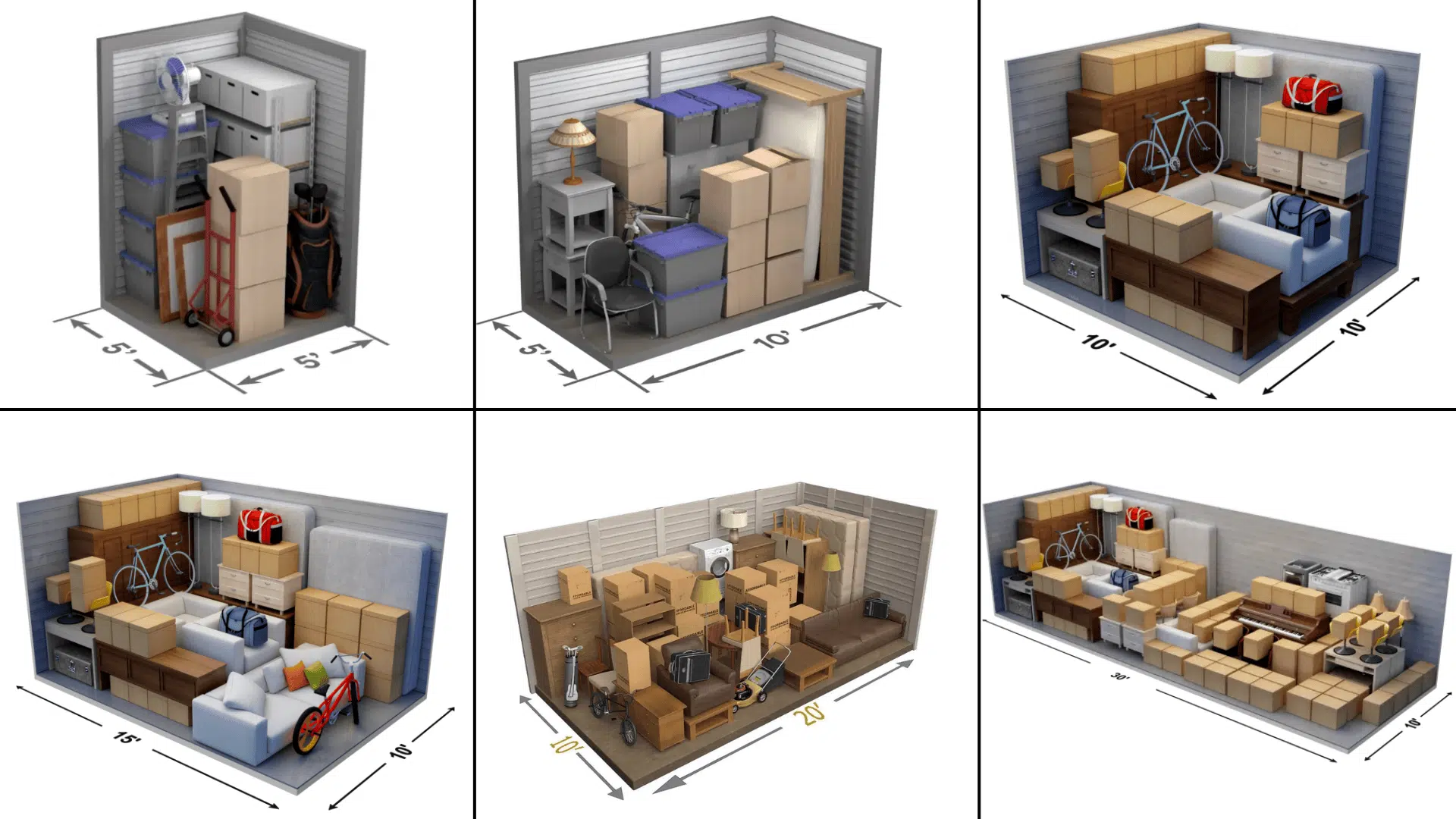
Storage units come in different sizes to fit a variety of needs, from a few boxes to an entire household. Knowing what each size holds helps you choose the right one and avoid paying for unused space.
- 5×5: Comparable to a small closet or walk-in closet; height around 8–10 ft.
- 5×10: Comparable to a small room or large walk-in closet; height around 8–10 ft.
- 10×10: Comparable to an average bedroom or family room; height around 8–10 ft.
- 10×15: Comparable to a large bedroom; height around 8–10 ft.
- 10×20: Comparable to a single-car garage; height around 8–10 ft.
- 10×30: Comparable to a large garage; height around 8–10 ft.
Each storage unit size gives you different stacking flexibility. Smaller spaces work well for compact loads or temporary storage, while larger ones offer room for vehicles, business supplies, or full household moves.
What Size Storage Unit Do You Need: Pick by Use Case
Choosing the right storage unit depends on what you plan to store and how long you’ll need it. Matching the size to your specific use case helps you save space, time, and money.
1. Apartments / Home Moves
| Home Size | Recommended Unit Size | What Fits |
|---|---|---|
| Studio | 5×10 | Furniture, boxes, and small appliances |
| 1 Bedroom | 10×10 | Furniture, a mattress set, and a few appliances |
| 2 Bedroom | 10×15 | Larger furniture, appliances, and boxes |
| 3 Bedroom | 10×20 | Full furniture sets, large appliances, and décor |
| Large Home | 10×25–10×30 | Entire household, outdoor furniture, and garage tools |
2. Students & Short-Term Storage
| Need Type | Recommended Unit Size | What Fits |
|---|---|---|
| Semester Break Storage | 5×5 | Boxes, bedding, and small furniture |
| Short Move or Summer Storage | 5×10 | Mini fridge, mattress, and extra boxes |
3. Remodels
| Remodel Area | Recommended Unit Size | What Fits |
|---|---|---|
| Kitchen or Bathroom | 5×10 | Cabinets, small appliances, and tools |
| Whole Floor or Multiple Rooms | 10×15 | Large furniture, boxes, and renovation tools |
4. Business Storage
| Business Size / Type | Recommended Unit Size | What Fits |
|---|---|---|
| Small Business / Office | 10×10 | Files, boxes, office supplies, and packaging materials |
| Retail or E-Commerce | 10×15 | Stock inventory, tools, shelving |
| Large Inventory or Equipment | 10×20 | Bulk goods, equipment, and extra shelving |
| Warehouse Storage | 10×25–10×30 | Pallets, tools, and large storage systems |
5. Hobbies & Gear
| Gear Type | Recommended Unit Size | What Fits |
|---|---|---|
| Seasonal / Small Gear | 5×5 | Boxes, holiday décor, small tools |
| Sports Equipment | 5×10 | Bikes, skis, kayaks, or camping gear |
| Multi-Equipment Setup | 10×10 | Several large items with walking space |
6. Special Items
| Item Type | Recommended Unit Size | Storage Tips |
|---|---|---|
| Couch / Sectional | 10×10 or larger | Store diagonally; avoid pressure points |
| King Mattress & Box Spring | 5×10 or 10×10 | Store upright; use a mattress bag for protection |
| Refrigerator / Washer | 10×10 or 10×15 | Keep upright with doors slightly open |
| Piano / Treadmill | 10×15 or larger | Use dollies and get help to move safely |
| TVs / Glass Items | 5×10 or 10×10 | Store upright, wrapped in blankets or bubble wrap |
7. Vehicles, Motorcycles & Equipment
| Vehicle Type | Recommended Unit Size | What Fits / Notes |
|---|---|---|
| Compact Car | 10×15 | Fits snugly with limited access space |
| Standard Car / SUV | 10×20 | Ideal for most sedans and SUVs |
| Truck / Van | 10×25–10×30 | Extra space for longer vehicles |
| Motorcycle / ATV | 5×10 or 5×15 | Fits 1–2 bikes; use tie-downs and covers |
| Trailer / Small Boat | 10×25–10×30 | Measure full length, including hitch/tongue |
Choosing the right storage unit comes down to what you’re storing and how often you’ll need access. Always plan for a little extra space so you can move around and keep your items organized easily.
Key Factors People Often Overlook
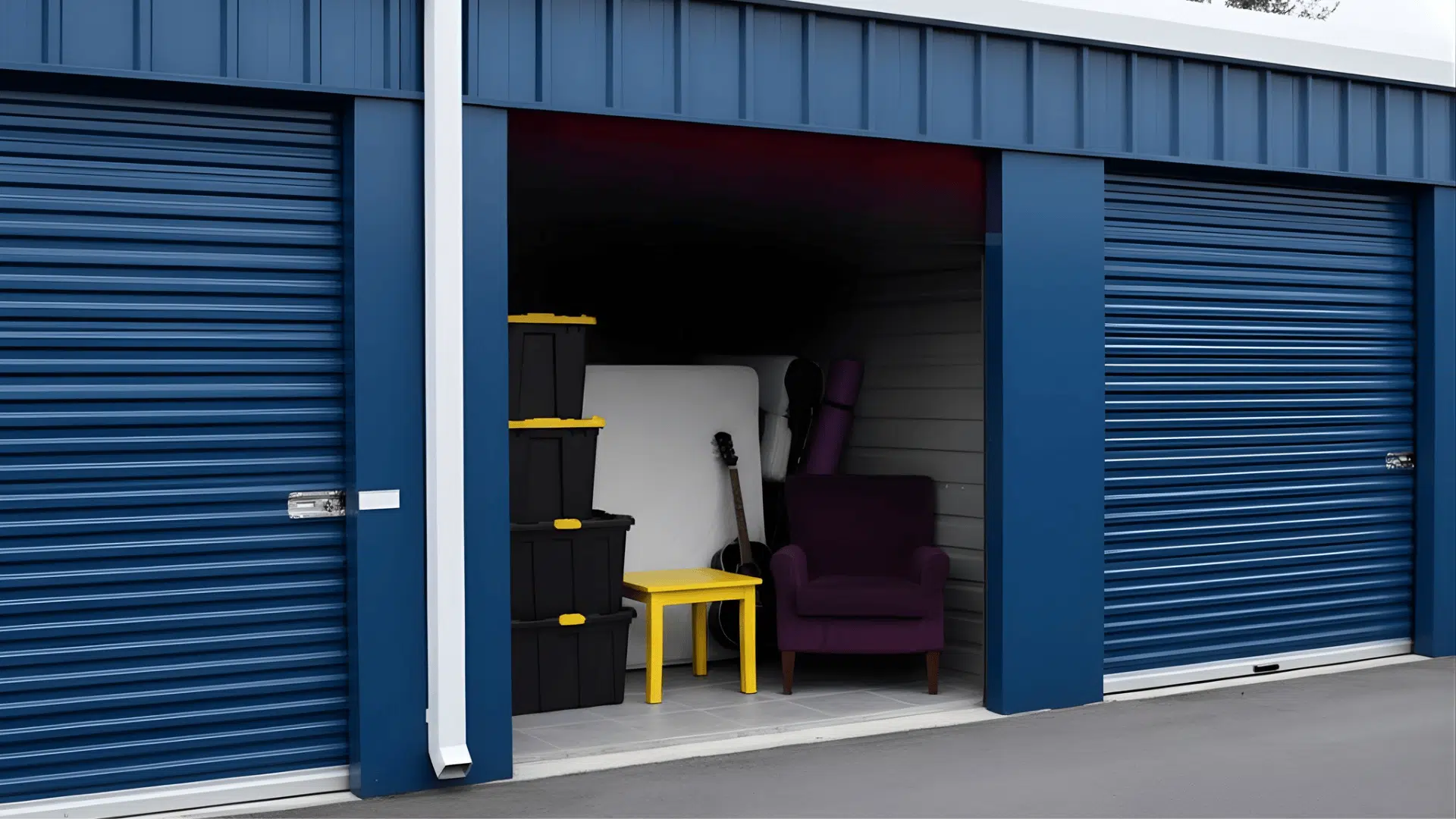
Most size guides focus on floor space, but a few extra details can make a big difference when planning your storage.
- Ceiling Height and Volume: Most storage units are 8 to 10 feet tall, which affects how many items you can stack. Tall items like wardrobes or bookshelves can be stored upright, while shorter items can be stacked to save space.
- Door and Hallway Constraints: Measure large items before moving in and check door openings, hallway widths, and elevator size. Disassemble bulky pieces if needed to avoid tight-space issues.
- Aisle Planning: Leave a 2- to 3-foot aisle from the door to the back of your unit. This simple step makes it easier to reach boxes without moving everything around. Keep frequently used items near the front for quick access.
- Shelving Advantage: Adding shelves can boost usable space by 20 to 40 percent. Use sturdy racks to keep boxes off the floor and organize items by type or frequency of use.
- Stacking Safety: Stack heavier boxes at the bottom and lighter ones on top to avoid damage. Use pallets to keep furniture off the floor and mattress bags to protect fabric from dust or moisture.
These small details can make a big difference in how efficiently you use your storage unit. Plan ahead, measure carefully, and you’ll save time, space, and effort every time you visit.
Storage Unit Prices and What Affects Them
Whether you need short-term storage during a move or long-term space for household items, comparing prices early makes a big difference.
| Unit Size (ft) | Average Monthly Cost | What It Fits | Best For |
|---|---|---|---|
| 5×5 | $40 – $70 | Boxes, décor, small furniture | Students, seasonal storage |
| 5×10 | $60 – $100 | Studio items, small furniture, appliances | Small apartments or short-term storage |
| 10×10 | $90 – $150 | One-bedroom apartment, dining set, appliances | Families or small homes |
| 10×15 | $130 – $200 | Two-bedroom home furniture, large boxes | Home moves or remodeling projects |
| 10×20 | $180 – $270 | Three-bedroom home, large furniture, vehicles | Long-term or whole-home storage |
| 10×30 | $250 – $400+ | Entire household, vehicles, or inventory | Businesses or large homes |
Other Cost Factors to Consider:
- Location: Urban areas tend to charge more than suburban ones.
- Climate Control: Adds 15–30% to the price but protects sensitive items.
- Seasonal Demand: Prices rise in summer, so book early for better rates.
- Extra Fees: Watch for admin costs, deposits, or insurance requirements.
With smart timing and comparison, you can find a unit that fits your needs without overpaying – and keep your belongings safe all year.
Climate Control, Access & Security
Choosing the right storage facility matters just as much as picking the right unit size. A good facility keeps your belongings safe, easy to access, and in good condition all year.
Look for climate-controlled units if you’re storing electronics, wood furniture, or fabrics to prevent humidity damage.
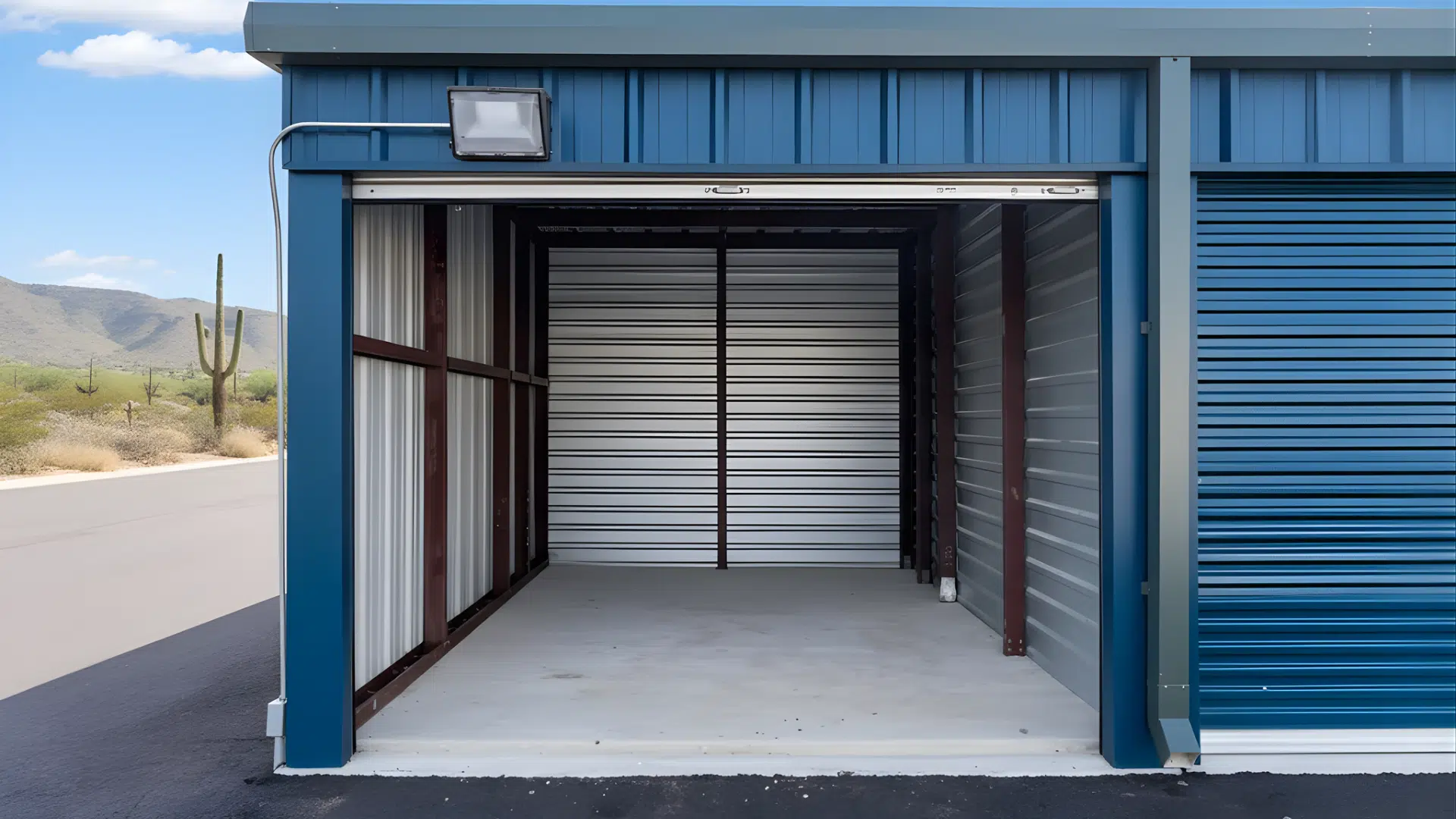
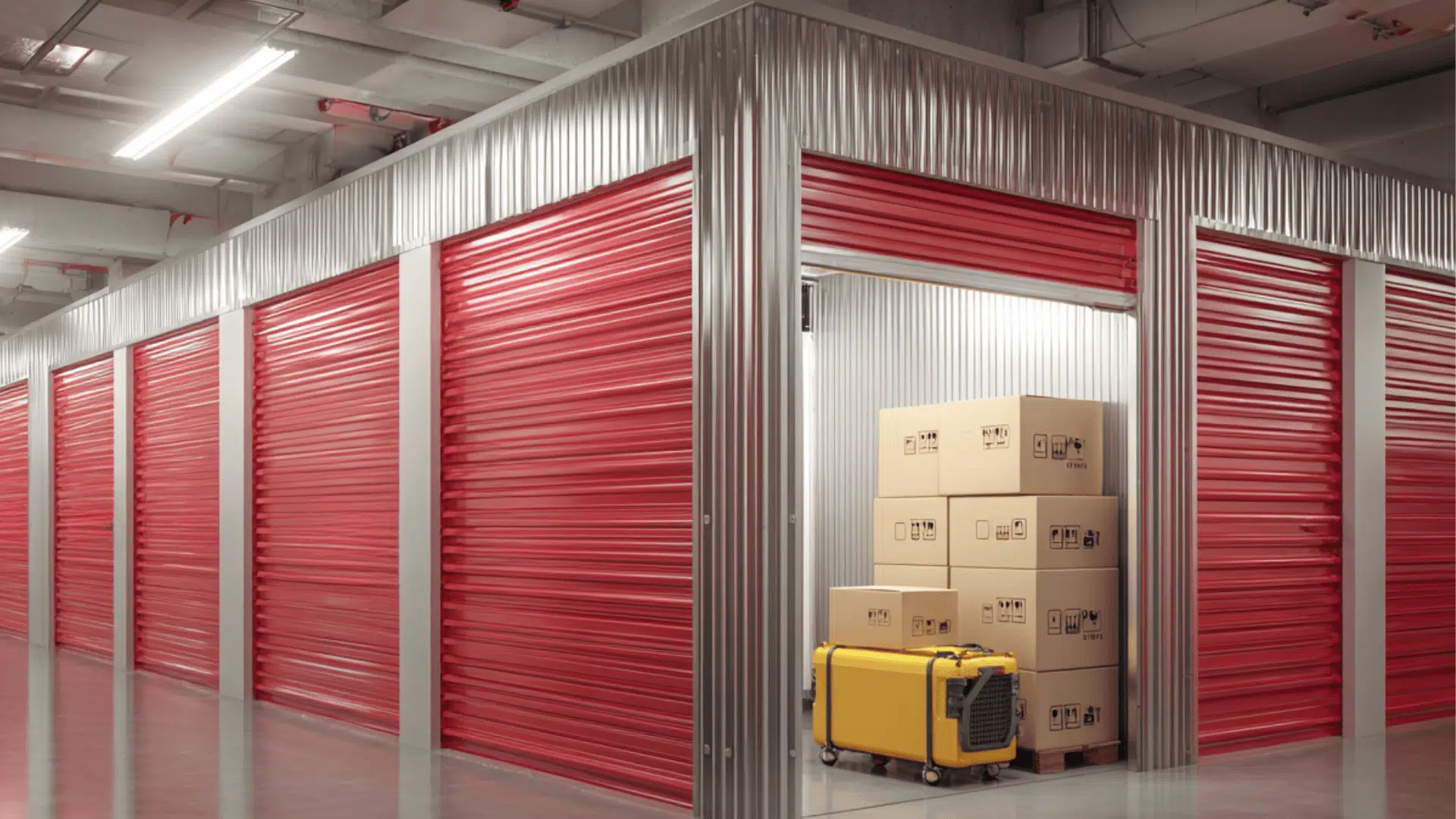
Drive-up units are great for quick loading, while indoor units offer better protection and temperature control.
Always check for 24-hour access, security cameras, gated entry, and good lighting for peace of mind.
Some facilities require insurance and high-quality locks, so review these details before renting to avoid unexpected costs or risks.
Packing and Move-In Plan for a Smooth Storage Experience
A bit of preparation goes a long way when storing your belongings. Planning ahead not only saves time but also keeps your items safe and easy to find later.
1. Create a Label System
Use color-coded labels to organize boxes by room and write a short description of what’s inside. This makes unpacking faster and prevents mix-ups. If you prefer digital organization, try using QR codes linked to an inventory list on your phone for quick access.
2. Use Proper Protective Materials:
Wrap mattresses in protective bags and cover furniture with moving blankets or shrink wrap. These protect against dust, scratches, and moisture while your items are stored. Don’t forget to cushion fragile pieces with bubble wrap or towels for extra safety.
3. Plan Your Move-In Day
Bring a dolly or hand truck for heavy boxes, and check if the facility offers an elevator or drive-up access. Create a small staging area near the door of your unit to organize items before stacking. Loading heavier items first helps maximize space and maintain balance.
Taking the time to plan your packing and setup ensures your unit stays neat, accessible, and damage-free. With an organized approach, you’ll make every future visit quicker and easier.
Tips for Maximizing Storage Space
Smart packing can make even a small storage unit hold more than you’d expect. A few simple tricks help you use every inch efficiently:
- Stack Boxes Vertically: Use the full height of the unit by stacking boxes safely up to shoulder level. Choose uniform box sizes so stacks stay stable and neat.
- Use Furniture Drawers: Fill dresser drawers or cabinets with smaller items like linens, books, or tools to save space.
- Disassemble Large Furniture: Take apart bed frames, tables, or shelving units to make them easier to store and stack. Keep screws and hardware in labeled bags.
- Store Heavy Items on the Bottom: Place heavier boxes and furniture pieces at the base for stability and safety, keeping lighter items on top.
A well-organized unit not only saves space but also makes moving things in or out much easier. With a little planning, even a smaller unit can feel surprisingly spacious.
Conclusion
Choosing the right storage unit doesn’t have to be confusing. You’ve seen how sizes, packing tips, and smart planning can simplify the whole process of deciding what size storage unit you need.
I hope this guide helps you feel confident about picking a space that fits both your belongings and your budget.
When you plan ahead, everything-from packing to move-in-feels easier and more organized. Take a moment to measure, compare, and choose wisely-it’ll save you time, money, and stress later.
Need help finding your perfect fit? Start measuring today and pick the unit that works best for you!