
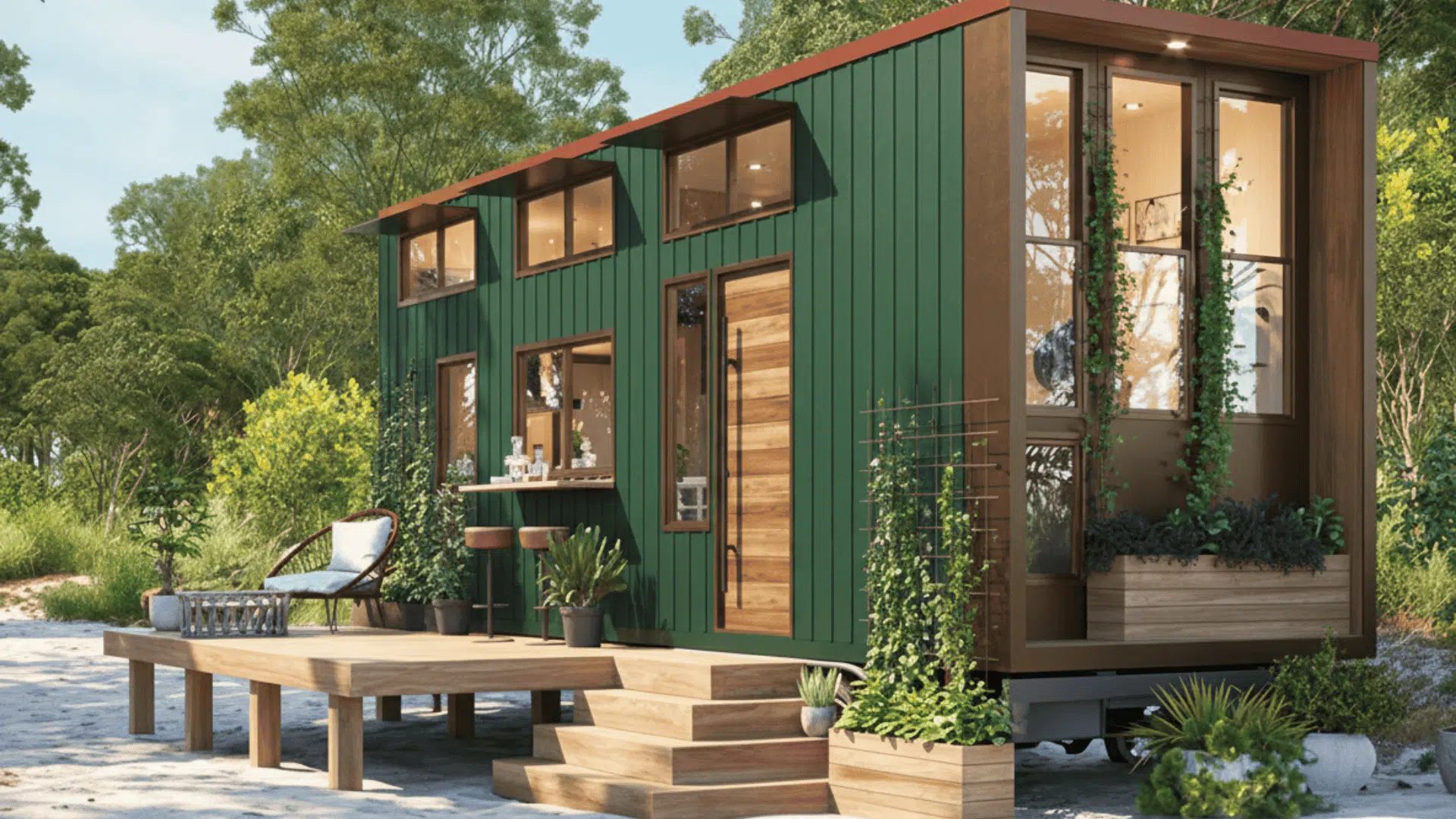
Thinking about living in a tiny house? Tiny house living is all about simplifying life, reducing clutter, and making the most of what you have.
It’s a way to focus on what truly matters, whether that’s saving money, living more sustainably, or having more freedom.
In this blog, I’ll share what it’s really like to live in a tiny home, from the challenges to the rewards.
Whether you’re looking for inspiration or answers to your questions, I’ve got you covered. Let’s find out how living small can create a big impact on your life.
What is Tiny House Living?
Tiny house living refers to the lifestyle of living in a home that is typically under 400 square feet.
This concept embraces simplicity, minimalism, and efficiency, focusing on reducing clutter and living with only what’s necessary.
It often involves clever design solutions to maximize space, such as multi-functional furniture and lofted sleeping areas.
People choose tiny house living for a variety of reasons, including financial savings, environmental sustainability, and a desire for greater mobility or freedom.
Tiny house living is not just about downsizing but about living intentionally and enjoying a simpler, more sustainable lifestyle.
What Living in a Tiny House Really Looks Like Day To Day
Tiny house living brings both benefits and challenges. Downsizing to a home under 400 square feet requires adjusting to a simpler, more efficient way of life.
1. Space Management and Organization
In a tiny home, every inch counts. Creative storage solutions like multi-purpose furniture, built-in shelves, and lofts are essential to maximize space.
With limited room, you’ll have to carefully choose what to keep. Over time, you’ll get better at organizing and focusing on only the essentials, reducing clutter and making your space feel more functional.
2. Living Without Excess
Tiny homes promote minimalism. The smaller space forces you to eliminate unnecessary items, making your life simpler and less cluttered. While it can be freeing, it may feel restrictive if you’re used to having more things.
Living with fewer possessions means less cleaning and maintenance, but it also requires an adjustment in your mindset and lifestyle.
3. Adjusting to New Routines
With less space and fewer possessions, your daily routines will need to be rethought. Cooking in a small kitchen, relaxing in a cozy living area, and working from home all require more planning and consideration.
Many tiny homes also feature outdoor spaces that extend your living area, encouraging you to spend more time outside for relaxation or activities.
4. Environmental Adjustments
Tiny homes are often more energy-efficient, but they also require careful resource management. Many tiny houses use solar panels for power, and you’ll need to monitor your water use and waste disposal.
Off-grid living offers environmental benefits, like a smaller carbon footprint, but it also means taking responsibility for maintaining your systems and resources in a self-sufficient manner.
Real Stories From Tiny House Homeowners
Living small can bring big rewards. Here are two inspiring stories of real tiny house homeowners who found freedom and satisfaction in compact living:
1. Lina in Portland, Oregon
Lina Menard lived in a 120-square-foot tiny home in Portland, Oregon. She says, “I’m much less materialistic than I used to be. But I really appreciate the little touches, too. It’s not about deprivation, but about intention.”
Read the full story here.
2. Tiny Home Community in Austin, Texas
In Texas, a community called Community First! A village near Austin is home to hundreds of tiny houses. People there live simply, affordably, and in a tight-knit neighborhood. One resident said the move helped them feel “rooted in community and free from big bills.”
Read more about the community here.
These stories show how tiny homes can offer more than just a place to live – they offer a different way to live.
3. Tiny House Tours
- Couple Builds Their Dream Tiny Home: Watch a couple’s journey as they build their own tiny home from scratch, showcasing smart design choices and space-saving solutions.
- Tiny House on Wheels Tour: This video takes you inside a beautiful tiny house on wheels, focusing on the clever layout and design features that maximize space.
These tours give you a closer look at how tiny house owners make the most of their limited space, showing you real design ideas that can inspire your own tiny house project.
Tiny House Designs & Inspo
When designing a tiny house, creativity is key, and resources like Small House Plan can help you find the perfect plan. Every inch of space must be carefully planned to ensure functionality, comfort, and style.
1. Open Floor Plans
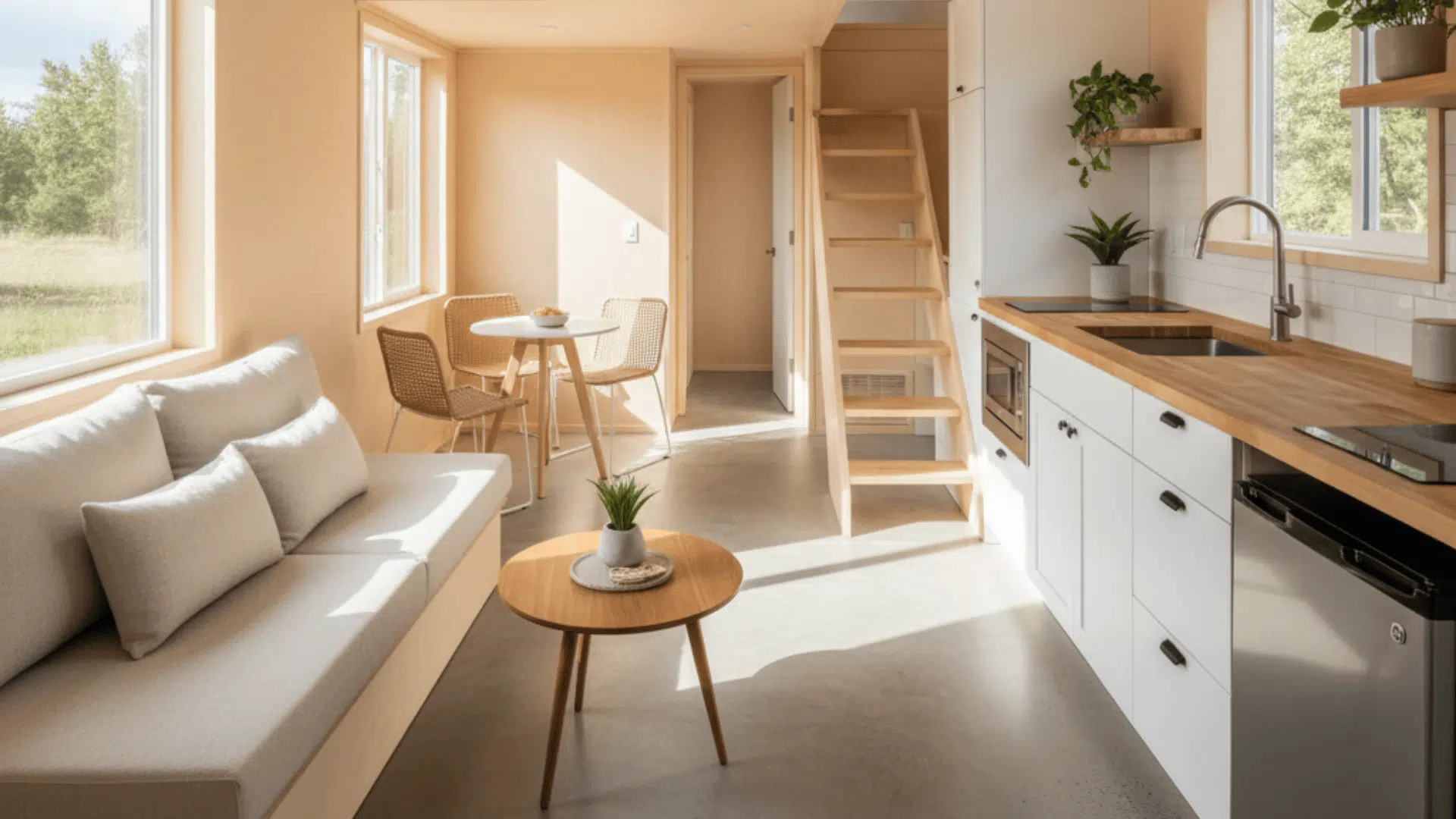
An open floor plan helps create the illusion of more space by removing unnecessary walls. It allows natural light to flow freely and enhances the sense of openness.
This layout is perfect for tiny homes as it makes even the smallest spaces feel bigger and more connected.
2. Lofted Spaces
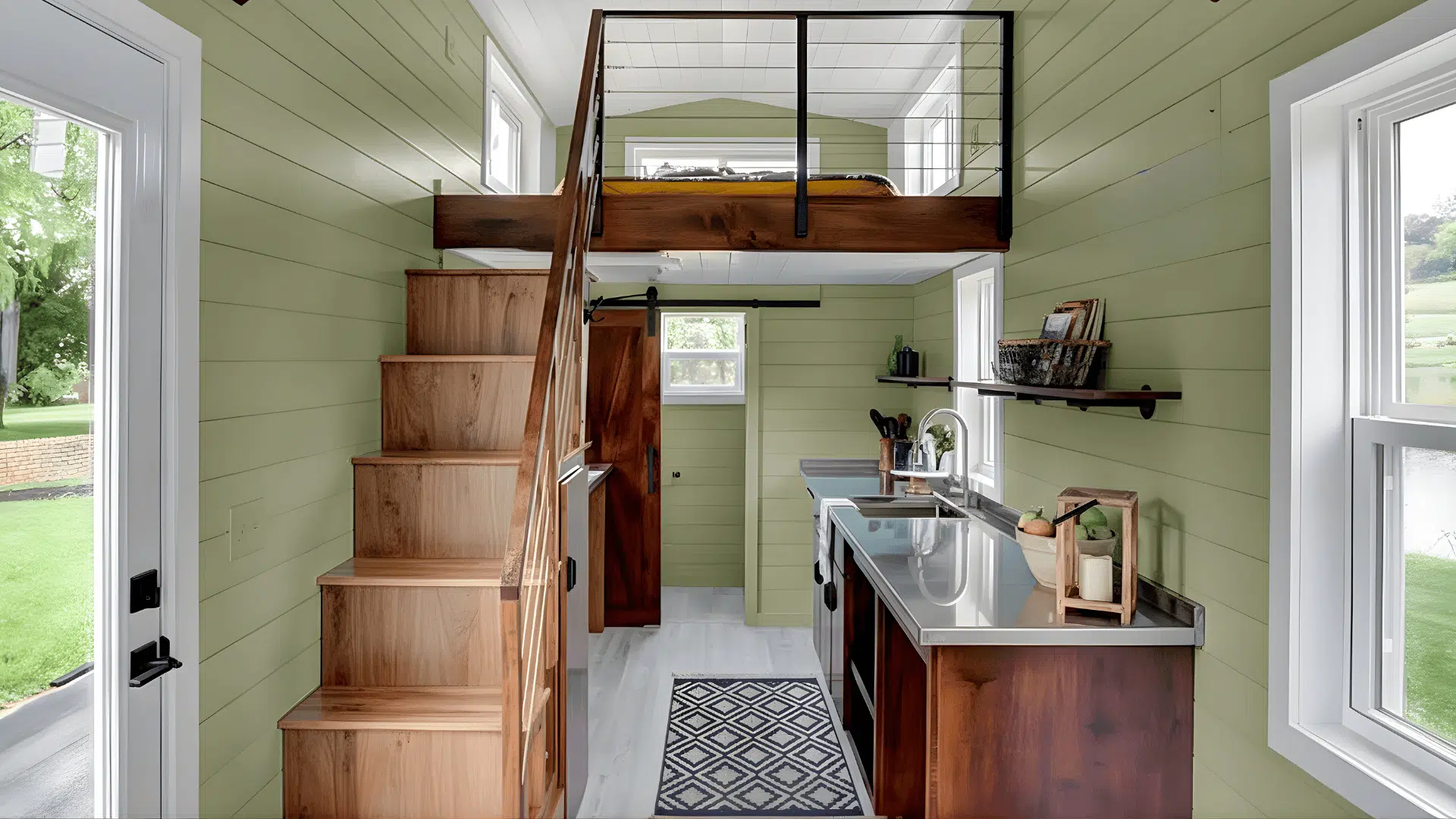
Lofts are a great way to maximize vertical space. By moving the sleeping area or storage upstairs, you free up the main floor for living or working.
Lofted spaces help utilize otherwise unused space, making them a popular choice in tiny home designs for both functionality and style.
3. Multi-Functional Furniture
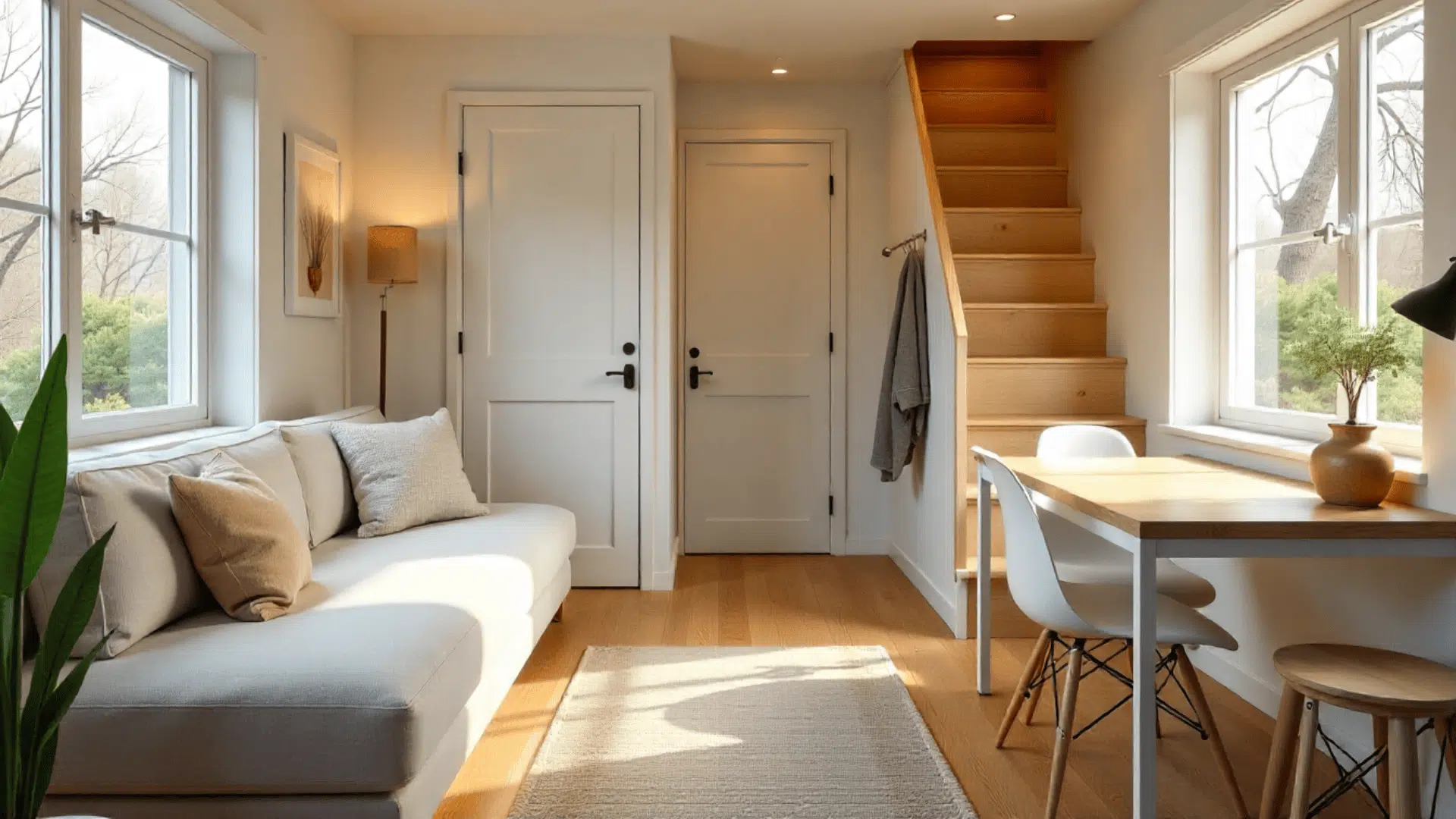
Furniture that serves multiple purposes is a must in tiny homes. A sofa that transforms into a bed, or a table that doubles as a desk, allows you to save space without compromising comfort.
Multi-functional furniture makes small spaces more versatile and maximizes functionality.
4. Vertical Storage
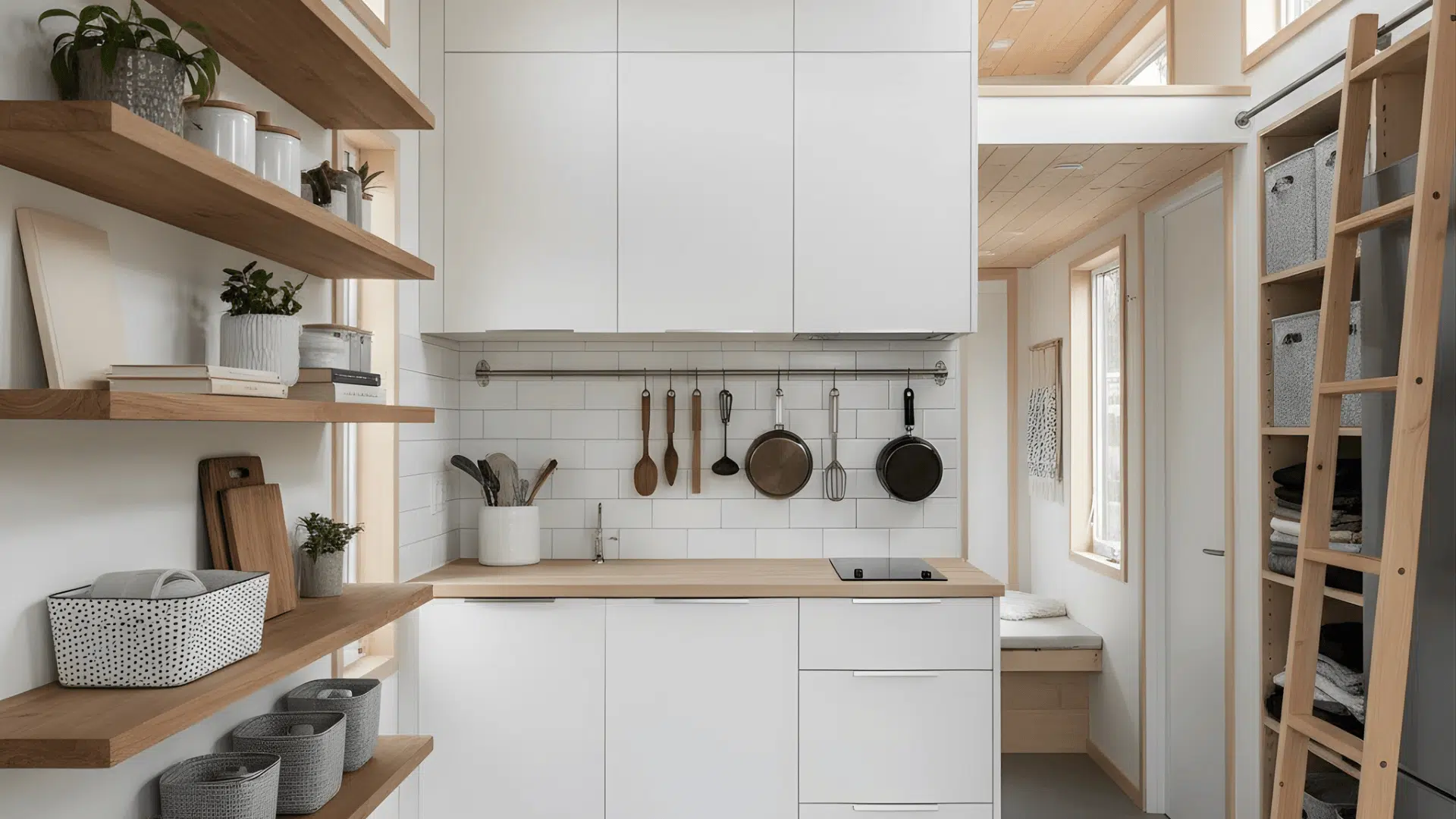
In a tiny home, using vertical space is key to staying organized. Wall-mounted shelves, hanging racks, and overhead cabinets help store belongings without cluttering the floor.
Vertical storage solutions make tiny homes feel less cramped while keeping essentials within easy reach.
5. Natural Materials
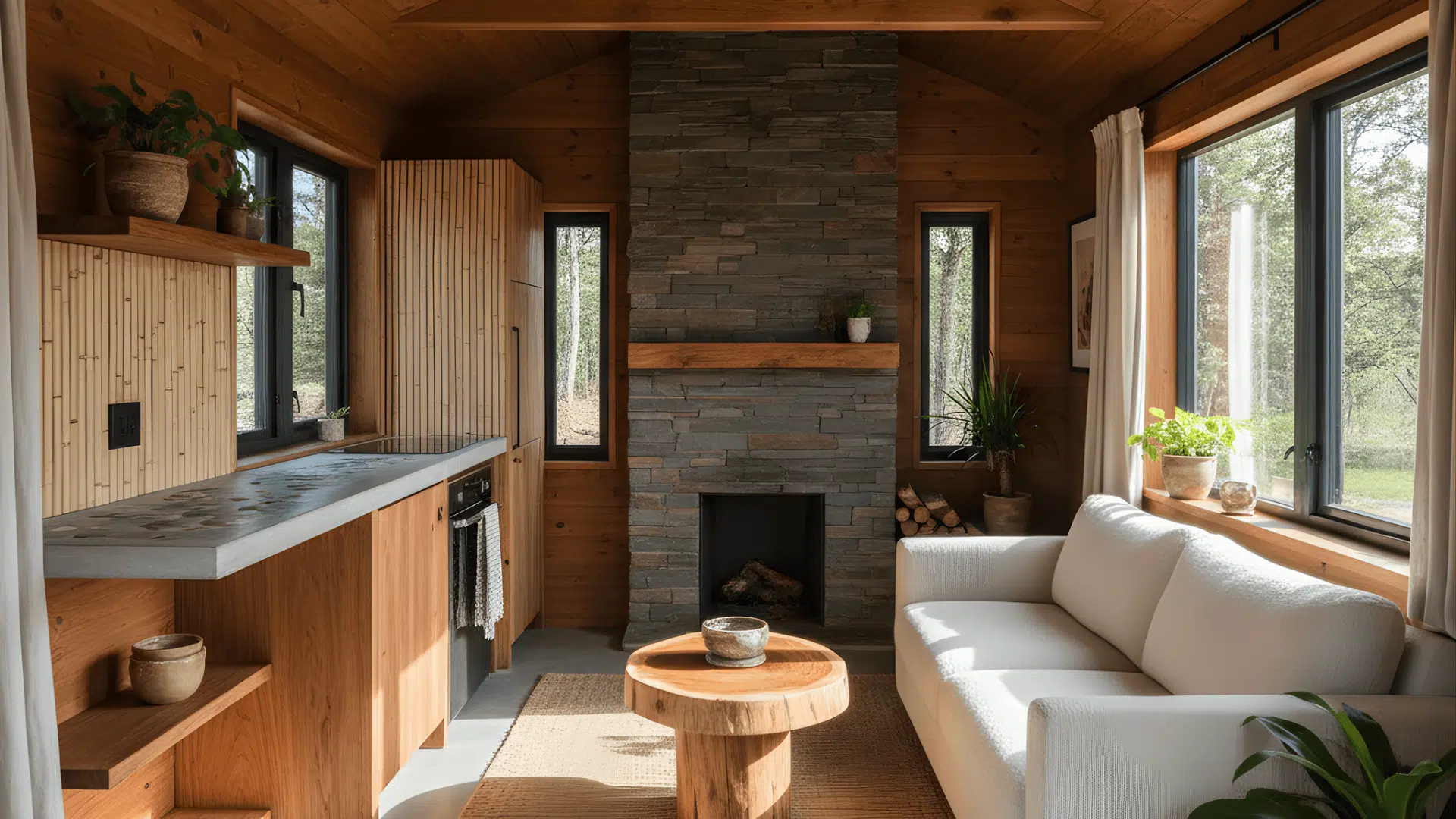
Incorporating natural materials like wood, bamboo, or stone adds warmth and texture to your tiny home. These materials create a cozy atmosphere, making the space feel inviting and homey.
Natural elements also contribute to a timeless, rustic aesthetic that is both stylish and sustainable.
6. Minimalist Aesthetic
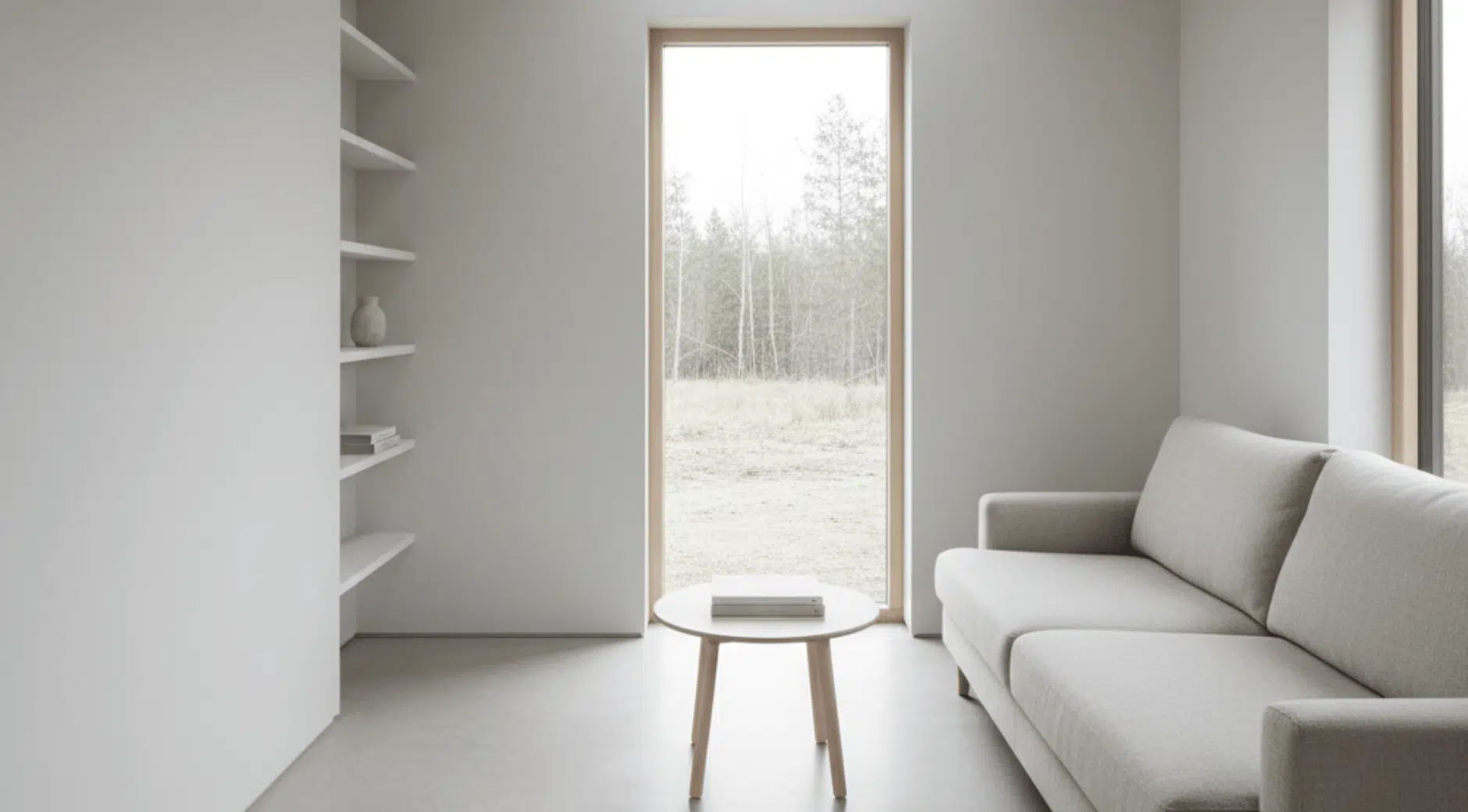
A minimalist design keeps the focus on functionality, simplicity, and clean lines. Neutral colors, uncluttered surfaces, and minimal décor make small spaces feel more open.
Embracing minimalism in a tiny home ensures that every item serves a purpose, creating a calm, peaceful environment.
7. Sliding Doors
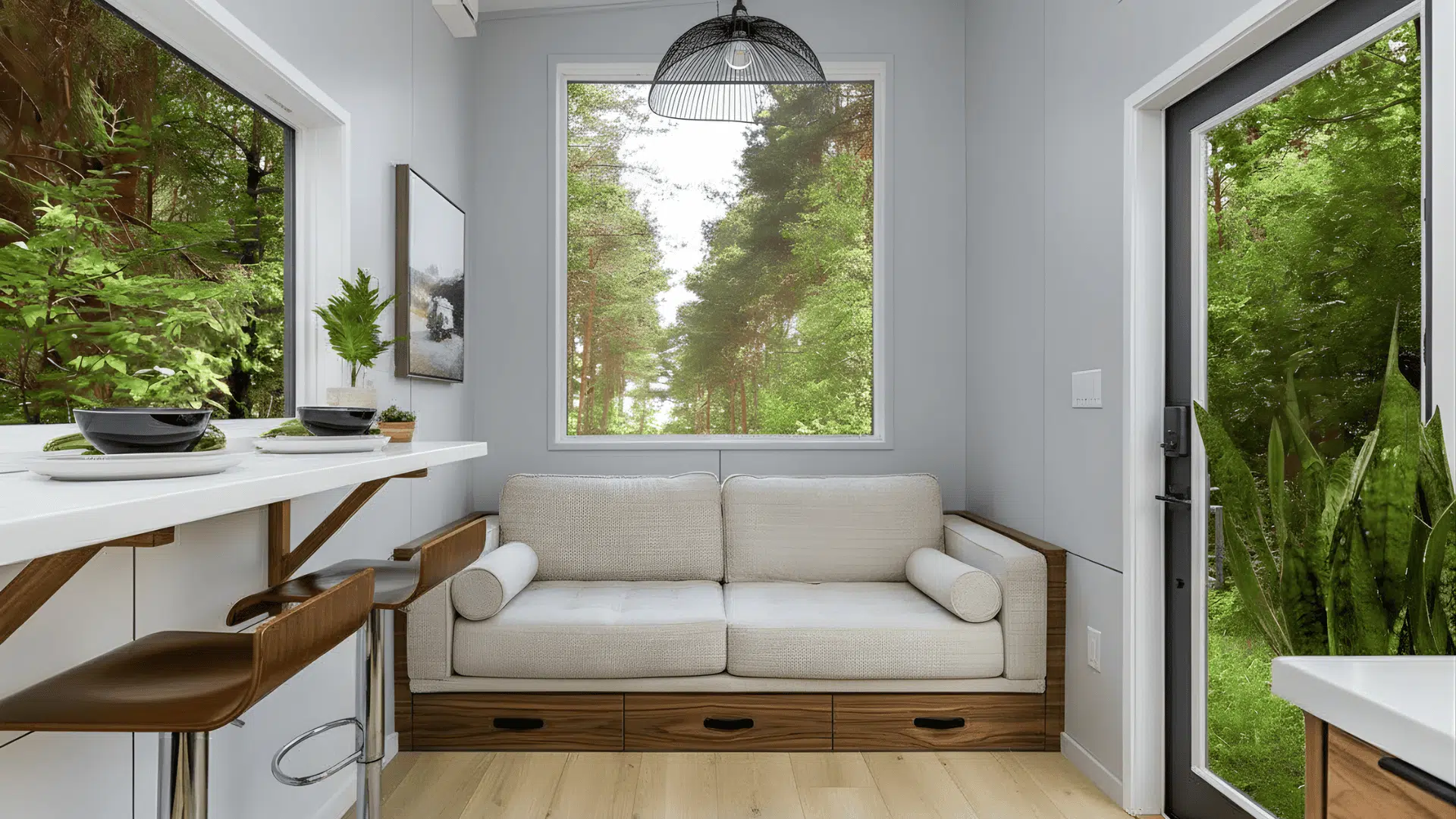
Sliding or pocket doors are space-saving alternatives to traditional swinging doors. They do not require clearance space, making them perfect for small rooms or narrow hallways.
Sliding doors can enhance the flow and functionality of your tiny home while adding a modern, sleek touch to your design.
8. Eco-Friendly Features
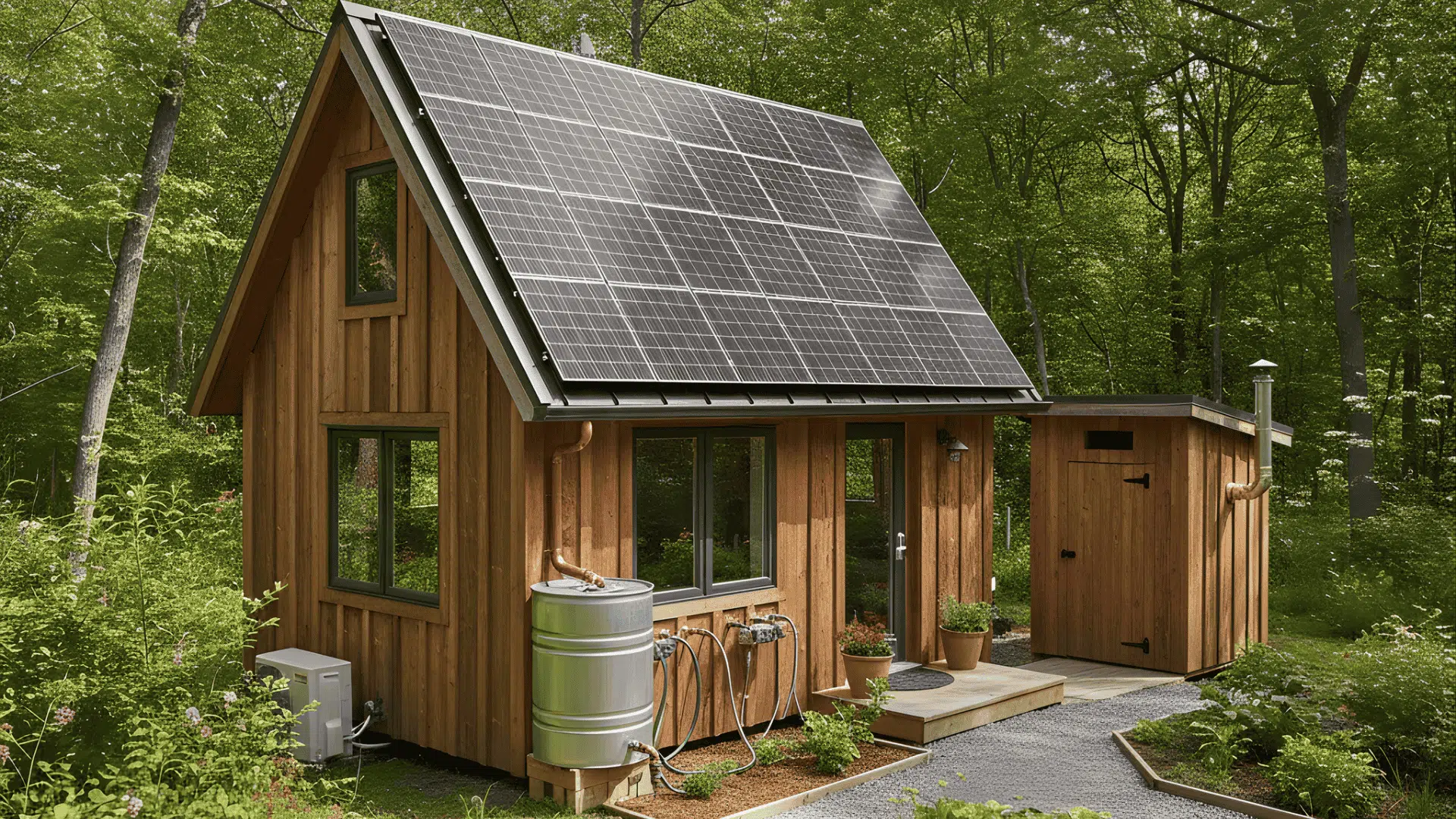
Incorporating eco-friendly features like solar panels, rainwater collection systems, and composting toilets can make your tiny house more sustainable.
These features reduce environmental impact and cut down on energy costs, making your home both greener and more cost-effective in the long run.
9. Large Windows and Skylights
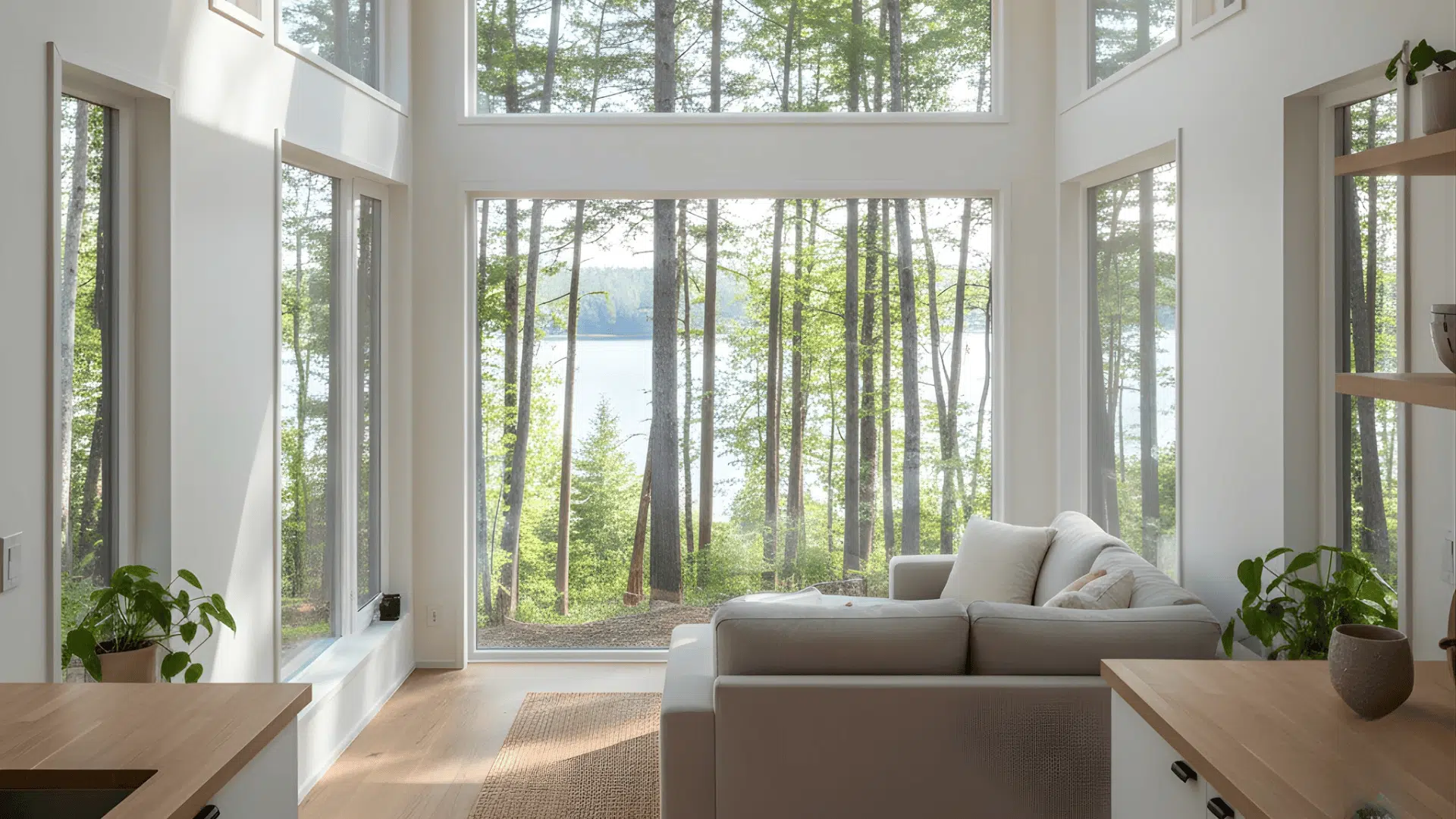
Installing large windows and skylights invites natural light into your tiny home, creating a bright and airy environment.
Natural light makes the space feel larger and more open. Additionally, these windows can provide beautiful views, connecting your indoor living space with the outdoors and enhancing your living experience.
Cost Breakdown for Tiny House Living
Understanding the costs involved in tiny house living is crucial when planning your project. These costs can vary depending on the size, location, and features you choose.
| Category | Cost Range ($) |
|---|---|
| Tiny Home (Basic) | $10,000 – $30,000 |
| Tiny Home (High-End) | $30,000 – $80,000 |
| Land Purchase | $2,000 – $100,000 |
| Utility Setup | $1,000 – $5,000 |
| Permits & Fees | $500 – $2,000 |
| Maintenance & Repairs | $500 – $2,000 per year |
This table provides a general overview of the cost range for various aspects of tiny house living. It’s important to consider these factors when budgeting for your tiny home to ensure that you are fully prepared for both the initial investment and ongoing maintenance.
Understanding the Legalities
Before starting your tiny house journey, it’s crucial to familiarize yourself with the legal requirements.
From zoning laws and building permits to parking and utility setup, knowing the rules will help ensure a smooth and legal transition to your new lifestyle.
- Zoning & Land Use: Local zoning laws determine whether tiny homes are allowed. Some areas treat tiny homes as standard homes, while others may have restrictions for mobile or accessory dwellings.
- Building Permits: Many areas require building permits for tiny homes, even if they are on wheels. These permits ensure your home complies with local building codes, which may include safety, plumbing, and electrical standards.
- Parking & Placement: Depending on whether your tiny home is on wheels or a foundation, you’ll need to find a legal place to park or build. This could include private property, designated tiny home communities, or RV parks.
- Utilities & Waste Management: Consider how you’ll handle essential services like water, electricity, and sewage. Some areas may require you to connect to the local grid, while others may allow off-grid living with systems like solar panels and composting toilets.
- Tax & Insurance: Tiny homes are taxed differently based on location, and you’ll need to determine if your home is classified as personal property or real estate. Insurance is also essential to protect your investment.
Legal requirements for tiny homes vary by location, so it’s essential to research and comply with local laws.
Buying vs. Building vs. Prefab Tiny Homes
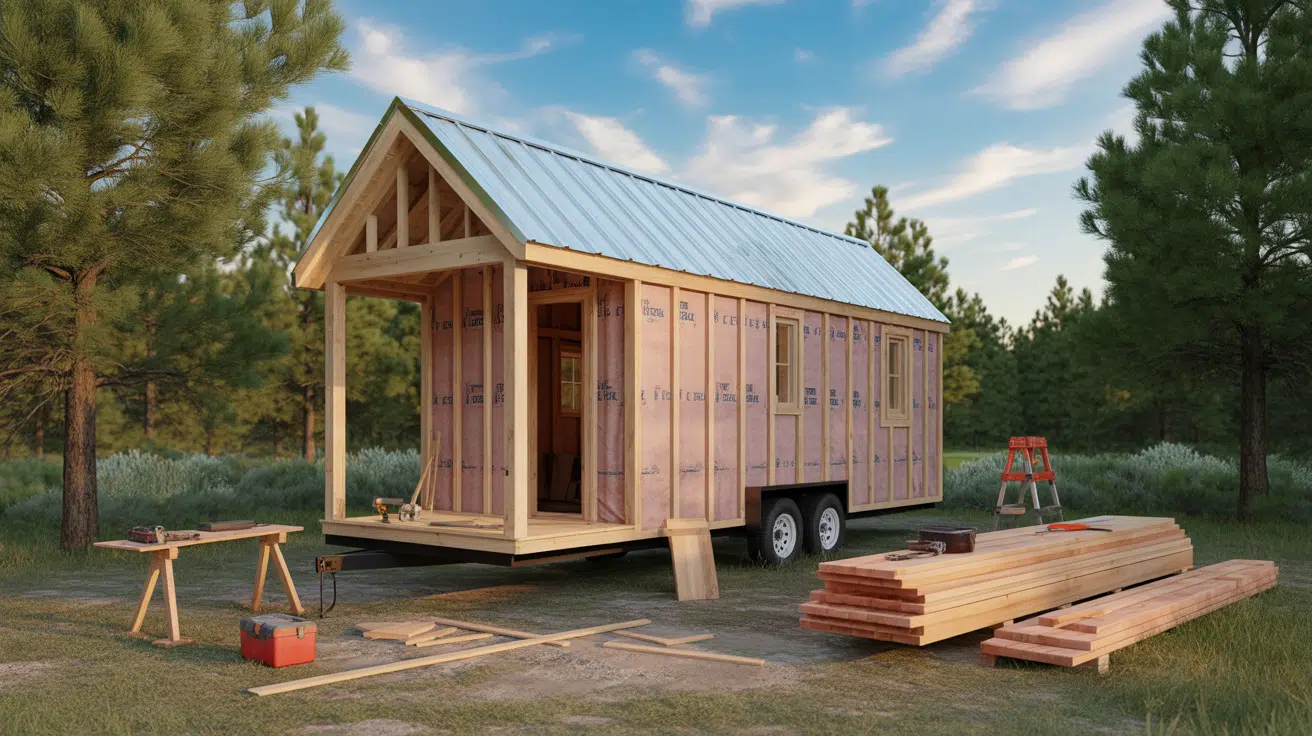
Understanding the differences between buying, building, and opting for a prefab tiny home can help you make the best choice for your budget, timeline, and personal preferences.
| Option | Cost Range ($) | Time to Complete | Customization | Pros | Cons |
|---|---|---|---|---|---|
| Buying | $20,000 – $100,000+ | Immediate (if available) | Limited (mostly pre-built designs) | Quick setup, less hassle | Higher cost, limited options |
| Building | $10,000 – $80,000+ | Several months to a year | Fully customizable | Total control over design, personal touch | Time-consuming, requires skills, or a contractor |
| Prefab | $30,000 – $70,000+ | Several weeks to a few months | Some customization available | Quicker than building, moderate customization | Limited customization, less personal than building |
Each option- buying, building, or going prefab has its advantages and challenges. If time is a priority, buying or going prefab may be your best bet.
Conclusion
Tiny house living offers a unique, efficient, and sustainable way of life. Whether you’re motivated by financial savings, sustainability, or the freedom of mobility, a tiny home can transform your lifestyle.
However, it’s important to carefully consider design, costs, legal requirements, and whether buying, building, or going prefab is right for you.
If you’re ready to find tiny house living further, take the next step by researching local zoning laws, setting your budget, and finding inspiration for your tiny home design.
Ready to make the leap? Start your journey toward simpler, more intentional living today!











One Response
How do tiny houses maximize limited space?