Ever opened your power bill and thought, ‘Why is my electric bill so high this month? ‘ It’s a frustrating moment when the number looks higher than usual, even though everything at home feels the same.
Electric costs can rise for many reasons: seasonal weather, rate increases, or hidden energy drains you don’t notice day to day.
The good thing is, most of these have simple fixes once you know where to look.
In this guide, I’ll explain the most common reasons your electric bill might be higher than expected and share easy, practical ways to lower it, starting with small changes that make a quick difference.
Understanding How Your Electric Bill Works
Before jumping into the reasons behind a high bill, it’s important to understand how your electric bill is built and where most of your money actually goes.
This foundation makes it easier to spot what might be causing sudden changes later on.
What You’re Actually Paying For
- Energy charge (cost per kilowatt-hour)
- Delivery or transmission fees
- Taxes, surcharges, and service fees
These parts of your bill often change throughout the year. Even if your energy use stays steady, rate changes or added service fees can make the total go up.
Why Bills Fluctuate Each Month
- Seasonal temperature swings
- Energy rate changes from your utility
- Household habits that shift over time
Your usage isn’t the same every month. When temperatures rise or drop, heating and cooling systems work harder.
Add in new devices, longer showers, or changes in your daily schedule, and your bill can easily creep up without you realizing it.
Why is My Electricity Bill So High?

Once you understand how your bill works, the next step is figuring out what’s driving it up. Several factors can quietly increase your electricity use or raise your rates without you noticing right away.
Let’s look at the most common reasons your electric bill might be higher than expected.
1. Rising Electricity Rates
Electricity prices often rise when fuel costs, demand, or maintenance expenses increase. Even a small bump in your rate per kilowatt-hour can quickly add up.
Check your bill for new rate details or review past statements to see if your provider recently raised prices.
2. Weather and Seasonal Extremes
Hot summers and cold winters can push your air conditioner or heater to run longer. If your home has poor insulation or air leaks, it works even harder to stay comfortable.
Sealing cracks, cleaning filters, and improving insulation can help lower usage year-round.
3. Heating and Cooling Inefficiencies
Your HVAC system uses more power than anything else in your home. Dirty filters, closed vents, or an outdated thermostat make it run longer than necessary.
Regular maintenance and using a programmable thermostat can make a noticeable difference in your monthly costs.
4. Energy-Hungry Appliances and Devices
Large appliances like dryers, ovens, and water heaters use a lot of energy. Electronics left plugged in also draw small amounts of power nonstop.
Unplug devices when not in use or use smart plugs and power strips to cut waste easily.
5. Time-of-Use or Peak Hour Charges
Some rate plans charge more during high-demand hours.
Running your laundry, dishwasher, or charging an EV at night or early morning can help avoid peak rates. Shifting these tasks can save money without changing your lifestyle much.
6. Billing Errors or Meter Issues
Inaccurate meter readings or estimated bills can make your usage seem higher than it is.
Compare your bill with your meter reading and contact your provider if something looks off. A quick check can prevent ongoing overcharges.
7. Lifestyle and Household Changes
Working from home, new appliances, or more people in your home naturally raise energy use.
Even small shifts, like cooking more or taking longer showers, can increase costs over time. Tracking these changes helps you adjust habits and stay on budget.
Common Signs of a Rising Electric Bill
Before looking at the causes, keep an eye out for early clues that your energy use may be climbing.
- Your usage graph spikes: A sudden jump compared to last month often signals extra power use or a hidden issue. Check similar months from past years to confirm.
- Heating or cooling runs longer: If your AC or heater cycles more often or struggles to reach the set temperature, it could be dirty filters or air leaks causing higher energy use.
- New devices or appliances: Adding an EV charger, fridge, or gaming setup can raise usage fast. Even small devices left on all day add up.
- Rate or plan changes: Utilities sometimes raise rates or switch billing plans. Check your bill details to see if a higher cost per kilowatt-hour explains the increase.
Catching these signs early helps you find the cause and fix it before your next bill arrives.
How to Lower Your Electric Bill Right Now
Sometimes, saving money on electricity doesn’t require big changes. A few smart adjustments and small upgrades can lower your bill almost immediately.
| Category | Actions | Tips |
|---|---|---|
| Small Changes | – Adjust thermostat by 1–2 degrees. – Wash clothes in cold water. – Turn off unused lights. – Use “eco” modes on appliances. | Set thermostat to 78°F in summer and 68°F in winter for comfort and savings. |
| Low-Cost Upgrades | – Replace bulbs with LEDs. – Seal window and door gaps. – Add weather stripping. – Use smart plugs to stop phantom power. | Focus on areas with drafts or high use to get the best results. |
Small steps can make a big difference when it comes to cutting energy costs. Start with a few changes today, and you’ll notice your electric bill drop faster than you might expect.
Long-Term Solutions for Lasting Savings

Short-term fixes help right away, but lasting savings come from smart upgrades and energy-efficient choices.
Investing in better equipment and cleaner energy can cut costs for years to come while keeping your home comfortable year-round.
- Invest in Efficiency: Upgrade older appliances or HVAC systems to ENERGY STAR-rated models that use less energy and perform better. Add attic insulation or seal air ducts to maintain steady indoor temperatures and reduce strain on your system.
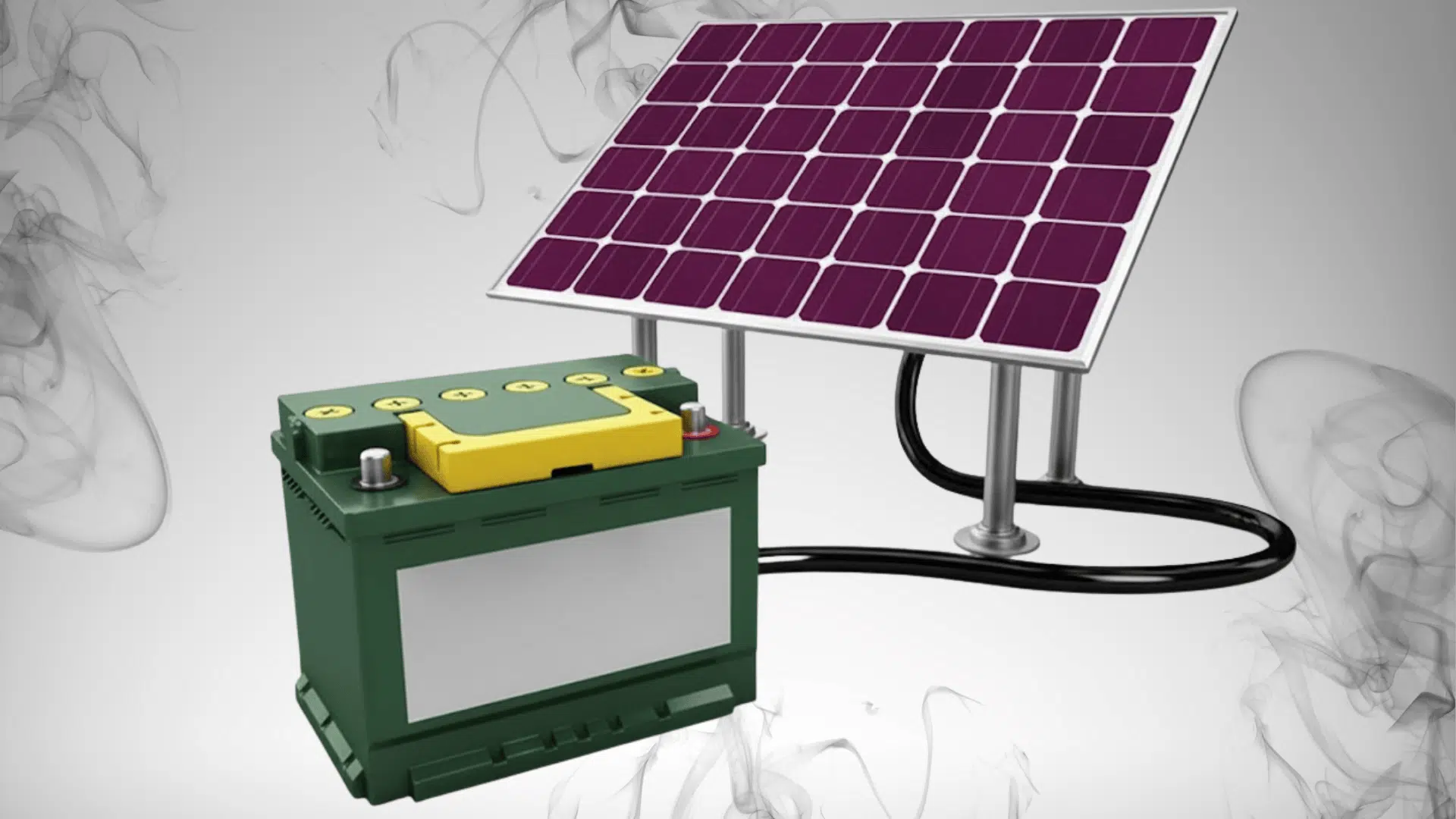
- Go Solar or Join Community Solar Programs: Solar panels can significantly lower your monthly bill, and community solar programs let you share renewable energy benefits without installing panels. Check local rebates or incentives to make the switch more affordable.
These upgrades may cost more upfront, but they pay off through lower bills, fewer repairs, and greater comfort in the long run.
Wrapping Up
High bills can feel confusing, especially when nothing in your home seems different. But asking why my electric bill is so high is the first step to finding real answers.
You’ve seen how things like rate changes, weather shifts, or small habits can quietly raise your costs.
Start with the simple fixes from this guide: adjusting your thermostat, sealing leaks, or switching to LEDs. Little steps like these add up fast and help you take control of your monthly spending.
I hope this breakdown makes your next bill easier to understand and manage. If you found it helpful, check out more of my posts for practical tips to save energy and keep your home running efficiently.