Moving into a condominium is an exciting transition, whether you are purchasing your first apartment or relocating to a different neighbourhood. Once the keys are handed over, attention usually turns to furniture placement, unpacking, and making the new space feel comfortable.
Plumbing rarely appears near the top of the moving checklist. Yet an unnoticed leak or recurring drainage problem can create difficulties just when you are trying to settle into a new routine.
Before unpacking everything, take some time to understand how the plumbing system works. If you notice unusual water pressure or signs of recurring leakage, a condo plumber in Toronto can assess the issue and help determine whether repairs are necessary.
Condominium plumbing also requires a different approach from plumbing in a detached house because some components may be shared with other units. Understanding those differences can help avoid confusion when maintenance is needed.
Why Condo Plumbing Needs Special Attention
Condominiums combine privately occupied living spaces with building systems that serve multiple residents. Some plumbing components are located entirely within an apartment, while others form part of a shared supply or drainage system.
As a result, a problem visible in one unit may involve infrastructure maintained by the condominium corporation. This makes it important to understand the building’s reporting procedures before an emergency occurs.
Shared Water Supply and Drainage Systems
Many condominium buildings use vertical supply risers and drainage stacks to serve multiple floors. A blockage in a shared drainage component can sometimes affect more than one apartment.
Similarly, changes to a common water supply system may require a building-wide or sectional shutdown. Residents should avoid assuming that every plumbing problem can be handled independently. When shared infrastructure may be involved, building management should be notified according to the property’s procedures.
Different Buildings Have Different Rules
Condominium corporations establish rules governing maintenance activities and renovations. These may include contractor access requirements or restrictions on when disruptive work can be performed. Before arranging plumbing modifications, review the applicable documents.
Some work may require management approval even when the fixture being changed is located inside the apartment. Understanding these requirements can prevent unnecessary scheduling problems.
Essential Plumbing Checks Before You Unpack
A brief inspection before moving boxes occupy every room can make plumbing concerns easier to identify. Most basic checks do not require specialized equipment. The purpose is to become familiar with the apartment and document any conditions that deserve further attention.
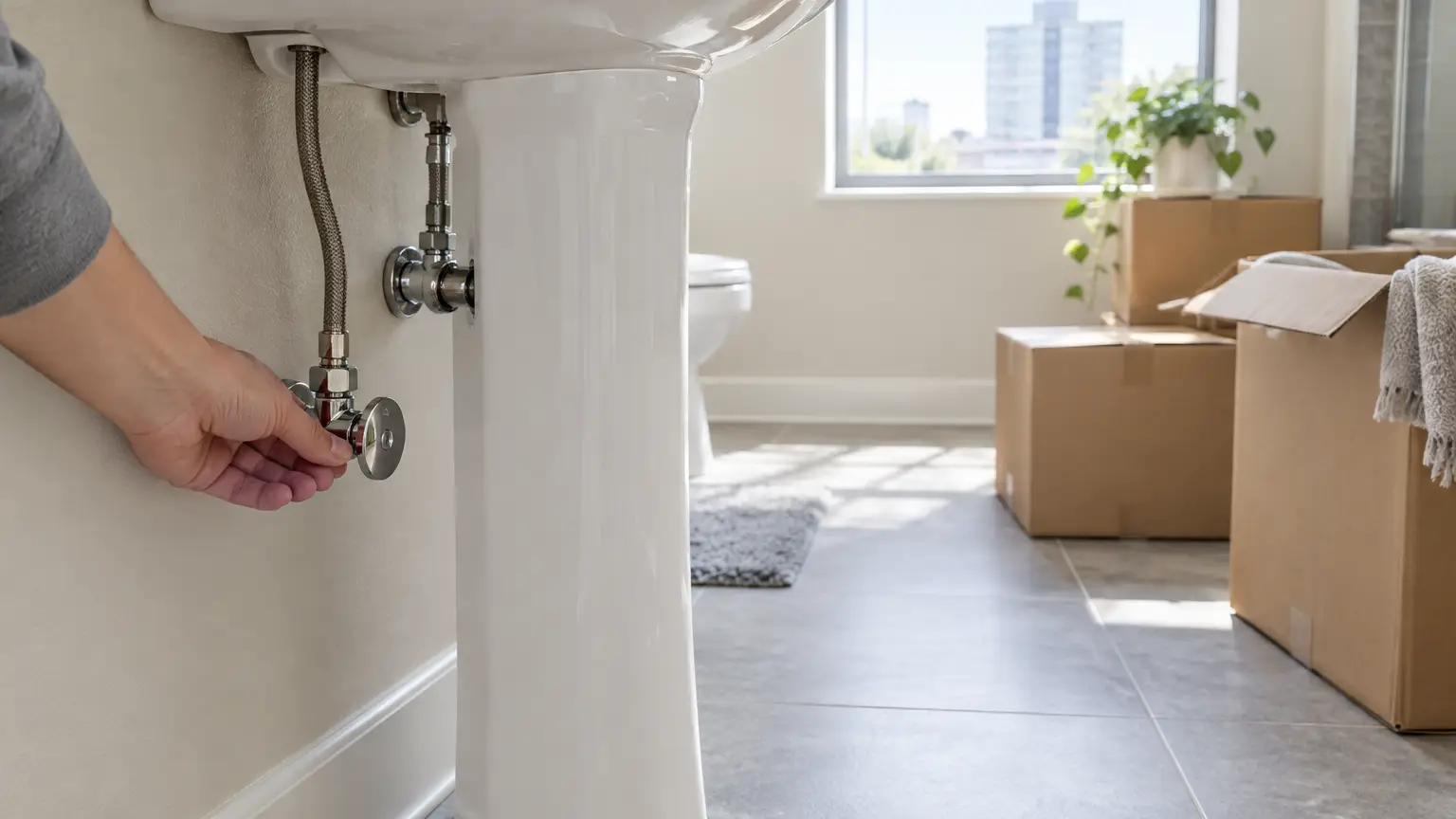
Locate Your Unit’s Water Shutoff
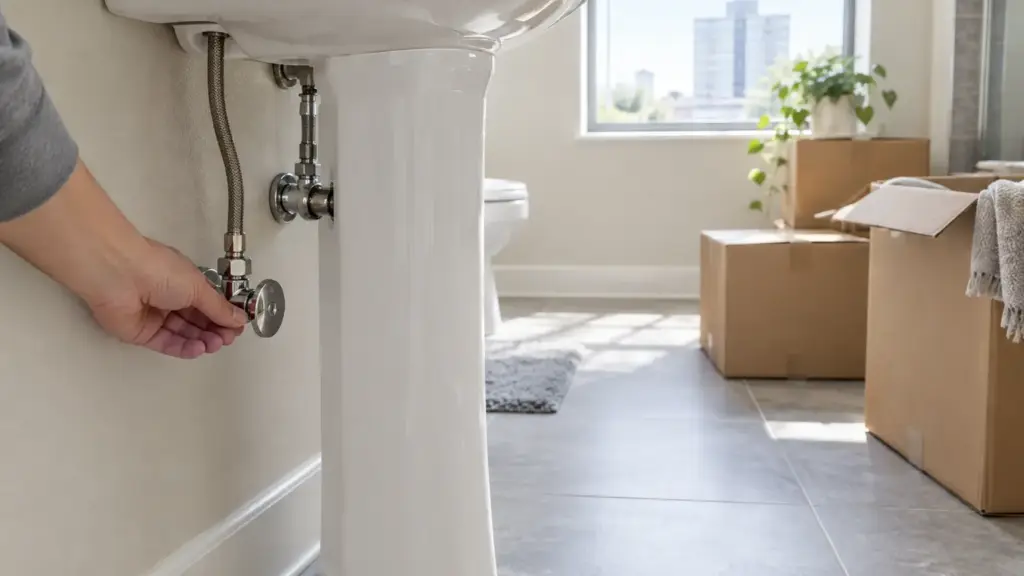
Knowing how to isolate the water supply is one of the most useful pieces of information for a new resident. Some condos have accessible shutoff valves within the unit. Others require assistance from building staff to isolate certain connections.
Ask management to explain which valves residents are authorized to operate. If a valve is difficult to access or appears damaged, report the problem rather than forcing it. During an active leak, knowing the correct shutdown procedure can help limit the amount of water escaping.
Check Water Pressure
Run the kitchen and bathroom taps under normal conditions. Notice whether the flow appears consistent and whether there is a significant difference between fixtures. A pressure problem affecting one faucet may have a different cause from a problem affecting the entire unit.
If several fixtures behave unusually, document the symptoms and discuss them with building management or a qualified contractor. Remember that water pressure may also vary according to building operating conditions.
Look for Signs of Previous Leakage
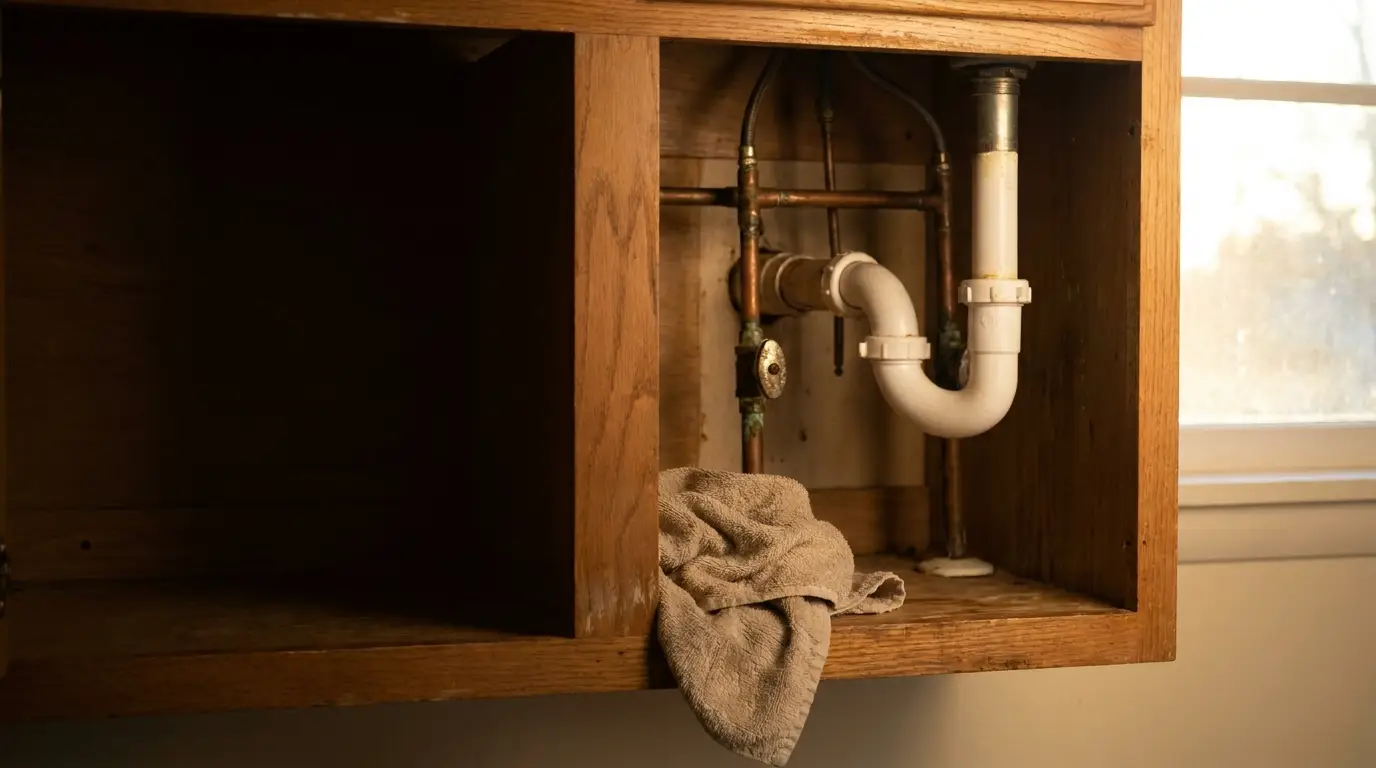
Before filling cabinets with belongings, inspect the visible plumbing beneath sinks. Water staining or swollen cabinet materials can indicate previous moisture exposure. Check whether the area is currently dry.
A stain alone does not establish that a leak is active, but unexplained dampness deserves investigation. Photographing existing damage during the move-in inspection can also help maintain an accurate record of the unit’s condition.
Checking accessible plumbing before unpacking can make existing problems easier to identify and document.
Check the Bathroom Before Daily Use Begins
Bathrooms are among the most frequently used areas of a condominium. Because they contain multiple water connections within a relatively small space, they deserve particular attention during a move-in inspection.
Test the Shower Drain
Allow the shower to run briefly and observe whether water drains normally. A drain that struggles during ordinary use may contain buildup or another restriction. If the problem persists after suitable routine cleaning, further assessment may be necessary.
Avoid using strong chemical drain cleaners without understanding the issue and the building’s maintenance guidance. A recurring blockage may involve plumbing beyond the immediate fixture.
Inspect the Toilet
Check whether the toilet flushes normally and stops running after the tank refills. Persistent running may indicate a problem with internal components. Also inspect the floor around the base for unexplained moisture.
Water appearing near a toilet can have several causes, so it is important not to assume that applying sealant will correct the problem. A leaking supply connection requires a different repair from a failed toilet seal.
Evaluate Bathroom Ventilation
Condo bathrooms may rely on mechanical ventilation rather than operable windows. Confirm that the system operates as expected and report unusual performance to management. Persistent humidity can contribute to condensation and deterioration of finishes.
The ventilation system may form part of the building’s shared mechanical infrastructure, so residents should not modify it without authorization.
Pay Attention to Kitchen and Laundry Connections
The kitchen and laundry areas deserve a separate inspection because appliances may conceal water connections once installed. Moving furniture into place can also make these areas more difficult to access later.
Inspect Under the Kitchen Sink
Look around visible drain connections and water supply lines. The cabinet should remain dry during normal fixture operation. If the sink has been used recently, check whether any moisture appears beneath the connections.
A slow leak may not be immediately obvious, particularly when stored supplies absorb water. Avoid overloading the cabinet in ways that place pressure on exposed plumbing.
Confirm Dishwasher Connections
If the apartment includes a dishwasher, ask whether it has been tested recently. Visible signs of leakage near the appliance should be investigated before regular use. Some dishwashers have a separate shutoff valve.
Knowing where it is located can be helpful if a supply hose or connection develops a problem. Do not attempt to pull out a built-in appliance without understanding how it is secured and connected.
Check the Laundry Area
Where a washing machine is installed inside the unit, inspect visible supply hoses for deterioration. Confirm that the appliance is positioned without placing unnecessary strain on the connections. A leak detector nearby may provide an additional warning if water escapes.
In buildings with shared laundry facilities, residents should report equipment problems through the appropriate management channel rather than attempting repairs themselves.
Understand Who Is Responsible for Condo Plumbing Repairs
One of the most confusing aspects of condo living is determining responsibility for maintenance. The fact that a plumbing component is located inside an apartment does not necessarily establish who must repair it. Responsibility can depend on the condominium declaration, the nature of the component, and applicable legislation.
Unit Components and Common Elements
A sink fixture may be treated differently from a shared drainage stack. Likewise, some pipes passing through a unit may form part of the building’s common elements.
Owners should review the condominium documentation to understand these distinctions. Tenants should also know whether maintenance requests should go directly to building management or through the unit owner.
Report Problems Before Authorizing Major Repairs
If a leak may involve shared infrastructure, notify management promptly. The building may need to coordinate access or determine whether neighbouring units are affected. Arranging unauthorized repairs can complicate the situation if the work involves a common element.
During an emergency, follow the building’s established procedure for obtaining urgent assistance.
Keep Maintenance Records
Save correspondence and relevant repair documentation. For a newly purchased condo, these records can help establish what work was completed after possession. They may also be useful during future renovations or property transactions.
Clear documentation makes communication easier if a recurring problem needs further attention.
Planning Condo Renovations After Moving In
Some buyers plan to update the apartment immediately after taking possession. Bathroom upgrades or kitchen fixture replacements may seem straightforward, but condominium renovations often involve additional coordination.
Confirm Building Approval Requirements
Before changing plumbing fixtures, ask management whether approval is required. The building may request information about the contractor or the proposed scope. Where permits or inspections are required, these should be addressed before work begins.
Scheduling installation without confirming the requirements can create delays.
Coordinate Water Shutdowns
Certain plumbing modifications require temporary water isolation. If the work affects a shared supply, the building may need to schedule the shutdown and notify other residents. This can influence the renovation timeline.
Allow sufficient time for coordination rather than assuming that every connection can be modified whenever a contractor is available.
Protect Shared Spaces During Construction
Contractors may need to move equipment through elevators and common corridors. Condominium rules can specify how these areas must be protected.
Planning access in advance helps minimize inconvenience for other residents and avoids unnecessary disruptions during the renovation.
When Does a Condo Need Professional Plumbing Assessment?
Some issues can be identified through ordinary observation, but concealed leaks and recurring drain problems may require professional equipment. An inspection may be appropriate when water pressure changes unexpectedly or when several fixtures show symptoms at the same time.
A professional can help determine whether the issue is confined to the unit or may involve shared plumbing. Dr. Pipe Drain and Plumbing provides condo plumbing services in Toronto and is an example of a specialist residents may consider when dealing with plumbing problems in a multi-unit building.
Before scheduling work, confirm whether management authorization or access to shared infrastructure is necessary. A clear understanding of the problem helps avoid unnecessary repairs and supports better coordination.
Make Plumbing Part of Your Moving Checklist
Moving into a new condo involves numerous decisions, but plumbing deserves attention before everyday routines take over. Learning how the water supply can be shut off and checking visible connections can help residents identify concerns while the apartment is still easy to inspect.
Understanding the building’s maintenance responsibilities is equally valuable. These steps do not need to delay moving day. They simply make the transition more organized and help new residents feel confident about the home they are settling into.