Plumbing trouble rarely arrives at a convenient time, and a slow drain can be easy to ignore until ordinary household routines stop working. A dripping faucet, a running toilet, or moisture beneath a sink might seem minor beside a burst pipe, but each deserves attention before it becomes part of the background.
Homeowners looking to maintain their home’s plumbing system often face conflicting advice about regular maintenance. Drain habits, aging fittings, and hard water raise different questions, while unfamiliar valves make emergencies harder to navigate. Everyday upkeep and work requiring a plumber involve different considerations, particularly when a familiar fixture stops working or water appears somewhere it shouldn’t.
Most Plumbing Trouble Starts at the Drain
Keeping cooking grease, coffee grounds, wipes labeled “flushable,” and hair out of drains prevents most household clogs. Let grease cool in a can, then put it in the trash rather than pouring it down the sink.
A drain strainer in every sink and shower is the cheapest clog-prevention measure a home can have. These simple fittings catch material before it enters the plumbing system, making disposal habits part of everyday maintenance rather than a recurring repair problem.
Chemical drain cleaners can damage pipes over time. Gentler options include a monthly hot-water flush, a baking soda and vinegar treatment, and a plunger or drain snake for minor clogs. Avoid pouring boiling water into PVC pipes or porcelain fixtures.
Hard water creates another maintenance concern: mineral scale builds up inside pipes and on fixtures. Soaking removable aerators and showerheads in vinegar helps clear deposits. Where buildup keeps returning, a water softener is worth considering.
These tasks fit routine DIY maintenance when fittings and instructions are understood. However, recurring blockage calls for investigation rather than increasingly strong chemical treatments.
Know Where to Shut the Water Off
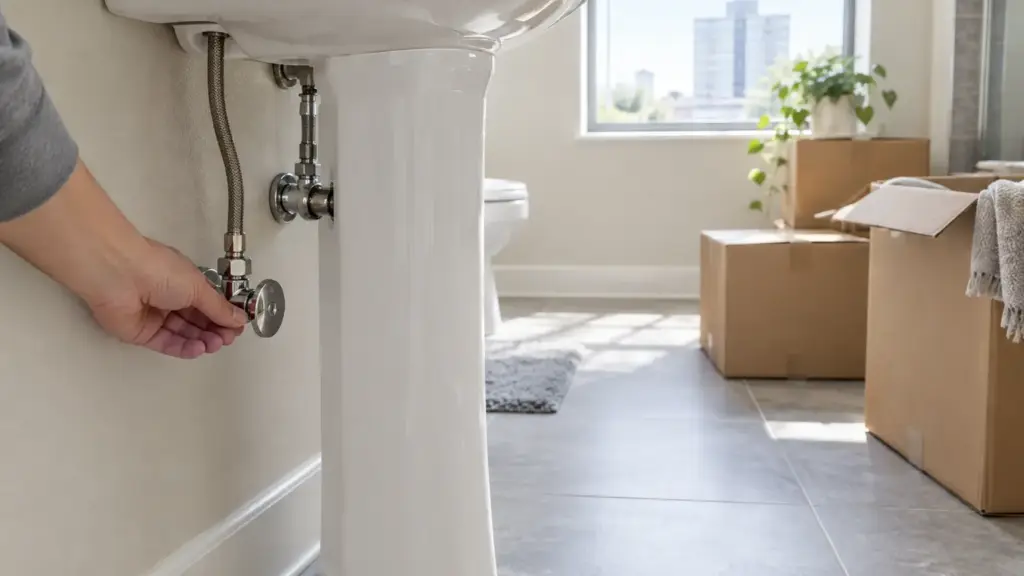
The main water shut-off valve is usually near the water meter, in a basement or crawl space, or where the supply enters the house. Find it and test it gently before an emergency; a seized valve needs attention rather than extra force.
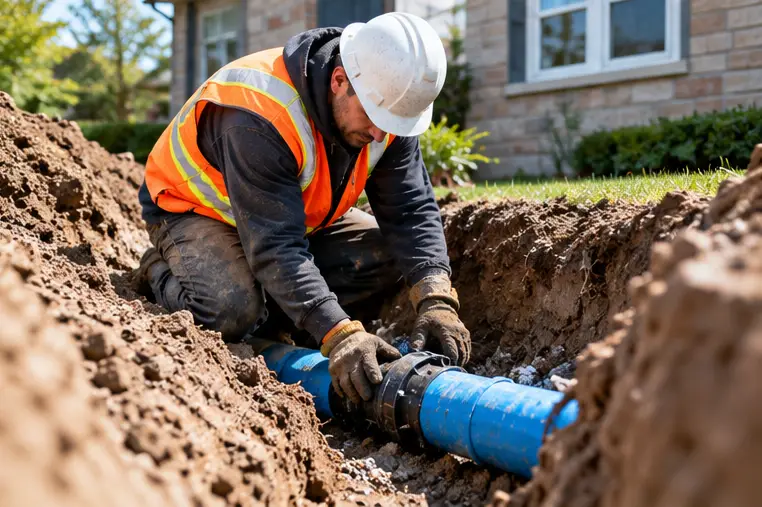
For a burst pipe, close the main valve, open faucets to drain the lines, disconnect power to wet electrical areas from a safe location, and photograph the damage. Never enter standing water or approach a wet electrical panel to disconnect power; use qualified help when safe access isn’t possible.
Preparation includes a labeled shut-off valve, a wrench kept nearby for a valve designed to require one, and a round-the-clock plumbing contact such as Gundlach’s Service, on call 24/7.
As with the drain maintenance above, DIY work suits strainers, accessible aerators, toilet flappers, and minor clogs when the fittings and instructions are understood. Burst pipes, recurring clogs across several drains, sewer odors, and water heater gas-line work belong with a licensed plumber.
Catch Leaks and Pressure Problems Before They Spread
Slow leaks and creeping pressure can cause damage without an obvious emergency. Seasonal checks give small changes a reference point: a previously dry cabinet, a toilet refilling between uses, or a changed pressure reading. Recording observations and maintenance dates helps distinguish recurring faults from isolated incidents.
Finding the Leaks You Can’t See
A running toilet usually means a worn flapper. Add food coloring to the tank: color appearing in the bowl without flushing indicates a leak.
Inspect washing machine supply hoses annually and replace them about every five years. Braided steel hoses fail less often than rubber ones; visible bulges, cracks, or leakage warrant earlier attention.
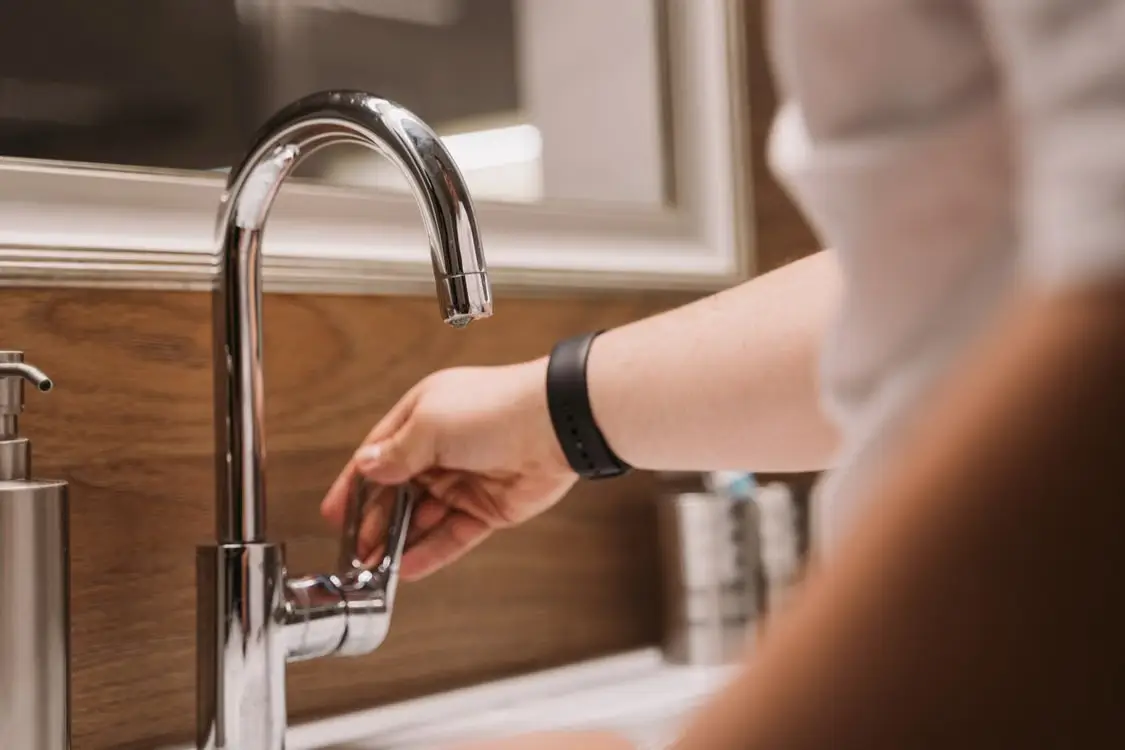
Repairing household leaks reduces wasted water and associated costs. Include dripping faucets and addressing worn bathroom fixtures on the checklist. Before upgrading kitchen faucets, distinguish a replaceable component from a fixture needing replacement.
Pressure Checks, Water Heater Flushes and Inspections
Safe household water pressure is roughly 40 to 80 psi. A hose-bib pressure gauge costs about $10, and a pressure-reducing valve brings down persistently high readings. A plumber can assess whether installation or adjustment is needed.
Flush the water heater annually to clear sediment, following its shutdown, cooling, and restart instructions. Equipment-specific requirements matter here, just as they do when testing the shut-off valve.
Schedule a professional plumbing inspection every one to two years, or sooner in older homes. Previous leaks or recurring pressure problems also justify earlier assessment. Keep records of findings and follow-up dates alongside seasonal observations.
Small Habits Keep Big Repairs Rare
Keeping a plumbing system in good shape comes down to three connected habits: controlling what enters drains, knowing how to stop the water, and checking for changes on a recorded schedule. Clear numbers and dates make those checks easier to follow.
Start by locating the main shut-off valve this week. Knowing where it is, and whether it works, makes it a practical emergency safeguard rather than an unfamiliar fixture.