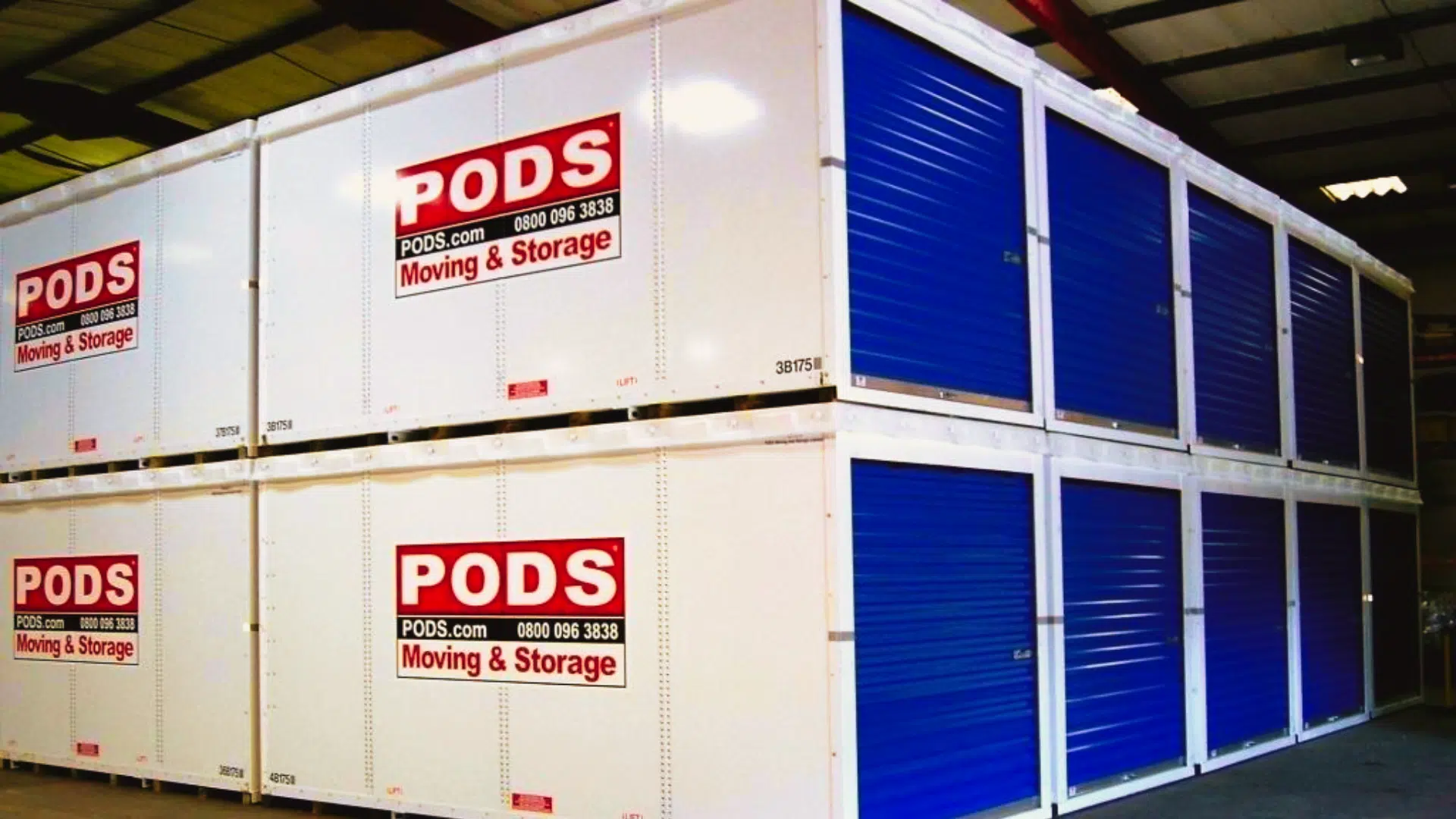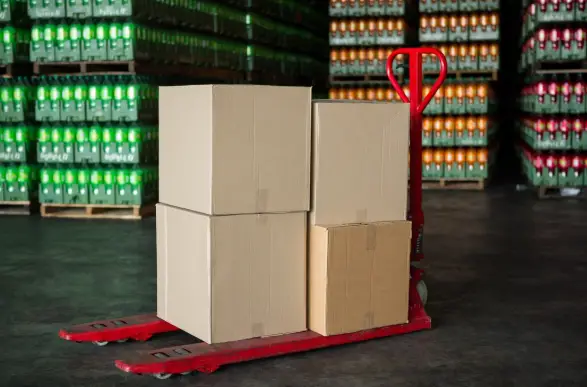
Food packaging does more than hold a product. It protects food from moisture, dust, light, air, pests, impact, and other warehouse conditions that can affect quality. Once packaged food enters storage, the packaging becomes the first line of defence between the product and its surroundings.
Warehouses can expose packaging to temperature changes, humidity, stacking pressure, rough handling, and long storage periods. The right packaging must therefore do more than look attractive. It should maintain its shape, protect the contents, support safe handling, and help preserve food quality until the product reaches the customer.
In this article, we will discuss 5 food packaging types that can provide reliable protection during storage.
Metal Containers for Durable Food Storage
Metal packaging can provide a strong barrier against physical damage, moisture, light, and other environmental factors. Its rigid structure makes it particularly useful for foods that need durable protection during transportation and storage.
Canned foods are one of the clearest examples. Metal cans can protect products for extended periods when manufacturers use suitable materials, closures, and processing methods. Their solid construction also makes them easier to stack compared with many softer packaging formats.
Metal containers can also serve dry food products and specialty items where durability and presentation matter. Smaller metal packages can provide a premium appearance while protecting the contents from external conditions.
Custom tin boxes, for example, can combine rigid protection with branded presentation for suitable dry food products. Their reusable nature can also give the package a second life after the food has been consumed.
Corrugated Food Boxes for Strong Warehouse Protection
Corrugated boxes remain a practical choice for many food products because they offer a useful balance between strength, weight, and cost. Their layered structure creates a protective barrier around the packaged product and helps absorb some of the pressure caused by stacking and handling.
For warehouse storage, box strength matters. Food cartons may sit beneath several other boxes for days or weeks. A weak carton can collapse, exposing the product to damage. Corrugated packaging can provide better stacking strength when manufacturers select an appropriate board grade and flute structure.
These boxes also work well for secondary food packaging. Manufacturers can use them to pack bakery products, dry foods, snacks, frozen goods, beverage containers, and other packaged items. Their printable outer surface also gives brands room for product information, handling instructions, logos, and other important details.
Flexible Pouches for Moisture and Air Protection
Flexible food pouches offer another effective option for warehouse storage. They use less material than many rigid packages while providing a protective barrier around the product. Depending on their construction, pouches can resist moisture, oxygen, light, and outside contaminants.
This makes them suitable for products such as snacks, coffee, dried fruit, pet food, powdered foods, spices, and other dry goods. Some multilayer structures combine different materials to create the barrier properties needed for a particular product.
Moisture protection is especially important for foods that lose quality when exposed to humidity. Crackers can become soft, powders can form lumps, and dried foods can lose their desired texture. A suitable flexible pouch helps reduce the transfer of moisture between the food and the surrounding environment.
Glass Food Containers for Stable Long-Term Storage
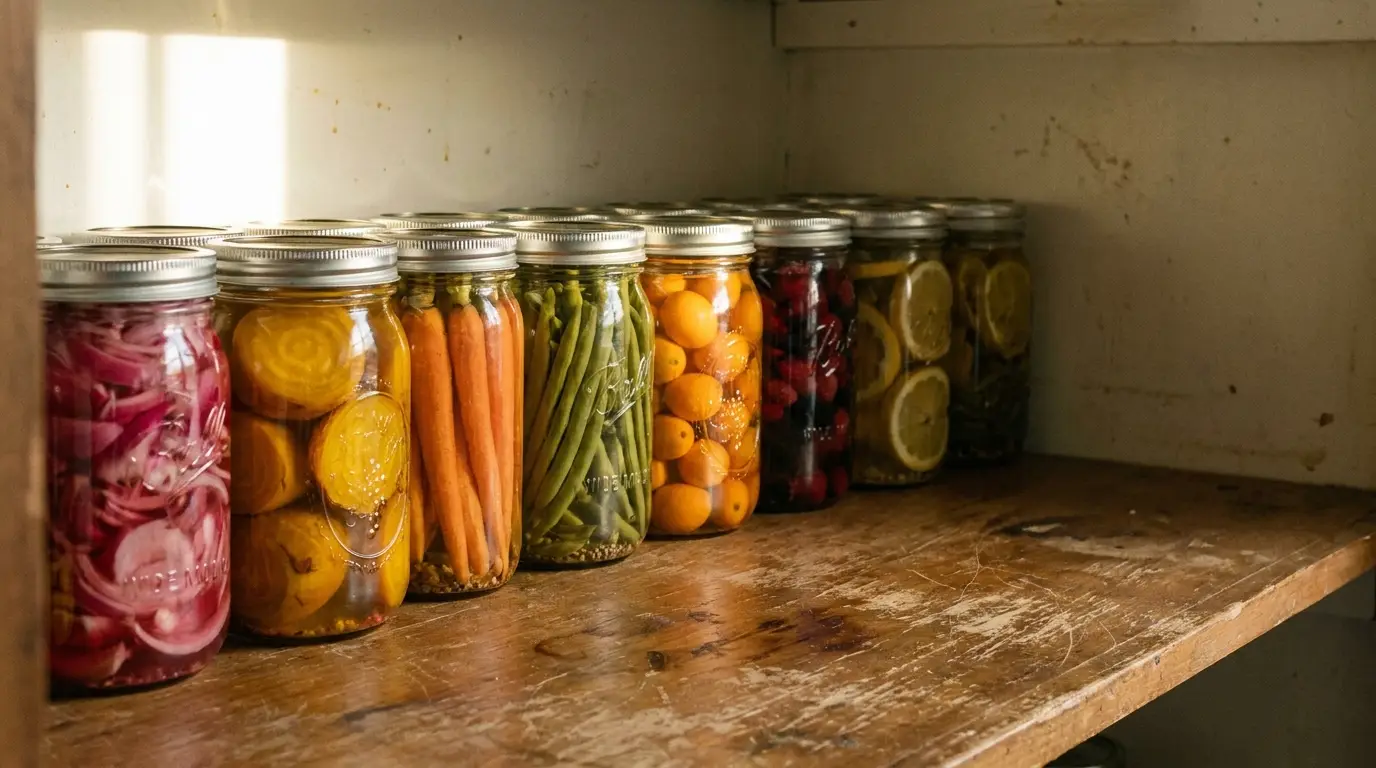
Glass containers provide strong protection for certain foods and offer excellent resistance to many external elements. They create a rigid barrier that does not easily absorb moisture, and they can protect food from many forms of contamination when properly sealed.
Glass jars and bottles are commonly used for sauces, jams, pickles, spreads, beverages, and other food products. Their rigid structure prevents the package from losing its shape under normal warehouse stacking conditions.
Another advantage comes from the visibility of glass. Customers can often see the food inside without opening the package. This feature can support product presentation while allowing businesses to display the natural appearance of their products.
For warehouses that can manage careful handling, glass remains a useful choice where rigid, non-absorbent packaging provides a practical benefit.
Rigid Plastic Food Packaging for Reliable Handling
Rigid plastic containers offer another practical solution for warehouse storage. They come in many shapes and sizes and can provide a strong structure without the weight associated with glass or some metal containers.
Food manufacturers commonly use rigid plastic for products such as sauces, dairy products, snacks, condiments, ready-to-eat foods, and other packaged goods. The material can provide useful impact resistance, which reduces the risk of breakage during routine handling.
Rigid plastic containers can also work well with fitted lids and closures. A properly designed closure helps protect the contents from contamination and unwanted exposure. For products that need repeated access, resealable containers can offer additional convenience.
Final Thoughts
Safe food packaging starts with understanding the product and its storage environment. No single material works equally well for every food category. Businesses need to consider moisture, oxygen, light, temperature, stacking, handling, shelf life, and sealing requirements before choosing a packaging format.
Good food packaging should protect the product without creating unnecessary complications for storage, transport, or customer use. When material, structure, closure, and warehouse conditions work together, packaging becomes more than a container. It becomes an important part of maintaining food quality from production to purchase.