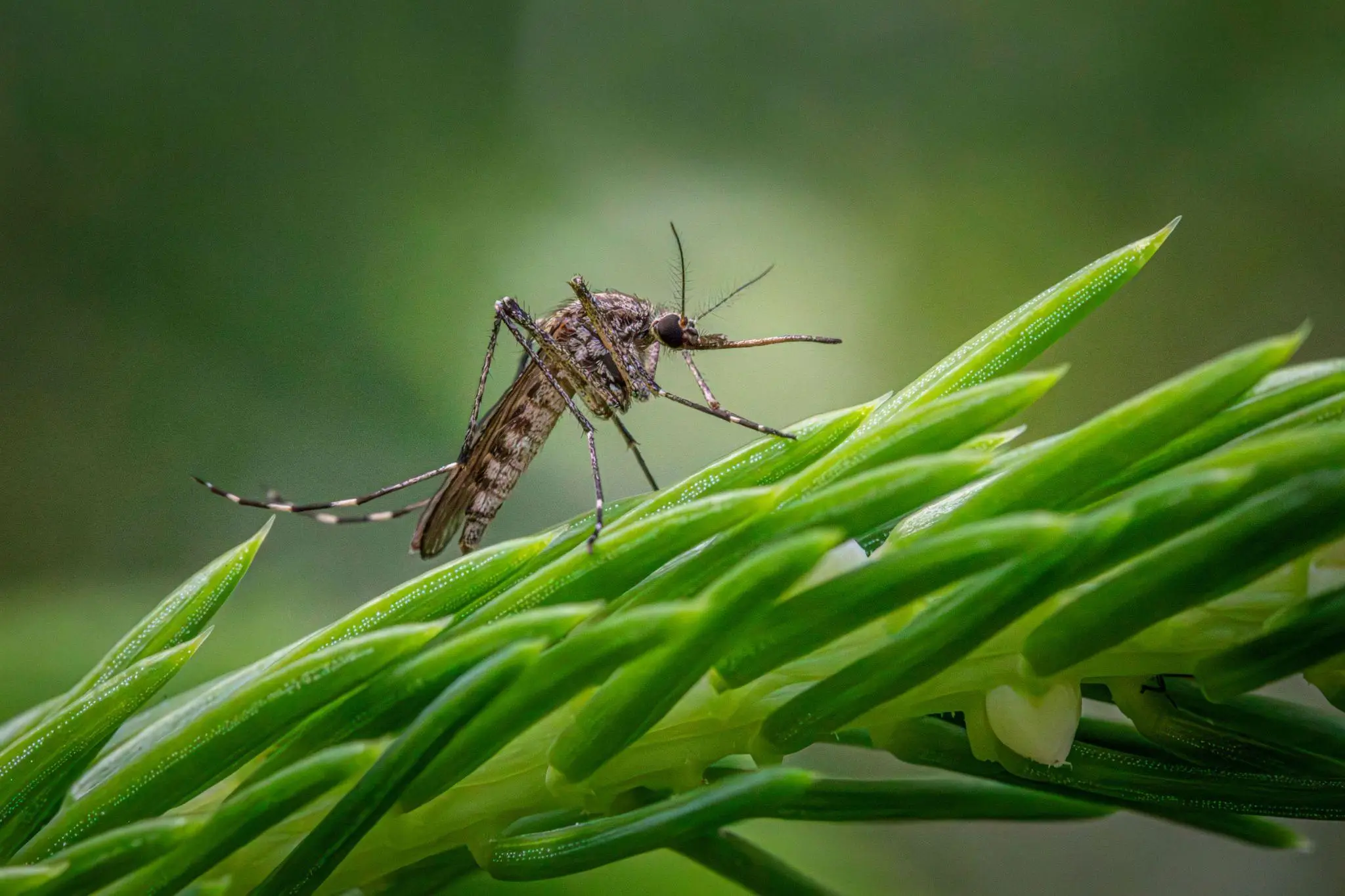
If you have ever stepped outside on a warm evening only to get swarmed before you could sit down, you already understand the frustration. Mosquitoes are not just annoying. They carry diseases, ruin cookouts, and can turn a perfectly good backyard into a place nobody wants to spend time.
At some point, most homeowners start asking the same question: is professional mosquito spraying worth the money? The honest answer depends on what you are paying for, how your property is set up, and whether you choose a one-time visit or a seasonal plan.
What Does Professional Mosquito Spraying Actually Cost?
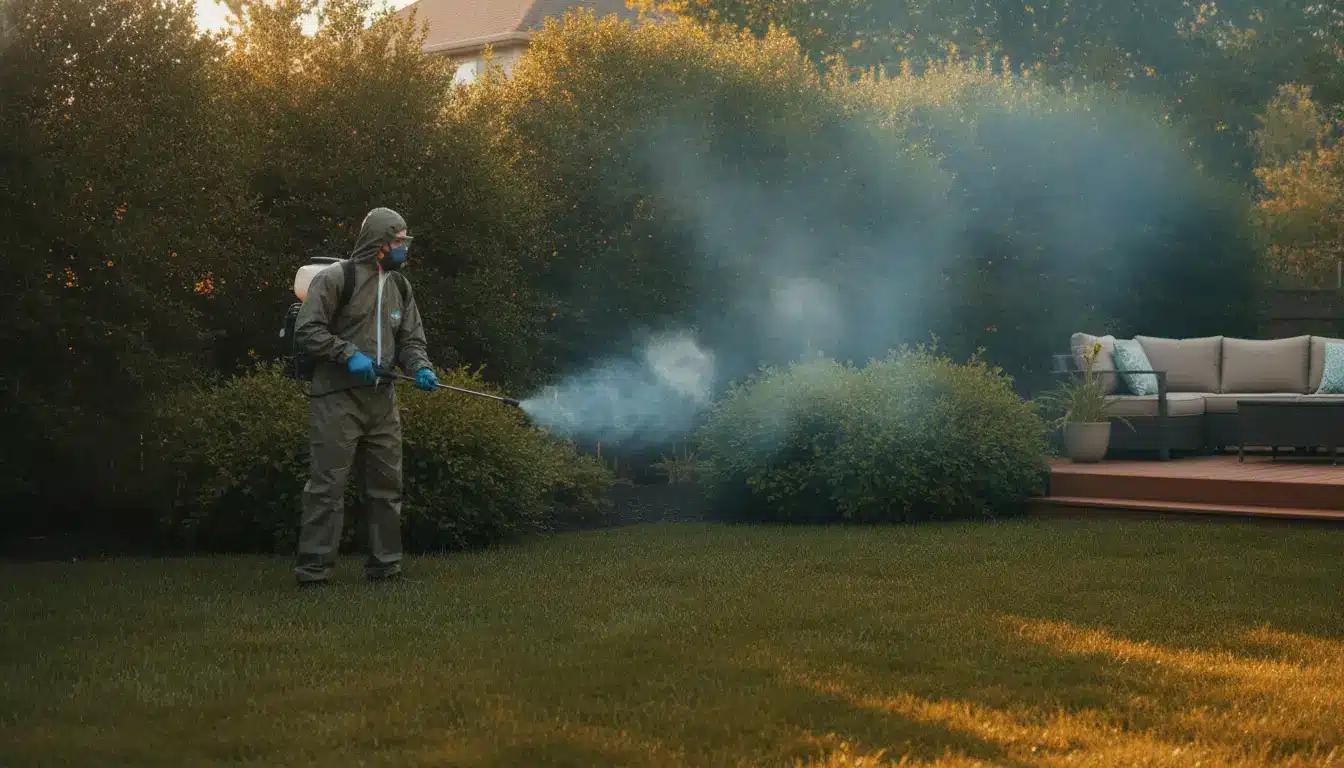
Most homeowners pay between $75 and $150 per visit for a standard barrier spray on an average suburban lot. A technician walks the property, applies a residual treatment to vegetation, shaded areas, under decks, and around the perimeter, and the product works for roughly three to four weeks.
For a full seasonal plan, most providers charge $350 to $700 for six to eight treatments spanning late spring through early fall. That works out to $50 to $100 per visit when bundled, which is typically 20 to 30 percent less than booking visits individually. One-time treatments, often booked before a wedding or family reunion, generally run $100 to $300 depending on yard size.
In regions with long mosquito seasons, seasonal plans almost always deliver better value because consistent treatment keeps populations from bouncing back between visits. Homeowners researching mosquito spraying in Long Island NY, for example, often find that recurring service from April through October provides the most reliable results.
What Factors Affect the Price?
Property size is the biggest variable. A compact quarter-acre lot costs less to treat than a full acre with dense landscaping. Some providers price by square footage ($0.10 to $0.50 per square foot), while others use flat-rate tiers.
Yard conditions matter more than most people realize. Heavy shade, standing water, and features like ponds or drainage ditches create ideal mosquito habitat and often require more product or additional larvicide treatments.
Treatment type also plays a role. Synthetic barrier sprays are the most affordable option. Natural and botanical treatments using ingredients like garlic oil or cedar oil typically cost 10 to 20 percent more and may need more frequent reapplication.
Geographic location influences pricing as well. Warmer climates with longer mosquito seasons require more visits, which naturally increases the total cost. The CDC’s overview of residential mosquito treatments explains how different product types work and what homeowners should know about the application process.
Is DIY Mosquito Control Worth Trying?
Some store-bought products do help. Mosquito dunks (larvicide tablets for standing water) cost $8 to $15 per pack and work well for birdbaths and rain barrels. Electric zappers run about $30 to $50 but tend to kill more beneficial insects than mosquitoes.
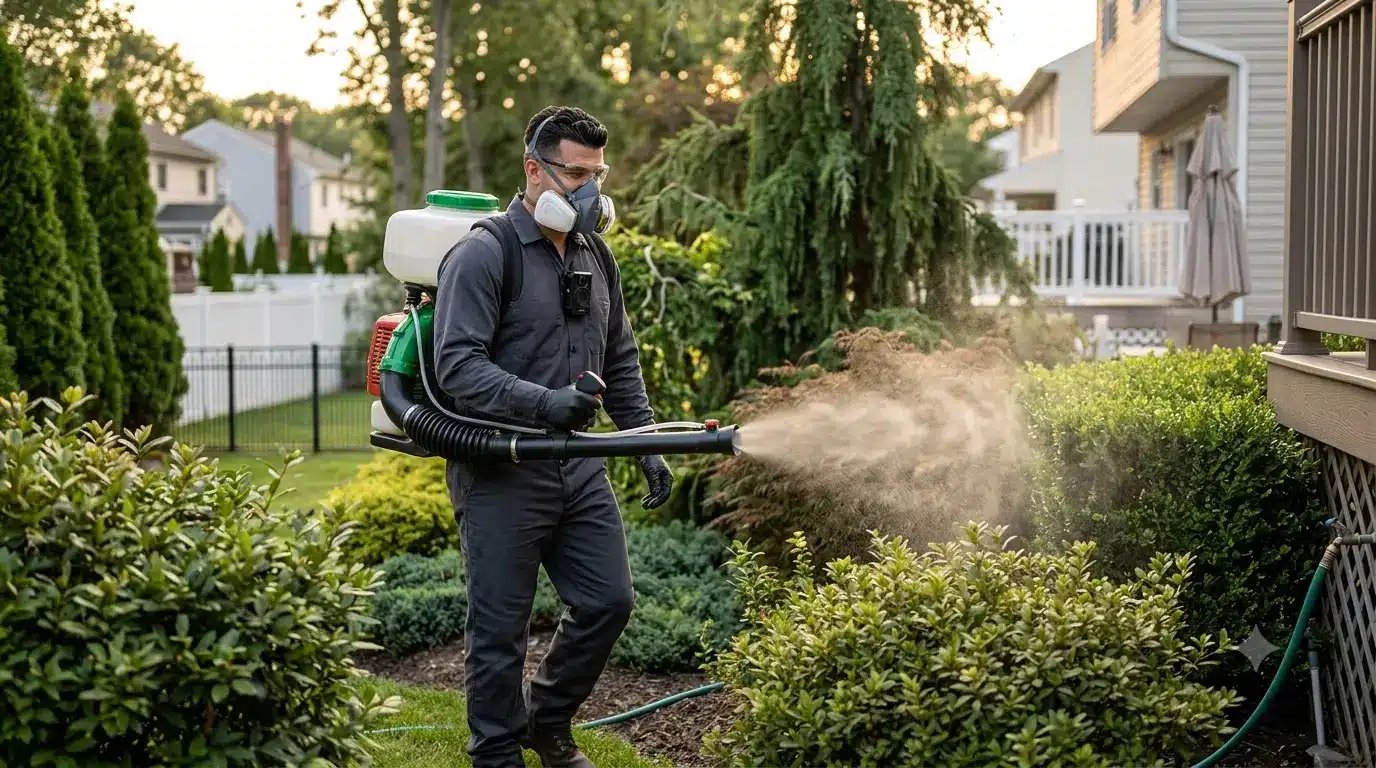
DIY barrier sprays are available too, but the challenge is coverage. Professional applicators use commercial-grade equipment that delivers a fine, even mist into hard-to-reach spots: under decks, behind sheds, deep into shrub beds. Homeowner-grade sprayers rarely achieve the same thoroughness.
For light mosquito activity, DIY methods combined with good habitat management can help. For moderate to heavy pressure, professional treatment is usually more effective over a full season. If you are interested in how ongoing yard upkeep fits into broader pest prevention, this year-round pest prevention guide covers practical strategies beyond just mosquitoes.
What to Look for in a Mosquito Control Provider
When comparing quotes, look beyond the bottom-line number. Ask whether the service includes full-property treatment or just perimeter spraying. A provider who treats lawns, shrubs, under decks, behind sheds, and all shaded zones will always deliver better results than one who only sprays the fence line.
Find out what products are being used and whether natural options are available. Ask about the treatment cycle too. Every three to four weeks is standard for most regions. Anything longer during peak season may leave too wide a gap for consistent results.
Transparency around pricing is another good sign. The best companies will inspect your property before quoting, because yard size, conditions, and mosquito pressure all affect what the job requires.
For example, The Pest Paisan – The Mosquito Guido offers full-property treatments using all-natural products for families looking for a mosquito exterminator in Suffolk County who prioritizes an on-site inspection before any pricing conversation.
Making the Right Call for Your Yard
Mosquito spraying is not one-size-fits-all. A single visit can cost as little as $75 or as much as $300, while a full seasonal plan typically runs $350 to $700 for consistent protection from spring through fall. The smartest approach for most homeowners is to combine good yard maintenance with a recurring treatment plan from a provider who treats the entire property, not just the edges.
If you are exploring your options, start by requesting inspections from two or three local providers. A company that inspects before pricing is usually one that takes the work seriously.