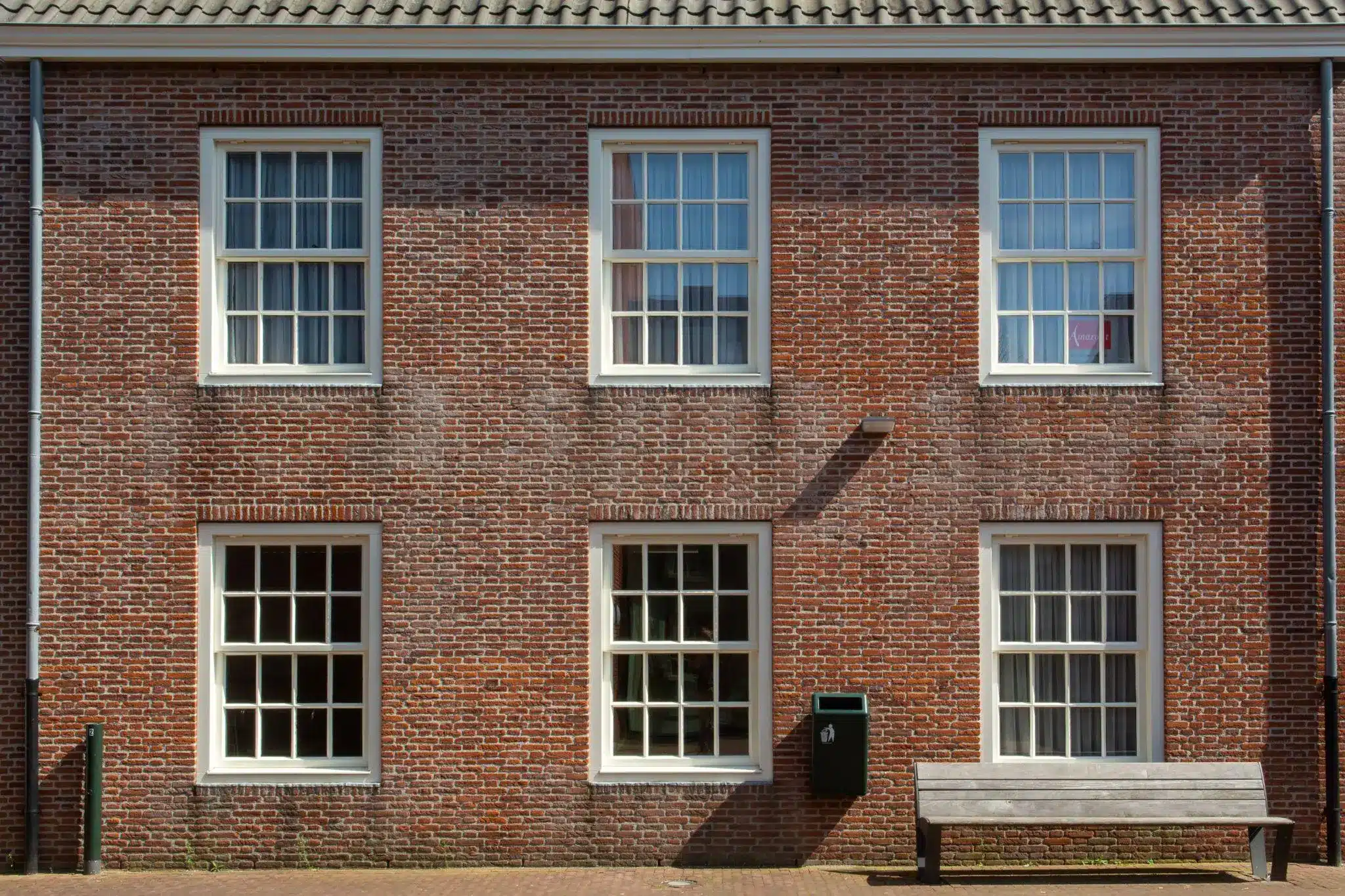
Replacing windows in a brick house is one of those projects that sounds more intimidating than it actually is. Brick is a solid, lasting material, and that is exactly what makes homeowners hesitant to touch it. The good news is that window replacement in brick homes is a routine job for experienced installers, and the results can dramatically improve comfort and energy performance.
Whether you live in a century old row home or a mid century ranch with a brick exterior, understanding the process will help you ask the right questions and avoid costly mistakes.
Why Brick Houses Need Special Attention
Unlike wood frame or vinyl sided homes, brick does not flex. The window opening in a brick wall is surrounded by a rigid masonry structure, which means the removal and installation process has to be precise. There is very little room for error when it comes to fit, flashing, and sealing.
In most cases, the window frame sits inside a wooden buck or sub frame that was built into the brick opening during original construction. That sub frame is what gets replaced or repaired during the project. The brick itself stays untouched as long as the new window is sized correctly.
The Step by Step Process
1. Inspection and Measurement
Everything starts with accurate measurements. A qualified window installation company will measure the existing openings from inside the home, checking for square, level, and any signs of structural shifting or water damage around the frame. With brick homes, even small measurement errors can create problems, so precision matters here more than with most siding types.
2. Removing the Old Window
The installer carefully removes the old sash, hardware, and any deteriorated framing without disturbing the surrounding brick. In most retrofit installations, the original brick mold trim stays in place to preserve the exterior look of the home.
3. Preparing the Opening
Once the old window is out, the opening is cleaned and inspected. Any rotted wood in the sub frame is repaired or replaced. Proper flashing and a moisture barrier are applied to protect against water intrusion, which is especially important in masonry walls where water can wick through mortar joints over time. The U.S. Department of Energy recommends proper sealing and weatherstripping around all window installations to minimize air leakage and improve energy efficiency.
4. Installing the New Window
The new window is set into the opening, shimmed for plumb and level, and secured. Insulating foam or fiberglass is packed around the edges to fill any gaps between the window frame and the rough opening. On the exterior, a quality sealant is applied where the window meets the brick to create a weather tight seal.
5. Finishing and Trim
Interior trim is installed or reattached, and the exterior caulk line is smoothed for a clean finish. A well done installation should look like the window was always there.
Retrofit vs. Full Frame Replacement
Most window replacements in brick homes are retrofit (or insert) installations. This means the new window slides into the existing frame opening without removing any brick or exterior trim. It is faster, less disruptive, and more affordable than a full frame replacement.
Full frame replacement is sometimes necessary when the sub frame is severely damaged or when the homeowner wants to change the window size. This involves cutting into the brick, which adds time and cost. A good installer will be upfront about which approach your home actually needs. If you are unsure whether your windows have reached the end of their useful life, this guide on signs it is time to replace your windows covers the most common indicators to watch for.
What to Look for in an Installer
Not every contractor has experience working with brick. When you are evaluating companies, ask specifically about their experience with masonry homes. A few things to confirm before signing anything:
Look for a company that uses its own installation crew rather than subcontractors. Ask about warranty coverage for both the product and the labor. Confirm that proper flashing and sealing methods will be used for your brick exterior.
For homeowners in the Mid Atlantic region, Maryland Windows and Doors is one example of a local provider that handles replacement windows in Bel Air, MD and throughout the Greater Baltimore area using in house installers and upfront pricing.
Common Concerns (and Why They Shouldn’t Stop You)
Many homeowners worry that replacing windows in brick will crack the masonry or ruin the look of the home. In a standard retrofit installation, the brick is not cut or altered. The exterior appearance stays the same, and in most cases it actually looks better because the new window sits cleaner in the opening.
Cost is another common concern. Brick home installations can run slightly higher due to the added precision required, but the difference is usually modest and the comfort improvements tend to offset that over time.

Getting Started
If you are considering new windows for your brick home, start by getting a professional assessment of your current windows and framing. A reputable installer will walk you through the options and give you a clear price before any work begins.
Replacing windows in a brick house does not have to be stressful. With the right preparation and the right team, it is one of the most rewarding upgrades you can make for comfort, energy performance, and long term home value.