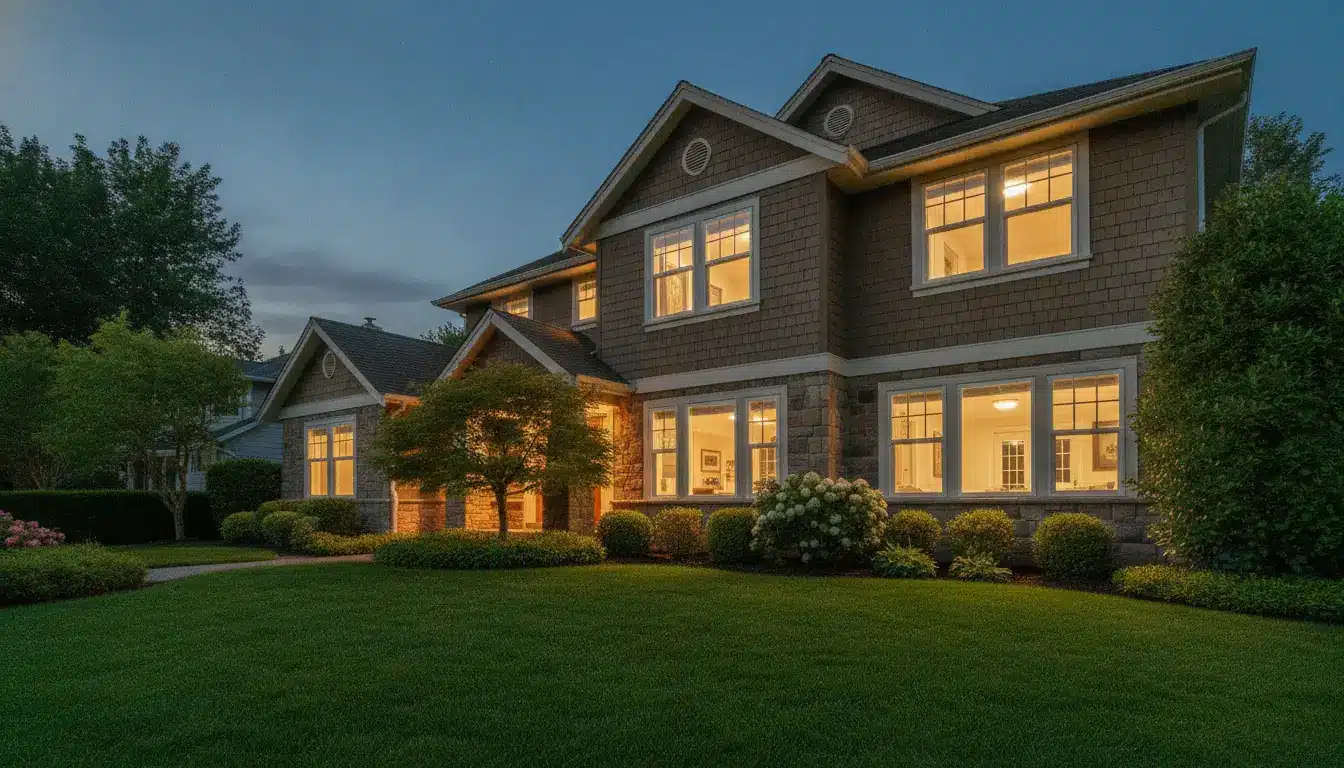
If you have ever stood next to an old window and felt cold air creeping in, you already know something is off. Inefficient windows do not just look tired. They add to your energy bills, reduce your comfort, and chip away at curb appeal.
The big question homeowners ask before committing to a project like replacement windows in Edgewater MD or anywhere else is simple: will I actually get my money back? The short answer is yes, but the full picture is worth understanding.
What New Windows Do for Your Home’s Value
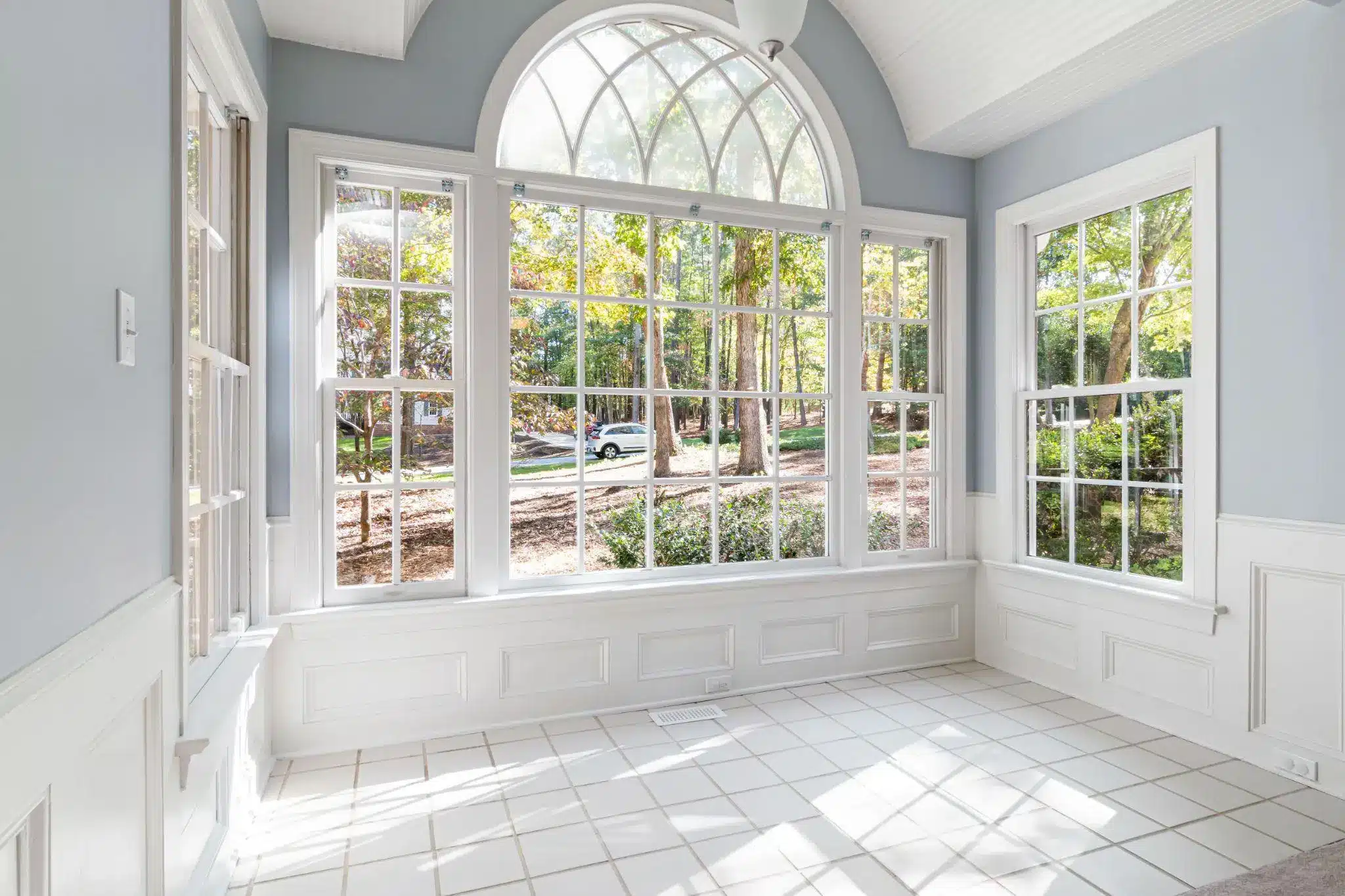
According to Zonda’s annual Cost vs. Value Report, vinyl window replacement returns roughly 68 to 73 percent of the project cost at resale. For a full-house project averaging around $20,000, that means approximately $14,000 comes back in added property value. Compare that to a midrange kitchen remodel at about 50 percent or a bathroom remodel at 64 percent, and windows hold up well.
Windows also have a visual impact buyers notice immediately. Consistent, modern windows across a home’s exterior signal the property has been well maintained. Mismatched or visibly aging windows raise questions about what else might need attention.
Energy Savings That Add Up Over Time
According to the U.S. Department of Energy, heat gain and heat loss through windows account for 25 to 30 percent of residential heating and cooling energy use. The DOE’s Consumer Guide to Energy-Efficient Windows explains how different window ratings translate into real performance by climate zone.
Upgrading to ENERGY STAR certified double-pane or triple-pane windows with low-E coatings can reduce heating and cooling costs meaningfully. Over ten years, cumulative savings on a full-house replacement can range from $1,000 to $4,000, depending on utility rates and how inefficient the old windows were. Every month after installation, the windows are paying you back.
Benefits Beyond the Spreadsheet
Some of the biggest returns never show up in a resale calculation. Cold spots disappear. Rooms that were unusable in extreme weather become comfortable year-round. Modern glass significantly reduces outside noise, and low-E coatings filter UV light that fades floors and furniture over time. Newer vinyl and fiberglass frames also require almost no maintenance compared to older wood that needs regular scraping and painting.
For families with home offices, nurseries, or sunrooms, reclaiming a room that was previously too drafty or too hot can change how the entire house is used.
What to Expect When You Start Getting Estimates
Start by getting at least three quotes from licensed contractors. Each estimate should clearly list the window brand, model, U-factor, and Solar Heat Gain Coefficient so you can compare apples to apples. If a contractor gives you a number without specifying product details, that is a red flag.
Pay attention to what is included beyond the windows themselves. A thorough estimate covers removal and disposal of old windows, any necessary trim or flashing work, and cleanup. Some contractors bundle these items; others treat them as add-ons that inflate the final bill after the fact.
Why Installation Quality Matters as Much as the Product
A perfectly rated window installed poorly will underperform. Gaps, incorrect shimming, or missing flashing can cause air leaks, water intrusion, and warranty issues. This is where your choice of contractor directly affects whether your ROI hits the high end or the low end.
Look for someone licensed, insured, and willing to walk you through exactly how the installation will be handled. Ask who will actually be on site doing the work. For example, Heward Home Improvement handles window installation with the owners present throughout the project, which is the kind of direct accountability that protects a homeowner’s investment.
Also ask about warranties. A strong installer will offer a labor warranty on top of the manufacturer’s product warranty. If someone is reluctant to stand behind their work in writing, move on.
Do Not Overlook the Federal Tax Credit
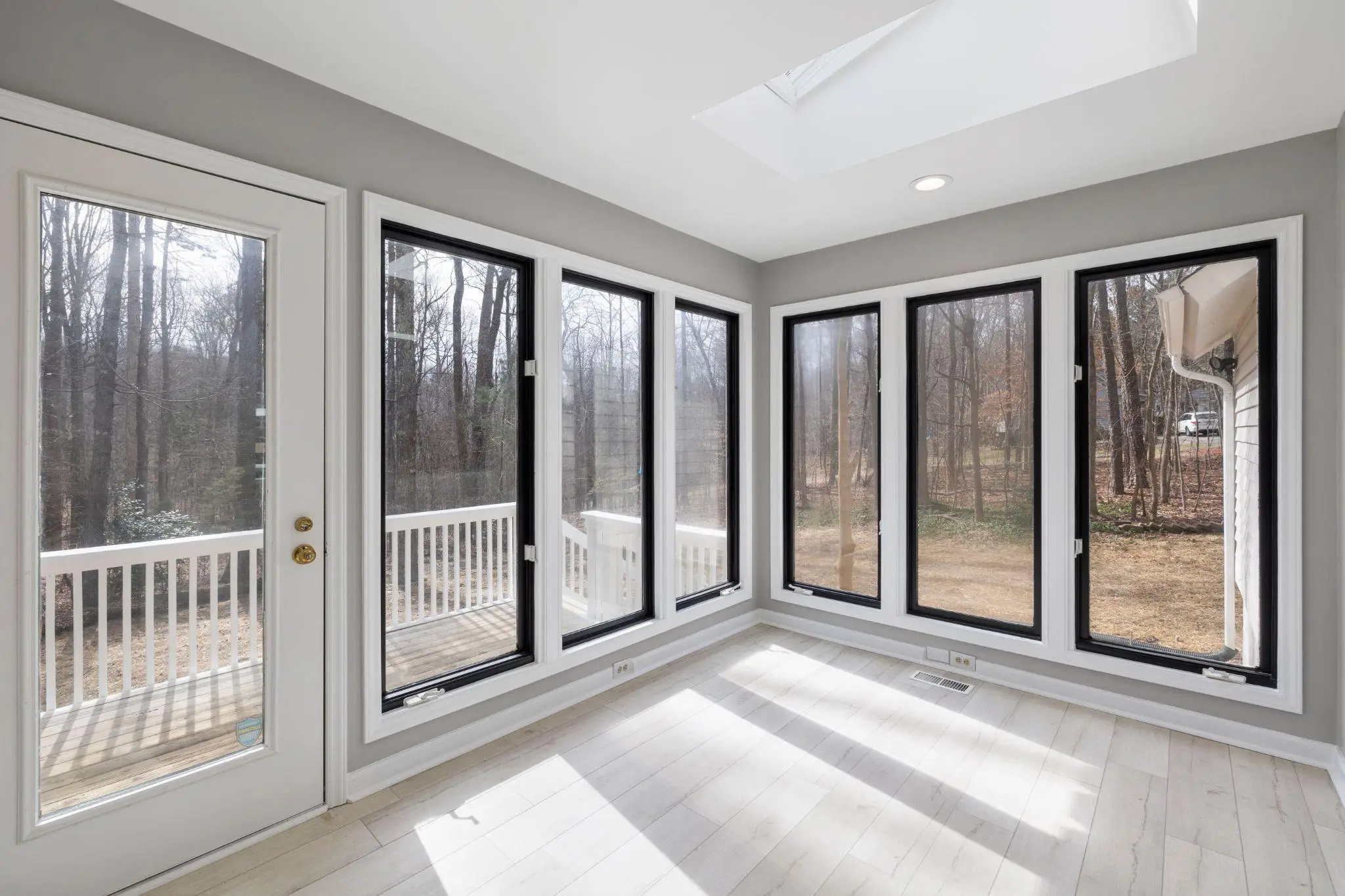
Under the Inflation Reduction Act’s Energy Efficient Home Improvement Credit, homeowners can claim up to $600 for ENERGY STAR Most Efficient certified windows. This is a direct tax credit, not a deduction, so it reduces your bill dollar for dollar. Combined with any state or local rebates, the effective cost of your project drops further. Confirm eligibility with a tax professional before committing, as these credits may shift with future legislation.
If you are planning broader upgrades alongside windows, Jack Cooper’s guide to home upgrades that actually pay off is a solid starting point for prioritizing where your dollars go.
The Bottom Line
Window replacement is not the flashiest renovation, but it is one of the smartest. With resale returns in the 68 to 85 percent range, monthly energy savings from day one, a potential tax credit, and comfort improvements you feel every time you sit in your own living room, few upgrades deliver value across so many fronts at once.
The key is choosing the right materials, hiring an installer who will do the job correctly, and understanding the numbers for your specific home. When those pieces line up, new windows are not an expense. They are an investment that starts working for you the day they go in.