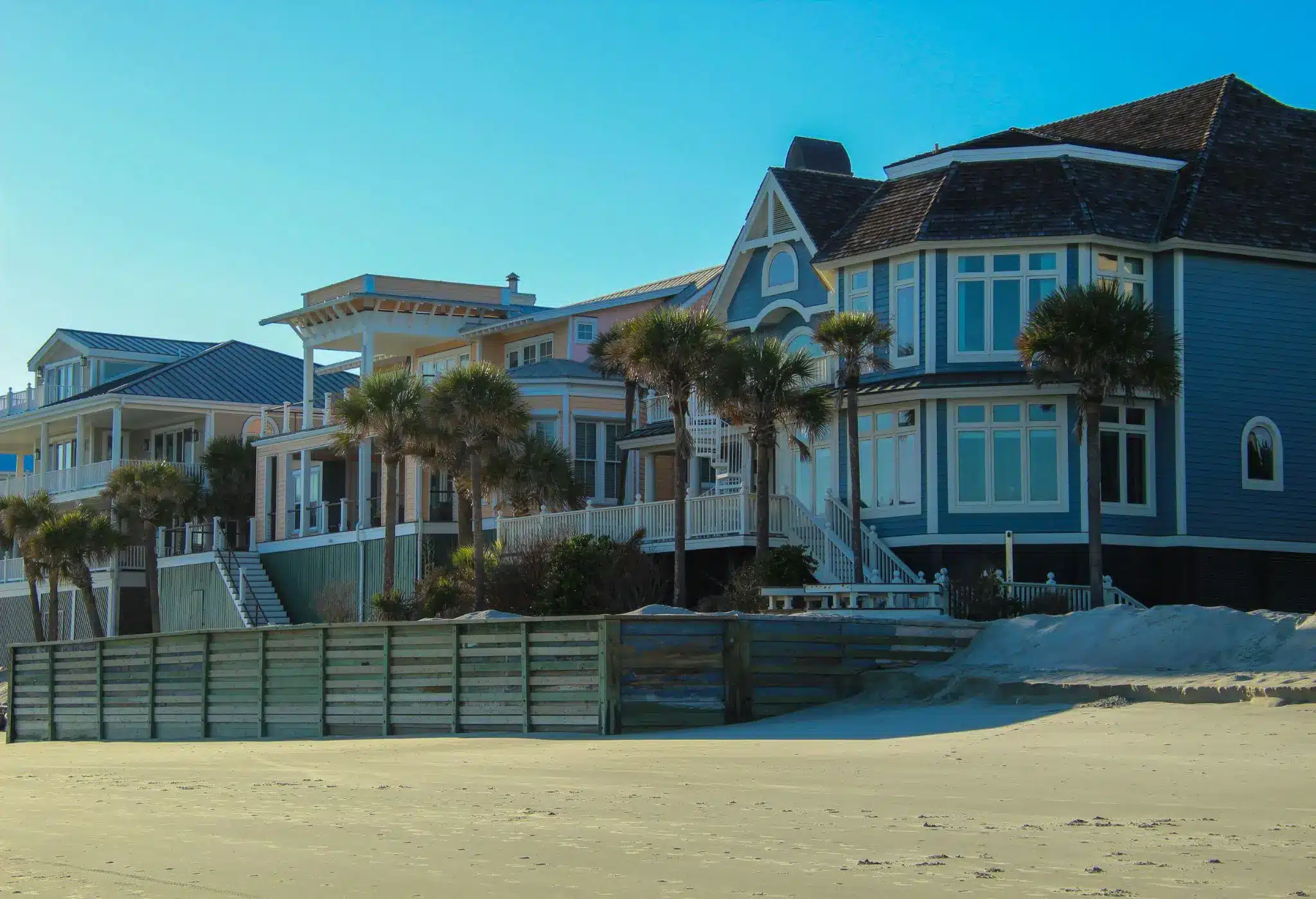
A beach house is more than a place to sleep after a long day on the water. It is an investment in comfort, memories, and long term value. But the coastal environment that makes beach living so appealing also puts serious demands on your home, especially on the windows.
Salt air, driving rain, intense UV exposure, and occasional high winds all take a toll on standard window products. Choosing the right windows from the start can save you years of maintenance headaches and keep your energy bills under control.
Understand What Coastal Air Does to Windows
Homes near the ocean face challenges that inland properties never deal with. Salt spray accelerates corrosion on metal frames and hardware. High humidity can lead to seal failure between glass panes, causing fogging that blocks your view and reduces insulation value. Intense sun exposure fades furnishings and heats interior spaces faster than you might expect.
If your beach house sits along the mid Atlantic coast, from the Delaware beaches down through Maryland’s Eastern Shore, these conditions are a daily reality. Homeowners considering window replacement in Bethany Beach or similar coastal communities should plan for products built to handle salt, wind, and sun year round.
Prioritize Impact Rated and Hurricane Rated Glass
Storm season is a fact of life on the coast. Standard windows are not designed to handle the debris and pressure changes that come with tropical storms and nor’easters. Impact rated windows use laminated glass that holds together even when struck, preventing dangerous shards from entering your home.
Look for products tested to the Miami Dade standard, which is widely considered the toughest wind and impact certification in the industry. Insurance providers in storm prone areas may also offer premium discounts for homes fitted with qualifying windows.
Choose the Right Frame Material
Frame material matters more at the beach than almost anywhere else. Here is how the most common options compare:
Vinyl: Resistant to salt corrosion, low maintenance, and budget friendly. Vinyl will not rust, rot, or need repainting, making it the most popular coastal choice.
Fiberglass: Stronger than vinyl and excellent in extreme temperature swings. Resists warping and holds its shape over decades.
Aluminum: Slim profiles and a modern look, but prone to corrosion near salt water unless treated with a marine grade finish.
Wood: Beautiful but high maintenance in coastal environments. Consider wood interiors with vinyl or aluminum cladding on the exterior for the best of both.
Pay Attention to Energy Performance Ratings
Beach houses deal with heat gain in the summer and heat loss in the winter, sometimes on the same day during shoulder season. Two ratings on the NFRC window label deserve your attention:
U Factor: Measures how well the window insulates. Lower numbers mean better performance. For coastal homes in mixed climates, aim for 0.30 or below.
Solar Heat Gain Coefficient (SHGC): Measures how much solar heat passes through the glass. A lower SHGC helps keep sun drenched rooms cooler without over relying on air conditioning.
If you are curious about how window upgrades fit into a broader efficiency plan, this guide to upgrading your home’s efficiency covers additional steps worth considering alongside your window project.
Think About Style and Function Together
Beach house windows should do more than survive the weather. They should frame the view and let in natural light without turning your living room into a greenhouse. Casement and awning windows are popular coastal choices because they seal tightly when closed and allow ventilation even during light rain. Sliding and picture windows work well for unobstructed ocean views.
Custom sizing is worth exploring if your home has non standard openings, which is common in older beach cottages. Many local installers can source factory direct custom windows that fit perfectly without the workarounds that come with forcing a standard size into an odd space.
Work with an Installer Who Knows Coastal Conditions
Even the best window will underperform if it is installed incorrectly. Coastal installations require proper flashing, waterproofing, and anchoring that go beyond what a standard inland job demands. Look for a contractor who is licensed, insured, and experienced with beachfront projects.
For example, Eastern Shore Window & Door offers window services in Delaware for families along the mid Atlantic coast who want hurricane rated products installed by in house teams rather than subcontractors. That kind of accountability matters when your home sits a few blocks from the ocean.
Quick Checklist Before You Buy
Before signing off on any window purchase for your beach house, make sure you have covered these basics:
Confirm the product carries an impact or hurricane rating appropriate for your area
Verify the frame material is rated for salt air exposure
Check the U Factor and SHGC against your climate zone requirements
Ask about the warranty and whether it transfers if you sell the home
Confirm the installer has coastal project experience and handles work in house
Get at least two written estimates to compare products, labor, and total cost
Choosing windows for a beach house does not have to feel overwhelming. Once you understand the key performance factors and the materials that hold up in coastal conditions, the decision gets much simpler. If you are starting to explore your options, reach out to a local specialist who can walk through the choices with you and help match the right product to your home and your budget.